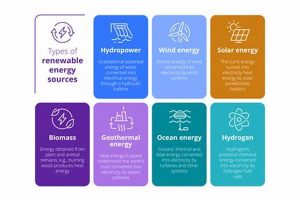
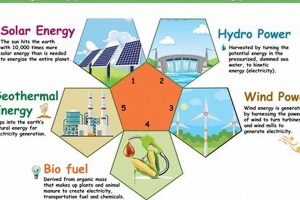
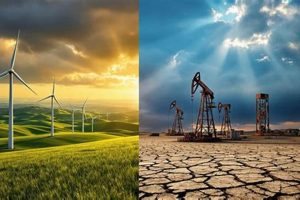
Harnessing energy from sources that naturally replenish presents a multitude of compelling benefits. These resources, unlike finite alternatives, offer a sustainable pathway to meeting present energy demands without jeopardizing the ability of future generations to meet their own needs. Examples include solar radiation, wind power, geothermal heat, and hydroelectricity.
Adoption of these energy solutions contributes to a more secure and stable energy supply, reducing reliance on volatile global markets and geopolitical instability often associated with fossil fuel extraction and distribution. Furthermore, widespread utilization can lead to substantial reductions in air and water pollution, mitigating the harmful impacts of energy production on human health and ecosystems. Historically, shifts towards these energy options have been driven by increasing awareness of environmental degradation and a desire for greater energy independence.
The following sections will delve into the economic, environmental, and social merits of transitioning to these energy solutions, examining their potential for job creation, carbon emission reduction, and overall societal well-being.
Realizing the Benefits of Sustainable Energy Solutions
Maximizing the positive impacts of transitioning to sustainable energy sources requires careful consideration and strategic implementation. The following guidelines highlight key aspects to optimize the advantages of these resources.
Tip 1: Prioritize Grid Modernization: Investing in smart grid technologies is essential for efficiently integrating variable energy sources like solar and wind. This includes enhanced transmission capacity, energy storage solutions, and advanced metering infrastructure to balance supply and demand.
Tip 2: Incentivize Investment: Governments and organizations should establish supportive policies, such as tax credits, subsidies, and feed-in tariffs, to encourage private sector investment in renewable energy projects. This reduces upfront costs and accelerates adoption.
Tip 3: Promote Diversification: A balanced portfolio of sustainable energy technologies, including solar, wind, geothermal, and hydropower, enhances resilience and reduces dependence on any single resource. Geographic diversification is also crucial to mitigate regional weather variations.
Tip 4: Streamline Permitting Processes: Reducing bureaucratic hurdles and streamlining permitting processes can significantly accelerate the deployment of sustainable energy projects. Clear and efficient regulatory frameworks are vital.
Tip 5: Foster Collaboration: Collaboration among governments, industry stakeholders, research institutions, and local communities is crucial for successful implementation. This includes knowledge sharing, technology transfer, and collaborative research initiatives.
Tip 6: Develop Energy Storage Solutions: Advancing energy storage technologies, such as batteries, pumped hydro, and thermal storage, is essential for addressing the intermittent nature of some sustainable energy sources. This ensures a reliable and consistent energy supply.
Tip 7: Support Workforce Development: Investing in education and training programs to develop a skilled workforce is critical for the sustainable energy sector. This includes training for installation, maintenance, and management of renewable energy systems.
These tips underscore the multifaceted approach required to fully realize the potential of sustainable energy. Strategic planning and proactive measures are necessary to unlock the economic, environmental, and social benefits of these resources.
The subsequent sections will explore specific case studies and real-world examples of successful implementations of these tips, demonstrating the tangible impact of sustainable energy transitions.
1. Sustainability

The core advantage inherent in renewable energy resources lies in their inherent sustainability. Unlike fossil fuels, which are finite and exhaustible, resources such as solar radiation, wind, geothermal heat, and hydropower are continuously replenished by natural processes. This continuous replenishment ensures a long-term energy supply, mitigating the risk of resource depletion and fostering a secure energy future. The direct consequence of utilizing these self-rejuvenating resources is the reduction of dependence on sources that diminish over time, providing a stable and reliable energy infrastructure for generations to come. For instance, Iceland’s reliance on geothermal energy exemplifies sustainability; the country powers a significant portion of its economy with heat from the earth, a resource that is continually replenished.
Further exemplifying the link, the sustainable nature of these sources aligns directly with principles of environmental stewardship. By harnessing renewable energy, societies can minimize the extraction and combustion of fossil fuels, subsequently reducing greenhouse gas emissions and mitigating climate change. The practical significance lies in the ability to meet current energy needs without compromising the ability of future generations to do the same. Consider the global increase in wind farm installations; these facilities harness a constant and free energy source, reducing carbon footprints and promoting a cleaner environment. Another facet is the reduction of waste products, byproducts from fossil fuel which are not always biodegradable or recoverable without causing harm.
In summary, the connection between sustainability and the benefits of renewable resources is fundamental. The ability to continually draw energy from naturally replenished sources ensures a stable and secure energy supply for the long term. This transition towards sustainable energy practices not only addresses environmental concerns but also fosters energy independence and economic stability, securing resources for future generations.
2. Reduced Emissions
Mitigating the release of harmful pollutants into the atmosphere stands as a paramount benefit associated with adopting renewable energy sources. This reduction in emissions directly addresses climate change, air quality, and public health concerns, making it a central advantage of these resources.
- Lower Greenhouse Gas Footprint
Renewable energy technologies, such as solar, wind, and hydropower, generate electricity with minimal or no greenhouse gas emissions during operation. This sharply contrasts with fossil fuel-based power plants, which release substantial quantities of carbon dioxide, methane, and nitrous oxide. A wind farm, for instance, converts kinetic energy into electricity without burning fuel, drastically lowering its contribution to global warming compared to a coal-fired power station. Consequently, widespread adoption of renewables plays a pivotal role in achieving climate targets.
- Decreased Air Pollution
Fossil fuel combustion is a major source of air pollutants like particulate matter, sulfur dioxide, and nitrogen oxides, all of which contribute to respiratory illnesses and other health problems. Renewable energy sources, on the other hand, produce significantly less air pollution. Solar panels, for instance, generate electricity silently and without releasing harmful airborne substances, directly improving air quality in surrounding areas. This positive impact on air quality is particularly important in densely populated urban centers.
- Reduced Water Pollution
The extraction, processing, and combustion of fossil fuels can lead to significant water pollution. Coal mining can contaminate rivers and groundwater with heavy metals, while oil spills can devastate marine ecosystems. Many renewable energy technologies, such as solar and wind, require minimal water usage during operation, thereby reducing the risk of water contamination. Hydroelectric dams can have complex impacts on water ecosystems, but strategic management can mitigate some of these negative effects compared to the consistent pollution associated with fossil fuel extraction.
- Minimized Waste Generation
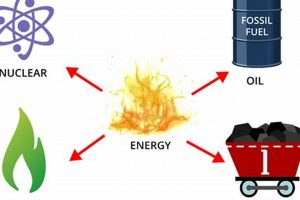
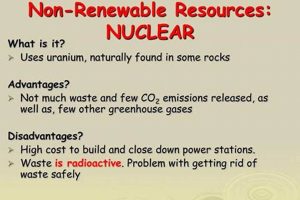
Unlike nuclear power, which produces radioactive waste, and fossil fuels, which generate ash and other byproducts, renewable energy technologies produce minimal waste during operation. Solar panels, for example, have a long lifespan and can be recycled at the end of their useful life, minimizing the environmental impact of waste disposal. This reduction in waste generation contributes to a cleaner and more sustainable energy system overall.
The cumulative effect of these emission reductions underscores the profound environmental benefits of renewable energy resources. By minimizing greenhouse gas emissions, reducing air and water pollution, and minimizing waste generation, renewable energy contributes significantly to a healthier planet and a more sustainable future. These multifaceted environmental advantages are central to the overall value proposition of transitioning away from fossil fuels.
3. Energy Independence

Attaining self-sufficiency in energy production represents a significant strategic advantage, inextricably linked to the utilization of resources that are naturally replenished. Diminished reliance on external fuel sources enhances national security, stabilizes economies, and fosters geopolitical autonomy.
- Reduced Vulnerability to Geopolitical Instability
Nations heavily dependent on imported fossil fuels are susceptible to price fluctuations and supply disruptions arising from geopolitical events in producing regions. Transitioning to domestic renewable energy sources, such as solar, wind, and geothermal, mitigates this vulnerability by creating a stable and predictable energy supply independent of external political factors. Germany’s Energiewende, though facing challenges, demonstrates a commitment to reducing reliance on Russian gas through renewable energy investments.
- Enhanced National Security
Securing access to imported fossil fuels often requires significant military resources and diplomatic efforts. By developing domestic renewable energy industries, countries can reduce the need for these costly security measures, allowing resources to be allocated to other critical areas. The development of offshore wind farms in the United States, for instance, not only generates clean energy but also contributes to a more secure domestic energy supply, lessening reliance on potentially unstable international sources.
- Stimulation of Domestic Economic Growth
Investing in renewable energy projects stimulates domestic economic activity by creating jobs in manufacturing, installation, maintenance, and research. Furthermore, the development of a thriving renewable energy sector can lead to technological innovation and export opportunities, boosting a nation’s economic competitiveness. China’s rapid growth in solar panel manufacturing and deployment exemplifies how renewable energy can drive economic growth and create a global leadership position.
- Strengthened Resilience to Global Market Volatility
Global fossil fuel markets are subject to price volatility driven by factors such as supply disruptions, political instability, and speculative trading. Renewable energy resources, by contrast, offer greater price stability as their operational costs are largely independent of global market fluctuations. Long-term power purchase agreements (PPAs) for renewable energy projects provide predictable revenue streams, contributing to a more stable and resilient energy system. Denmark’s long-standing commitment to wind energy has provided a buffer against volatile oil prices, demonstrating the economic resilience benefits of renewable energy.
The facets of energy independence outlined above clearly illustrate its deep connection to, and status as one of “what are the advantages of renewable resources”. The ability to harness domestic, sustainable energy sources not only reduces dependence on external actors but also stimulates economic growth, enhances national security, and fosters resilience to global market volatility, thereby enhancing the overall stability and prosperity of a nation.
4. Job Creation

The expansion of renewable energy sectors presents significant opportunities for workforce development and economic growth. Job creation is a crucial advantage associated with these resources, impacting various sectors and skill levels.
- Manufacturing and Production
The renewable energy industry necessitates the manufacturing of components such as solar panels, wind turbines, and battery storage systems. These processes require skilled labor in factories, assembly plants, and research facilities. For instance, the growth of solar panel production in regions like Southeast Asia has led to a surge in manufacturing jobs, contributing to local economies and skill development in technical fields.
- Installation and Construction
Deploying renewable energy infrastructure involves construction, installation, and maintenance activities. This includes building wind farms, installing solar arrays on rooftops, and constructing geothermal plants. These projects generate employment for construction workers, electricians, technicians, and project managers. The installation of offshore wind farms in Europe, for example, has created thousands of jobs in construction, engineering, and maritime industries.
- Research and Development
Innovation and continuous improvement are crucial in the renewable energy sector. Research and development (R&D) activities drive the creation of new technologies, improve efficiency, and reduce costs. These efforts necessitate the employment of scientists, engineers, and researchers in laboratories, universities, and research institutions. Investments in R&D for advanced battery technologies, for example, create high-skilled jobs and drive innovation in energy storage solutions.
- Operation and Maintenance
Once renewable energy facilities are operational, they require ongoing maintenance, monitoring, and repair. This creates stable, long-term employment for technicians, engineers, and field service personnel. The continuous operation of wind farms, solar plants, and hydroelectric facilities necessitates a skilled workforce to ensure optimal performance and reliability, contributing to local economies through consistent employment opportunities. These jobs are often located in rural areas, providing economic stimulus where it is most needed.
These facets illustrate the broad spectrum of employment opportunities generated by renewable energy development. The growth of these sectors not only promotes environmental sustainability but also drives economic development through the creation of diverse and skilled jobs, contributing to stable and prosperous communities.
5. Resource Abundance

The virtually limitless availability of renewable resources is a central element underpinning the array of advantages associated with their utilization. Unlike finite fossil fuels, these resources are continuously replenished by natural processes, offering a sustainable pathway to meet long-term energy demands. This abundance provides a foundation for energy security, economic stability, and environmental stewardship.
- Solar Radiation
Solar energy represents a vast and largely untapped resource. The total amount of solar energy that reaches the Earth’s surface far exceeds global energy consumption. Harnessing even a small fraction of this energy has the potential to meet a substantial portion of the world’s electricity needs. For example, concentrated solar power (CSP) plants in desert regions can generate significant amounts of electricity, leveraging the intense solar radiation available in these areas. This resource abundance provides a long-term alternative to exhaustible fossil fuels, enhancing energy security.
- Wind Power
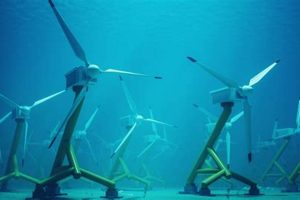
Wind is a ubiquitous resource available across various geographic locations. Modern wind turbines can efficiently convert wind energy into electricity, providing a clean and sustainable power source. Regions with consistent wind patterns, such as coastal areas and plains, are particularly well-suited for wind energy development. The North Sea, for instance, has become a hub for offshore wind farms, generating a substantial amount of electricity for several European countries. The widespread availability of wind resources enables a decentralized energy system, reducing dependence on centralized power plants.
- Geothermal Energy
Geothermal energy taps into the Earth’s internal heat, providing a constant and reliable source of energy. This resource is available in various forms, including hydrothermal resources and enhanced geothermal systems (EGS). Countries like Iceland and New Zealand have successfully harnessed geothermal energy to generate electricity and provide heating for homes and businesses. The continuous availability of geothermal energy makes it a reliable alternative to fossil fuels, particularly in regions with accessible geothermal resources.
- Hydropower
Hydropower utilizes the energy of flowing water to generate electricity. While large-scale hydropower projects can have environmental impacts, small-scale hydropower systems and run-of-river projects offer a more sustainable approach. Hydropower is a reliable source of electricity, particularly in regions with abundant water resources. Norway, for example, relies heavily on hydropower to meet its electricity needs. The consistent availability of water resources ensures a stable source of electricity, contributing to energy security and grid stability.
The inherent abundance of renewable resources, from solar radiation to wind power and geothermal energy, forms the bedrock of their advantages. This widespread availability ensures a sustainable and secure energy future, reducing dependence on finite fossil fuels and promoting environmental stewardship. The ability to harness these naturally replenished resources is essential for achieving long-term energy security and mitigating climate change.
6. Decreased Pollution
The reduction of pollutants released into the environment is a significant and directly attributable benefit of transitioning to renewable energy sources. This decreased pollution manifests in various forms, impacting air and water quality, and consequently, public health and ecosystem integrity. The causative link is clear: the generation of power from solar, wind, geothermal, and hydroelectric sources typically involves little to no combustion, a process central to the release of harmful emissions from fossil fuel-based power plants.
Decreased pollution is not merely a peripheral advantage; it is a core component of the benefits derived from renewable resources. For example, cities that have invested heavily in wind and solar power, such as Copenhagen and San Francisco, have demonstrably improved air quality compared to cities reliant on coal-fired power. The practical significance of this lies in reduced rates of respiratory illnesses, decreased healthcare costs, and improved overall quality of life for residents. Furthermore, reduced water pollution, stemming from decreased reliance on fossil fuel extraction and transport, protects aquatic ecosystems and ensures access to clean water resources. Consider the impact of reduced oil spills in marine environments as a direct result of shifting towards renewable energy infrastructure; these benefits preserve biodiversity and protect coastal economies dependent on healthy oceans.
In summary, the intrinsic connection between renewable energy sources and decreased pollution is multifaceted and profound. By mitigating air and water pollutants and reducing greenhouse gas emissions, renewable energy contributes directly to improved public health, ecosystem preservation, and climate change mitigation. The challenge remains to scale up renewable energy deployment globally to fully realize these benefits and overcome the limitations of existing infrastructure and energy systems. Ultimately, widespread adoption of renewable energy is critical for achieving a cleaner, healthier, and more sustainable future.
7. Price Stability
The ability to maintain consistent and predictable energy costs is a key element contributing to the attractiveness of renewable energy resources. Unlike fossil fuels, which are subject to price volatility driven by geopolitical events, supply disruptions, and fluctuating global demand, renewable energy sources offer a greater degree of price stability. This stability stems from the fact that, after the initial capital investment in infrastructure, the fuel sourcesunlight, wind, geothermal heat, or flowing wateris essentially free. The operational costs associated with renewable energy are therefore more predictable and less susceptible to external market forces. For example, long-term power purchase agreements (PPAs) for solar and wind energy projects provide fixed electricity rates for extended periods, shielding consumers and businesses from price spikes in the fossil fuel market.
The economic benefits of price stability extend beyond individual consumers. Businesses can make more informed investment decisions when energy costs are predictable, reducing financial risk and fostering long-term planning. Governments can also benefit from stable energy prices, as it allows for more accurate budgeting and reduces the need for subsidies to cushion the impact of price increases on vulnerable populations. Furthermore, a predictable energy market can attract foreign investment, as it provides a more stable and reliable operating environment for businesses. The Danish wind energy industry, for example, has benefited from government policies that promote price stability, attracting significant foreign investment and creating a thriving export sector. This stability encourages innovation and technological advancement within the renewable energy sector, further driving down costs and enhancing competitiveness.
In conclusion, the connection between renewable resources and price stability is a crucial advantage. By offering predictable and consistent energy costs, renewable energy promotes economic stability for individuals, businesses, and governments. This stability enhances investment decisions, reduces financial risks, and fosters long-term planning, contributing to a more resilient and prosperous energy future. Addressing the initial capital costs and developing robust grid infrastructure are key challenges that must be overcome to fully realize the price stability benefits of renewable energy on a global scale, solidifying their place as a cornerstone of a sustainable energy economy.
Frequently Asked Questions
This section addresses common inquiries regarding the benefits of renewable energy utilization.
Question 1: What are the primary categories of environmental benefits derived from renewable energy sources?
The foremost environmental benefits encompass reduced greenhouse gas emissions, minimized air and water pollution, and decreased waste generation compared to conventional fossil fuel-based energy production.
Question 2: How does the adoption of renewable energy resources impact national energy security?
Renewable energy resources contribute to enhanced energy security by decreasing dependence on volatile global fossil fuel markets and promoting the utilization of domestic resources, thereby lessening vulnerability to geopolitical instability.
Question 3: In what ways does investment in renewable energy stimulate economic growth and create employment opportunities?
Investment in renewable energy fuels economic expansion by fostering job creation across various sectors, including manufacturing, installation, research, and maintenance. This stimulates local economies and promotes innovation.
Question 4: What is the significance of resource abundance in relation to the long-term viability of renewable energy systems?
Resource abundance is a crucial factor as renewable energy sources, such as solar, wind, and geothermal, are continuously replenished by natural processes, ensuring a sustainable and long-term energy supply compared to finite fossil fuels.
Question 5: How does price stability, facilitated by renewable energy, benefit consumers and businesses?
Renewable energy promotes price stability by reducing reliance on volatile global fuel markets. This allows consumers and businesses to make informed financial decisions and mitigate risks associated with fluctuating energy costs.
Question 6: What role does decreased pollution play in enhancing public health and environmental quality through renewable energy adoption?
Decreased pollution, resulting from the minimal or absent combustion processes of renewable energy systems, directly improves air and water quality, contributing to reduced rates of respiratory illnesses, and preserving ecosystem integrity.
In summation, renewable resources present a spectrum of advantages encompassing environmental stewardship, energy security, economic stimulus, and human well-being. Widespread adoption and continuous technological advancement will be critical in realizing the full potential of these benefits.
The subsequent section will consider future prospects for increased renewable resource use.
Realizing the Full Potential
This exploration has elucidated “what are the advantages of renewable resources”, emphasizing their multifaceted benefits. From environmental preservation through reduced emissions and pollution to bolstered energy security and economic stimulus via job creation, these resources offer a compelling alternative to conventional fossil fuels. Resource abundance and the potential for price stability further solidify their long-term value proposition.
The transition to a renewable energy future represents a crucial undertaking. Further research, technological advancements, and strategic policy implementation are essential to overcome existing barriers and fully realize the transformative potential of these resources. A concerted global effort is necessary to secure a sustainable, resilient, and equitable energy landscape for future generations.