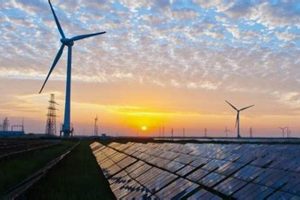
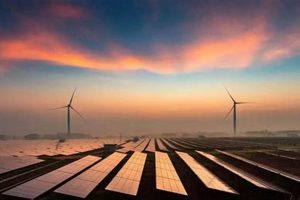
Renewable energy sources, while offering a crucial pathway to a sustainable future, present certain challenges that must be addressed for their widespread and reliable deployment. These challenges relate to factors such as intermittency, land use requirements, environmental impact, and economic considerations. For instance, solar power generation is dependent on sunlight availability, making it less reliable in regions with frequent cloud cover or limited daylight hours. Similarly, wind power requires consistent wind speeds, which can fluctuate significantly.
Understanding these limitations is vital for developing effective strategies for integrating renewable energy into existing power grids. Overcoming these hurdles will be key to transitioning towards a cleaner energy future and mitigating the detrimental effects of fossil fuel dependence. Historically, concerns over the reliability and cost-effectiveness of renewable energy have hindered its adoption. However, significant technological advancements and decreasing production costs have made renewable energy increasingly competitive with conventional energy sources.
The following sections will delve into specific drawbacks associated with different forms of renewable energy, examining the technological, economic, and environmental aspects of each. This comprehensive analysis will provide a clearer understanding of the complexities involved in transitioning to a renewable energy-based power system.
Tips for Mitigating the Drawbacks of Renewable Energy
While renewable energy sources offer significant advantages, addressing their inherent limitations is crucial for successful implementation. The following tips provide insights into strategies and considerations for maximizing the effectiveness and reliability of renewable energy systems.
Tip 1: Diversify Energy Sources: Relying on a single renewable energy source can create vulnerabilities due to intermittency. Integrating a mix of renewable sources, such as solar, wind, hydro, and geothermal, can enhance grid stability and ensure a more consistent energy supply.
Tip 2: Invest in Energy Storage Solutions: Battery storage technologies, pumped hydro storage, and other storage solutions can help address the intermittency challenges of solar and wind power by storing excess energy generated during peak periods for use during periods of low generation.
Tip 3: Optimize Grid Infrastructure: Modernizing existing grid infrastructure to accommodate the decentralized nature of renewable energy sources is essential. Smart grids, advanced metering systems, and improved transmission lines can enhance grid flexibility and reliability.
Tip 4: Implement Demand-Side Management: Strategies like time-of-use pricing and demand response programs can incentivize consumers to shift their energy consumption to periods of high renewable energy generation, reducing strain on the grid and maximizing the utilization of renewable resources.
Tip 5: Advance Forecasting Technologies: Accurate weather forecasting and energy demand prediction are critical for effectively managing renewable energy resources. Improved forecasting models can enhance grid stability and optimize the dispatch of renewable energy generation.
Tip 6: Conduct Thorough Environmental Impact Assessments: Careful consideration of the potential environmental impacts of renewable energy projects, such as land use changes, habitat disruption, and visual impacts, is necessary for responsible development.
Tip 7: Promote Research and Development: Continued investment in research and development is essential for driving innovation in renewable energy technologies, improving efficiency, and reducing costs.
By addressing these challenges proactively, the transition to a cleaner and more sustainable energy future can be accelerated. These strategies offer a pathway towards mitigating the drawbacks of renewable energy and maximizing its potential to provide reliable and affordable power.
The successful integration of renewable energy requires a multifaceted approach that considers both the benefits and the limitations of these resources. A comprehensive understanding of these factors will be instrumental in shaping a sustainable energy future.
1. Intermittency

Intermittency, the fluctuating nature of energy generation from sources like solar and wind, presents a significant challenge within the broader context of renewable energy’s disadvantages. The unpredictable nature of these resources poses considerable integration complexities for existing power grids designed for consistent baseload power.
- Predictability Challenges
The output of solar and wind power is inherently tied to weather patterns, making precise energy generation forecasting difficult. Cloud cover can drastically reduce solar energy production, while shifts in wind speed directly impact wind turbine output. This variability complicates grid management and necessitates strategies to balance supply and demand.
- Grid Stability Concerns
Fluctuations in renewable energy generation can create instability in the power grid, potentially leading to voltage fluctuations and blackouts. Maintaining a stable grid frequency requires a consistent balance between energy supply and demand, which is challenged by the intermittent nature of some renewable sources. For instance, a sudden drop in wind speed could lead to a power deficit if not adequately compensated for.
- Storage Capacity Requirements
Addressing intermittency often requires substantial investment in energy storage solutions, such as batteries or pumped hydro. These technologies store excess energy generated during periods of high production for use when generation is low. However, storage technologies add to the overall cost and complexity of renewable energy systems. The capacity and cost-effectiveness of storage solutions are crucial factors influencing grid reliability.
- Backup Power Dependence
In the absence of sufficient storage capacity, intermittent renewable energy sources may require reliance on backup power from conventional sources, often fossil fuels, to ensure grid stability during periods of low generation. This dependence on backup power undermines the environmental benefits of renewable energy and adds complexity to grid management. Balancing the need for backup power with the desire to minimize reliance on fossil fuels is a key challenge.
The intermittency of certain renewable energy sources poses significant hurdles for their seamless integration into power systems. Addressing these challenges through advancements in energy storage, grid management technologies, and diversified renewable energy portfolios is crucial for maximizing the potential of renewable energy while ensuring grid stability and reliability.
2. Geographic limitations
Geographic limitations represent a significant constraint on the widespread deployment of certain renewable energy technologies. The suitability of specific renewable energy sources is often dictated by location-specific factors, influencing their feasibility and effectiveness. This inherent dependence on geographical characteristics presents challenges for achieving universal access to renewable energy and necessitates careful consideration during project planning and resource allocation.
- Resource Availability
The availability of suitable resources dictates the viability of specific renewable energy technologies in different locations. Geothermal energy, for instance, requires access to underground heat sources, limiting its applicability to geologically active regions. Similarly, hydropower relies on consistent water flow, making it suitable primarily for areas with rivers or other substantial water bodies. The uneven distribution of these resources creates geographical disparities in renewable energy potential.
- Land Use Requirements
Land use requirements vary significantly among renewable energy technologies. Large-scale solar and wind farms require substantial land areas, potentially competing with other land uses such as agriculture or conservation. This competition for land can be particularly pronounced in densely populated regions, posing challenges for project development and requiring careful consideration of land management practices. For example, deploying large solar farms in deserts might raise concerns about habitat disruption.
- Transmission Infrastructure
The geographical distribution of renewable energy resources often necessitates the development of extensive transmission infrastructure to transport generated electricity to population centers. Remote locations with high renewable energy potential, such as offshore wind farms or desert solar installations, require significant investment in transmission lines to connect to the existing grid. These infrastructure requirements add to the overall cost and complexity of renewable energy projects.
- Environmental Sensitivity
Geographic limitations can intersect with environmental sensitivities, creating challenges for renewable energy development. Siting hydropower projects in ecologically sensitive areas can disrupt aquatic ecosystems, while large-scale solar or wind farms can impact wildlife habitats. Balancing the benefits of renewable energy with potential environmental impacts requires careful site selection and mitigation strategies. For instance, constructing wind farms along migratory bird routes necessitates careful consideration of avian impacts.
Geographic limitations underscore the importance of diversifying renewable energy portfolios and tailoring technology choices to specific regional characteristics. Overcoming these limitations through strategic planning, technological advancements, and careful consideration of environmental and social impacts is crucial for realizing the full potential of renewable energy in the transition towards a sustainable energy future. These constraints highlight the need for a nuanced approach to renewable energy development, recognizing the unique geographical context of each project.
3. Environmental Impact
While renewable energy technologies offer a pathway to reduced greenhouse gas emissions and a cleaner energy future, they are not without environmental impacts. Understanding these impacts is crucial for responsible development and deployment of renewable energy systems. A comprehensive assessment of potential environmental consequences is necessary to minimize negative effects and maximize the overall sustainability of these technologies.
- Habitat Disruption
Large-scale renewable energy projects, such as solar and wind farms, can lead to habitat loss and fragmentation, impacting local wildlife populations. For instance, the construction of a wind farm can disrupt bird and bat migratory patterns, while large solar installations can alter desert ecosystems. Careful site selection and mitigation strategies, such as minimizing land clearing and implementing wildlife corridors, are essential for reducing these impacts.
- Land Use Change
Renewable energy infrastructure requires land, potentially competing with other land uses like agriculture, forestry, and conservation. Solar and wind farms, in particular, can occupy significant land areas. Evaluating land use trade-offs and prioritizing brownfield sites or areas with low ecological value can help minimize land use conflicts. For example, integrating solar panels into existing infrastructure, such as rooftops or parking lots, can reduce land use pressures.
- Water Usage
Certain renewable energy technologies, such as concentrated solar power and hydropower, require substantial amounts of water for operation. Water withdrawal for these purposes can strain local water resources, particularly in arid or semi-arid regions. Implementing water-efficient technologies and carefully assessing water availability are essential for mitigating these impacts. Dry cooling systems, for example, can reduce water consumption in concentrated solar power plants.
- Manufacturing and Disposal Impacts
The manufacturing process for renewable energy technologies requires raw materials and energy, and generates waste products. The extraction and processing of these materials can have environmental impacts, including mining activities and greenhouse gas emissions. Furthermore, the disposal of end-of-life components, such as solar panels and wind turbine blades, presents challenges for waste management and recycling. Promoting sustainable manufacturing practices and developing effective recycling programs are crucial for minimizing the lifecycle environmental impacts of renewable energy technologies.
Understanding and mitigating the environmental impacts associated with renewable energy development are crucial for ensuring their long-term sustainability. Careful planning, technological advancements, and ongoing monitoring are necessary to minimize negative consequences and maximize the environmental benefits of these crucial technologies. A comprehensive life-cycle assessment approach is essential for evaluating the full environmental footprint of renewable energy systems and making informed decisions about their deployment.
4. High Initial Costs

High upfront investment represents a significant barrier to widespread renewable energy adoption. While long-term operational costs are generally lower than those of conventional fossil fuel-based power plants, the initial capital outlay for renewable energy projects can be substantial, creating financial hurdles for individuals, businesses, and governments. Understanding the components contributing to these high initial costs is essential for developing strategies to overcome this financial obstacle and accelerate the transition to a cleaner energy future.
- Equipment Expenses
The cost of purchasing and installing renewable energy equipment constitutes a major portion of the initial investment. Solar panels, wind turbines, geothermal power plants, and hydropower infrastructure require specialized equipment, often involving advanced technologies and manufacturing processes. For example, the price of wind turbines includes not only the turbine itself but also the tower, foundation, and associated electrical infrastructure. Similarly, solar panel costs encompass the panels, inverters, mounting systems, and wiring. These substantial equipment expenses contribute significantly to the overall upfront project costs.
- Infrastructure Development
Renewable energy projects often necessitate substantial investments in supporting infrastructure. Connecting remote renewable energy generation sites to the existing power grid requires the construction of new transmission lines and substations. Similarly, integrating variable renewable energy sources like solar and wind may require grid modernization efforts, such as implementing smart grid technologies and energy storage solutions. These infrastructure development costs add significantly to the overall initial investment. For instance, offshore wind farms require specialized undersea cables and onshore substations to transmit generated power to the mainland.
- Land Acquisition and Permitting
Acquiring suitable land for renewable energy projects and navigating the permitting process can be both time-consuming and expensive. Large-scale solar and wind farms require significant land areas, which can involve purchasing land or securing lease agreements. Furthermore, obtaining the necessary permits and approvals from regulatory agencies can involve extensive environmental impact assessments and public consultations, adding to project development costs and timelines. These pre-construction expenses can represent a substantial portion of the initial investment. For example, securing land rights and environmental permits for a large solar farm in a populated area can involve complex negotiations and significant costs.
- Financing Costs
Securing financing for large-scale renewable energy projects can also contribute to high initial costs. Interest rates on loans, financing fees, and other associated expenses can add to the overall project budget. The availability and cost of financing can depend on factors such as project risk, investor confidence, and government policies. Attracting investment and securing favorable financing terms are crucial for making renewable energy projects financially viable. For instance, government-backed loan guarantees can help reduce financing costs and encourage private investment in renewable energy.
The high initial costs associated with renewable energy projects represent a significant challenge for widespread adoption. Addressing these financial barriers through innovative financing mechanisms, policy incentives, technological advancements, and cost reductions will be crucial for accelerating the transition to a cleaner and more sustainable energy future. Overcoming these upfront investment hurdles is essential for unlocking the full potential of renewable energy and achieving global climate goals.
5. Storage Capacity
Storage capacity is intrinsically linked to the disadvantages of renewable energy, particularly for intermittent sources like solar and wind. The inability to consistently generate power necessitates robust storage solutions to ensure a reliable energy supply. Limited and costly storage options present a significant hurdle for widespread renewable energy integration, impacting grid stability and overall cost-effectiveness.
- Technological Limitations
Current energy storage technologies face limitations in terms of capacity, efficiency, and cost. Battery storage, while rapidly evolving, remains relatively expensive and has limited storage duration. Pumped hydro storage, while cost-effective for large-scale applications, requires specific geographical conditions and can have environmental impacts. Other technologies, such as compressed air energy storage and thermal energy storage, are still under development and face technical challenges. The availability of affordable and efficient storage solutions is crucial for maximizing the potential of intermittent renewable resources.
- Cost Implications
The cost of energy storage systems adds significantly to the overall expense of renewable energy projects. Batteries, for instance, represent a substantial upfront investment, increasing the financial burden of transitioning to renewable sources. The cost of storage must be factored into the overall economic assessment of renewable energy projects, and can impact their financial viability. For example, the cost of installing large-scale battery storage to support a solar farm can significantly impact the project’s return on investment.
- Grid Integration Challenges
Integrating large amounts of intermittent renewable energy into the existing power grid requires sophisticated storage solutions to manage fluctuations in supply and demand. Without adequate storage, grid stability can be compromised, leading to voltage fluctuations and potential blackouts. Storage plays a crucial role in balancing the intermittency of renewable sources and ensuring a reliable flow of electricity to consumers. For instance, grid operators must manage the influx of solar power during the day and the subsequent drop in generation at night, relying on storage or other sources to maintain grid stability.
- Geographic Constraints
The suitability of different energy storage technologies can be limited by geographical factors. Pumped hydro storage, for example, requires specific topographical features, while large-scale battery storage requires significant land area. These geographic constraints can influence the choice of storage technology and impact the overall feasibility of renewable energy projects in specific locations. The availability of suitable locations for storage can be a limiting factor in deploying renewable energy resources effectively.
Storage capacity remains a critical factor influencing the feasibility and cost-effectiveness of renewable energy. Addressing the technological limitations, cost barriers, and grid integration challenges associated with energy storage is essential for maximizing the potential of renewable resources and achieving a sustainable energy future. Advancements in storage technologies and strategic deployment strategies are crucial for overcoming the intermittency limitations of renewable energy and ensuring a stable and reliable power supply.
6. Transmission Infrastructure

Transmission infrastructure plays a crucial role in the context of renewable energy’s disadvantages. Often, renewable energy sources are located far from population centers, necessitating extensive transmission networks to deliver power where it is needed. This requirement introduces a range of challenges, impacting both the cost and feasibility of renewable energy projects. Understanding these challenges is essential for effective planning and implementation of renewable energy systems.
- Cost of Development
Building new transmission lines to connect remote renewable energy generation sites to the existing grid involves substantial financial investment. Long-distance transmission requires specialized high-voltage lines and supporting infrastructure, adding significantly to project costs. For example, offshore wind farms necessitate costly undersea cables to transmit power to the shore. These expenses can hinder the financial viability of renewable energy projects, particularly in regions with limited existing transmission capacity.
- Environmental Impacts
Constructing new transmission lines can have significant environmental consequences, including habitat fragmentation, visual impacts, and potential electromagnetic field effects. Transmission corridors often require clearing vegetation and traversing sensitive ecosystems, impacting wildlife and biodiversity. Minimizing these impacts through careful route planning, mitigation measures, and alternative technologies, such as underground cables, is crucial for responsible renewable energy development. For instance, routing transmission lines through protected areas requires careful environmental impact assessments and mitigation strategies.
- Permitting and Regulatory Hurdles
Obtaining the necessary permits and approvals for new transmission infrastructure can be a complex and time-consuming process. Regulatory hurdles, land acquisition challenges, and public opposition can delay project timelines and increase development costs. Streamlining the permitting process and engaging stakeholders effectively are crucial for facilitating timely and efficient transmission infrastructure development. For example, community consultations and environmental impact studies are essential components of the permitting process for new transmission lines.
- Grid Integration Challenges
Integrating large amounts of variable renewable energy into the existing grid can strain transmission infrastructure and require grid modernization efforts. Fluctuations in renewable energy generation necessitate sophisticated grid management systems and potentially upgrades to existing transmission lines to accommodate the intermittent power flow. For instance, integrating large solar farms into the grid may require investments in smart grid technologies and energy storage solutions to manage peak power generation and ensure grid stability.
The challenges associated with transmission infrastructure represent a significant constraint on the widespread deployment of renewable energy. Addressing these challenges through strategic planning, technological advancements, policy support, and community engagement is crucial for unlocking the full potential of renewable resources and achieving a sustainable energy future. These infrastructure limitations underscore the interconnectedness of energy systems and the need for a holistic approach to renewable energy development, considering not only generation but also transmission and distribution.
Frequently Asked Questions about Renewable Energy Disadvantages
This section addresses common inquiries regarding the limitations of renewable energy technologies, providing concise and informative responses to clarify potential concerns and misconceptions.
Question 1: Do renewable energy sources truly reduce greenhouse gas emissions compared to fossil fuels?
While renewable energy sources generate significantly fewer emissions during operation, their life cycle, including manufacturing, installation, and decommissioning, can produce some emissions. However, life cycle assessments consistently demonstrate substantial reductions in greenhouse gas emissions compared to fossil fuels across all renewable energy technologies.
Question 2: How does the intermittency of renewable energy impact grid reliability?
The fluctuating nature of solar and wind power can create challenges for grid stability. However, grid management strategies, such as demand-side management, energy storage solutions, and grid interconnections, are increasingly effective in mitigating these challenges and ensuring a reliable power supply.
Question 3: Are renewable energy technologies truly cost-competitive with fossil fuels?
The cost of renewable energy has decreased dramatically in recent years, making many technologies, particularly solar and wind, cost-competitive with or even cheaper than fossil fuels in many regions. Furthermore, declining costs for energy storage solutions are further enhancing the economic viability of renewable energy.
Question 4: What are the primary environmental impacts associated with renewable energy development?
While generally considered environmentally friendly, renewable energy projects can have impacts on land use, wildlife habitats, and water resources. However, these impacts are typically less severe than those associated with fossil fuel extraction and combustion. Careful planning, site selection, and mitigation strategies are essential for minimizing environmental impacts.
Question 5: How can the challenges associated with the intermittency of renewable energy be addressed?
Several strategies can mitigate the intermittency of renewable sources, including diversifying renewable energy portfolios, investing in energy storage technologies, implementing demand-side management programs, and improving forecasting capabilities.
Question 6: What is the role of government policy in promoting the adoption of renewable energy?
Government policies, such as financial incentives, renewable portfolio standards, and carbon pricing mechanisms, play a crucial role in driving the growth of the renewable energy sector. Supportive policies can help overcome financial barriers, accelerate technological innovation, and create a level playing field for renewable energy technologies.
Understanding the disadvantages of renewable energy and the strategies to address them is essential for making informed decisions about energy policy and investments. Continued technological advancements and policy support will play a crucial role in overcoming these challenges and realizing the full potential of renewable energy for a sustainable future.
Conclusion
Renewable energy sources, while offering a critical path towards a sustainable energy future, present inherent disadvantages that require careful consideration. This exploration has highlighted key limitations, including intermittency, geographic constraints, environmental impacts, high initial costs, storage capacity limitations, and transmission infrastructure challenges. These factors underscore the complexity of transitioning to a renewable-based energy system and the need for comprehensive strategies to mitigate these drawbacks.
The transition to a sustainable energy future requires a pragmatic approach that acknowledges both the promise and the challenges of renewable energy. Continued research, technological advancements, supportive policies, and public awareness are essential for overcoming these obstacles and realizing the full potential of renewable energy sources. Addressing these limitations is not merely a technical endeavor but a societal imperative, crucial for mitigating climate change and ensuring a secure and sustainable energy future for generations to come. The future of energy hinges on our ability to innovate, adapt, and invest strategically in overcoming the inherent disadvantages of renewable energy technologies while maximizing their extraordinary potential.