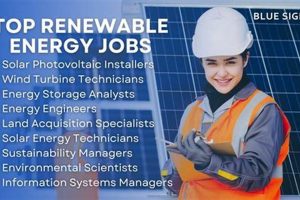
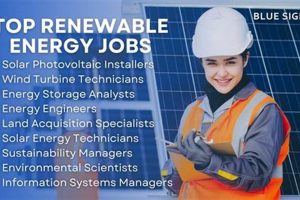
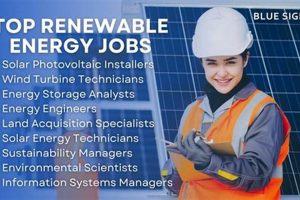
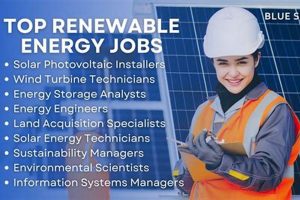
Employment opportunities within Sweden’s sustainable power sector encompass diverse specializations, from research and development to installation and maintenance of infrastructure related to sources like wind, solar, hydro, and bioenergy. For example, engineers might design more efficient wind turbine blades, while technicians ensure the smooth operation of existing hydropower plants. The nation’s commitment to a fossil-free future creates a dynamic and evolving job market in this area.
This career path contributes significantly to Sweden’s ambitious climate goals and its transition to a greener economy. Historically, the country has been a leader in hydroelectric power, and this foundation has provided a strong base for expansion into other renewable energy sources. These positions offer not only individual career growth but also contribute to national energy independence and a reduction in greenhouse gas emissions, fostering both economic and environmental sustainability.
Further exploration will examine specific sectors within this burgeoning field, highlight key employers, discuss required skill sets and educational pathways, and analyze future prospects for sustainable power employment within Sweden. Additionally, challenges and opportunities related to this dynamic industry will be addressed.
Successfully entering the Swedish renewable energy sector requires strategic planning and a thorough understanding of the market. The following tips provide guidance for individuals seeking opportunities in this dynamic field.
Tip 1: Network Strategically: Attending industry conferences, joining professional organizations related to renewable energy, and connecting with individuals already working in the sector can open doors to unadvertised opportunities and provide valuable insights.
Tip 2: Develop Specialized Skills: Employers seek candidates with expertise in specific areas like wind turbine maintenance, solar panel installation, or bioenergy systems engineering. Targeted training and certifications can enhance competitiveness.
Tip 3: Research Key Employers: Identify companies actively involved in Swedish renewable energy projects. Understanding their specific focus areas, company culture, and hiring practices allows for more effective job applications.
Tip 4: Demonstrate Language Proficiency: While English proficiency is often sufficient in technical roles, fluency in Swedish can be advantageous, particularly for positions involving community engagement or government relations.
Tip 5: Highlight Relevant Experience: Even seemingly unrelated experience can be valuable. Emphasize transferable skills such as project management, data analysis, or problem-solving abilities developed in other sectors.
Tip 6: Stay Updated on Policy Developments: Sweden’s energy policies and incentives are constantly evolving. Staying informed about these changes provides a competitive edge and allows individuals to align their career goals with national priorities.
By following these guidelines, individuals can effectively position themselves for success in the competitive but rewarding field of renewable energy in Sweden.
These strategies, combined with a genuine commitment to sustainability, can empower individuals to contribute to Sweden’s green energy future while pursuing fulfilling career paths. The following section will conclude with a summary of key opportunities and challenges within this vital sector.
1. Engineering

Engineering disciplines play a crucial role in Sweden’s transition to renewable energy sources. Electrical engineers design and implement grid integration strategies for wind and solar farms, ensuring efficient power distribution. Mechanical engineers contribute to the development and optimization of wind turbine technology, enhancing energy capture efficiency and durability. Civil engineers oversee the construction of hydropower dams and other renewable energy infrastructure projects, ensuring structural integrity and environmental compliance. This interdisciplinary approach is essential for maximizing the potential of renewable resources and integrating them seamlessly into the existing energy system. For example, specialized engineering roles are needed to design floating offshore wind farms, adapting to the specific challenges of the marine environment and maximizing energy yield in deeper waters. This innovative approach requires expertise in structural engineering, hydrodynamics, and electrical power systems, highlighting the complex interplay of engineering disciplines within the renewable energy sector.
The practical significance of engineering expertise within the renewable energy sector extends beyond design and construction. Engineers contribute to ongoing maintenance and optimization of renewable energy systems, ensuring long-term performance and cost-effectiveness. They also play a vital role in research and development, exploring new technologies and materials to improve efficiency and reduce the environmental impact of renewable energy generation. For example, advancements in materials science and engineering have led to the development of more durable and efficient solar panels, increasing their lifespan and reducing the need for replacements. This ongoing innovation is crucial for achieving Sweden’s ambitious climate targets and maintaining its position as a leader in sustainable energy.
The demand for qualified engineers within Sweden’s renewable energy sector continues to grow, driven by increasing investments in renewable energy projects and the ongoing need for innovation and optimization. This demand presents both opportunities and challenges. While the availability of skilled engineers is essential for the continued growth of the sector, educational institutions and training programs must adapt to provide the specialized knowledge and skills required for these complex roles. Addressing this skills gap is crucial for ensuring the long-term sustainability of Sweden’s renewable energy transition. The continued success of this sector hinges on attracting and retaining qualified engineers capable of driving innovation and ensuring the efficient and reliable operation of renewable energy systems.
2. Installation

Installation constitutes a critical component within Sweden’s renewable energy job market. Successful integration of renewable energy technologies relies heavily on skilled professionals capable of deploying and connecting these systems effectively. This encompasses diverse areas, including the installation of wind turbines, solar panels, geothermal heat pumps, and bioenergy infrastructure. The quality of installation directly impacts the long-term performance, efficiency, and safety of renewable energy systems. For example, improper installation of solar panels can lead to reduced energy output and potential safety hazards. Conversely, precise installation, adhering to best practices and manufacturer guidelines, maximizes energy yield and ensures the longevity of the system. The increasing demand for renewable energy installations across Sweden generates numerous employment opportunities for skilled technicians and engineers specializing in this field.
The practical significance of skilled installation within the renewable energy sector extends beyond technical proficiency. Installation teams often interact with landowners, community members, and local authorities. Effective communication and collaboration are essential for ensuring smooth project execution and addressing potential concerns. Moreover, adherence to strict safety protocols is paramount during installation processes, minimizing risks to both installers and the surrounding environment. For instance, specialized training is required for working at heights during wind turbine installation or handling electrical components during solar panel deployment. This emphasis on safety underscores the professional and responsible approach necessary within this crucial aspect of renewable energy implementation.
The continued growth of Sweden’s renewable energy sector presents both opportunities and challenges within the installation field. The increasing complexity of renewable energy systems necessitates specialized training and ongoing professional development for installation personnel. Addressing this skills gap is vital for ensuring the quality and efficiency of installations, ultimately maximizing the contribution of renewable energy to Sweden’s sustainable future. Furthermore, streamlining permitting processes and fostering collaboration between stakeholders can facilitate more efficient and timely installations, further accelerating the transition to a cleaner energy landscape. The future of renewable energy installation in Sweden relies on a skilled and adaptable workforce, coupled with supportive policies and streamlined procedures.
3. Maintenance
Sustaining the long-term viability and optimal performance of renewable energy infrastructure necessitates robust maintenance strategies. Within the Swedish renewable energy sector, maintenance plays a vital role in ensuring the continued contribution of these technologies to national energy goals. Effective maintenance practices minimize downtime, maximize energy production, and extend the operational lifespan of renewable energy assets. This sector offers diverse employment opportunities for skilled technicians and engineers specializing in the upkeep and optimization of various renewable energy technologies.
- Preventive Maintenance
Regular inspections and scheduled maintenance activities, such as lubricating moving parts, replacing worn components, and calibrating sensors, prevent potential failures and optimize performance. For example, routine inspections of wind turbine blades can identify early signs of damage, allowing for timely repairs and preventing more extensive and costly repairs down the line. Preventive maintenance contributes significantly to the reliability and longevity of renewable energy systems, reducing operational costs and maximizing energy yield.
- Corrective Maintenance
Addressing unexpected failures or malfunctions requires prompt and effective corrective maintenance. This involves diagnosing the issue, repairing or replacing damaged components, and restoring the system to full functionality. For instance, a lightning strike damaging a wind turbine’s control system necessitates immediate corrective maintenance to minimize downtime and prevent further damage. Skilled technicians and engineers specializing in corrective maintenance are essential for ensuring the continuous operation of renewable energy infrastructure.
- Condition-Based Maintenance
Utilizing data analysis and sensor technology to monitor the condition of equipment allows for maintenance actions based on real-time performance data. This approach optimizes maintenance schedules, reduces unnecessary interventions, and improves overall efficiency. For example, monitoring vibration levels in wind turbine gearboxes can predict potential failures, enabling proactive maintenance and preventing catastrophic breakdowns. Condition-based maintenance contributes to cost savings and improved reliability.
- Remote Monitoring and Diagnostics
Advancements in remote monitoring and diagnostics enable real-time assessment of renewable energy systems from centralized control centers. This allows for proactive identification of potential issues, remote troubleshooting, and optimized maintenance scheduling. For example, analyzing performance data from solar farms allows operators to identify underperforming panels and dispatch maintenance teams to address specific issues promptly. Remote monitoring enhances operational efficiency and minimizes downtime.
These interconnected facets of maintenance are essential for ensuring the reliable and efficient operation of Sweden’s growing renewable energy infrastructure. The increasing complexity of these systems requires a skilled and adaptable workforce capable of implementing and managing diverse maintenance strategies. Continued investment in training and development for maintenance personnel is crucial for maximizing the long-term contribution of renewable energy to Sweden’s sustainable energy future. The ongoing demand for skilled maintenance professionals reflects the vital role this sector plays in supporting the growth and sustainability of the nation’s renewable energy landscape.
4. Research
Research forms a cornerstone of Sweden’s commitment to advancing renewable energy technologies and achieving its ambitious climate goals. Numerous research institutions and universities across the country actively engage in exploring innovative solutions for sustainable energy generation, storage, and integration. This focus on research translates directly into a robust job market for scientists, engineers, and technicians specializing in renewable energy. For example, researchers at Chalmers University of Technology are developing advanced materials for more efficient solar cells, while Uppsala University scientists are exploring the potential of bioenergy from algae. These research initiatives not only contribute to scientific advancement but also create specialized employment opportunities within the renewable energy sector.
The practical significance of this research extends beyond academic pursuits. Findings from these research initiatives directly inform the development and implementation of new renewable energy technologies, influencing policy decisions and shaping the future of the energy sector. For instance, research on wave energy converters conducted by the Royal Institute of Technology (KTH) has led to the development of pilot projects testing this technology in real-world conditions. This connection between research and practical application is crucial for driving innovation and ensuring the continued growth of Sweden’s renewable energy industry. Furthermore, research collaborations between universities and private companies foster knowledge transfer and accelerate the commercialization of new technologies, creating further job opportunities within the private sector.
The ongoing investment in research and development within Sweden’s renewable energy sector not only contributes to technological advancements but also fosters a highly skilled workforce. This emphasis on research ensures that Sweden remains at the forefront of innovation in sustainable energy, driving economic growth and contributing to global efforts to mitigate climate change. However, challenges remain in translating research findings into commercially viable solutions and ensuring sufficient funding for long-term research projects. Addressing these challenges is crucial for maximizing the impact of research on the growth and sustainability of Sweden’s renewable energy sector. Continued support for research and development is essential for maintaining Sweden’s leadership position in renewable energy and achieving its ambitious climate neutrality targets.
5. Development
Development encompasses a crucial range of activities within the Swedish renewable energy sector, spanning project planning and implementation to technological innovation and policy formulation. Successful deployment of renewable energy technologies relies heavily on coordinated development efforts across various domains. This includes securing land permits for wind farms, developing grid infrastructure to accommodate increased renewable energy generation, and establishing financial incentives to encourage private investment in sustainable energy projects. For example, the development of offshore wind farms requires careful consideration of environmental impacts, navigation routes, and grid connection feasibility. Each stage of development, from initial feasibility studies to final commissioning, generates numerous employment opportunities across various skill sets.
The practical significance of development within the renewable energy sector extends beyond individual projects. Strategic development initiatives shape the overall trajectory of the industry, influencing policy decisions, fostering innovation, and creating a supportive environment for sustainable energy growth. For instance, government policies promoting energy storage solutions create market opportunities for companies developing battery technologies and grid management systems. This interplay between policy development and technological innovation drives job creation and accelerates the transition to a cleaner energy system. Furthermore, international collaborations and knowledge sharing contribute to the development of best practices and accelerate the adoption of renewable energy technologies globally.
The continued expansion of Sweden’s renewable energy sector hinges on effective development strategies. Addressing challenges related to permitting processes, grid infrastructure development, and public acceptance is crucial for unlocking the full potential of renewable energy sources. Furthermore, fostering a skilled workforce capable of managing complex development projects and navigating evolving regulatory landscapes is essential for sustained growth. The future of renewable energy in Sweden depends on integrated development approaches that consider technical, economic, environmental, and social factors, ensuring a sustainable and equitable energy transition.
6. Consulting
Consulting services play a crucial role in Sweden’s renewable energy sector, providing specialized expertise and guidance to various stakeholders. Consulting firms offer a range of services, from technical due diligence and feasibility studies to policy analysis and market research. This expertise is essential for navigating the complexities of the renewable energy landscape and ensuring successful project development and implementation. The demand for consulting services continues to grow in response to increasing investments in renewable energy and the evolving regulatory environment.
- Technical Due Diligence
Consulting firms conduct thorough technical assessments of renewable energy projects, evaluating their feasibility, potential risks, and compliance with regulatory requirements. This includes analyzing energy yield projections, assessing grid connection feasibility, and evaluating the technical specifications of proposed technologies. For example, a consulting firm might assess the suitability of a specific location for a wind farm, considering factors like wind resource availability, environmental impacts, and potential grid connection challenges. Thorough due diligence minimizes risks and ensures informed investment decisions.
- Policy Analysis and Advocacy
Consultants provide expert analysis of energy policies and regulations, advising clients on the potential impacts of policy changes and advocating for favorable regulatory frameworks. This includes assessing the effectiveness of government incentives, analyzing the implications of carbon pricing mechanisms, and providing strategic guidance on navigating the regulatory landscape. For instance, a consulting firm might advise a renewable energy developer on the potential benefits of participating in a government-sponsored renewable energy auction. Policy expertise ensures compliance and maximizes opportunities for project success.
- Market Research and Strategy
Consulting firms conduct market research to identify emerging trends, assess market opportunities, and develop strategic recommendations for clients. This includes analyzing market demand for renewable energy, evaluating competitor strategies, and identifying potential market entry barriers. For example, a consulting firm might analyze the growth potential of the electric vehicle charging infrastructure market in Sweden, providing insights for companies seeking to invest in this emerging sector. Market research informs strategic decision-making and maximizes business opportunities.
- Project Management and Implementation Support
Consultants offer project management services and implementation support, assisting clients with various aspects of renewable energy project development, from securing permits and financing to overseeing construction and commissioning. This includes developing project timelines, managing budgets, and coordinating with various stakeholders. For example, a consulting firm might manage the permitting process for a new solar farm, ensuring compliance with environmental regulations and coordinating with local authorities. Effective project management ensures efficient and timely project completion.
These diverse consulting services are integral to the successful development and implementation of renewable energy projects in Sweden. The expertise provided by consulting firms allows stakeholders to navigate the complex technical, regulatory, and financial aspects of the industry, maximizing the contribution of renewable energy to Sweden’s sustainable future. As the renewable energy sector continues to evolve, the demand for specialized consulting services is expected to grow, creating further employment opportunities for professionals with expertise in policy analysis, market research, technical due diligence, and project management within the dynamic landscape of Sweden’s renewable energy industry. The increasing complexity of renewable energy projects and the evolving regulatory environment underscore the essential role of consulting in facilitating a smooth and successful transition to a more sustainable energy future.
7. Policy

Government policies play a pivotal role in shaping the landscape of renewable energy jobs in Sweden. Supportive policies and regulations create a favorable environment for investment, innovation, and job creation within the sector. Conversely, policy uncertainty or a lack of clear direction can hinder growth and discourage investment. Understanding the interplay between policy and employment within the renewable energy sector is crucial for both policymakers and job seekers.
- Financial Incentives
Government subsidies, tax breaks, and other financial incentives can stimulate investment in renewable energy projects, driving demand for skilled labor across various segments of the industry. For example, feed-in tariffs, which guarantee a fixed price for renewable energy fed into the grid, have proven effective in incentivizing the development of wind and solar power projects. These incentives create job opportunities in areas such as project development, installation, maintenance, and manufacturing. Furthermore, government-backed green bonds can provide access to affordable financing for renewable energy projects, further accelerating growth and job creation within the sector.
- Renewable Portfolio Standards (RPS)
RPS mechanisms mandate a certain percentage of electricity generation from renewable sources, creating a stable demand for renewable energy and driving investment in new projects. These standards provide long-term market certainty, encouraging private sector involvement and fostering job growth across the renewable energy supply chain. For instance, a policy requiring electricity retailers to source a specific percentage of their electricity from renewable sources creates a predictable market for renewable energy generators, stimulating job creation in project development, construction, operations, and maintenance.
- Permitting and Approval Processes
Streamlined and efficient permitting processes are essential for facilitating timely project development and minimizing administrative burdens. Complex or lengthy approval procedures can delay projects, increase costs, and discourage investment, potentially impacting job creation. Conversely, clear and predictable permitting processes can accelerate project timelines, reduce risks, and create a more attractive investment environment, fostering job growth within the renewable energy sector. For instance, establishing designated permitting agencies for renewable energy projects can streamline approvals and minimize bureaucratic delays, promoting faster project development and job creation.
- Research and Development Funding
Government investments in research and development play a crucial role in driving innovation and creating new technologies within the renewable energy sector. Funding for research initiatives at universities and research institutions can lead to breakthroughs in areas such as energy storage, smart grids, and advanced materials, creating new job opportunities for scientists, engineers, and technicians. Furthermore, government support for pilot projects and demonstration facilities can accelerate the commercialization of new technologies, creating further job growth within the private sector. For example, funding research on advanced battery technologies can lead to breakthroughs in energy storage, creating new job opportunities in research, development, manufacturing, and deployment of battery storage systems.
These policy instruments interact in complex ways to influence the growth and development of the renewable energy sector in Sweden. A comprehensive and well-coordinated policy approach is essential for maximizing the positive impact on job creation, driving innovation, and achieving national climate targets. Policymakers must consider the long-term implications of policy decisions, ensuring a stable and predictable environment for investors, businesses, and job seekers within the dynamic renewable energy landscape. The effectiveness of these policies depends on consistent implementation, regular evaluation, and adaptation to the evolving needs of the renewable energy sector, ensuring continued growth and job creation within this vital industry.
Frequently Asked Questions about Renewable Energy Jobs in Sweden
This section addresses common inquiries regarding employment opportunities within Sweden’s renewable energy sector.
Question 1: What educational background is typically required for renewable energy jobs?
Relevant educational backgrounds range from vocational training certificates in specific technical areas, such as solar panel installation or wind turbine maintenance, to advanced degrees in engineering, environmental science, or related fields. Specific requirements vary depending on the role and employer.
Question 2: Are there entry-level positions available in this sector?
Yes, entry-level positions exist, particularly within installation and maintenance roles. Many companies offer apprenticeships and trainee programs, providing valuable on-the-job training and opportunities for career advancement. Internships can also provide valuable experience and networking opportunities.
Question 3: What are the typical salary expectations for renewable energy jobs in Sweden?
Salaries vary depending on factors such as education, experience, and job location. Engineering roles typically command higher salaries compared to entry-level technical positions. Sweden’s strong labor market and emphasis on fair wages generally translate to competitive salaries within the renewable energy sector.
Question 4: What are the primary growth areas within Sweden’s renewable energy job market?
Significant growth is anticipated in areas such as offshore wind energy, energy storage solutions, and smart grid technologies. The increasing demand for sustainable transportation is also driving job creation in areas such as electric vehicle charging infrastructure development and battery technology.
Question 5: What are some of the challenges faced by the renewable energy sector in Sweden?
Challenges include grid capacity limitations, permitting complexities, and public acceptance of large-scale renewable energy projects. Addressing these challenges requires collaborative efforts between government, industry, and research institutions. Additionally, ensuring a skilled workforce to meet the growing demand for specialized expertise remains a key priority.
Question 6: How does Sweden’s renewable energy policy landscape impact job creation?
Government policies, such as financial incentives, renewable portfolio standards, and streamlined permitting processes, play a crucial role in shaping the job market. Supportive policies can stimulate investment, drive innovation, and create a stable demand for renewable energy, fostering long-term job growth within the sector.
Understanding these key aspects of the renewable energy job market in Sweden provides a foundation for informed career decisions and effective policy development. Continued growth in this sector offers promising career paths for individuals committed to sustainability and innovation.
The following section delves further into specific career paths within the Swedish renewable energy landscape, providing detailed information on required skills, educational pathways, and job outlook for each area.
Renewable Energy Jobs in Sweden
Exploration of employment opportunities within Sweden’s renewable energy sector reveals a dynamic and evolving landscape. From engineering and installation to research and policy, diverse career paths contribute to the nation’s transition toward a sustainable energy future. Skilled professionals are essential for developing, implementing, and maintaining technologies harnessing wind, solar, hydro, and bioenergy resources. Sweden’s commitment to ambitious climate goals, coupled with ongoing technological advancements, fuels demand for expertise across the renewable energy spectrum. Challenges remain, including grid infrastructure development and public acceptance of large-scale projects, but the overall outlook for renewable energy employment remains positive.
Continued growth in Sweden’s renewable energy sector presents significant opportunities for both individual career advancement and national economic development. Strategic investments in education, research, and infrastructure are crucial for realizing the full potential of this vital industry. The transition to a sustainable energy system requires a skilled and adaptable workforce, along with supportive policies and ongoing innovation. Sweden’s commitment to a fossil-free future positions the nation as a global leader in renewable energy, creating a robust and promising job market for years to come.