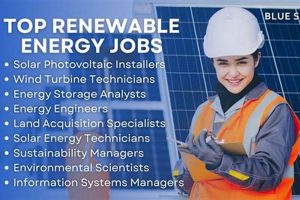
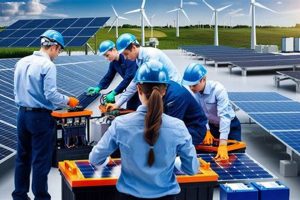
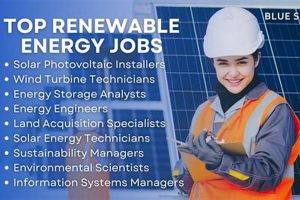
Positions within this sector encompass a wide range of skills and specializations, from manufacturing and installation to project management and research. Examples include technicians who install solar panels, engineers who design wind turbines, and logistics experts who manage the transport of biofuels. The interconnected nature of these roles creates a complex network that delivers sustainable power solutions.
These career paths offer significant economic opportunities while contributing to environmental sustainability. The growing demand for clean energy sources translates into increased employment opportunities across diverse skill levels and geographical locations. Historically, fossil fuels dominated the energy landscape. However, the shift towards sustainable practices has created a new and rapidly expanding job market with long-term potential.
Further exploration will delve into specific career paths within this dynamic field, highlighting required skills, educational pathways, and projected growth areas. An examination of current market trends and policy influences will provide a comprehensive overview of this crucial sector.
Successfully pursuing a career within the sustainable energy sector requires strategic planning and a thorough understanding of the evolving landscape. The following tips offer valuable insights for individuals seeking opportunities in this dynamic field.
Tip 1: Develop Specialized Skills: Focus on acquiring in-demand technical skills relevant to specific areas within the industry, such as solar photovoltaic installation, wind turbine maintenance, or energy storage technologies. Certification programs and specialized training can enhance marketability.
Tip 2: Network Strategically: Engage with industry professionals through conferences, online forums, and professional organizations. Building relationships with individuals working in the field provides valuable insights and potential career opportunities.
Tip 3: Research Industry Trends: Stay informed about emerging technologies, policy changes, and market demands. Understanding the direction of the industry enables proactive career planning and skill development.
Tip 4: Consider Geographic Location: Opportunities within the sustainable energy sector vary geographically. Researching regional growth areas and industry clusters can inform job search strategies.
Tip 5: Gain Relevant Experience: Internships, volunteer work, and entry-level positions offer valuable practical experience and enhance career prospects. Even seemingly unrelated roles can provide transferable skills applicable to the industry.
Tip 6: Highlight Transferable Skills: Individuals with experience in fields like manufacturing, logistics, or engineering can leverage their existing skills within the sustainable energy sector. Emphasize transferable skills during the application process.
Tip 7: Embrace Lifelong Learning: The sustainable energy industry is constantly evolving. A commitment to continuous learning and professional development is essential for long-term career success.
By implementing these strategies, individuals can effectively position themselves for success within the rapidly expanding sustainable energy job market. Careful planning and a proactive approach will maximize career opportunities and contribute to a more sustainable future.
The future of energy relies on a skilled workforce. The insights presented here provide a foundational understanding of how individuals can contribute to this vital sector and build successful, impactful careers.
1. Manufacturing

Manufacturing forms a cornerstone of the renewable energy supply chain, encompassing the production of essential components required for various clean energy technologies. The scale and complexity of manufacturing operations directly impact the availability and cost-effectiveness of renewable energy solutions, playing a crucial role in the sector’s overall growth and success.
- Component Production:
This facet encompasses the fabrication of core components for renewable energy systems, such as solar photovoltaic cells, wind turbine blades, and geothermal heat pumps. Specialized factories utilize advanced materials and processes to produce these components at scale, ensuring consistent quality and performance. For instance, the production of silicon wafers for solar panels involves intricate steps like crystal growth, slicing, and doping, requiring specialized equipment and expertise.
- Raw Material Sourcing:
Manufacturing within the renewable energy sector relies on a sustainable and reliable supply of raw materials. This includes sourcing materials like silicon for solar panels, rare earth minerals for wind turbine magnets, and steel for supporting structures. Ethical sourcing and responsible mining practices are crucial to minimize environmental impact and ensure long-term supply chain stability. For example, companies are increasingly exploring recycled materials and alternative sources to reduce reliance on newly mined resources.
- Quality Control and Testing:
Stringent quality control measures are essential throughout the manufacturing process to guarantee the performance and longevity of renewable energy components. Rigorous testing procedures, including performance evaluations and durability assessments, ensure that components meet industry standards and regulatory requirements. This emphasis on quality assurance is critical for maximizing the efficiency and lifespan of renewable energy systems, ultimately contributing to their cost-effectiveness.
- Innovation and Technological Advancement:
Manufacturing plays a vital role in driving innovation within the renewable energy sector. Continuous research and development efforts lead to improved manufacturing processes, new materials, and more efficient designs. These advancements contribute to lower production costs, increased energy output, and enhanced component durability. For example, the development of more efficient solar cell technologies and lighter-weight wind turbine blades contributes to the overall competitiveness of renewable energy sources.
The advancements and efficiencies achieved in manufacturing directly influence the accessibility and affordability of renewable energy technologies, shaping the sector’s continued growth and contribution to a sustainable energy future. A robust and innovative manufacturing sector is essential for meeting the increasing global demand for clean energy solutions.
2. Installation

Installation represents a critical link within the renewable energy supply chain, bridging the gap between manufactured components and operational clean energy systems. The effective deployment of technologies like solar panels, wind turbines, and geothermal systems hinges on skilled installation professionals, ensuring optimal performance and long-term viability. Proper installation directly impacts energy output, system longevity, and overall return on investment. For example, incorrect installation of solar panels can significantly reduce energy generation, while faulty wiring in a wind turbine can lead to premature failures and costly repairs.
The installation process encompasses a range of specialized tasks, tailored to the specific technology being deployed. Solar panel installation involves securing panels to rooftops or mounting structures, connecting wiring, and integrating systems with existing electrical infrastructure. Wind turbine installation requires assembling massive towers and blades, often in challenging terrain or offshore environments. Geothermal installations necessitate drilling deep wells and connecting piping systems to harness underground heat. Each technology demands specialized skills and training, creating diverse career pathways within the installation segment of the renewable energy supply chain. The growing demand for renewable energy installations translates directly into increased employment opportunities for skilled professionals.
Furthermore, the complexity of installation processes necessitates adherence to stringent safety protocols and regulatory standards. Installers must possess a thorough understanding of electrical safety, working at heights, and handling specialized equipment. Compliance with building codes and permitting requirements is crucial for ensuring the safety and legality of renewable energy installations. The quality of installation work directly influences the long-term reliability and safety of clean energy systems. A well-trained and certified installation workforce is essential for maintaining public trust and ensuring the sustainable growth of the renewable energy sector. Therefore, the ongoing development of training programs and certification standards is crucial for maintaining a skilled workforce capable of meeting the evolving demands of the industry.
3. Maintenance

Maintenance plays a crucial role in maximizing the lifespan and optimizing the performance of renewable energy systems. This aspect of the renewable energy supply chain encompasses a range of activities essential for ensuring the long-term viability and cost-effectiveness of clean energy projects. Effective maintenance strategies minimize downtime, prevent premature failures, and contribute to the overall sustainability of renewable energy investments.
- Preventative Maintenance:
Regular inspections, cleaning, and component replacements are crucial for preventing potential issues and extending the operational life of renewable energy systems. For example, routine cleaning of solar panels maximizes energy capture, while periodic lubrication of wind turbine gearboxes prevents wear and tear. Preventative maintenance schedules are tailored to specific technologies and environmental conditions, optimizing system performance and minimizing the risk of costly breakdowns.
- Corrective Maintenance:
Addressing unexpected failures or malfunctions requires prompt and efficient corrective maintenance. This involves diagnosing the issue, repairing or replacing damaged components, and restoring the system to full functionality. For instance, repairing a damaged solar panel or replacing a faulty inverter in a wind turbine requires specialized technical expertise. Rapid response times for corrective maintenance are essential for minimizing downtime and lost energy production.
- Condition Monitoring:
Utilizing sensors and data analytics to monitor the health and performance of renewable energy systems enables proactive maintenance strategies. Real-time data on factors like temperature, vibration, and power output allows technicians to identify potential problems before they escalate into major failures. For example, monitoring the vibration levels of wind turbine blades can indicate early signs of wear, allowing for timely intervention and preventing catastrophic damage. Condition monitoring optimizes maintenance schedules and reduces unplanned downtime.
- Remote Diagnostics and Troubleshooting:
Advancements in remote monitoring technologies allow technicians to diagnose and troubleshoot problems remotely, reducing response times and minimizing on-site visits. Remote diagnostics can identify issues with solar panel performance, wind turbine gearbox function, or geothermal system efficiency. This technology facilitates rapid problem-solving, reduces maintenance costs, and enhances the overall efficiency of renewable energy operations.
The various facets of maintenance are integral to the long-term success and sustainability of renewable energy projects. These activities ensure optimal performance, minimize downtime, and extend the operational lifespan of clean energy technologies. A skilled maintenance workforce is essential for supporting the continued growth and reliability of the renewable energy sector.
4. Logistics
Logistics plays a crucial role in the renewable energy supply chain, encompassing the intricate network of activities required to transport materials, components, and finished products efficiently and cost-effectively. From sourcing raw materials to delivering finished turbines, effective logistics management is essential for ensuring timely project completion and minimizing delays. The complexity of transporting large and specialized components necessitates careful planning and coordination.
- Transportation Management:
This facet involves coordinating the movement of goods throughout the supply chain, utilizing various modes of transport such as trucks, trains, ships, and even aircraft. Transporting oversized components like wind turbine blades requires specialized trailers and careful route planning to accommodate size and weight restrictions. Efficient transportation management minimizes transit times, reduces costs, and ensures timely delivery of essential components to project sites.
- Warehousing and Inventory Management:
Storing and managing inventory efficiently is crucial for ensuring the availability of components when and where they are needed. Warehouses strategically located near manufacturing facilities or project sites facilitate timely access to materials and equipment. Effective inventory management systems track stock levels, minimize storage costs, and prevent project delays due to component shortages. For example, maintaining an adequate supply of solar panels in a regional warehouse can expedite installation projects and minimize downtime.
- Supply Chain Optimization:
Streamlining the flow of materials and information throughout the supply chain is essential for maximizing efficiency and minimizing costs. This involves optimizing procurement processes, coordinating supplier networks, and implementing efficient tracking systems. For instance, optimizing delivery routes for raw materials to manufacturing facilities can reduce transportation costs and minimize environmental impact. Supply chain optimization contributes to the overall competitiveness of renewable energy projects.
- Reverse Logistics:
Managing the end-of-life disposal and recycling of renewable energy components is becoming increasingly important. Reverse logistics involves retrieving decommissioned components like solar panels and wind turbine blades, transporting them to recycling facilities, and recovering valuable materials. Efficient reverse logistics processes minimize waste, reduce environmental impact, and contribute to the circular economy. For example, recovering rare earth minerals from decommissioned wind turbine magnets reduces reliance on new mining operations.
These interconnected logistical functions form a critical backbone for the renewable energy sector, ensuring the timely and efficient delivery of materials and components throughout the supply chain. Optimizing these processes is essential for reducing costs, minimizing environmental impact, and supporting the continued growth and sustainability of the renewable energy industry. The increasing complexity and scale of renewable energy projects necessitate ongoing innovation and refinement within the logistics sector.
5. Research
Research forms the foundation for innovation and advancement within the renewable energy supply chain. Continuous exploration and development of new technologies, materials, and processes are essential for driving down costs, increasing efficiency, and expanding the accessibility of clean energy solutions. Research activities create specialized job opportunities within the sector and play a crucial role in shaping the future of sustainable energy.
- Materials Science:
Investigating new materials with enhanced properties for use in renewable energy technologies is a key area of research. This includes developing more efficient photovoltaic materials for solar cells, stronger and lighter-weight composites for wind turbine blades, and advanced electrolytes for energy storage systems. Advancements in materials science directly translate into improved performance, durability, and cost-effectiveness of renewable energy components. For example, research into perovskite solar cells holds the potential to significantly increase solar energy conversion efficiency.
- Process Optimization:
Improving manufacturing processes and installation techniques is crucial for reducing costs and increasing the efficiency of renewable energy deployment. Research in this area focuses on optimizing manufacturing techniques for solar panels, streamlining the assembly of wind turbines, and developing more efficient methods for installing geothermal systems. Process optimization contributes to faster deployment times, lower labor costs, and improved overall project economics. For example, research into automated manufacturing processes for solar panels can significantly reduce production time and labor requirements.
- Grid Integration and Energy Storage:
Integrating renewable energy sources seamlessly into existing power grids and developing advanced energy storage solutions are critical research areas. This includes developing smart grid technologies that manage the intermittent nature of solar and wind power, as well as exploring new battery chemistries and storage technologies. Effective grid integration and energy storage are essential for ensuring a reliable and stable supply of clean energy. For example, research into flow batteries offers promising solutions for large-scale energy storage, enabling greater utilization of intermittent renewable sources.
- Environmental Impact Assessment:
Evaluating the environmental impact of renewable energy technologies and developing strategies for minimizing negative effects is a crucial aspect of research. This includes assessing the lifecycle impacts of different renewable energy sources, developing sustainable manufacturing practices, and minimizing land use and habitat disruption. Research in this area ensures the environmentally responsible development and deployment of clean energy technologies. For example, life cycle assessments of solar panel production help identify opportunities to reduce material usage and minimize waste generation.
These diverse research areas create numerous specialized job opportunities within the renewable energy supply chain, ranging from materials scientists and engineers to data analysts and environmental specialists. Continued investment in research and development is essential for driving innovation, reducing costs, and ensuring the long-term sustainability and widespread adoption of clean energy technologies. The interconnectedness of these research areas highlights the complex and multifaceted nature of the renewable energy sector.
6. Management
Effective management is essential for coordinating the complex processes within the renewable energy supply chain. From project planning and execution to resource allocation and risk mitigation, skilled management professionals ensure the successful development, implementation, and operation of clean energy projects. The diverse range of activities within the supply chain necessitates specialized management expertise across various domains.
- Project Management:
Overseeing renewable energy projects from inception to completion requires meticulous planning, execution, and monitoring. Project managers define project scope, develop timelines, allocate resources, and manage budgets. They coordinate diverse teams, including engineers, installers, and logistics professionals, to ensure projects are completed on time and within budget. Effective project management is crucial for mitigating risks, ensuring quality control, and maximizing the overall success of renewable energy installations. For example, a project manager overseeing the construction of a solar farm must coordinate land acquisition, permitting, equipment procurement, and installation activities.
- Operations Management:
Optimizing the day-to-day operations of renewable energy facilities is essential for maximizing energy output and minimizing downtime. Operations managers oversee maintenance schedules, monitor system performance, and implement strategies to improve efficiency. They manage teams of technicians and engineers responsible for the ongoing operation and maintenance of renewable energy assets. Effective operations management ensures the long-term reliability and profitability of clean energy projects. For instance, an operations manager at a wind farm oversees turbine maintenance, monitors weather conditions, and optimizes energy production based on grid demand.
- Supply Chain Management:
Coordinating the flow of materials, components, and information throughout the renewable energy supply chain requires specialized expertise. Supply chain managers optimize procurement processes, manage inventory levels, and coordinate logistics operations. They work closely with manufacturers, suppliers, and transportation providers to ensure timely delivery of materials and equipment. Effective supply chain management minimizes costs, reduces lead times, and ensures the availability of essential components for renewable energy projects. For example, a supply chain manager for a solar panel manufacturer must ensure a reliable supply of silicon wafers, glass, and other raw materials.
- Human Resource Management:
Attracting, developing, and retaining a skilled workforce is crucial for the success of the renewable energy sector. Human resource managers recruit and onboard qualified professionals, develop training programs, and implement performance management systems. They create a positive work environment and foster a culture of safety and innovation. Effective human resource management ensures that the renewable energy industry has access to the talent necessary to support its continued growth. For example, a human resource manager might develop specialized training programs for wind turbine technicians or implement diversity and inclusion initiatives to attract a wider pool of talent.
These diverse management functions are integral to the efficient operation and continued growth of the renewable energy supply chain. Skilled management professionals ensure successful project execution, optimize resource allocation, and foster a dynamic and innovative workforce. The increasing complexity and scale of renewable energy projects necessitate ongoing development and refinement of management practices within the sector.
7. Development
Development within the renewable energy supply chain encompasses the multifaceted activities driving innovation, expanding market reach, and establishing sustainable practices. From technological advancements to policy advocacy and community engagement, development initiatives shape the long-term growth and viability of the renewable energy sector. These efforts create diverse job opportunities and contribute to a more sustainable energy future. Understanding the various facets of development is crucial for navigating the evolving landscape of renewable energy supply chain jobs.
- Technology Development:
This facet focuses on advancing renewable energy technologies through research, design, and testing. Activities include improving the efficiency of solar photovoltaic cells, developing more powerful and durable wind turbines, and exploring innovative energy storage solutions. Technological advancements drive down costs, increase energy output, and expand the range of applications for renewable energy. For example, developing more efficient solar panel technologies can make solar energy more competitive with traditional fossil fuels.
- Project Development:
This involves planning, financing, and implementing renewable energy projects. Activities include site selection, environmental impact assessments, securing permits, and obtaining financing. Project developers navigate regulatory hurdles, manage stakeholder relationships, and oversee the construction and commissioning of new renewable energy facilities. Successful project development expands the deployment of clean energy technologies and creates new job opportunities throughout the supply chain. For instance, developing a large-scale wind farm requires coordinating land acquisition, environmental studies, and community engagement.
- Policy and Market Development:
Creating supportive policies and fostering market growth are essential for the widespread adoption of renewable energy. Policy advocates work to influence government regulations, promote incentives for renewable energy adoption, and create a level playing field for clean energy technologies. Market development activities focus on expanding market access, educating consumers, and promoting the benefits of renewable energy. These efforts create a favorable environment for investment and innovation within the renewable energy sector. For example, advocating for tax credits for solar panel installations can stimulate market demand and create jobs in manufacturing and installation.
- Workforce Development:
Building a skilled workforce is crucial for supporting the growth and sustainability of the renewable energy industry. Workforce development initiatives focus on training and education programs for technicians, engineers, and other professionals involved in the renewable energy supply chain. These programs equip individuals with the skills and knowledge necessary to design, install, operate, and maintain renewable energy systems. A well-trained workforce ensures the efficient deployment and operation of clean energy technologies, contributing to long-term sector growth. For example, developing specialized training programs for wind turbine technicians ensures a skilled workforce capable of maintaining and repairing these complex systems.
These interconnected development activities drive innovation, expand market opportunities, and create a skilled workforce within the renewable energy sector. They represent a crucial component of the renewable energy supply chain, generating diverse job opportunities and contributing to the global transition to a more sustainable energy future. The ongoing evolution of these development areas shapes the dynamic landscape of the renewable energy industry and influences the skills and expertise required for success within the field.
Frequently Asked Questions
This section addresses common inquiries regarding career paths within the renewable energy supply chain.
Question 1: What types of educational backgrounds are suitable for these positions?
Opportunities exist for individuals with diverse educational backgrounds, ranging from vocational training certificates to advanced engineering degrees. Specific requirements vary depending on the role, with some positions requiring specialized certifications in areas like solar installation or wind turbine maintenance.
Question 2: Are these positions geographically concentrated, or are opportunities available across various locations?
While certain regions may experience higher concentrations of activity due to specific resources or policy incentives, the growing demand for renewable energy is creating opportunities across diverse geographic locations, both domestically and internationally.
Question 3: How does the projected growth of this sector compare to other industries?
The renewable energy sector is projected to experience significant growth in the coming years, outpacing many traditional energy industries. This growth trajectory presents substantial long-term career prospects.
Question 4: What are the typical salary expectations for these positions?
Compensation within the renewable energy supply chain varies based on factors such as experience, skill level, and job location. However, many roles offer competitive salaries and benefits packages, reflecting the growing demand for skilled professionals in this field.
Question 5: What are some of the key challenges faced by professionals in this field?
Challenges can include the evolving regulatory landscape, the intermittent nature of some renewable energy sources, and the need for continuous skill development to keep pace with technological advancements. Adaptability and a commitment to lifelong learning are crucial for navigating these challenges.
Question 6: How can individuals interested in this sector gain relevant experience?
Internships, apprenticeships, and entry-level positions offer valuable practical experience. Networking with industry professionals and participating in relevant training programs can also enhance career prospects.
Gaining a thorough understanding of these frequently asked questions provides a foundational knowledge base for individuals exploring career paths in the dynamic and expanding field of renewable energy.
Further sections of this resource will provide a deeper dive into specific roles within the renewable energy supply chain, offering detailed insights into required skills, educational pathways, and future prospects.
Conclusion
Exploration of career opportunities within the renewable energy supply chain reveals a dynamic and evolving landscape. From manufacturing and installation to research and management, the diverse roles within this sector offer significant potential for economic growth and environmental sustainability. The increasing global demand for clean energy solutions underscores the importance of a skilled workforce capable of supporting this transition. Understanding the interconnected nature of these roles, the required skill sets, and the evolving industry trends is crucial for individuals seeking to contribute to this vital sector.
The future of energy relies on continued innovation, strategic investment, and a commitment to sustainable practices. Career paths within the renewable energy supply chain represent not only opportunities for individual professional growth but also a chance to contribute to a more sustainable future for all. The transition to clean energy presents both challenges and opportunities, demanding a proactive and informed approach from individuals, businesses, and policymakers alike. Embracing these challenges and investing in the future of sustainable energy will shape a more resilient and environmentally responsible world.