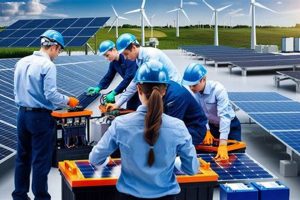
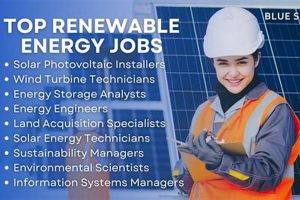
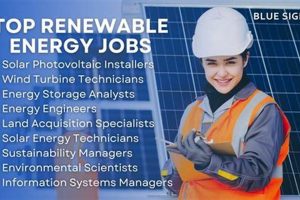
Employment opportunities within Germany’s energy sector encompass a wide range of roles focused on sustainable power generation, including research and development, manufacturing, installation, maintenance, and grid management of technologies like solar, wind, hydroelectric, and biomass energy. For example, a mechanical engineer might design wind turbine components, while an electrician could install solar panels on residential buildings, and a data analyst might optimize energy grid performance based on renewable sources.
This dynamic field contributes significantly to Germany’s decarbonization goals, fostering economic growth and bolstering energy independence. Historically, Germany has been a global leader in embracing sustainable practices, and its commitment to a green economy is creating a robust job market with long-term career prospects. These positions not only provide individual economic benefits but also contribute to a healthier environment and increased national energy security.
The following sections delve further into specific areas within this sector, exploring career paths, educational requirements, regional variations in employment opportunities, and the future outlook for sustainable energy work in Germany.
Tips for Pursuing Sustainable Energy Careers in Germany
Navigating the German renewable energy job market requires strategic planning and understanding of the sector’s nuances. The following tips provide guidance for individuals interested in pursuing careers in this growing field.
Tip 1: Develop Specialized Skills: Focus on acquiring in-demand skills such as engineering expertise in wind turbine technology, solar panel installation, or grid management. Specialized certifications and practical experience significantly enhance employability.
Tip 2: Network Strategically: Attending industry conferences, joining professional associations, and connecting with professionals on online platforms can provide valuable insights and potential job leads.
Tip 3: Research Regional Opportunities: Employment hubs vary across Germany. Researching specific regions with high concentrations of renewable energy activity can increase the chances of finding suitable positions.
Tip 4: Learn German: While some companies operate in English, German language proficiency is often crucial for effective communication and integration within the workplace and broader community.
Tip 5: Understand the Regulatory Landscape: Familiarization with German energy policies, regulations, and incentives is beneficial for understanding market dynamics and career opportunities.
Tip 6: Consider Internships and Apprenticeships: Practical experience gained through internships or apprenticeships offers valuable hands-on learning and can lead to permanent employment opportunities.
Tip 7: Stay Updated on Industry Trends: The renewable energy sector is constantly evolving. Staying informed about technological advancements, policy changes, and market trends is crucial for career advancement.
By following these guidelines, prospective employees can position themselves competitively within Germany’s dynamic renewable energy job market and contribute to a sustainable future.
These tips provide a foundation for entering and thriving in the German renewable energy sector. The following section concludes with a summary of key takeaways and resources for further exploration.
1. Engineering

Engineering disciplines play a crucial role in the advancement and implementation of renewable energy technologies in Germany. From designing efficient wind turbine blades to developing innovative solar cell materials, engineering expertise is essential for maximizing energy generation and optimizing system performance. For example, structural engineers ensure the stability and resilience of offshore wind farms in the North Sea, while electrical engineers design smart grids to integrate renewable energy sources into the national power infrastructure. Chemical engineers contribute to the development of advanced battery storage solutions, addressing the intermittency challenges associated with renewable energy generation. This expertise fuels innovation, driving down costs and improving the reliability of sustainable energy systems.
The demand for specialized engineering skills within the German renewable energy sector continues to grow. Universities and research institutions are adapting their curricula to meet this demand, offering specialized programs in areas such as wind energy engineering, solar photovoltaic technology, and energy storage systems. Practical experience gained through internships and apprenticeships with companies operating in the renewable energy sector provides valuable hands-on training and enhances employability. This focus on practical training ensures a pipeline of skilled engineers ready to contribute to the ongoing expansion of renewable energy infrastructure.
The integration of engineering innovation within the German renewable energy sector contributes significantly to the country’s transition towards a sustainable energy future. Addressing challenges such as grid stability, energy storage, and cost-effectiveness requires continuous advancements in engineering design and implementation. The ongoing development and deployment of innovative engineering solutions are key to achieving long-term environmental and economic sustainability goals within Germany and beyond.
2. Manufacturing

Manufacturing forms a cornerstone of Germany’s renewable energy sector, encompassing the production of components essential for various sustainable technologies. This includes the fabrication of wind turbine blades, solar photovoltaic modules, and components for hydroelectric and biomass energy systems. Domestic manufacturing strengthens supply chains, reduces reliance on imports, and contributes significantly to job creation. For example, factories producing specialized cables for offshore wind farms or assembling solar panels generate numerous skilled labor positions, stimulating regional economic development. This localized production also reduces transportation costs and emissions, aligning with broader sustainability goals.
The growth of renewable energy manufacturing in Germany has spurred innovation and specialization within the sector. Companies are investing in advanced robotics and automation to enhance production efficiency and product quality. Furthermore, research and development efforts focus on developing new materials and manufacturing processes to improve the performance and lifespan of renewable energy components. For instance, advancements in composite materials are leading to lighter and more durable wind turbine blades, enabling increased energy capture. This drive for innovation not only strengthens Germany’s position in the global renewable energy market but also creates opportunities for highly skilled workers in advanced manufacturing roles.
A robust manufacturing base is crucial for the continued expansion of renewable energy capacity in Germany. Ensuring a stable supply of high-quality components is essential for meeting ambitious climate targets and maintaining the competitiveness of the German renewable energy industry. Furthermore, supporting domestic manufacturing fosters economic growth, creates high-quality jobs, and strengthens regional economies. By fostering a strong link between manufacturing and renewable energy development, Germany reinforces its commitment to a sustainable and prosperous future. Continued investment in research, development, and skilled workforce training within the manufacturing sector is vital for maintaining this momentum and achieving long-term energy independence.
3. Installation

Installation constitutes a critical phase in deploying renewable energy systems within Germany, encompassing the physical setup and connection of technologies such as solar panels, wind turbines, and biogas digesters. Skilled technicians and engineers execute these installations, ensuring adherence to stringent safety and performance standards. For example, specialized teams manage the complex logistics of erecting wind turbines in offshore locations, while electricians connect rooftop solar panels to residential power grids. The precision and expertise required during installation directly impact the long-term efficiency and reliability of renewable energy systems. Properly installed systems maximize energy output, minimize maintenance requirements, and ensure operational longevity, contributing significantly to the overall effectiveness of Germany’s renewable energy infrastructure.
The increasing demand for renewable energy installations in Germany has created a surge in employment opportunities for skilled professionals. Specialized training programs and certifications are essential for individuals seeking careers in this field. These programs equip technicians with the knowledge and skills necessary to handle diverse installation tasks, ranging from configuring solar panel arrays to managing the electrical connections of wind turbines. The growth of installation-related jobs not only supports the expansion of renewable energy capacity but also provides valuable employment opportunities and contributes to regional economic development. Furthermore, the demand for skilled installers necessitates ongoing investment in training and education to ensure a qualified workforce capable of meeting the evolving demands of the industry.
The efficiency and reliability of renewable energy installations directly influence the long-term success of Germany’s energy transition. High-quality installations minimize operational downtime, reduce maintenance costs, and maximize the lifespan of renewable energy systems. Furthermore, skilled installation professionals play a crucial role in ensuring the safety and compliance of renewable energy projects, upholding industry best practices and regulatory standards. This focus on quality installation practices contributes to public confidence in renewable energy technologies, fosters a sustainable energy future, and strengthens Germany’s position as a global leader in renewable energy adoption.
4. Maintenance

Maintenance plays a vital role in sustaining the long-term functionality and efficiency of renewable energy infrastructure in Germany. Regular inspections, repairs, and component replacements are essential for maximizing the operational lifespan and minimizing downtime of technologies such as wind turbines, solar farms, and biogas plants. For example, technicians perform routine checks on wind turbine gearboxes and blades to detect wear and tear, ensuring optimal performance and preventing catastrophic failures. Specialized maintenance crews also conduct periodic inspections of solar panels, cleaning modules and replacing faulty components to optimize energy generation. This proactive approach to maintenance ensures the continued reliability and cost-effectiveness of renewable energy systems, contributing significantly to Germany’s energy security and decarbonization goals. Neglecting maintenance can lead to decreased energy output, costly repairs, and premature system failures, undermining the economic viability and environmental benefits of renewable energy investments. Effective maintenance practices are therefore crucial for maximizing the return on investment and ensuring the long-term sustainability of renewable energy projects.
The increasing complexity and scale of renewable energy installations in Germany have created a growing demand for skilled maintenance professionals. Specialized training programs and certifications are essential for individuals seeking careers in this field. These programs provide technicians with the expertise necessary to diagnose and resolve technical issues, perform preventative maintenance procedures, and ensure the safe operation of renewable energy systems. As technology continues to advance, ongoing training and professional development are crucial for maintenance personnel to stay abreast of the latest industry best practices and maintain the highest levels of competency. The demand for skilled maintenance technicians is expected to rise further as Germany expands its renewable energy capacity, offering promising career opportunities for individuals with the right skills and qualifications. This specialized workforce plays a crucial role in supporting the growth and sustainability of the renewable energy sector.
The importance of maintenance within Germany’s renewable energy sector cannot be overstated. Effective maintenance practices are essential for ensuring the reliability, efficiency, and longevity of renewable energy infrastructure. Investing in skilled maintenance personnel, specialized training programs, and advanced diagnostic tools contributes directly to the long-term success of Germany’s energy transition. By prioritizing maintenance, Germany can maximize the benefits of its renewable energy investments, ensure a stable and sustainable energy supply, and contribute significantly to global efforts to mitigate climate change. A well-maintained renewable energy infrastructure is a cornerstone of a secure and sustainable energy future.
5. Research & Development

Research and development (R&D) forms the foundation for innovation and advancement within Germany’s renewable energy sector. Continuous exploration of new technologies, materials, and processes is essential for improving the efficiency, cost-effectiveness, and sustainability of renewable energy solutions. R&D efforts drive the development of next-generation technologies, creating new opportunities for skilled professionals and strengthening Germany’s position as a global leader in renewable energy.
- Materials Science
Developing advanced materials is crucial for enhancing the performance and durability of renewable energy technologies. For example, researchers are exploring new composite materials for lighter and more efficient wind turbine blades, as well as novel materials for higher-efficiency solar cells. These advancements not only improve energy generation but also create new manufacturing and engineering opportunities.
- Energy Storage Solutions
Addressing the intermittent nature of renewable energy sources requires innovative energy storage solutions. R&D efforts focus on developing advanced battery technologies, pumped hydro storage systems, and other storage solutions to ensure a stable and reliable energy supply. These advancements create new job opportunities in areas such as battery manufacturing, system integration, and grid management.
- Grid Integration and Smart Grids
Integrating renewable energy sources into existing power grids requires sophisticated grid management systems. R&D in smart grid technologies focuses on developing advanced control systems, predictive modeling, and data analytics to optimize grid stability and reliability. These advancements create new job opportunities for electrical engineers, software developers, and data scientists.
- Process Optimization and Automation
Improving the efficiency and cost-effectiveness of renewable energy manufacturing processes is critical for wider adoption. R&D efforts focus on optimizing production processes, automating manufacturing steps, and developing innovative recycling and reuse strategies for renewable energy components. These advancements lead to new job opportunities in areas such as robotics, process engineering, and materials recycling.
These interconnected R&D areas contribute significantly to the growth and evolution of the renewable energy job market in Germany. Continued investment in R&D is essential for maintaining Germany’s leadership in renewable energy, driving innovation, creating new job opportunities, and ensuring a sustainable energy future. The ongoing development and deployment of innovative solutions arising from R&D efforts will be crucial for meeting Germany’s ambitious climate targets and solidifying its position as a global model for renewable energy adoption.
6. Policy and Regulation

Government policies and regulations play a crucial role in shaping the renewable energy landscape and influencing employment opportunities within Germany. These policies provide a framework for investment, development, and deployment of renewable energy technologies, directly impacting job creation and market growth. Understanding the regulatory environment is essential for businesses, investors, and job seekers in the renewable energy sector.
- Renewable Energy Targets and Subsidies
Germany has established ambitious renewable energy targets, aiming to significantly increase the share of renewable energy in its overall energy mix. Feed-in tariffs and other subsidy programs incentivize investment in renewable energy projects, creating demand for skilled professionals in areas such as project development, installation, and maintenance. These policies stimulate job growth and drive innovation within the renewable energy sector.
- Grid Integration and Infrastructure Development
Policies promoting grid modernization and expansion are crucial for integrating renewable energy sources into the national power grid. Investments in smart grid technologies, transmission lines, and energy storage facilities create job opportunities for engineers, technicians, and construction workers. These infrastructure projects are essential for supporting the continued growth of renewable energy and ensuring grid stability.
- Permitting and Approval Processes
Streamlined permitting and approval processes are essential for facilitating the timely development of renewable energy projects. Clear regulations and efficient administrative procedures reduce project development timelines and costs, encouraging investment and creating job opportunities. Conversely, complex or lengthy approval processes can hinder project development and negatively impact job creation.
- Environmental Regulations and Sustainability Standards
Environmental regulations and sustainability standards play a crucial role in ensuring the responsible development and deployment of renewable energy technologies. These regulations address issues such as land use, biodiversity protection, and waste management, influencing project design and implementation. Compliance with environmental standards creates demand for environmental consultants, sustainability specialists, and other professionals with expertise in environmental management.
The interplay of these policy and regulatory factors significantly influences the renewable energy job market in Germany. Supportive policies and efficient regulations foster investment, innovation, and job creation within the sector. Conversely, policy uncertainty or regulatory barriers can hinder growth and negatively impact employment opportunities. Understanding and adapting to the evolving policy landscape is crucial for businesses, investors, and job seekers in the German renewable energy sector. Continued policy support and regulatory efficiency are essential for achieving Germany’s renewable energy targets, creating a sustainable energy future, and ensuring long-term economic growth.
7. Sustainability Consulting
Sustainability consulting plays a crucial role in Germany’s renewable energy transition, providing expert guidance to organizations navigating the complex landscape of sustainable energy development. Consultants offer specialized knowledge across various areas, including regulatory compliance, environmental impact assessments, energy efficiency optimization, and sustainable supply chain management. This expertise supports businesses, government agencies, and non-profit organizations in developing and implementing strategies aligned with environmental and economic sustainability goals. For example, a sustainability consultant might advise a manufacturing company on integrating renewable energy sources into its operations, reducing its carbon footprint and enhancing its corporate social responsibility profile. Another consultant might assist a municipality in developing a comprehensive renewable energy plan, optimizing energy use in public buildings and promoting sustainable transportation options. This specialized guidance is essential for navigating the complexities of policy, technology, and market dynamics within the renewable energy sector.
The growing demand for sustainability consulting services within Germany reflects the increasing importance of integrating sustainability principles into all aspects of renewable energy development. Consultants play a key role in facilitating the transition to a low-carbon economy, offering practical solutions and strategic advice to organizations seeking to minimize their environmental impact and maximize the benefits of renewable energy investments. For example, a consultant might conduct a life cycle assessment of a proposed wind farm project, evaluating its environmental impact from manufacturing to decommissioning. This analysis informs decision-making and ensures the project adheres to the highest sustainability standards. Another consultant might advise a company on developing a sustainable procurement strategy for renewable energy components, minimizing environmental risks and promoting ethical sourcing practices. These examples illustrate the practical significance of sustainability consulting in fostering responsible and sustainable renewable energy development.
Integrating sustainability considerations into all phases of renewable energy development is crucial for ensuring the long-term viability and positive impact of these projects. Sustainability consultants provide essential expertise and guidance, enabling organizations to navigate the complexities of the renewable energy landscape and achieve their sustainability goals. Their contributions are instrumental in driving the transition to a cleaner, more sustainable energy future in Germany and beyond. The continued growth and specialization within the sustainability consulting field are indicative of the increasing recognition of the importance of integrating sustainability principles into all aspects of renewable energy development, contributing significantly to Germany’s leadership in the global transition to a sustainable energy future. Addressing the complex challenges of climate change and resource scarcity requires integrated, holistic approaches, and sustainability consulting plays a critical role in guiding this transition.
Frequently Asked Questions about Renewable Energy Careers in Germany
This section addresses common inquiries regarding employment opportunities within Germany’s renewable energy sector.
Question 1: What are the most in-demand skills for renewable energy jobs?
Engineering expertise, technical skills in areas such as installation and maintenance, data analysis capabilities, and project management experience are highly sought after. Proficiency in German is often beneficial.
Question 2: How can international applicants access the German renewable energy job market?
Recognized qualifications, relevant experience, and visa requirements are essential for international applicants. Networking within the industry and researching specific company requirements are also beneficial.
Question 3: Are there entry-level positions available in this sector?
Internships, apprenticeships, and entry-level technical roles offer pathways into the renewable energy sector. These positions provide valuable experience and can lead to further career advancement.
Question 4: What is the average salary range for renewable energy jobs?
Salaries vary based on experience, qualifications, and specific roles. Engineering positions and specialized technical roles generally command higher salaries. Publicly available resources provide detailed salary information for specific occupations.
Question 5: How does the German government support the renewable energy job market?
Government policies, subsidies, and investment in research and development foster growth within the renewable energy sector. These initiatives create a favorable environment for job creation and innovation.
Question 6: What is the long-term career outlook for this sector?
The renewable energy sector offers promising long-term career prospects due to Germany’s commitment to a sustainable energy future. Continued growth and technological advancements within the industry are expected to create ongoing employment opportunities.
These responses offer a general overview. Further research and exploration are encouraged for detailed information tailored to specific career interests.
The following section provides additional resources and contact information for those seeking further guidance on pursuing renewable energy careers in Germany.
Renewable Energy Jobs in Germany
This exploration of employment opportunities within Germany’s renewable energy sector has highlighted the diverse range of roles, from engineering and manufacturing to installation, maintenance, research and development, policy and regulation, and sustainability consulting. The analysis underscored the significance of government policies, technological advancements, and skilled workforce development in driving the growth of this dynamic field. Germany’s commitment to a sustainable energy future creates a robust job market with promising long-term career prospects, contributing not only to individual economic well-being but also to national energy independence and global environmental sustainability.
The transition to a sustainable energy system presents both challenges and opportunities. Continued investment in research and development, supportive policies, and a focus on skills training are essential for navigating the complexities of this evolving landscape. Embracing these opportunities will shape a more sustainable and prosperous future for Germany and serve as a model for global efforts to combat climate change and achieve energy security. The dynamic nature of the renewable energy sector calls for ongoing adaptation and innovation, demanding a skilled workforce prepared to meet the challenges and capitalize on the opportunities that lie ahead. The future of energy depends on the collective commitment to sustainable practices, and Germany’s renewable energy sector stands as a testament to the potential of human ingenuity and collaborative action.