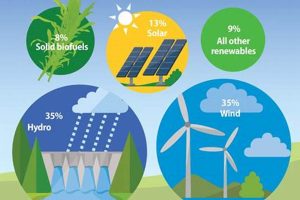
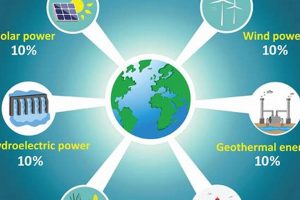
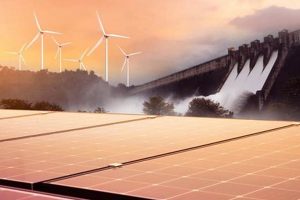
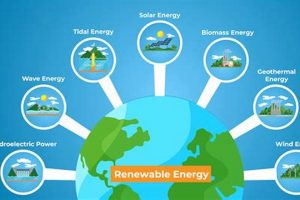
Harnessing power from naturally replenishing resources offers a sustainable alternative to traditional energy generation. These resources, constantly renewed by ongoing natural processes, provide a virtually inexhaustible supply of energy. Examples include solar radiation, wind currents, geothermal heat, flowing water, and biomass.
Utilizing these resources delivers several key advantages. It reduces reliance on finite fossil fuels, mitigating concerns about resource depletion and geopolitical instability. Moreover, it substantially decreases greenhouse gas emissions and other pollutants, contributing to improved air and water quality and mitigating the effects of climate change. Historically, the use of these resources was limited by technological constraints; however, ongoing innovation has made them increasingly efficient and cost-effective.
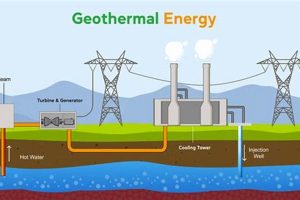
The subsequent sections will explore the various types of these energy resources in detail, examining their specific applications, technological advancements, and potential for widespread adoption in meeting future energy demands. This analysis will cover aspects such as solar photovoltaic technology, wind turbine design, hydroelectric power generation, geothermal energy extraction, and biomass conversion processes.
Practical Considerations for Implementing Renewable Energy
Integrating resources that naturally replenish into existing energy infrastructures requires careful planning and a comprehensive understanding of available options. Success hinges on informed decision-making and strategic investment.
Tip 1: Conduct a Thorough Resource Assessment: Before implementing any renewable energy project, rigorously evaluate the available resources. This includes assessing solar irradiance, wind speeds, water flow rates, or geothermal gradients, depending on the chosen technology. Detailed data ensures accurate project feasibility and optimized system design.
Tip 2: Select Appropriate Technology for the Application: Different renewable energy technologies are suited to different applications and environments. For example, solar photovoltaic systems may be suitable for residential electricity generation, while concentrated solar power plants might be better suited for large-scale electricity production in arid regions. Choose technologies that align with specific energy needs and resource availability.
Tip 3: Consider Energy Storage Solutions: Intermittency is a common challenge with some sources, such as solar and wind. Integrating energy storage solutions, such as batteries or pumped hydro storage, helps to ensure a consistent and reliable energy supply, even when the primary resource is unavailable.
Tip 4: Prioritize Energy Efficiency Measures: Before investing heavily in renewable energy generation, improve energy efficiency. Reducing energy consumption through insulation, efficient appliances, and smart building design minimizes the overall energy demand and makes renewable energy systems more cost-effective.
Tip 5: Evaluate Life-Cycle Costs: Compare the total cost of ownership of different options, including installation, maintenance, and operation. While the initial investment in technologies can be higher than fossil fuel alternatives, the long-term operational costs are often significantly lower due to the absence of fuel costs.
Tip 6: Explore Available Incentives and Policies: Numerous government incentives, tax credits, and policies exist to support the adoption. Research and leverage these programs to reduce the upfront costs and improve the economic viability of renewable energy projects.
Tip 7: Ensure Proper System Maintenance: Regular maintenance is crucial for ensuring the long-term performance and reliability of renewable energy systems. Establish a maintenance schedule and budget for routine inspections, repairs, and component replacements.
Successful integration relies on careful planning, technological expertise, and a commitment to long-term sustainability. Prioritizing resource assessment, appropriate technology selection, energy storage solutions, and energy efficiency measures significantly enhances the effectiveness and economic viability of these implementations.
The following section will delve into the future prospects and challenges associated with expanding the role of renewable resources in the global energy mix.
1. Sustainability

Sustainability forms the cornerstone of integrating resources that naturally replenish into the global energy framework. Its paramount importance stems from the imperative to secure long-term energy availability while mitigating the detrimental environmental effects associated with conventional energy sources. The following facets highlight its critical role in these systems:
- Resource Conservation and Replenishment
Sustainability demands that energy sources are managed to ensure their continued availability for future generations. This involves utilizing technologies and practices that minimize environmental degradation and facilitate the natural replenishment of resources. For example, sustainable forestry practices in biomass energy production prevent deforestation and maintain biodiversity, thus safeguarding the long-term viability of this renewable resource.
- Environmental Preservation
One of the fundamental aspects is its capacity to minimize ecological disruption. Unlike fossil fuels, these systems typically produce minimal greenhouse gas emissions and pollutants. Sustainable energy projects incorporate measures to protect sensitive ecosystems and biodiversity. Wind farm development, for instance, includes thorough environmental impact assessments to avoid disrupting migratory bird patterns or damaging wildlife habitats.
- Socio-Economic Equity
Sustainability extends beyond environmental concerns to encompass societal and economic considerations. It promotes energy access for all segments of society, including remote and underserved communities. Decentralized renewable energy systems, such as solar home systems in rural areas, empower communities, create local jobs, and foster economic development, contributing to a more equitable and sustainable energy landscape.
- Long-Term Economic Viability
While the initial investment in renewable energy infrastructure can be substantial, its sustainability often translates into long-term economic benefits. By reducing reliance on finite and fluctuating fossil fuel markets, sustainable resources provide greater energy security and price stability. Moreover, the reduced environmental and health costs associated with these resources contribute to overall economic sustainability.
The convergence of these elements underscores the pivotal role of sustainability in advancing viable renewable energy systems. By prioritizing resource conservation, environmental protection, socio-economic equity, and long-term economic stability, sustainable practices ensure that these resources effectively meet present energy demands without compromising the ability of future generations to meet their own needs.
2. Resource Availability

The viability of utilizing resources that naturally replenish as a primary energy source is inextricably linked to their geographical distribution and temporal consistency. The concentration of solar irradiance, wind patterns, geothermal gradients, hydropower potential, and biomass productivity across various regions dictates the feasibility and economic practicality of different renewable energy technologies. For instance, regions with abundant sunshine and consistent winds are naturally predisposed to benefit from solar and wind energy, respectively. Conversely, areas lacking these resources must explore alternative options or consider advanced transmission technologies to import energy from resource-rich locations. This dependency on resource availability is fundamental to assessing the potential and limitations of these systems.
The practical significance of understanding this interrelation extends beyond mere technological deployment. Effective energy planning necessitates a comprehensive evaluation of available resources. Investments in infrastructure and technology must align with the specific renewable energy potential of a region. For example, coastal regions with high tidal ranges can explore tidal energy, while volcanic areas can harness geothermal power. The cause-and-effect relationship is clear: abundant resources lead to cost-effective and sustainable energy production, while resource scarcity necessitates alternative strategies. Failure to acknowledge this connection can lead to inefficient investments and underutilized infrastructure, hindering the widespread adoption.
In conclusion, understanding the distribution and reliability of resources that naturally replenish is crucial for successful deployment. This involves conducting detailed resource assessments, selecting appropriate technologies, and developing robust energy infrastructure that aligns with regional resource endowments. Overcoming the challenges associated with resource intermittency and geographical variability is key to unlocking the full potential of these resources and achieving a sustainable energy future.
3. Technological Advancements

Progress in technology is a driving force behind the increased viability and deployment of these resources. Ongoing innovation is addressing challenges related to efficiency, cost-effectiveness, and grid integration, thereby accelerating the transition to a sustainable energy future.
- Improved Materials Science
Advancements in materials science are leading to the development of more efficient and durable components for energy systems. For example, new photovoltaic materials with higher conversion efficiencies are enabling solar panels to generate more electricity from sunlight. Similarly, stronger and lighter materials for wind turbine blades are improving energy capture and reducing maintenance requirements. These material improvements directly enhance the performance and lifespan of systems.
- Grid Integration Technologies
Integrating variable renewable energy sources into existing power grids presents significant challenges. However, advancements in grid integration technologies, such as smart grids and energy storage systems, are mitigating these challenges. Smart grids enable real-time monitoring and control of energy flows, optimizing the integration of distributed sources. Energy storage solutions, such as batteries and pumped hydro, provide a buffer against intermittency and enhance grid stability, facilitating a more reliable energy supply.
- Automation and Control Systems
Automation and advanced control systems are optimizing the operation and maintenance of energy systems. Automated monitoring and diagnostic tools can detect and address potential issues before they escalate, reducing downtime and improving overall system reliability. Furthermore, sophisticated control algorithms can optimize energy output based on real-time conditions, maximizing energy capture and minimizing waste. These technologies contribute to more efficient and cost-effective operation.
- Enhanced Energy Storage
Efficient energy storage is crucial for addressing the intermittency challenges associated with solar and wind power. Advancements in battery technology, thermal storage, and pumped hydro storage are improving energy storage capabilities. Higher energy density batteries, for instance, allow for longer storage durations and greater power output, enhancing the dispatchability of intermittent resources. Improved storage technologies are essential for enabling the widespread adoption of these variable resources.
Collectively, these improvements demonstrate the critical role of technological advancement in making viable. As technology continues to evolve, the economic competitiveness of these energy technologies will further improve, paving the way for a more sustainable and resilient energy future.
4. Economic Viability

Economic viability is a critical determinant in the widespread adoption of resources that naturally replenish. The initial investment costs, operational expenses, and long-term revenue streams associated with technologies must be carefully evaluated to ensure they are competitive with traditional fossil fuel alternatives. This analysis includes considerations of government subsidies, tax incentives, and the fluctuating costs of conventional energy sources.
- Capital Costs and Investment
The initial investment in renewable energy projects often represents a significant barrier to entry. The cost of manufacturing and installing solar panels, wind turbines, or geothermal plants can be substantial. However, declining technology costs and innovative financing models, such as power purchase agreements (PPAs), are making these projects more accessible. Governments and private investors are increasingly providing capital to support the development, recognizing the long-term economic and environmental benefits.
- Operational and Maintenance Expenses
While the operational costs of some renewable energy technologies, such as solar and wind, are relatively low due to minimal fuel requirements, maintenance expenses can still be a significant factor. Regular inspections, repairs, and component replacements are necessary to ensure optimal performance and longevity. However, advancements in remote monitoring and diagnostic tools are helping to reduce maintenance costs and improve system reliability. The long-term economic benefits of reduced fuel costs often outweigh these maintenance expenses.
- Energy Production and Revenue Generation
The amount of energy generated by renewable energy systems and the revenue derived from its sale directly impacts their economic viability. Factors such as resource availability, system efficiency, and market demand for energy all play a crucial role. Technologies that can consistently produce a significant amount of energy, even during off-peak hours, are more likely to be economically successful. Energy storage solutions and grid integration technologies can help to maximize energy production and revenue generation.
- Government Incentives and Policy Support
Government incentives, such as tax credits, subsidies, and feed-in tariffs, are often essential for making renewable energy projects economically competitive. These policies can reduce the upfront costs, increase the revenue potential, and provide a stable investment environment. Supportive government policies can significantly accelerate the deployment and drive down the costs of technologies, making them more accessible to a wider range of consumers and businesses.
Ultimately, the economic viability of a project is determined by a combination of factors, including capital costs, operational expenses, energy production, and government support. As technology costs continue to decline and government policies become more supportive, resources that naturally replenish are becoming increasingly economically attractive. This trend is driving the global transition to a more sustainable and affordable energy future. The confluence of decreasing costs and increasing efficiency, coupled with supportive policies, paints a promising picture for the continued growth and dominance of these valuable resources.
5. Environmental Impact

The integration of resources that naturally replenish is fundamentally driven by the need to mitigate the adverse environmental effects associated with conventional energy production. Assessing the environmental impact of different resources and technologies is crucial for ensuring a sustainable and responsible energy transition.
- Greenhouse Gas Emissions
A primary benefit of most resources that naturally replenish is the reduction of greenhouse gas emissions compared to fossil fuels. Solar, wind, and geothermal energy produce minimal to no emissions during operation. However, the manufacturing, transportation, and installation of these technologies can contribute to some emissions. A comprehensive life-cycle assessment is essential to accurately quantify the net reduction in greenhouse gas emissions.
- Land Use and Habitat Disruption
The deployment of energy systems can require significant land areas, potentially leading to habitat disruption and deforestation. Large-scale solar farms and wind turbine installations can alter landscapes and impact wildlife. Careful site selection, environmental impact assessments, and mitigation strategies are necessary to minimize these effects. For example, offshore wind farms can reduce land use impacts, while distributed solar installations on rooftops can minimize habitat disruption.
- Water Consumption and Quality
Some technologies, such as concentrated solar power (CSP) and geothermal energy, can require substantial water resources for cooling or energy extraction. This can strain water supplies, especially in arid regions. Hydroelectric power can also alter river flow patterns and impact aquatic ecosystems. Implementing water-efficient technologies and sustainable water management practices is crucial for minimizing the environmental footprint of these resources.
- Resource Depletion and Waste Management
Although resources that naturally replenish are inherently sustainable, the production and disposal of the materials used in their technologies can pose environmental challenges. The extraction of raw materials for solar panels, wind turbines, and batteries can lead to resource depletion and pollution. Proper waste management and recycling programs are essential for minimizing the environmental impact of these technologies. Investing in closed-loop systems and circular economy models can help to ensure that these materials are reused and recycled effectively.
Evaluating the environmental impact of various technologies is essential for making informed decisions about energy policy and investment. By prioritizing projects that minimize environmental harm and maximize environmental benefits, societies can accelerate the transition to a sustainable energy future while protecting ecosystems and human health. Balancing energy needs with environmental stewardship is a critical element of responsible energy development.
Frequently Asked Questions About Renewable Energy Sources
The following questions address common inquiries and misconceptions surrounding alternatives to fossil fuels, providing clarity on their nature, benefits, and challenges.
Question 1: What constitutes a “renewable” energy source?
A “renewable” energy source is defined as a resource that is naturally replenished on a human timescale. These resources, such as solar radiation, wind currents, geothermal heat, flowing water, and biomass, are virtually inexhaustible and can be utilized without depleting the Earth’s reserves.
Question 2: Are resources that naturally replenish inherently environmentally benign?
While generally cleaner than fossil fuels, technologies utilizing these sources can still have environmental impacts. Manufacturing processes, land use requirements, and potential effects on wildlife require careful consideration. Comprehensive environmental impact assessments are crucial for minimizing negative consequences.
Question 3: Is energy produced using sources that naturally replenish consistently reliable?
The reliability of some sources, such as solar and wind, can vary depending on weather conditions and time of day. However, advancements in energy storage technologies and grid management systems are improving the consistency and dependability of these sources. Geothermal and biomass, for example, provide more consistent and predictable power generation.
Question 4: What are the primary economic barriers to widespread adoption of alternative energy?
High upfront costs, infrastructure limitations, and the need for supportive government policies often hinder widespread adoption. However, decreasing technology costs, economies of scale, and increasing fossil fuel prices are making alternatives to fossil fuels increasingly competitive.
Question 5: Can reliance on alternatives to fossil fuels truly meet global energy demands?
With continued technological advancements, strategic investments, and supportive policies, alternatives to fossil fuels have the potential to meet a significant portion of global energy demands. Diversifying energy sources and improving energy efficiency are essential components of a sustainable energy future.
Question 6: What role can individuals play in promoting renewable energy?
Individuals can contribute by making conscious energy choices, such as investing in solar panels, supporting companies that prioritize sustainability, and advocating for policies that promote the development and deployment of alternatives to fossil fuels. Collective action is essential for driving the transition to a sustainable energy system.
In summary, resources that naturally replenish offer a pathway to a cleaner, more sustainable energy future, but their successful integration requires careful planning, technological innovation, and a commitment to addressing the associated challenges.
The subsequent section will delve into the future prospects and challenges associated with expanding the role of renewable resources in the global energy mix.
Conclusion
This exploration of renewable energy sources explained has outlined the fundamental characteristics, advantages, and challenges associated with these alternatives to fossil fuels. The analysis encompassed the sustainability, resource availability, technological advancements, economic viability, and environmental impact, providing a comprehensive understanding of the critical aspects involved in their implementation and adoption.
The transition to a sustainable energy future necessitates a concerted effort from policymakers, researchers, industry leaders, and individuals. Continued investment in technological innovation, supportive regulatory frameworks, and informed consumer choices are essential for realizing the full potential of renewable energy sources. The path forward demands a commitment to both environmental stewardship and economic pragmatism, ensuring a future where energy is both clean and accessible for all.