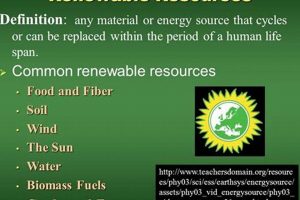
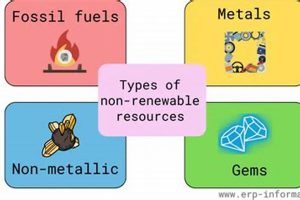
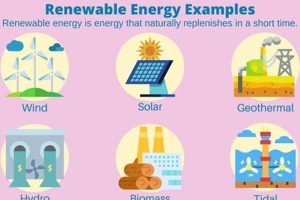
The imperative to transition towards sustainable power generation stems from a growing awareness of the limitations and detrimental effects associated with traditional energy sources. Reliance on finite reserves of fossil fuels, such as coal, oil, and natural gas, presents long-term supply challenges and contributes significantly to environmental degradation. An example includes the depletion of oil reserves, leading to price volatility and geopolitical instability.
Adopting sustainable energy alternatives offers multiple advantages, including reduced greenhouse gas emissions, improved air and water quality, and the creation of new economic opportunities. The detrimental impacts of climate change, driven by carbon emissions from fossil fuels, necessitate a shift towards cleaner energy options. Furthermore, reliance on domestically available sustainable sources enhances energy security and reduces dependence on foreign nations.
The subsequent sections will elaborate on the specific environmental, economic, and social benefits associated with various sustainable power generation methods. Discussion will encompass technologies such as solar, wind, hydro, geothermal, and biomass, examining their potential contributions to a cleaner and more sustainable energy future.
Guidance on Renewable Energy Resource Utilization
The following outlines considerations for integrating sustainable energy sources, offering a framework for informed decision-making and effective implementation.
Tip 1: Conduct a Comprehensive Resource Assessment: Prior to investing in any sustainable energy technology, a thorough evaluation of available resources is essential. This includes analyzing solar irradiance levels, wind speeds, hydro potential, and geothermal gradients specific to the location. Inadequate resource availability can significantly impact the economic viability of the project.
Tip 2: Prioritize Energy Efficiency Measures: Before implementing sustainable energy generation, reducing energy consumption is paramount. Enhancing building insulation, employing energy-efficient appliances, and optimizing industrial processes can minimize the demand for power, thereby decreasing the scale of sustainable energy infrastructure required. An example is upgrading HVAC systems to reduce energy consumption.
Tip 3: Diversify Energy Portfolio: A diversified approach to sustainable energy sources reduces reliance on any single technology and enhances overall system resilience. Combining solar, wind, and hydro power generation, along with energy storage solutions, mitigates the intermittency inherent in some sustainable resources. A varied energy mix ensures more consistent and reliable power supply.
Tip 4: Explore Energy Storage Solutions: Due to the variable nature of some sustainable sources, integrating energy storage technologies is critical. Battery storage, pumped hydro, and thermal energy storage systems can store excess energy generated during peak production periods and release it during periods of low generation. This ensures a more balanced and dependable power supply.
Tip 5: Engage Stakeholders Early and Often: Successful integration of sustainable energy requires collaboration and support from all stakeholders, including local communities, government agencies, and industry partners. Open communication, transparent decision-making, and addressing concerns can foster acceptance and facilitate project implementation. Public awareness campaigns highlighting the benefits of clean energy can generate community support.
Tip 6: Factor in Lifecycle Costs: When evaluating sustainable energy technologies, consider the entire lifecycle cost, including upfront capital expenditure, operation and maintenance expenses, and decommissioning costs. A comprehensive cost analysis provides a more accurate assessment of the economic viability and long-term return on investment.
Key takeaways emphasize the necessity of rigorous assessment, diversification, and stakeholder engagement to maximize the benefits of sustainable energy technologies. These measures contribute to a more secure and environmentally responsible energy future.
The subsequent discussion will address the economic considerations involved in transitioning to renewable energy resources.
1. Environmental Preservation

Environmental preservation stands as a cornerstone rationale underpinning the adoption of sustainable power generation. The intrinsic link between the method of energy production and its impact on ecosystems necessitates a shift away from environmentally damaging practices, solidifying the position of sustainability as a critical objective.
- Reduced Greenhouse Gas Emissions
The primary advantage of renewable energy sources lies in their significantly lower greenhouse gas emissions compared to fossil fuels. Solar, wind, hydro, and geothermal energy produce minimal to no carbon dioxide during operation, mitigating the effects of climate change, such as rising global temperatures and extreme weather events. The absence of combustion processes drastically reduces the release of pollutants, contributing to cleaner air and a more stable climate.
- Minimization of Air and Water Pollution
Combustion-based power generation releases harmful pollutants into the atmosphere, contributing to respiratory problems and acid rain. Similarly, extraction and processing of fossil fuels can contaminate water sources. Renewable energy facilities generally produce far fewer pollutants. For example, solar panels generate electricity without releasing harmful substances, and hydroelectric dams can be managed to minimize disruption to aquatic ecosystems.
- Land Use Optimization and Habitat Protection
While renewable energy infrastructure requires land, careful planning can minimize its environmental impact. For example, wind farms can co-exist with agricultural activities, and solar arrays can be installed on rooftops or brownfield sites. Sustainable development practices prioritize the preservation of natural habitats and biodiversity. Avoiding deforestation for fuel extraction and minimizing habitat fragmentation are key considerations.
- Waste Reduction and Resource Conservation
Unlike nuclear power, which generates radioactive waste, many renewable energy technologies produce minimal waste. Furthermore, sustainable resources rely on naturally replenishing sources, reducing the depletion of finite resources. Promoting energy efficiency and responsible consumption habits further minimizes environmental impact.
The presented facets underscore the pivotal role of sustainable energy in safeguarding ecological integrity. Transitioning to renewable power generation not only addresses pressing environmental challenges but also promotes a healthier and more sustainable future. The preservation of natural resources and the reduction of pollution are integral to the rationale behind embracing these technologies.
2. Climate Change Mitigation

The nexus between climate change mitigation and sustainable energy usage is fundamental. Anthropogenic climate change, driven primarily by greenhouse gas emissions from fossil fuel combustion, necessitates a rapid transition to energy sources that minimize or eliminate these emissions. Sustainable power generation methods, such as solar, wind, hydro, and geothermal, present viable alternatives to carbon-intensive fossil fuels, directly addressing the root cause of global warming.
The utilization of sustainable energy directly reduces greenhouse gas emissions, thereby mitigating the effects of climate change, including rising global temperatures, sea-level rise, and increased frequency of extreme weather events. For instance, replacing a coal-fired power plant with a solar farm of equivalent capacity significantly decreases carbon dioxide emissions, reducing the overall carbon footprint. Furthermore, the implementation of carbon pricing mechanisms and policies that incentivize sustainable energy adoption further amplify the positive impact on climate change mitigation. The European Union’s Emissions Trading System (ETS) serves as a real-world example, incentivizing industries to reduce their emissions by putting a price on carbon.
In summary, the deployment of renewable energy resources constitutes a critical component of climate change mitigation strategies. The transition to these energy sources represents a fundamental shift towards a lower-carbon economy, essential for stabilizing the global climate and ensuring a sustainable future. While challenges remain in scaling up sustainable energy infrastructure and integrating it into existing grids, the imperative for climate change mitigation provides a compelling justification for prioritizing the development and deployment of sustainable power generation technologies.
3. Resource Depletion Avoidance

The issue of resource depletion constitutes a central argument in favor of sustainable energy adoption. Traditional energy sources, such as fossil fuels and uranium, are finite and subject to eventual exhaustion. Dependence on these finite resources poses long-term supply risks and economic vulnerabilities. Sustainable energy sources, on the other hand, are derived from naturally replenishing flows, offering a pathway to resource preservation.
- Fossil Fuel Scarcity
Fossil fuels are non-renewable resources formed over millions of years. Current consumption rates far exceed their natural rate of replenishment, leading to eventual depletion. Peak oil theory suggests that global oil production will reach a maximum point and subsequently decline, impacting energy prices and availability. The ongoing reliance on finite fossil fuels is unsustainable in the long term.
- Geopolitical Implications
Concentration of fossil fuel reserves in specific regions can lead to geopolitical instability and conflicts. Nations dependent on imported fossil fuels are vulnerable to supply disruptions and price fluctuations. Diversifying energy sources with domestically available sustainable alternatives enhances energy security and reduces dependence on foreign nations.
- Nuclear Fuel Limitations
While nuclear power offers low-carbon electricity, it relies on uranium, a finite resource. The availability of uranium resources and the environmental impacts of uranium mining and processing raise concerns about the long-term sustainability of nuclear power. Fast breeder reactors can extend uranium resources, but they involve technical and safety challenges.
- Sustainable Replenishment
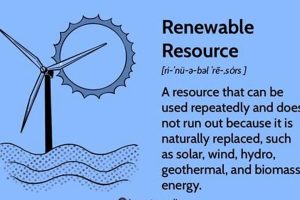
Sustainable energy sources, such as solar, wind, hydro, and geothermal, are derived from naturally replenishing resources. Solar irradiance, wind currents, and geothermal heat are continuously available, ensuring a sustainable energy supply for future generations. Sustainable management of water resources is crucial for hydropower to avoid environmental degradation and ensure long-term sustainability.
The transition to sustainable energy offers a viable pathway to resource depletion avoidance. Sustainable sources, by virtue of their renewable nature, provide a long-term solution to energy needs without depleting finite reserves. The environmental and economic benefits of resource preservation further strengthen the rationale for prioritizing sustainable energy development.
4. Economic Diversification

The development and deployment of sustainable energy technologies stimulate economic diversification across various sectors. Dependence on a narrow range of fossil fuels concentrates economic power and creates vulnerabilities to price fluctuations and supply disruptions. In contrast, sustainable energy fosters new industries, creates diverse employment opportunities, and promotes regional economic development. This diversification mitigates economic risks and enhances resilience in the face of global energy market volatility. Examples of new industries arising from the growth of sustainable energy include manufacturing of solar panels and wind turbines, installation and maintenance services, and development of energy storage solutions.
The transition to sustainable energy necessitates investment in research and development, technological innovation, and infrastructure development. These investments generate economic activity and create skilled jobs in various fields, including engineering, manufacturing, construction, and software development. Furthermore, the decentralized nature of many sustainable energy technologies, such as solar and wind, allows for local energy production, reducing reliance on centralized power grids and fostering regional economic independence. For example, rural communities can generate their own electricity through microgrids powered by sustainable sources, creating local jobs and stimulating economic growth. This distributed generation model contributes to a more resilient and equitable energy system.
In conclusion, economic diversification constitutes a significant benefit of adopting sustainable energy. By fostering new industries, creating diverse employment opportunities, and promoting regional economic independence, sustainable energy contributes to a more resilient and prosperous economy. The shift towards sustainable power generation aligns with the broader goals of economic development and environmental stewardship, ensuring a more sustainable future. The active fostering of policies and investments targeting sustainable energy creates opportunities to transform local, regional, and national economies.
5. Energy Security Enhancement

Energy security enhancement represents a critical driver for transitioning to sustainable power generation. Reliance on diversified, domestically available energy resources mitigates vulnerabilities associated with geopolitical instability and fluctuating global fossil fuel markets. Sustainable energy contributes to a more resilient and self-sufficient energy system.
- Reduced Dependence on Foreign Sources
Sustainable energy sources, such as solar, wind, and geothermal, are often geographically dispersed and locally available. Harnessing these resources reduces reliance on imported fossil fuels, diminishing exposure to price volatility and potential supply disruptions caused by geopolitical events. For example, countries heavily reliant on natural gas imports from politically unstable regions can enhance their energy security by developing domestic sustainable energy capacity. Investing in domestic renewable sources enhances energy independence and reduces reliance on potentially unreliable suppliers.
- Diversification of Energy Supply
A diversified energy portfolio, encompassing various sustainable sources, reduces dependence on any single fuel source. This diversification mitigates the impact of fluctuations in the availability or price of a particular fuel. A country reliant solely on hydropower faces vulnerability during periods of drought, while a diverse portfolio including solar, wind, and geothermal provides greater resilience. The aggregation of various sustainable sources provides a more reliable and adaptable energy supply system.
- Resilience to Infrastructure Vulnerabilities
Centralized energy systems, such as large fossil fuel power plants and transmission networks, are vulnerable to disruptions caused by natural disasters, cyberattacks, or terrorist activities. Distributed sustainable energy systems, with numerous smaller generation facilities located closer to end-users, offer greater resilience to such disruptions. A solar-powered microgrid in a remote community, for instance, can continue to provide electricity even if the main grid is down. Decentralized sustainable energy infrastructure enhances energy security by minimizing the impact of localized disruptions.
- Creation of Domestic Industries and Jobs
The development and deployment of sustainable energy technologies creates domestic industries and jobs, strengthening the economy and reducing reliance on foreign suppliers. Manufacturing solar panels, wind turbines, and other sustainable energy equipment within a country fosters local economic growth and reduces vulnerability to global supply chain disruptions. The creation of a skilled workforce in the sustainable energy sector further enhances energy security by ensuring the availability of local expertise to operate and maintain sustainable energy infrastructure.
The enhancement of energy security through sustainable power generation offers multifaceted benefits, ranging from reduced reliance on foreign sources to increased resilience against infrastructure vulnerabilities. The creation of domestic industries and jobs further strengthens the economic foundation for a secure and sustainable energy future. The transition to sustainable energy thus represents a strategic imperative for nations seeking to enhance their energy security and independence, bolstering domestic economies, and ensuring energy access for the future.
Frequently Asked Questions
The following addresses common inquiries concerning the adoption of sustainable energy resources, providing clarity on their benefits and addressing prevalent misconceptions.
Question 1: What specific environmental advantages accrue from transitioning to renewable energy sources?
Transitioning to sustainable energy resources yields multiple environmental benefits, including reduced greenhouse gas emissions, diminished air and water pollution, and minimized habitat disruption. Sustainable sources, unlike fossil fuels, generate electricity with significantly lower levels of atmospheric pollutants and carbon dioxide, mitigating climate change and its associated impacts.
Question 2: How does reliance on renewable energy impact national energy security?
Utilizing sustainable energy resources strengthens national energy security by diversifying energy supply and reducing dependence on foreign fossil fuel imports. Sustainable sources, often domestically available, mitigate exposure to volatile global markets and geopolitical instability, enhancing resilience and promoting energy independence.
Question 3: What economic benefits arise from investing in renewable energy technologies?
Investment in sustainable energy technologies spurs economic growth by creating new industries, generating employment opportunities, and fostering technological innovation. The development, manufacturing, installation, and maintenance of sustainable energy infrastructure contribute to local economies, promoting economic diversification and long-term sustainability.
Question 4: What are the primary limitations associated with renewable energy sources?
Certain sustainable energy sources, such as solar and wind, exhibit intermittency, meaning their availability fluctuates depending on weather conditions. Energy storage solutions, such as batteries and pumped hydro, are necessary to address this intermittency and ensure a reliable energy supply. Technological advancements and grid modernization efforts are ongoing to further mitigate these limitations.
Question 5: Can renewable energy resources realistically meet global energy demands?
Numerous studies indicate that sustainable energy resources possess the potential to meet a significant portion, if not all, of global energy demands. Realizing this potential requires substantial investment in infrastructure, technological advancements, and supportive policies. Integrated energy systems, combining various sustainable sources and storage solutions, are crucial for achieving this goal.
Question 6: How do renewable energy resources contribute to climate change mitigation compared to other low-carbon alternatives such as nuclear energy?
Sustainable energy resources, particularly solar and wind, offer a direct pathway to climate change mitigation by eliminating greenhouse gas emissions during operation. While nuclear energy also produces low-carbon electricity, it presents challenges related to radioactive waste disposal and nuclear proliferation risks. Sustainable energy sources, with their minimal environmental footprint and potential for decentralized deployment, offer a more sustainable and readily scalable solution for climate change mitigation.
Sustainable energy resources offer compelling solutions for environmental protection, energy security, and economic development. Addressing remaining limitations through technological advancements and strategic policy implementation remains paramount for realizing the full potential of sustainable power generation.
The subsequent discussion will explore the specific technologies employed for renewable energy generation.
The Enduring Imperative
This exploration has illuminated the multi-faceted rationale behind the global movement towards sustainable power generation. Environmental preservation, climate change mitigation, resource depletion avoidance, economic diversification, and enhanced energy security constitute the core pillars supporting this transition. Each factor reinforces the critical need to move away from traditional energy sources burdened by environmental costs and finite supplies.
The information presented underscores a fundamental responsibility to future generations. Continued reliance on unsustainable energy practices jeopardizes ecological stability and long-term economic prosperity. A commitment to deploying renewable energy technologies represents a proactive investment in a more secure, equitable, and environmentally sound future. Therefore, sustained effort is warranted to facilitate the widespread adoption of sustainable power generation methods worldwide, securing a sustainable planet for posterity.
![Guide to What Energy Resources Are Renewable [+Future] | Renewable Energy Solutions for a Sustainable Future | Clean & Green Power](https://pplrenewableenergy.com/wp-content/uploads/2026/03/th-516-300x200.jpg "Guide to What Energy Resources Are Renewable [+Future] Renewable Energy Solutions for a Sustainable Future | Clean & Green Power")