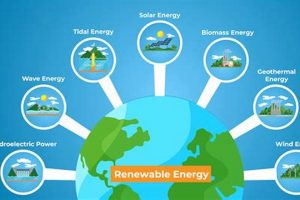
The imperative to transition to sustainable power generation stems from the detrimental consequences of reliance on finite resources. Traditional methods, primarily those utilizing fossil fuels, release substantial greenhouse gases into the atmosphere. These emissions contribute significantly to global warming and the associated climate change impacts, including rising sea levels, extreme weather events, and disruptions to ecosystems.
Shifting towards environmentally friendly energy options offers numerous advantages. Reduced carbon footprints mitigate the effects of climate change, promoting a healthier planet for future generations. Furthermore, these alternatives enhance energy security by diversifying power sources and reducing dependence on volatile global markets. Innovation in these sectors also fosters economic growth through the creation of new jobs and industries. Historical context reveals a growing awareness of the environmental consequences of conventional energy production, driving increasing investment and policy support for cleaner alternatives.
Therefore, understanding the benefits regarding environmental protection, resource conservation, and long-term sustainability becomes paramount. Exploring the specific advantages associated with solar, wind, hydro, and geothermal power generation is crucial for informed decision-making and effective implementation of sustainable energy policies. Analyzing the economic and social impacts of this transition, as well as the technological advancements that facilitate its progress, is also essential.
Guidance on Sustainable Energy Adoption
The following recommendations address considerations for expanding the deployment of sustainable energy sources, based on the understanding of the necessities that drive their adoption.
Tip 1: Implement Supportive Policies: Establish clear regulatory frameworks and incentives to promote investment in green energy infrastructure. Examples include feed-in tariffs, tax credits, and renewable portfolio standards.
Tip 2: Invest in Research and Development: Prioritize funding for technological advancements in renewable energy generation, storage, and distribution. This can lead to increased efficiency and reduced costs.
Tip 3: Promote Public Awareness: Educate the public about the environmental and economic benefits of green energy. This fosters wider acceptance and support for related initiatives.
Tip 4: Enhance Grid Infrastructure: Modernize existing power grids to accommodate the integration of intermittent renewable energy sources, such as solar and wind. Smart grids and energy storage solutions are vital.
Tip 5: Encourage Private Sector Involvement: Facilitate partnerships between governments and private companies to accelerate the development and deployment of green energy projects. Public-private partnerships can leverage resources and expertise.
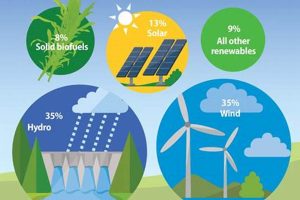
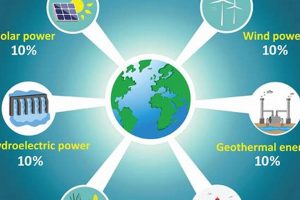
Tip 6: Diversify Energy Sources: Promote a diverse portfolio of renewable energy technologies, including solar, wind, hydro, geothermal, and biomass, to enhance energy security and resilience.
Tip 7: Focus on Energy Efficiency: Implement measures to reduce energy consumption across all sectors. Energy efficiency improvements can significantly decrease the demand for power and lower emissions.
Adhering to these guidelines facilitates a transition towards cleaner energy production, addressing concerns about environmental impact, resource depletion, and long-term sustainability. By implementing these strategies, communities and nations can realize the multiple benefits associated with widespread utilization of sustainable power.
Therefore, a comprehensive and multifaceted approach is crucial for the successful integration of green energy sources into the global energy mix. Strategic planning and decisive action are necessary to fully realize the potential of these technologies and secure a sustainable energy future.
1. Climate Change Mitigation

Climate change mitigation stands as a primary driver for the adoption of environmentally sustainable power sources. The increasing concentration of greenhouse gases in the atmosphere, largely attributable to the combustion of fossil fuels, necessitates a fundamental shift in energy production and consumption patterns. Mitigating the impacts of climate change requires a substantive reduction in carbon emissions and the transition to sources that minimize environmental harm.
- Reduced Greenhouse Gas Emissions
Sustainable energy technologies, such as solar, wind, and hydro power, generate electricity with significantly lower greenhouse gas emissions compared to fossil fuel-based power plants. Replacing conventional energy sources with these alternatives directly decreases the amount of carbon dioxide, methane, and other pollutants released into the atmosphere. This reduction is essential for limiting global warming and mitigating associated effects like rising sea levels and extreme weather events. For example, large-scale wind farms can offset the emissions from coal-fired power plants, contributing to regional and national carbon reduction targets.
- Decreased Reliance on Fossil Fuels
The utilization of finite fuel sources contributes to environmental degradation and geopolitical instability. Sustainable energy lessens dependence on these resources, thereby reducing the demand for extraction and transportation processes that contribute to pollution and habitat destruction. Solar panels on residential rooftops, for example, directly decrease the homeowner’s reliance on electricity generated from coal or natural gas, promoting a more sustainable and self-sufficient energy system.
- Promotion of Carbon Sequestration
While not directly related to energy generation itself, the adoption of sustainable practices encourages the development of carbon sequestration technologies and land management strategies. The shift to green energy frees up resources and investments that can be directed towards methods like afforestation and carbon capture and storage, which actively remove carbon dioxide from the atmosphere. Investments in carbon capture technologies at industrial facilities, for instance, are becoming more viable as the cost of sustainable energy decreases.
- Resilience to Climate Impacts
Diversifying energy sources through environmentally sound options enhances the resilience of energy systems to climate-related disruptions. Unlike centralized fossil fuel power plants, sustainable energy installations can be distributed across wider geographic areas, reducing vulnerability to extreme weather events and infrastructure failures. Distributed solar generation, for example, can provide localized power during grid outages caused by storms or other climate-related events.
These factors collectively emphasize the critical role of green energy in mitigating the adverse effects of climate change. The transition to these methods is not merely an environmental imperative but also a strategic necessity for ensuring long-term sustainability, economic stability, and global well-being. The interconnectedness of reduced emissions, decreased fossil fuel reliance, carbon sequestration promotion, and enhanced resilience underscores the multifaceted benefits of sustainable energy in addressing the global climate crisis.
2. Resource Depletion Prevention

The finite nature of conventional energy sources, such as coal, oil, and natural gas, underscores the critical link between resource depletion prevention and the necessity for green energy. Continued reliance on these dwindling reserves poses significant long-term risks to energy security, economic stability, and geopolitical equilibrium. The extraction, processing, and combustion of these resources also contribute to environmental degradation, exacerbating the need for sustainable alternatives. Transitioning to environmentally sound methods mitigates the depletion of non-renewable resources, ensuring their availability for future generations and reducing the associated environmental and economic vulnerabilities. For instance, the development and deployment of solar energy technologies diminish the demand for fossil fuels, conserving these finite reserves for applications where alternatives are less feasible.
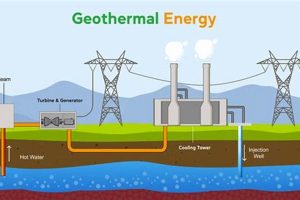
One practical illustration involves the implementation of large-scale wind energy projects in regions heavily dependent on coal-fired power plants. By replacing coal-generated electricity with wind power, these projects conserve coal reserves, extending their availability for other crucial applications, such as the production of steel and other industrial materials. Similarly, the utilization of geothermal energy reduces the need for natural gas in heating and electricity generation, preserving gas reserves for chemical manufacturing and other specialized uses. Investment in energy storage technologies, such as advanced batteries, further enhances the effectiveness of green energy in preventing resource depletion by mitigating the intermittency of solar and wind power.
In conclusion, the prevention of resource depletion constitutes a fundamental imperative in the transition to a sustainable energy future. By embracing renewable sources, society can safeguard finite resources, foster long-term economic stability, and mitigate the environmental consequences associated with the extraction and utilization of conventional energy sources. The practical significance of this understanding lies in the potential for informed policy decisions, technological innovation, and widespread adoption of green energy solutions, securing a more sustainable and resilient energy future.
3. Air Quality Improvement
Air quality improvement is a critical consideration in the global movement towards environmentally sound power sources. The adverse effects of air pollution on public health and environmental well-being necessitate a fundamental shift away from conventional energy production methods. The following explores key facets of how this outcome is intertwined with the imperative to adopt these methods.
- Reduced Particulate Matter Emissions
Fossil fuel combustion releases substantial quantities of particulate matter (PM2.5 and PM10) into the atmosphere, leading to respiratory illnesses, cardiovascular diseases, and premature mortality. Green energy alternatives, such as solar and wind power, produce minimal to no particulate matter during electricity generation, directly contributing to improved air quality and reduced health risks. For instance, cities that have transitioned from coal-fired power plants to renewable energy sources have observed significant reductions in airborne particulate matter concentrations, resulting in tangible public health benefits.
- Decreased Nitrogen Oxide and Sulfur Dioxide Releases
Conventional power plants emit nitrogen oxides (NOx) and sulfur dioxide (SO2), which are major precursors to acid rain and smog formation. These pollutants exacerbate respiratory problems and damage ecosystems. Environmentally sound power sources generate significantly lower levels of NOx and SO2, mitigating acid rain and smog formation, and improving overall air quality. Examples include wind farms, solar plants, and hydroelectric facilities that do not rely on combustion processes and therefore emit negligible amounts of these harmful pollutants.
- Mitigation of Ground-Level Ozone Formation
NOx and volatile organic compounds (VOCs) react in the presence of sunlight to form ground-level ozone, a major component of smog that causes respiratory irritation and damages vegetation. By reducing NOx emissions, the use of environmentally sound power sources helps prevent the formation of ground-level ozone, contributing to cleaner air and healthier ecosystems. For instance, increased utilization of electric vehicles powered by renewable energy reduces VOC emissions from gasoline-powered vehicles and NOx emissions from power plants, leading to lower ozone concentrations in urban areas.
- Alleviation of Indoor Air Pollution
In many developing countries, the burning of biomass for cooking and heating is a major source of indoor air pollution, leading to respiratory illnesses and other health problems. Environmentally sound power sources, such as solar cookers and electric heating systems powered by renewable energy, offer cleaner alternatives that eliminate indoor air pollution and improve the health and well-being of households. The deployment of solar-powered lighting systems in rural areas reduces reliance on kerosene lamps, which emit harmful pollutants and pose fire hazards, improving indoor air quality and safety.
The cumulative impact of reduced particulate matter, NOx, SO2, and VOC emissions underscores the critical role of green energy in improving air quality and protecting public health. The transition to these methods is not merely an environmental imperative but also a public health necessity, contributing to cleaner air, healthier communities, and a more sustainable future. This interconnection underscores the multi-faceted benefits of adopting environmentally sound power sources in addressing air pollution challenges and promoting overall well-being.
4. Energy Security Enhancement

Enhancement of energy security represents a significant driver in the global transition towards environmentally sustainable power sources. Dependence on finite energy resources, often concentrated in specific geographic regions, renders nations vulnerable to supply disruptions, price volatility, and geopolitical instability. Diversifying energy portfolios with environmentally sound options mitigates these risks and promotes greater energy independence and resilience.
- Diversification of Energy Sources
Renewable energy sources, such as solar, wind, hydro, and geothermal, offer a geographically diverse portfolio of energy options. Harnessing these resources reduces reliance on single fuel sources and decreases vulnerability to supply disruptions caused by political instability, natural disasters, or infrastructure failures. For example, countries with abundant solar resources can reduce their dependence on imported fossil fuels by investing in domestic solar energy production, thereby enhancing energy security.
- Reduced Vulnerability to Price Volatility
Fossil fuel prices are subject to significant fluctuations due to geopolitical events, supply constraints, and market speculation. Sustainable energy costs are generally more stable and predictable, providing a buffer against price volatility and reducing the economic burden on consumers and industries. Long-term contracts for renewable energy generation can provide price certainty, enabling better budget planning and investment decisions.
- Decentralized Energy Generation
Renewable energy technologies, such as rooftop solar panels and small-scale wind turbines, facilitate decentralized energy generation, reducing reliance on centralized power plants and transmission infrastructure. Distributed energy resources enhance energy security by creating a more resilient and localized energy system, less susceptible to widespread outages and disruptions. Communities with microgrids powered by renewable energy can maintain electricity supply during grid failures, ensuring critical services remain operational.
- Enhanced Grid Resilience
Integrating renewable energy sources into the grid requires investments in smart grid technologies, energy storage solutions, and advanced grid management systems. These upgrades enhance grid resilience by providing greater flexibility, improved monitoring capabilities, and increased capacity to handle intermittent power generation. Smart grids with integrated renewable energy sources can better withstand and recover from disruptions caused by extreme weather events or cyberattacks, ensuring a more reliable electricity supply.
The multifaceted benefits underscore the critical role of sustainable energy in enhancing energy security. Transitioning to these methods is not merely an environmental imperative but also a strategic necessity for ensuring long-term stability, economic resilience, and national security. The interconnectedness of diversification, price stability, decentralization, and grid resilience highlights the comprehensive advantages of these sources in addressing global energy challenges.
5. Economic Diversification
Economic diversification, spurred by the transition to sustainable energy, represents a significant shift away from dependence on traditional, fossil fuel-based industries. This evolution fosters new sectors, job markets, and technological innovations, creating a more resilient and dynamic economy.
- Creation of New Industries and Jobs
The green energy sector generates employment opportunities in manufacturing, installation, maintenance, and research related to renewable technologies. Solar panel production, wind turbine construction, and geothermal plant operations are examples of growing industries providing new jobs. The expansion of electric vehicle infrastructure also creates demand for skilled technicians and engineers. A study by the International Renewable Energy Agency (IRENA) indicated that the global renewable energy sector employed over 11 million people in 2018, demonstrating the potential for significant job creation. This represents a diversification of the workforce away from traditional industries often associated with fossil fuels.
- Technological Innovation and Export Opportunities
Investment in green energy drives technological advancements in energy storage, smart grid systems, and energy efficiency. These innovations can be exported to other countries, creating new revenue streams and bolstering national competitiveness. For example, countries leading in solar panel technology can export their products and expertise to nations seeking to expand their renewable energy capacity. Furthermore, the development of energy-efficient technologies reduces energy consumption, lowering costs for businesses and consumers and enhancing economic productivity.
- Reduced Reliance on Fossil Fuel Imports
Diversifying energy sources with domestic renewable resources reduces reliance on imported fossil fuels, improving energy security and reducing trade deficits. Countries that invest in their renewable energy infrastructure can decrease their dependence on foreign oil and gas, mitigating the economic risks associated with volatile global energy markets. Germany’s Energiewende policy, which promotes the transition to renewable energy, aims to reduce the country’s reliance on imported fossil fuels and enhance its energy independence.
- Attracting Investment and Capital Flows
The green energy sector attracts significant investment from both domestic and international sources. Investors are increasingly interested in projects that align with sustainability goals and offer long-term returns. Governments can incentivize green energy investments through tax credits, subsidies, and favorable regulatory policies. The growth of the green bond market, which finances environmentally beneficial projects, demonstrates the increasing demand for sustainable investment opportunities. This capital flow stimulates economic growth and supports the development of new infrastructure.
In summary, the economic diversification facilitated by the adoption of green energy is not merely an environmental imperative but also a strategic economic advantage. This diversification reduces reliance on finite resources, fosters innovation, creates new industries, enhances energy security, and attracts investment, ultimately leading to a more resilient and sustainable economy. The benefits extend beyond environmental protection, contributing to long-term economic prosperity and stability.
6. Public Health Protection

The nexus between public health protection and environmentally responsible energy generation is undeniable. Traditional energy sources, particularly those reliant on fossil fuels, contribute significantly to air and water pollution, directly impacting human health. Respiratory illnesses, cardiovascular diseases, and various cancers are linked to pollutants released during the extraction, processing, and combustion of finite resources. Therefore, the transition to green energy sources is crucial for safeguarding public well-being by minimizing exposure to harmful environmental contaminants. Consider the detrimental health effects observed in communities located near coal-fired power plants, where residents exhibit higher rates of respiratory ailments and other pollution-related diseases. The implementation of sustainable energy solutions directly addresses these health risks by eliminating the source of many airborne pollutants.
Furthermore, the health benefits extend beyond air quality improvement. The utilization of environmentally sound energy sources reduces the risk of water contamination associated with fossil fuel extraction and transportation. Oil spills and coal ash disposal pose significant threats to water resources, potentially contaminating drinking water supplies and harming aquatic ecosystems. Transitioning to solar, wind, and other environmentally responsible alternatives minimizes these risks, ensuring access to clean and safe water resources. In communities that have successfully implemented sustainable energy systems, public health outcomes have improved demonstrably, with reductions in respiratory illnesses, hospital admissions, and overall healthcare costs. The practical application of green energy directly translates into tangible improvements in public health.
In conclusion, the preservation of public health represents a compelling rationale for prioritizing the adoption of sustainable energy sources. Reducing pollution, improving air and water quality, and mitigating health risks associated with traditional energy production methods collectively underscore the critical role of environmentally sound power generation in safeguarding public well-being. Addressing public health concerns through the transition to these methods is not simply an environmental imperative but a moral obligation, contributing to a healthier, more sustainable future for all. The interconnectedness of environmental sustainability and public health requires a coordinated approach to energy policy, promoting the adoption of these methods and prioritizing the health and well-being of communities worldwide.
7. Environmental Preservation
Environmental preservation forms a cornerstone in the rationale for embracing sustainable energy solutions. Traditional methods of power generation, heavily reliant on finite resources, inflict substantial damage on ecosystems, biodiversity, and overall environmental health. Mitigating these impacts necessitates a fundamental shift towards practices that minimize ecological disruption and promote long-term sustainability.
- Habitat Protection and Biodiversity Conservation
The extraction, transportation, and combustion of finite fuels lead to habitat destruction, deforestation, and disruption of ecological balance. Transitioning to environmentally sustainable methods reduces the demand for resource extraction, thereby safeguarding ecosystems and conserving biodiversity. For instance, the reduced need for coal mining preserves natural landscapes and prevents habitat fragmentation. Similarly, minimizing oil spills protects marine life and coastal ecosystems. Environmentally sustainable energy contributes directly to maintaining ecological integrity and preserving biological diversity.
- Reduced Pollution and Ecosystem Health
Traditional power generation methods release pollutants into the air, water, and soil, harming ecosystems and endangering species. Sustainable energy alternatives, such as solar, wind, and hydro power, generate minimal to no pollution during operation, promoting healthier ecosystems and reducing environmental degradation. The decreased emissions of acid rain precursors, such as sulfur dioxide and nitrogen oxides, protect forests and aquatic environments. Furthermore, the reduced discharge of toxic chemicals into waterways preserves water quality and safeguards aquatic life. The absence of harmful pollutants fosters healthier ecosystems, supporting a diverse array of plant and animal species.
- Climate Change Mitigation and Ecosystem Resilience
The increasing concentration of greenhouse gases in the atmosphere, driven largely by fossil fuel combustion, exacerbates climate change impacts on ecosystems. Rising temperatures, altered precipitation patterns, and increased frequency of extreme weather events threaten the survival of many plant and animal species. Transitioning to environmentally sound power solutions mitigates climate change, enhancing ecosystem resilience and promoting the long-term health of natural environments. Reduced carbon emissions help stabilize global temperatures, allowing ecosystems to adapt more effectively to changing climate conditions. Preservation of forests, wetlands, and other carbon sinks further enhances climate resilience and ecosystem health.
- Resource Conservation and Sustainable Land Use
Extraction and transportation processes often require significant land use, leading to habitat loss and soil degradation. By minimizing the need for resource extraction, environmentally sound power methods conserve natural resources and promote sustainable land use practices. Solar farms, wind turbines, and geothermal plants can be sited in areas with minimal environmental impact, avoiding sensitive habitats and minimizing disruption to natural landscapes. Sustainable land management practices, such as reforestation and soil conservation, further enhance environmental preservation and promote ecosystem health.
These interconnected facets underscore the pivotal role of environmentally sustainable power sources in protecting and preserving the environment. The transition to these methods is not simply an environmental imperative but also a strategic necessity for ensuring long-term ecological integrity, biodiversity conservation, and overall sustainability. The multifaceted benefits of reducing pollution, mitigating climate change, conserving resources, and promoting sustainable land use highlight the comprehensive advantages of adopting these solutions for a healthier planet.
Frequently Asked Questions
This section addresses common inquiries regarding the imperative to transition towards energy solutions that minimize environmental impact and ensure long-term sustainability.
Question 1: What are the primary environmental consequences associated with continued reliance on finite resources?
Continued dependence on fossil fuels leads to significant greenhouse gas emissions, contributing to global warming and climate change. Air and water pollution from extraction, processing, and combustion processes also pose severe threats to ecosystems and human health.
Question 2: How do environmentally sustainable energy sources contribute to mitigating climate change?
Green energy alternatives, such as solar, wind, and hydro power, generate electricity with significantly lower greenhouse gas emissions compared to fossil fuel-based power plants. This reduction in emissions is crucial for limiting global warming and mitigating the adverse effects of climate change.
Question 3: In what ways do environmentally sound power sources enhance energy security?
Environmentally sustainable methods diversify energy portfolios, reducing reliance on single fuel sources and decreasing vulnerability to supply disruptions. Decentralized energy generation, facilitated by renewable technologies, further enhances energy security by creating more resilient and localized energy systems.
Question 4: What economic benefits are associated with the transition to sustainable energy?
The green energy sector creates new industries and jobs in manufacturing, installation, maintenance, and research. It also fosters technological innovation and export opportunities, reducing reliance on fossil fuel imports and attracting investment in sustainable infrastructure.
Question 5: How do environmentally sustainable energy sources contribute to improved public health?
Green energy solutions minimize air and water pollution, reducing the incidence of respiratory illnesses, cardiovascular diseases, and other pollution-related health problems. Cleaner energy sources also improve indoor air quality, particularly in developing countries where biomass burning is prevalent.
Question 6: What role do environmentally sustainable energy sources play in preserving ecosystems and biodiversity?
By reducing the need for resource extraction and minimizing pollution, green energy alternatives protect habitats, conserve biodiversity, and promote healthier ecosystems. Mitigating climate change further enhances ecosystem resilience and safeguards the long-term health of natural environments.
In summary, the adoption of sustainable energy sources is essential for addressing environmental challenges, enhancing energy security, promoting economic growth, and safeguarding public health. The comprehensive benefits of this transition underscore the imperative to embrace these solutions for a more sustainable future.
The following section outlines key technological advancements facilitating the transition to green energy.
The Indispensable Transition to Renewable Energy Sources
The preceding exploration has illuminated the multi-faceted imperative driving the adoption of renewable energy sources. From mitigating the existential threat of climate change to preserving finite resources and safeguarding public health, the rationale for transitioning away from traditional energy models remains irrefutable. The enhancement of energy security, the diversification of economic landscapes, and the preservation of ecological integrity further underscore the necessity of this global shift.
The widespread implementation of renewable energy sources is no longer a matter of preference, but a fundamental requirement for ensuring a sustainable and equitable future. Continued inaction will yield irreversible environmental degradation, economic instability, and compromised societal well-being. Consequently, a concerted and unwavering commitment to deploying these resources remains paramount for the preservation of both the planet and future generations. The time for decisive action is now, securing a future powered by sustainability.