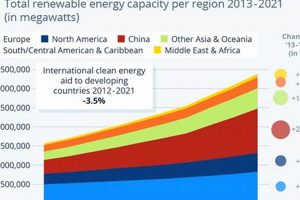
Various resources provide power for human activities and natural processes. These range from fossil fuels like coal, oil, and natural gas, to renewable sources such as solar, wind, hydro, and geothermal power. Biomass, including wood and biofuels, also serves as a fuel source. Nuclear fission, harnessing the energy released from splitting atoms, is another significant power generation method.
Access to reliable power sources is fundamental to modern civilization, driving economic development, technological advancements, and improved living standards. Historically, societies transitioned from relying primarily on human and animal labor to utilizing more efficient and scalable energy sources, leading to profound societal changes. The ongoing shift towards sustainable and environmentally friendly options is crucial for mitigating climate change and ensuring long-term energy security.
Further exploration will delve into the specific characteristics, advantages, and disadvantages of individual energy sources, as well as the complexities of energy production, distribution, and consumption.
Practical Approaches to Energy Consumption
Efficient and responsible utilization of power sources is essential for both environmental sustainability and economic viability. The following recommendations offer guidance on optimizing energy usage across various contexts.
Tip 1: Optimize Building Insulation: Effective insulation significantly reduces energy loss for heating and cooling, lowering operational costs and environmental impact. Consider improvements like double-paned windows and weather stripping.
Tip 2: Embrace Energy-Efficient Appliances: When purchasing new appliances, prioritize models with high energy efficiency ratings. This minimizes electricity consumption while delivering comparable performance.
Tip 3: Transition to Renewable Sources: Explore opportunities to integrate renewable energy sources, such as solar panels or geothermal systems, where feasible. This reduces reliance on finite resources and contributes to a cleaner energy landscape.
Tip 4: Implement Smart Home Technology: Smart thermostats and lighting systems offer automated control over energy consumption, optimizing usage based on real-time needs and occupancy patterns.
Tip 5: Practice Conscious Consumption Habits: Simple actions like turning off lights when leaving a room and unplugging unused electronics can cumulatively reduce energy waste.
Tip 6: Regular Maintenance of Energy Systems: Ensure heating, ventilation, and air conditioning (HVAC) systems undergo routine maintenance for optimal performance and efficiency. This includes filter replacements and system checks.
Tip 7: Promote Energy-Efficient Transportation: Opt for public transport, cycling, or walking whenever possible. For longer distances, consider fuel-efficient vehicles or electric alternatives.
Adopting these strategies contributes to lower energy bills, reduced greenhouse gas emissions, and a more sustainable approach to resource management.
By integrating these practical measures, individuals and communities can collectively contribute to a more sustainable and responsible energy future.
1. Fossil Fuels

Fossil fuels constitute a significant portion of global energy consumption. Formed from ancient organic matter over millions of years, these resources offer high energy density, making them readily deployable for various applications. However, their finite nature and environmental impact necessitate a transition towards more sustainable alternatives.
- Coal:
Coal, primarily used for electricity generation, represents a readily available yet highly polluting fuel source. Its combustion releases significant amounts of carbon dioxide, contributing to climate change. Examples include coal-fired power plants that supply electricity to large populations. The reliance on coal presents significant environmental challenges.
- Oil:
Oil serves as the primary fuel for transportation, powering vehicles and aircraft. It also plays a crucial role in manufacturing various products, including plastics and pharmaceuticals. Examples include gasoline and diesel fuel. Dependence on oil creates geopolitical vulnerabilities and contributes to air pollution.
- Natural Gas:
Natural gas, often used for heating and industrial processes, burns cleaner than coal but still contributes to greenhouse gas emissions. It serves as a transitional fuel source as economies move toward renewables. Examples include natural gas-fired power plants and residential heating systems. While less polluting than coal, its extraction can involve environmentally damaging practices like fracking.
- Environmental Impact:
The combustion of fossil fuels releases greenhouse gases, contributing to climate change. Extraction processes can disrupt ecosystems, and spills can cause significant environmental damage. These factors underscore the need for a shift towards cleaner energy sources.
While fossil fuels have historically played a crucial role in powering industrialization and modern society, their continued use presents significant environmental challenges. The transition to renewable energy sources is essential for mitigating climate change and ensuring long-term energy security. This transition includes developing and deploying cleaner energy technologies, improving energy efficiency, and implementing policies that support sustainable practices.
2. Renewable Sources
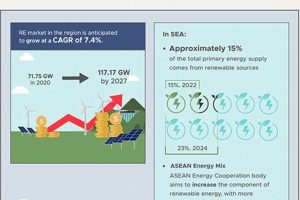
Renewable energy sources represent a crucial component of sustainable energy production, offering alternatives to finite fossil fuels. Harnessing naturally replenishing resources, these technologies play an increasingly vital role in mitigating climate change and ensuring long-term energy security. Exploring their various forms and applications is essential for understanding their contribution to the future of energy.
- Solar Power:
Photovoltaic cells convert sunlight directly into electricity, providing a clean and abundant energy source. Large-scale solar farms generate power for communities, while rooftop panels empower individual households. The decreasing cost of solar technology makes it increasingly competitive with traditional energy sources. Its decentralized nature enhances grid resilience and reduces transmission losses.
- Wind Power:
Wind turbines capture kinetic energy from wind, converting it into electricity. Onshore and offshore wind farms contribute significantly to renewable energy generation. Advancements in turbine technology have increased efficiency and reduced costs, making wind power a viable large-scale energy solution. Intermittency remains a challenge, requiring energy storage solutions for reliable power supply.
- Hydropower:
Harnessing the potential energy of water, hydropower plants generate electricity through controlled water flow. Dams and reservoirs store water, providing a reliable energy source. However, large-scale hydropower projects can have significant environmental impacts, affecting river ecosystems and communities. Run-of-river hydro offers a less impactful alternative.
- Geothermal Energy:
Geothermal power plants utilize heat from the Earth’s interior to generate electricity or provide direct heating. This renewable resource offers a stable and consistent energy supply, independent of weather conditions. Geothermal resources are geographically limited, and initial infrastructure investment can be substantial.
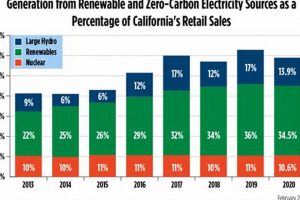
The increasing adoption of renewable sources marks a significant shift towards a more sustainable energy landscape. These technologies offer viable alternatives to fossil fuels, reducing greenhouse gas emissions and promoting energy independence. Continued research and development, coupled with supportive policies, will be crucial for maximizing the potential of renewable energy to meet future energy demands.
3. Nuclear Fission

Nuclear fission plays a significant role in global energy production, offering a high-output, low-carbon alternative to fossil fuels. Harnessing the energy released from splitting atoms, fission reactors provide a consistent power supply independent of weather conditions. However, the technology presents unique challenges related to waste disposal and safety concerns, requiring careful consideration and stringent regulations.
- Process:
Nuclear fission involves splitting heavy atoms, typically uranium or plutonium, releasing a substantial amount of energy. This process occurs within a controlled environment in a nuclear reactor, where neutrons initiate and sustain the chain reaction. The heat generated converts water to steam, driving turbines to produce electricity. Precise control mechanisms ensure the reaction remains stable and prevents runaway events.
- Power Generation:
Nuclear power plants provide a consistent baseload power supply, contributing significantly to electricity grids in several countries. They operate continuously, unlike intermittent renewable sources such as solar and wind. This reliability makes nuclear power a valuable component of a diversified energy portfolio. Examples include large-scale nuclear facilities providing electricity to densely populated areas.
- Waste Management:
The spent nuclear fuel from fission reactors remains radioactive for extended periods, requiring specialized storage and disposal solutions. The long-term management of nuclear waste presents significant technical and logistical challenges, demanding rigorous safety protocols and ongoing research into advanced disposal methods. The safe handling and storage of spent fuel are crucial aspects of responsible nuclear energy utilization.
- Safety and Security:
Nuclear power plants operate under stringent safety regulations to minimize the risk of accidents. Multiple layers of safety systems, including containment structures and emergency protocols, are designed to prevent the release of radioactive materials. Robust security measures safeguard against unauthorized access and potential misuse of nuclear materials. The Chernobyl and Fukushima disasters highlight the critical importance of robust safety measures in nuclear power generation.
While nuclear fission offers a substantial contribution to meeting energy demands, it necessitates careful consideration of its long-term implications. Balancing the benefits of low-carbon energy production against the challenges of waste management and safety concerns remains a crucial aspect of responsible nuclear energy utilization. Exploring advanced reactor designs and developing sustainable waste disposal strategies are essential for maximizing the potential of nuclear fission as a component of a future sustainable energy mix.
4. Biomass

Biomass, organic matter derived from plants and animals, represents a versatile energy source utilized for various applications. Its role in the broader context of energy production encompasses both traditional and modern approaches, offering renewable alternatives to fossil fuels while presenting specific sustainability considerations. Understanding its diverse forms and applications is crucial for evaluating its potential within a sustainable energy framework.
- Sources of Biomass:
Biomass encompasses a wide range of organic materials, including wood, agricultural residues (such as crop stalks and rice husks), dedicated energy crops (like switchgrass and willow), and organic waste from municipalities and industries. The availability and suitability of different biomass sources vary depending on regional factors and specific applications. For example, wood pellets serve as a readily available fuel for heating, while agricultural residues can be used to generate biogas for electricity production.
- Conversion Technologies:
Various technologies convert biomass into usable energy forms. Direct combustion, the most traditional method, involves burning biomass directly for heat or electricity generation. Gasification converts biomass into a gaseous fuel called syngas, which can be used for power generation or as a feedstock for producing other fuels and chemicals. Anaerobic digestion breaks down organic matter in the absence of oxygen, producing biogas (primarily methane) for heating, electricity generation, or transportation fuel. Biofuel production utilizes biomass to create liquid fuels like ethanol and biodiesel, which can be used in transportation or blended with conventional fuels.
- Applications of Biomass Energy:
Biomass fuels provide heat for residential and industrial applications, generate electricity in power plants, and serve as feedstock for producing biofuels for transportation. In rural communities, biomass often serves as the primary cooking and heating fuel. In industrialized nations, biomass can contribute to renewable energy targets and reduce reliance on fossil fuels. For example, biomass power plants can provide baseload power, while biofuels offer a renewable alternative to gasoline and diesel.
- Sustainability Considerations:
While biomass offers a renewable alternative to fossil fuels, its sustainable utilization requires careful management. Sustainable harvesting practices, efficient conversion technologies, and consideration of land use change are essential for minimizing environmental impacts. For instance, unsustainable harvesting of wood can lead to deforestation and habitat loss. Balancing the demand for biomass energy with other land uses, such as food production and biodiversity conservation, is crucial for long-term sustainability. Life-cycle assessments help evaluate the overall environmental impact of different biomass energy pathways.
Biomass plays a multifaceted role in the global energy landscape, offering diverse applications across various sectors. Its sustainable integration into the broader energy mix requires careful consideration of resource management, technological advancements, and environmental impacts. Further exploration of these factors will provide a more comprehensive understanding of the potential of biomass to contribute to a sustainable energy future.
5. Hydrogen

Hydrogen, the most abundant element in the universe, presents significant potential as an energy carrier, offering a versatile alternative to traditional fossil fuels. While not an energy source itself, hydrogen serves as a storage medium, requiring energy for its production. Its versatility lies in its capacity to be produced from various sources, including renewable energy like solar and wind power, as well as fossil fuels. This flexibility positions hydrogen as a crucial component in the transition to a sustainable energy future. Electrolysis, powered by renewable electricity, splits water into hydrogen and oxygen, offering a clean production pathway. Steam methane reforming, utilizing natural gas, represents a more established yet carbon-intensive production method. The choice of production method significantly influences the overall environmental impact of hydrogen utilization.
Hydrogen’s applications span diverse sectors, including transportation, industry, and power generation. Fuel cell vehicles utilize hydrogen to generate electricity, emitting only water vapor as a byproduct. In industrial settings, hydrogen serves as a crucial feedstock for producing ammonia and refining petroleum. Furthermore, hydrogen can be stored and transported, allowing for its use in remote locations or as a backup power source. Storing hydrogen as a compressed gas, liquid, or within chemical compounds like metal hydrides offers various options with specific advantages and challenges related to storage capacity, efficiency, and safety. For instance, compressed hydrogen storage systems facilitate rapid refueling but require high-pressure tanks. Liquid hydrogen offers higher energy density but necessitates cryogenic storage.
Realizing the full potential of hydrogen as a key component of future energy systems requires addressing several challenges. Improving the efficiency and cost-effectiveness of hydrogen production, particularly from renewable sources, remains a priority. Developing safe and efficient storage and transportation infrastructure is essential for widespread adoption. Furthermore, standardizing safety protocols and regulations will foster public confidence and enable seamless integration into existing energy networks. The transition to a hydrogen-based economy presents significant opportunities for decarbonizing various sectors and enhancing energy security, while demanding ongoing research, development, and strategic planning.
Frequently Asked Questions about Energy Sources
This section addresses common inquiries regarding the diverse resources utilized for energy production, aiming to provide clear and concise information for a broader understanding of this complex topic.
Question 1: What are the primary differences between renewable and non-renewable energy sources?
Renewable sources replenish naturally over relatively short periods, while non-renewable resources, such as fossil fuels, exist in finite quantities and require millions of years to form. This distinction has significant implications for long-term sustainability and environmental impact.
Question 2: How does energy consumption contribute to climate change?
The combustion of fossil fuels releases greenhouse gases, primarily carbon dioxide, into the atmosphere. These gases trap heat, leading to a rise in global temperatures and contributing to climate change. Transitioning to lower-carbon energy sources is crucial for mitigating these effects.
Question 3: What are the key challenges associated with transitioning to a fully renewable energy system?
Intermittency of renewable sources like solar and wind power necessitates efficient energy storage solutions. Grid infrastructure upgrades are required to accommodate decentralized generation and fluctuating supply. Furthermore, the initial investment costs for renewable energy technologies can be substantial.
Question 4: What role does energy efficiency play in reducing overall energy consumption?
Improved energy efficiency reduces the amount of energy required to perform specific tasks or services. This translates to lower energy bills, reduced environmental impact, and enhanced energy security by minimizing reliance on external resources.
Question 5: How does nuclear energy differ from other energy sources?
Nuclear fission, unlike fossil fuels or renewable sources, harnesses energy from splitting atoms. It offers a high-power output with minimal greenhouse gas emissions during operation, but requires stringent safety protocols and careful waste management.
Question 6: What are the potential benefits of a hydrogen-based economy?
Hydrogen offers versatile energy storage and transportation capabilities. When produced from renewable sources, it provides a clean and sustainable alternative to fossil fuels, potentially decarbonizing various sectors, including transportation, industry, and power generation.
Understanding the characteristics and implications of various energy sources is fundamental to informed decision-making regarding future energy strategies. The transition to a sustainable energy landscape requires a multifaceted approach encompassing technological advancements, policy changes, and conscious consumption patterns.
Further exploration will delve into specific energy technologies and their respective roles in shaping a sustainable energy future.
Energy Sources
Exploration of resources utilized for power generation reveals a diverse landscape encompassing fossil fuels, renewable alternatives, nuclear fission, biomass, and hydrogen. Fossil fuels, while currently dominant, present environmental challenges due to greenhouse gas emissions and finite reserves. Renewable sources, including solar, wind, hydro, and geothermal, offer sustainable pathways but require further development and infrastructure integration. Nuclear fission provides a significant energy output but necessitates careful waste management and stringent safety protocols. Biomass offers a versatile renewable option, while hydrogen presents potential as a clean energy carrier pending advancements in production and storage technologies. Each resource exhibits unique characteristics, advantages, and disadvantages requiring careful consideration within a balanced energy portfolio.
Transitioning towards a sustainable energy future demands a strategic approach balancing economic viability, environmental responsibility, and technological innovation. Prioritizing energy efficiency, diversifying energy sources, and investing in research and development are crucial steps towards mitigating climate change and ensuring long-term energy security. The choices made today will shape the energy landscape of tomorrow, impacting generations to come. Continued exploration and informed decision-making are essential for navigating the complexities of energy production and consumption, paving the way for a sustainable and prosperous future.