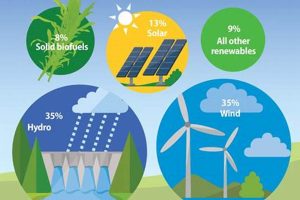
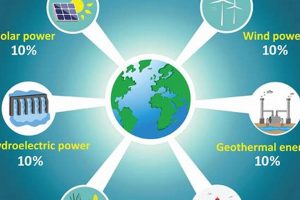
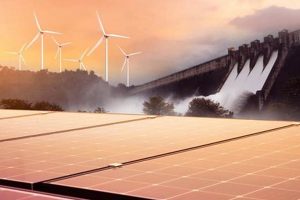
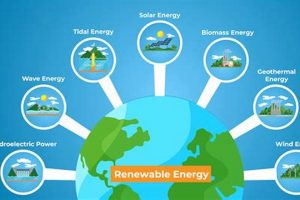
Harnessing power from naturally replenishing resources offers a sustainable alternative to fossil fuels. These resources, constantly renewed by natural processes, provide energy without depleting finite reserves. Examples include solar radiation, wind currents, and the Earth’s internal heat.
Adopting these sustainable methods is crucial for mitigating climate change, reducing air pollution, and enhancing energy security. Historically, societies relied on renewable sources like wind and water power. Modern technology now allows for more efficient and widespread utilization, offering long-term environmental and economic advantages.
The subsequent sections will detail prominent types of this energy, including solar, wind, hydro, geothermal, and biomass, outlining their characteristics, applications, and current contribution to the global energy mix.
Guidance on Renewable Energy Source Selection
The selection of appropriate sustainable energy options requires careful consideration of several factors to ensure effectiveness and long-term viability.
Tip 1: Assess Resource Availability. Evaluate the specific geographical location’s potential for each energy type. Solar irradiance, wind speed patterns, hydro resources, geothermal gradients, and biomass availability should be thoroughly investigated.
Tip 2: Analyze Technological Maturity. Understand the current state of technology associated with each energy type. Solar photovoltaic technology is relatively mature, while enhanced geothermal systems are still under development. Choose technologies with proven reliability and efficiency for initial deployments.
Tip 3: Evaluate Environmental Impact. Conduct a comprehensive environmental impact assessment for each potential project. Consider factors such as land use, habitat disruption, water consumption, and potential emissions during construction and operation. Aim to minimize any negative environmental consequences.
Tip 4: Investigate Economic Feasibility. Perform a thorough economic analysis, including capital costs, operating expenses, and potential revenue streams. Explore available incentives, subsidies, and financing options. Select projects with favorable economic returns and long-term cost competitiveness.
Tip 5: Consider Grid Integration Challenges. Evaluate the compatibility of each energy source with the existing grid infrastructure. Intermittency issues associated with solar and wind energy require careful management. Invest in energy storage solutions or grid modernization to ensure reliable power supply.
Tip 6: Evaluate regulatory and Policy Landscape. Understand the existing regulatory frameworks and policy incentives in place for renewable energy projects. Government support, tax credits, and streamlined permitting processes can significantly enhance project viability.
Careful evaluation of these factors will lead to more effective and sustainable investment in renewable energy technologies, maximizing their contribution to a cleaner and more secure energy future.
The concluding sections will summarize the key points discussed and offer a broader perspective on the role of these technologies in global sustainability efforts.
1. Solar Photovoltaics

Solar Photovoltaics (PV) stands as a prominent technology among the foremost generators of clean electricity. Its widespread adoption is driven by declining costs and increasing efficiency, establishing it as a significant contributor to the global transition from fossil fuels.
- Working Principle and Efficiency
Solar PV technology directly converts sunlight into electricity using semiconductor materials. When photons from sunlight strike the PV cell, they excite electrons, creating an electric current. The efficiency of solar panels, measured as the percentage of sunlight converted into electricity, varies depending on the type of solar cell. Modern crystalline silicon panels typically achieve efficiencies of 15% to 22%, while advanced thin-film technologies offer alternative cost-performance tradeoffs.
- Types of Solar PV Systems
PV systems can be classified into two main categories: grid-tied and off-grid. Grid-tied systems are connected to the electrical grid, allowing excess electricity to be fed back into the grid and reducing reliance on traditional power sources. Off-grid systems, on the other hand, operate independently, typically utilizing batteries for energy storage. Off-grid systems are often used in remote areas where grid access is limited or unavailable.
- Global Deployment and Applications
Solar PV deployment has experienced exponential growth in recent years. Countries such as China, the United States, and Germany are leading the world in installed solar capacity. Applications of solar PV technology span a wide range, from residential rooftop installations and commercial solar farms to large-scale utility projects. Solar PV is also increasingly being integrated into building materials, such as solar roof tiles and facades.
- Environmental and Economic Considerations
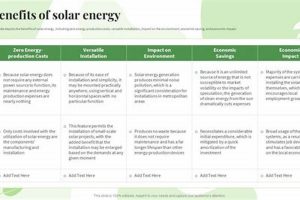
Solar PV offers numerous environmental benefits, including reduced greenhouse gas emissions and air pollution. The life-cycle carbon footprint of solar PV is significantly lower than that of fossil fuel-based electricity generation. Economically, solar PV can reduce electricity bills for consumers and provide a stable, predictable source of energy. However, challenges remain, including the intermittency of sunlight and the need for energy storage solutions.
The continued advancement and deployment of solar photovoltaic technologies are vital for achieving a sustainable energy future. By providing a clean, reliable, and increasingly affordable source of electricity, solar PV plays a central role in mitigating climate change and enhancing energy security worldwide.
2. Wind Turbine Farms

Wind turbine farms represent a significant implementation of wind power, a key component within prevalent sustainable energy solutions. These farms, comprising multiple wind turbines strategically positioned to maximize energy capture, convert kinetic energy from wind into electrical energy. The effect of widespread deployment is a reduction in reliance on fossil fuels, contributing to decreased greenhouse gas emissions and improved air quality. The presence of wind farms is especially important in regions with consistent wind resources, providing a reliable source of power. An example is the Hornsea Wind Farm in the UK, one of the world’s largest offshore wind farms, demonstrating the scalability and impact of this technology. Understanding wind turbine farms is therefore critical to comprehending the broader landscape of clean energy production.
The practical application of wind turbine technology extends beyond large-scale farms. Smaller turbines are utilized for localized power generation in remote areas, offering energy independence and reducing the need for extensive grid infrastructure. Furthermore, advancements in turbine design and materials are continually improving efficiency and reducing environmental impact, such as noise pollution and visual intrusion. The integration of wind power into existing electrical grids requires sophisticated management systems to address intermittency challenges. Energy storage solutions, such as batteries and pumped hydro, are increasingly being implemented to stabilize the power supply from wind farms.
In summary, wind turbine farms constitute a vital element of common renewable energy sources, offering a scalable and increasingly efficient method of electricity generation. The challenges associated with intermittency and grid integration are being addressed through technological advancements and strategic deployment, solidifying wind power’s role in a sustainable energy future. The economic and environmental benefits necessitate continued investment and development in this sector to maximize its contribution to global energy needs.
3. Hydroelectric Dams
Hydroelectric dams represent a significant and long-standing component of prevalent sustainable energy generation. The fundamental principle involves harnessing the potential energy of water stored at a higher elevation and converting it into kinetic energy as it flows downwards, turning turbines to generate electricity. These facilities have historically been a reliable source of large-scale power. A prominent example is the Three Gorges Dam in China, one of the world’s largest hydroelectric facilities, capable of generating substantial amounts of electricity. The development and operation of these dams play a vital role in meeting energy demands while mitigating reliance on fossil fuels.
The operational considerations of hydroelectric dams extend beyond electricity generation. Reservoir management, including flood control and water supply, represents an additional layer of complexity. Environmental impacts, such as alteration of river ecosystems and displacement of communities, are factors that require careful consideration during project planning and execution. Advancements in dam technology, including fish passage systems and improved turbine designs, aim to minimize ecological damage and improve overall sustainability. Furthermore, the integration of hydroelectric power into regional grids necessitates strategic planning to balance supply and demand effectively.
In summary, hydroelectric dams are an established, core technology within renewable energy sources. Addressing the environmental and social considerations is crucial for sustainable operation. Continued technological innovation and responsible management practices are essential to maximize the contribution of hydroelectric power to a cleaner and more secure energy future.
4. Geothermal Power Plants
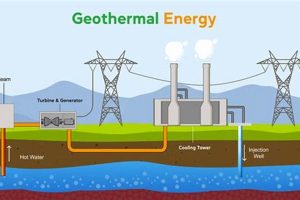
Geothermal power plants represent a specialized but significant facet of prevalent sustainable energy generation. These facilities harness thermal energy from the Earth’s interior, converting it into electricity. Their role, although geographically constrained by the availability of geothermal resources, is crucial in providing a stable, base-load source of power, unlike intermittent sources such as solar and wind. This section explores key aspects of geothermal power plants in relation to the broader scope of common renewable energy solutions.
- Resource Access and Geothermal Types
Accessing geothermal energy requires drilling into the Earth to reach reservoirs of hot water or steam. There are three primary types of geothermal power plants: dry steam, flash steam, and binary cycle. Dry steam plants directly use steam from geothermal reservoirs to turn turbines. Flash steam plants convert hot water into steam in a low-pressure tank, which then drives turbines. Binary cycle plants pass hot water through a secondary fluid with a lower boiling point, creating vapor to turn turbines. The type of plant used depends on the temperature and pressure of the geothermal resource.
- Global Distribution and Examples
Geothermal resources are not evenly distributed globally. Regions with high volcanic activity or tectonic plate boundaries are more likely to have suitable geothermal resources. Prominent geothermal power-producing countries include the United States, Iceland, Indonesia, and the Philippines. The Geysers in California is one of the largest geothermal fields in the world, while Iceland relies heavily on geothermal energy for both electricity and heating.
- Environmental Considerations and Sustainability
Geothermal power plants have a relatively low environmental impact compared to fossil fuel-based power generation. They produce minimal greenhouse gas emissions and require less land area than coal or nuclear plants. However, geothermal development can have localized environmental impacts, such as land disturbance, noise pollution, and the potential release of small amounts of hydrogen sulfide gas. Sustainable management practices, including reinjecting geothermal fluids back into the reservoir, are essential to ensure the long-term viability of geothermal resources.
- Contribution to the Energy Mix and Future Potential
While geothermal energy currently accounts for a small percentage of global electricity production, its potential for expansion is significant. Technological advancements, such as enhanced geothermal systems (EGS), aim to tap into previously inaccessible geothermal resources. EGS involves creating artificial fractures in hot, dry rocks deep underground, allowing water to circulate and extract heat. If successfully developed, EGS could significantly increase the availability of geothermal energy worldwide.
In conclusion, geothermal power plants are a niche but vital component of sustainable energy solutions. The stable, base-load power they provide complements intermittent renewable sources. Continued research and development are necessary to expand the utilization of geothermal resources and minimize environmental impacts, further solidifying its position within the range of prevalent renewable energy generators.
5. Biomass Energy

Biomass energy holds a prominent position among prevalent sustainable energy resources, deriving power from organic matter sourced from plants and animals. This category encompasses a range of materials, including wood, crops, agricultural residues, and organic waste. The utilization of biomass for energy production serves as a critical pathway to reducing reliance on fossil fuels, thereby contributing to a more diversified and environmentally sustainable energy portfolio. The combustion, gasification, or anaerobic digestion of biomass releases stored chemical energy, which can then be converted into heat, electricity, or transportation fuels. The importance of biomass energy lies in its potential to provide a carbon-neutral energy source, assuming sustainable harvesting and management practices are employed. For instance, the conversion of agricultural waste into biogas for electricity generation exemplifies the practical application of biomass in reducing greenhouse gas emissions.
Furthermore, biomass energy offers practical advantages in terms of waste management and rural economic development. The utilization of agricultural and forestry residues for energy production can reduce the need for landfill disposal, mitigating associated environmental problems. In rural communities, biomass energy projects can create new economic opportunities for farmers and landowners, fostering local energy independence and resilience. For example, dedicated energy crops, such as switchgrass or miscanthus, can be cultivated on marginal lands, providing a sustainable feedstock for biomass power plants or biofuels production. However, it’s critical to note that the net environmental benefits of biomass energy depend on the sourcing and processing methods, necessitating careful consideration of land use, transportation, and combustion emissions. Sustainable practices, such as using efficient combustion technologies and implementing reforestation initiatives, are essential to maximize the positive impacts of biomass energy.
In conclusion, biomass energy serves as a significant contributor within the common renewable energy resource framework, offering diverse pathways for sustainable power generation and waste management. While the environmental benefits depend on responsible sourcing and utilization practices, biomass energy holds considerable potential to enhance energy security, mitigate climate change, and foster rural economic development. Addressing the challenges associated with land use, emissions, and resource management will be crucial to fully realize the potential of biomass as a key element of a sustainable energy future.
Frequently Asked Questions About Prevalent Sustainable Energy Generators
This section addresses common inquiries regarding predominant renewable energy resources, aiming to clarify their characteristics and potential.
Question 1: What defines a source as being within prevalent sustainable energy options?
Sources classified as prevalent sustainable energy options are those that naturally replenish on a human timescale and offer reduced environmental impact compared to fossil fuels. These include solar, wind, hydro, geothermal, and biomass.
Question 2: Why are solar and wind considered intermittent sources within common renewable energy sources?
Solar and wind energies are categorized as intermittent due to their dependence on weather patterns. Sunlight availability varies by time of day and season, while wind speeds fluctuate based on atmospheric conditions, leading to inconsistent power generation.
Question 3: How does biomass energy contribute to sustainability if it involves burning organic matter within renewable energy sources?
Biomass energy can be considered sustainable if the organic matter is sourced responsibly and replenished at a rate equal to or greater than its consumption. This involves sustainable forestry practices, efficient combustion technologies, and carbon sequestration efforts.
Question 4: What are the primary environmental concerns associated with hydroelectric dams as renewable energy sources?
Environmental concerns include habitat disruption, alteration of river ecosystems, displacement of communities, and changes in water quality. Mitigation strategies, such as fish passages and careful reservoir management, are necessary to minimize these impacts.
Question 5: Where are geothermal power plants best suited to generate energy, and what distinguishes them from solar?
Geothermal plants are best suited in regions with high geothermal activity, such as volcanic areas or tectonic plate boundaries. Unlike solar, geothermal plants provide a stable, base-load power source, unaffected by daily or seasonal weather variations.
Question 6: What is the potential of enhanced geothermal systems (EGS) for the future production of renewable energy sources?
Enhanced geothermal systems (EGS) have the potential to significantly expand geothermal energy production by accessing previously unreachable hot, dry rocks deep underground. This technology involves creating artificial fractures to allow water circulation and heat extraction, potentially unlocking vast geothermal resources.
The sustainable development of these sources necessitates careful assessment of their environmental and economic implications.
The subsequent section will provide a concluding summary of the core discussion points.
Conclusion
The preceding discussion has explored prevalent sustainable energy generators, detailing their operational principles, environmental impacts, and contributions to the global energy mix. Solar photovoltaics, wind turbine farms, hydroelectric dams, geothermal power plants, and biomass energy represent established technologies playing crucial roles in displacing fossil fuels. Each source presents unique advantages and challenges related to resource availability, technological maturity, environmental considerations, and economic feasibility.
Continued investment in research, development, and responsible deployment of these resources is paramount. Achieving a sustainable energy future necessitates a diversified approach, optimizing the integration of multiple technologies to ensure reliability, reduce environmental harm, and foster long-term energy security. The transition to a renewable-based energy system demands careful planning, strategic policy implementation, and unwavering commitment to environmental stewardship.