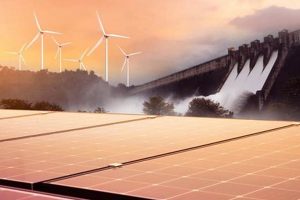
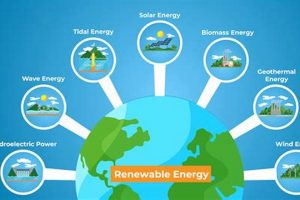
Renewable energy technologies, while offering a sustainable alternative to fossil fuels, face practical constraints that impede their widespread adoption. These constraints relate to intermittency, geographic limitations, energy storage challenges, high upfront costs, and reliance on specific materials. This impacts the consistent delivery of power and overall system reliability.
Addressing these issues is crucial for mitigating climate change and ensuring energy security. Overcoming these technological and economic barriers is essential for renewable energy to fully realize its potential as a dominant energy source. Historically, government subsidies and technological advancements have played significant roles in partially addressing some of these challenges.
The following sections will delve into the specifics of intermittency and variability, geographical constraints, energy storage requirements, the economic considerations tied to initial investment and operational costs, and finally, the dependency on rare earth elements and other critical materials, each representing a substantial obstacle in the advancement of clean power generation.
Addressing Impediments to Renewable Energy Expansion
Successfully expanding the utilization of sustainable energy sources necessitates a strategic approach to mitigate existing operational and economic challenges.
Tip 1: Enhance Grid Infrastructure: Modernizing the electrical grid is paramount. Investments in smart grid technologies allow for improved transmission efficiency and better integration of intermittent renewable sources, ensuring a more stable and reliable power supply.
Tip 2: Prioritize Energy Storage Solutions: Accelerating the development and deployment of diverse energy storage technologies, such as advanced battery systems, pumped hydro, and thermal storage, is crucial. These solutions buffer against the inherent variability of solar and wind power, providing dispatchable energy on demand.
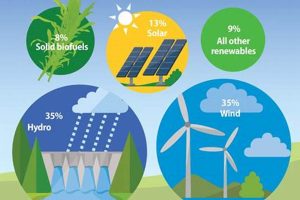
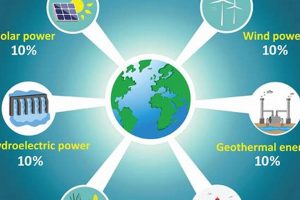
Tip 3: Diversify Renewable Energy Portfolio: Reliance on a single renewable energy source introduces vulnerabilities. Diversifying the energy mix with a combination of solar, wind, geothermal, and biomass reduces dependence on any single technology and improves overall system resilience.
Tip 4: Encourage Technological Innovation: Continued investment in research and development is essential for reducing costs and improving the efficiency of renewable energy technologies. This includes advancements in solar panel materials, wind turbine designs, and energy storage systems.
Tip 5: Implement Supportive Policy Frameworks: Governments should establish clear and consistent policy frameworks that incentivize renewable energy development. This includes measures such as carbon pricing, tax credits, feed-in tariffs, and mandates for renewable energy integration.
Tip 6: Streamline Permitting Processes: Complex and lengthy permitting processes can significantly delay renewable energy projects. Governments should streamline these processes to facilitate faster deployment while maintaining environmental safeguards.
Tip 7: Promote Regional Collaboration: Sharing resources and expertise across regions can optimize renewable energy integration and reduce costs. This includes developing interconnected transmission networks and establishing common regulatory standards.
These measures collectively contribute to overcoming the hurdles hindering the broader implementation of clean, sustainable energy.
The succeeding sections will synthesize the primary arguments and provide a definitive overview of the present and future trajectory of eco-friendly power generation.
1. Intermittency
Intermittency is a primary constraint affecting the dependability of several renewable energy technologies, specifically solar and wind power. This characteristic refers to the inconsistent availability of these resources due to naturally fluctuating conditions. Solar energy production is limited to daylight hours and is affected by cloud cover, while wind energy output is contingent on prevailing wind patterns, which can vary significantly in both speed and direction. This variability poses a significant challenge to maintaining a consistent and reliable electricity supply from these sources. As an example, during periods of low wind or extended cloud cover, energy grids reliant on these sources must compensate with alternative power sources, often derived from fossil fuels, to meet demand.
The impact of intermittency extends beyond simple supply fluctuations. It necessitates significant investments in energy storage solutions, such as battery storage systems or pumped hydro storage, to capture excess energy during peak production times and release it during periods of low production. These storage technologies, while improving, still face limitations in terms of cost, efficiency, and scalability. Furthermore, the unpredictable nature of intermittent sources requires sophisticated grid management strategies to balance supply and demand in real-time, adding complexity and expense to grid operations. The inability to guarantee a consistent power output directly affects the capacity of intermittent renewables to serve as a baseload power source, hindering their ability to fully replace traditional energy sources.
Overcoming the challenges posed by intermittency is crucial for achieving a sustainable energy future. This requires a multi-faceted approach involving advancements in forecasting technologies, diversification of renewable energy sources, development of efficient and cost-effective energy storage solutions, and modernization of grid infrastructure to improve flexibility and responsiveness. Addressing intermittency is not simply a technical problem; it is a fundamental barrier to the widespread adoption of renewable energy and requires a concerted effort from policymakers, researchers, and industry stakeholders.
2. Geographic Dependence
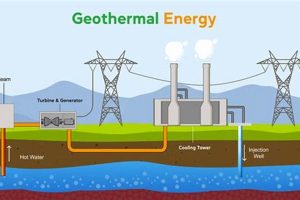
Geographic dependence significantly constrains the potential of several renewable energy sources, representing a crucial element of their overall limitations. The availability and efficiency of solar, wind, geothermal, and hydropower are intrinsically linked to specific geographic locations and climates. Solar energy production is optimal in regions with high solar irradiance, while wind energy is most viable in areas with consistent and strong wind patterns. Geothermal power relies on accessible geothermal resources, typically located near tectonic plate boundaries or volcanic hotspots. Hydropower depends on the presence of suitable rivers and topography for dam construction.
This inherent geographic limitation presents challenges in distributing renewable energy generation capacity equitably across different regions. Areas lacking optimal conditions for specific renewable technologies may be forced to rely on less efficient or more expensive alternatives, or import energy from distant locations. For instance, regions with limited sunlight hours, such as northern latitudes, cannot efficiently utilize solar power during certain times of the year. Similarly, landlocked areas may not have the potential for large-scale hydropower development. Transporting energy over long distances incurs transmission losses and requires investment in infrastructure, increasing the overall cost and reducing the sustainability benefits. Germany’s experience with wind energy in the north, requiring extensive transmission lines to southern industrial centers, illustrates this challenge.
In summary, geographic dependence restricts the widespread applicability of individual renewable energy technologies, necessitating a diversified approach to energy planning. Understanding these spatial limitations is critical for developing realistic renewable energy strategies and optimizing resource allocation. Overcoming this hurdle involves strategic investments in energy storage, grid infrastructure, and the development of technologies adaptable to a wider range of geographic conditions. Furthermore, promoting international collaboration and resource sharing can mitigate the impacts of geographic constraints and facilitate a more balanced and sustainable energy transition.
3. Storage Requirements

The necessity for energy storage is a pivotal constraint on the widespread adoption of renewable energy sources. The intermittent nature of many renewable generation methods, particularly solar and wind, directly dictates the requirement for robust storage solutions. Without effective storage, the fluctuating output of these sources cannot consistently meet energy demands, thereby limiting their reliability and overall contribution to the energy mix.
- Balancing Supply and Demand
Renewable energy sources often generate electricity at times that do not coincide with peak demand. Solar energy production, for example, peaks during the day but diminishes at night, while wind energy generation varies with wind patterns. Energy storage systems, such as batteries, pumped hydro, or thermal storage, can store excess energy during periods of high generation and release it during periods of low generation or high demand. This ability to balance supply and demand is crucial for ensuring grid stability and preventing disruptions to electricity supply.
- Cost of Storage Technologies
The high cost of energy storage technologies is a significant barrier to their widespread deployment. While the prices of battery storage systems have decreased in recent years, they remain a substantial investment, particularly for large-scale applications. Other storage options, such as pumped hydro, require specific geographic conditions and can have significant environmental impacts. The economic viability of renewable energy projects often hinges on the availability of cost-effective storage solutions.
- Storage Capacity and Duration
The capacity and duration of energy storage systems are critical factors in determining their effectiveness. Storage capacity refers to the amount of energy that can be stored, while duration refers to the length of time that energy can be discharged. Meeting the varying needs of different applications requires a range of storage solutions with varying capacity and duration capabilities. For example, grid-scale storage systems need to provide sufficient capacity to handle fluctuations in renewable energy generation over several hours or even days.
- Technological Limitations
Current energy storage technologies face technical limitations that restrict their performance and scalability. Battery storage systems, for example, have limited lifespans and can degrade over time. Pumped hydro storage requires significant land area and can disrupt aquatic ecosystems. Research and development efforts are focused on improving the energy density, efficiency, lifespan, and environmental impact of energy storage technologies to overcome these limitations.
The interplay between these facets highlights the central role of storage requirements in defining the limitations of renewable energy sources. Advancements in storage technologies, coupled with supportive policies and grid modernization efforts, are essential for unlocking the full potential of renewable energy and achieving a sustainable energy future.
4. Material Scarcity

The growing demand for renewable energy technologies intensifies the pressure on the supply of specific raw materials, contributing significantly to the limitations of renewable energy expansion. Many renewable energy systems, including solar photovoltaic cells, wind turbines, and batteries for energy storage, rely on materials that are not evenly distributed geographically and are subject to fluctuating market prices and potential supply disruptions. This dependence on critical materials introduces economic and geopolitical vulnerabilities into the renewable energy sector.
For example, rare earth elements are essential components in high-strength permanent magnets used in wind turbine generators. Similarly, tellurium is a key ingredient in certain types of thin-film solar panels. The limited availability and concentrated production of these and other materials, such as lithium and cobalt used in battery technologies, pose significant challenges. A surge in demand for electric vehicles and grid-scale energy storage further exacerbates the strain on these resources. Instances of price volatility and supply bottlenecks for these materials have already been observed, potentially impacting the cost-effectiveness and deployment timelines of renewable energy projects. The extraction and processing of these materials also carry environmental and social consequences, including habitat destruction and potential human rights concerns, adding complexity to the pursuit of sustainable energy.
Addressing material scarcity requires a multifaceted strategy involving the development of alternative materials, improvements in material recycling and recovery processes, diversification of supply chains, and promotion of more resource-efficient designs. Investing in research and development aimed at reducing material dependence is crucial for ensuring the long-term viability and sustainability of renewable energy. Recognizing and proactively managing the risks associated with material scarcity are essential steps towards achieving a resilient and secure renewable energy future.
5. Land Usage

Land usage considerations present a notable limitation on the scalability and widespread deployment of renewable energy technologies. The physical footprint required for certain renewable energy installations, particularly solar and wind farms, can be substantial, leading to competition with other land uses and potential environmental impacts. This factor contributes to the overall challenges in transitioning to a fully renewable energy-based economy.
- Large-Scale Solar Farms
Solar photovoltaic (PV) farms necessitate significant land areas to capture sufficient sunlight for large-scale electricity generation. This can lead to the conversion of agricultural land or natural habitats into industrial energy production zones, potentially disrupting ecosystems and impacting local biodiversity. In densely populated areas, the availability of suitable land for solar farms may be limited, increasing project costs and hindering deployment.
- Wind Turbine Placement
Wind farms require open areas with consistent wind patterns, which may coincide with valuable agricultural land or areas of scenic beauty. The placement of wind turbines can generate concerns regarding visual impacts, noise pollution, and potential harm to bird and bat populations. Proximity to populated areas can also be a limiting factor due to community resistance and regulatory restrictions.
- Hydropower Reservoirs
While hydropower is a well-established renewable energy source, the creation of reservoirs for hydroelectric dams often results in the flooding of large areas of land. This can displace communities, inundate agricultural land, and disrupt river ecosystems. The construction of new large-scale hydropower projects faces increasing scrutiny due to these environmental and social impacts.
- Biomass Production
Sustainable biomass production for energy generation necessitates dedicated land for cultivating energy crops. This can compete with food production, potentially driving up food prices and exacerbating land use conflicts. The environmental impacts of biomass production, such as deforestation or the conversion of natural habitats, must be carefully considered to ensure its sustainability.
The connection between land usage and the limitations of renewable energy underscores the importance of careful planning and resource management. Optimizing land use efficiency through technological advancements, such as improved solar panel designs or more compact wind turbine layouts, can help mitigate these constraints. Furthermore, integrating renewable energy projects with other land uses, such as agriculture or grazing, can reduce conflicts and maximize the benefits of limited land resources.
6. High Initial Costs
High initial capital expenditure constitutes a significant limitation on the widespread deployment of renewable energy technologies. The upfront investment required for establishing renewable energy facilities, such as solar photovoltaic farms, wind parks, geothermal plants, and hydroelectric dams, often surpasses that of conventional fossil fuel-based power plants. This cost barrier can deter both private investors and governments from pursuing renewable energy projects, particularly in regions with limited financial resources or competing investment priorities. For example, the construction of a large-scale offshore wind farm demands substantial investment in turbine manufacturing, installation, grid connection infrastructure, and ongoing maintenance, presenting a considerable financial undertaking. A developing nation, prioritizing immediate energy needs, might favor a less expensive, albeit environmentally damaging, coal-fired plant over a more sustainable but initially cost-prohibitive solar installation.
The impact of elevated initial costs extends beyond the direct financial burden. It affects the competitiveness of renewable energy in deregulated electricity markets, where power producers must compete on price. Independent power producers (IPPs) face challenges securing financing for renewable energy projects due to perceived risks associated with long payback periods and uncertainties in future energy prices. Furthermore, the expense of developing advanced technologies, such as enhanced geothermal systems or next-generation solar cells, further exacerbates the initial cost barrier. Government subsidies, tax incentives, and feed-in tariffs play a crucial role in offsetting these costs and making renewable energy projects more financially viable, yet these policies require sustained political commitment and careful design to ensure their effectiveness. The fluctuating costs of raw materials, such as silicon for solar panels or rare earth elements for wind turbine magnets, can also contribute to price volatility and project uncertainty, further complicating investment decisions.
In summary, high initial costs represent a substantial impediment to the global transition towards renewable energy. Addressing this challenge requires a multifaceted approach, including technological innovation to reduce equipment costs, innovative financing mechanisms to attract private investment, and supportive policy frameworks to level the playing field between renewable and conventional energy sources. Overcoming the initial cost barrier is essential for unlocking the full potential of renewable energy and achieving a sustainable energy future.
7. Grid Integration

Efficient grid integration is a critical factor determining the extent to which renewable energy sources can contribute to the overall energy supply. The limitations inherent in renewable energy systems, such as intermittency and geographical dependence, are significantly amplified if the existing electricity grid lacks the capacity and flexibility to accommodate these fluctuating and geographically dispersed sources. The inherent variability of solar and wind power requires grid systems capable of rapidly responding to changes in supply, a capability often lacking in legacy infrastructure designed for stable, dispatchable power sources. A failure to adequately integrate renewable energy leads to curtailment, where generated electricity is wasted because the grid cannot absorb it, undermining the economic viability of renewable energy projects.
The ability to integrate renewable energy also depends on the availability of advanced grid technologies, such as smart grids, which enable real-time monitoring and control of electricity flows. These technologies facilitate the balancing of supply and demand, allowing grid operators to effectively manage the variability of renewable energy sources. Furthermore, robust transmission infrastructure is essential for transporting electricity from areas with abundant renewable resources to areas with high demand. Insufficient transmission capacity can restrict the utilization of renewable energy, particularly in regions with limited access to renewable resources. Germany’s challenges in transmitting wind power generated in the north to industrial centers in the south exemplifies this limitation. Without sufficient grid infrastructure, the potential of renewable energy to displace fossil fuels is severely curtailed.
In conclusion, effective grid integration is paramount for overcoming the inherent limitations of renewable energy sources. Investments in grid modernization, including smart grid technologies and enhanced transmission capacity, are essential for realizing the full potential of renewable energy. By addressing the challenges associated with grid integration, societies can facilitate the transition towards a more sustainable and reliable energy system, reducing dependence on fossil fuels and mitigating climate change.
Frequently Asked Questions
The following questions address common concerns and misconceptions surrounding the constraints of renewable energy technologies.
Question 1: Why is the intermittent nature of solar and wind energy considered a major limitation?
The fluctuating availability of sunlight and wind necessitates significant investment in energy storage and grid management systems to ensure a reliable power supply. This variability can impact grid stability and increase operational costs.
Question 2: How does geographic dependence restrict the scalability of renewable energy sources?
The reliance on specific geographic conditions for optimal performance, such as high solar irradiance or consistent wind patterns, limits the widespread deployment of individual renewable technologies. This necessitates a diversified energy mix and investment in long-distance transmission infrastructure.
Question 3: What are the primary challenges associated with energy storage for renewable energy systems?
High costs, limited storage capacity, and technological constraints impede the widespread adoption of energy storage solutions. These challenges impact the ability to balance supply and demand effectively and reduce reliance on fossil fuel backups.
Question 4: How does material scarcity affect the sustainability of renewable energy technologies?
The dependence on rare earth elements and other critical materials introduces supply chain vulnerabilities and geopolitical risks. It necessitates the development of alternative materials, improved recycling processes, and diversification of supply sources.
Question 5: What are the potential environmental impacts of large-scale land usage for renewable energy projects?
The requirement for substantial land areas for solar and wind farms can lead to habitat destruction, disruption of ecosystems, and competition with other land uses, such as agriculture. Careful planning and resource management are crucial to mitigate these impacts.
Question 6: How do high initial costs hinder the adoption of renewable energy technologies?
The significant upfront investment required for renewable energy facilities can deter private investors and governments from pursuing these projects. Supportive policies, innovative financing mechanisms, and technological advancements are needed to overcome this financial barrier.
Addressing these limitations is crucial for advancing the transition to a sustainable and reliable energy future.
The subsequent section will present a conclusive summary encapsulating the core points and offering a perspective on the ongoing progress in the realm of sustainable power generation.
Conclusion
The exploration of what are the limitations of renewable energy sources reveals multifaceted challenges impacting their widespread adoption. Intermittency, geographic dependence, storage necessities, material scarcity, land usage considerations, high initial costs, and grid integration complexities represent significant impediments. Overcoming these obstacles necessitates strategic technological innovation, robust policy frameworks, and substantial financial investments.
Addressing these limitations is not merely a technical or economic imperative, but a fundamental requirement for a sustainable future. Continued research, development, and deployment of renewable energy technologies are crucial for mitigating climate change and ensuring long-term energy security. A comprehensive, integrated approach, encompassing both technological advancements and supportive policy measures, is essential to unlock the full potential of renewable energy and transition towards a cleaner, more resilient global energy system.