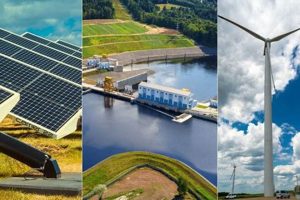
Sustainable energy sources replenished naturally over a relatively short period encompass a diverse range. These resources include solar, wind, hydro, geothermal, and biomass energy. For instance, photovoltaic panels convert sunlight directly into electricity, while wind turbines harness kinetic energy from moving air. Hydropower utilizes the potential energy of water stored at elevation, and geothermal power plants tap into the Earth’s internal heat. Biomass energy derives from organic matter, such as wood, crops, and agricultural waste.
Harnessing these resources offers significant advantages, including reduced reliance on finite fossil fuels and mitigation of greenhouse gas emissions that contribute to climate change. The transition to these sustainable alternatives has gained momentum in recent decades due to growing environmental awareness and technological advancements. Historically, reliance on renewable sources like wind and water power predates the widespread adoption of fossil fuels. The current resurgence represents a return to these fundamental principles, albeit with significantly enhanced technological capabilities.
This article will delve further into each of these sustainable energy options, exploring their underlying mechanisms, current applications, potential for future development, and associated economic and environmental considerations.
Tips for Transitioning to Sustainable Energy Sources
Shifting towards sustainable energy requires careful consideration and strategic planning. The following tips offer guidance for individuals, communities, and businesses seeking to adopt environmentally responsible energy practices.
Tip 1: Conduct an Energy Audit: A comprehensive energy audit assesses current energy consumption patterns, identifying areas for improvement and potential savings. This analysis provides a baseline for evaluating the feasibility of different sustainable energy options.
Tip 2: Explore Local Resources: Certain geographical locations are better suited for specific sustainable energy technologies. Coastal regions may benefit from wind power, while areas with ample sunlight are ideal for solar installations. Leveraging locally available resources maximizes efficiency and minimizes environmental impact.
Tip 3: Consider Scalability and Storage: The ability to scale energy production to meet fluctuating demands is crucial. Incorporating energy storage solutions, such as batteries or pumped hydro, addresses the intermittent nature of some sustainable sources like solar and wind.
Tip 4: Research Government Incentives: Many governments offer financial incentives, such as tax credits and rebates, to encourage the adoption of sustainable energy technologies. Exploring available programs can significantly reduce upfront investment costs.
Tip 5: Invest in Energy-Efficient Appliances: Reducing overall energy consumption minimizes the demand placed on energy sources. Investing in energy-efficient appliances and implementing energy-saving practices, such as improved insulation, complements the transition to sustainable sources.
Tip 6: Engage with the Community: Community-based initiatives, such as shared solar projects or cooperative wind farms, can facilitate the wider adoption of sustainable energy. Engaging with local stakeholders fosters collaboration and accelerates the transition.
Tip 7: Stay Informed about Technological Advancements: The field of sustainable energy is constantly evolving. Staying informed about the latest technological advancements ensures access to the most efficient and cost-effective solutions.
By implementing these strategies, individuals, communities, and businesses can effectively transition towards a more sustainable energy future, reducing environmental impact and fostering long-term energy independence.
These practical steps provide a foundation for making informed decisions about sustainable energy adoption. The subsequent conclusion will summarize the key advantages and reiterate the importance of embracing these vital technologies.
1. Solar

Solar energy, a prominent member of the renewable energy family, harnesses sunlight for direct conversion into electricity or heat. This process relies primarily on photovoltaic (PV) cells, which exhibit the photovoltaic effect a phenomenon where certain materials generate an electric current when exposed to light. Large-scale solar farms, comprised of numerous PV panels, contribute significantly to electricity grids, while smaller rooftop installations empower individual households and businesses. Beyond electricity generation, solar thermal technologies utilize sunlight for heating water and spaces, further diversifying solar energy’s applications. Examples include large-scale solar thermal power plants using mirrors to concentrate sunlight and residential solar water heaters providing domestic hot water. This versatility positions solar as a crucial component within the broader spectrum of renewable energy solutions.
The growing adoption of solar technologies stems from several key advantages. Solar energy offers a clean, emissions-free alternative to fossil fuels, mitigating air pollution and greenhouse gas emissions. Abundant and widely accessible, sunlight presents a virtually inexhaustible resource, reducing dependence on finite fossil fuel reserves. Furthermore, advancements in PV technology have significantly improved efficiency and reduced costs, making solar power increasingly competitive with conventional energy sources. Decentralized solar installations enhance energy security and resilience, particularly in remote areas with limited grid access. Practical examples include off-grid solar systems powering homes in developing countries and emergency solar generators providing backup power during grid outages. These real-world applications demonstrate the tangible benefits and growing importance of solar energy.
Despite its numerous advantages, solar energy faces certain challenges. Intermittency, due to variations in sunlight availability, necessitates energy storage solutions or grid management strategies. Land use requirements for large-scale solar farms can pose environmental considerations, requiring careful site selection and mitigation measures. The initial cost of solar installations, while decreasing, can still present a barrier for some adopters. Addressing these challenges through ongoing research and development, policy support, and innovative financing mechanisms remains crucial for maximizing solar energy’s potential. Ultimately, solar energy plays a pivotal role in the global transition to a sustainable energy future, offering a clean, abundant, and increasingly accessible pathway towards reduced emissions and enhanced energy independence.
2. Wind

Wind energy represents a significant component within the portfolio of renewable energy technologies. Harnessing the kinetic energy of moving air, wind turbines convert this mechanical power into electricity, offering a clean and sustainable alternative to fossil fuels. The increasing prevalence of wind farms, both onshore and offshore, underscores wind energy’s growing contribution to global electricity generation. This section explores key facets of wind energy, highlighting its role, practical applications, and implications within the broader context of renewable energy.
- Turbine Technology:
Wind turbines, the core technology for capturing wind energy, have undergone substantial advancements in recent decades. Modern turbines feature larger rotor diameters and improved aerodynamic designs, maximizing energy capture efficiency. Different turbine types, including horizontal-axis and vertical-axis wind turbines, cater to specific wind conditions and site characteristics. Examples include large-scale horizontal-axis turbines deployed in offshore wind farms and smaller vertical-axis turbines suitable for urban environments. These technological advancements drive the ongoing expansion and cost-effectiveness of wind energy.
- Resource Assessment and Siting:
Effective utilization of wind energy relies on accurate resource assessment and careful site selection. Wind speed and direction, terrain characteristics, and proximity to transmission infrastructure influence the viability and efficiency of wind projects. Sophisticated meteorological models and on-site measurements inform decision-making, optimizing energy yield and minimizing environmental impacts. Examples include wind resource maps identifying high-potential areas and environmental impact assessments evaluating the effects of wind farms on wildlife and ecosystems. Strategic siting maximizes energy production and ensures the sustainable integration of wind projects.
- Grid Integration and Storage:
Integrating wind power into existing electricity grids requires careful management due to wind’s intermittent nature. Grid operators utilize forecasting tools and grid balancing strategies to accommodate fluctuations in wind energy supply. Energy storage solutions, such as batteries or pumped hydro, play an increasingly important role in smoothing out these variations and enhancing grid stability. Examples include grid-scale battery systems providing ancillary services and pumped hydro facilities storing excess wind energy for later use. These technologies address the intermittency challenge and enable greater reliance on wind power.
- Economic and Environmental Considerations:
Wind energy offers significant economic and environmental benefits. Wind projects create jobs in manufacturing, construction, operation, and maintenance. Reduced reliance on fossil fuels mitigates air pollution and greenhouse gas emissions, contributing to climate change mitigation. However, environmental considerations, such as noise pollution and potential impacts on wildlife, require careful assessment and mitigation. Examples include noise mitigation strategies employed in wind farm design and wildlife monitoring programs tracking bird and bat populations. Balancing economic benefits with environmental stewardship ensures the sustainable development of wind energy.
These interconnected facets demonstrate wind energy’s complexity and significance within the broader landscape of renewable energy. Continued technological advancements, strategic policy support, and community engagement will further enhance wind’s contribution to a sustainable energy future. As wind energy capacity expands globally, its role in decarbonizing electricity generation and mitigating climate change becomes increasingly critical. The interplay between technological innovation, economic development, and environmental sustainability will shape the future trajectory of this vital renewable energy resource.
3. Hydropower
Hydropower, a cornerstone of renewable energy generation, harnesses the natural flow and potential energy of water to produce electricity. Representing a mature and widely deployed technology, hydropower plays a significant role in global electricity grids. This section delves into key facets of hydropower, examining its diverse applications, inherent advantages, and associated environmental considerations within the broader context of renewable energy resources.
- Conventional Hydropower:
Conventional hydropower facilities, typically large-scale dams and reservoirs, utilize the gravitational potential energy of stored water. Water released through turbines drives generators, producing electricity. Examples include the Three Gorges Dam in China and the Itaipu Dam on the Brazil-Paraguay border, showcasing the immense power generation capacity of these projects. While offering a reliable and dispatchable energy source, large-scale hydropower can have significant environmental and social impacts, including habitat alteration and displacement of communities. Balancing energy needs with environmental stewardship remains a crucial consideration in the development and operation of conventional hydropower projects.
- Run-of-River Hydropower:
Run-of-river hydropower utilizes the natural flow of rivers without requiring large dams or reservoirs. These systems divert a portion of the river’s flow through a channel or penstock, driving turbines to generate electricity. Examples include small-scale hydropower projects in mountainous regions and installations integrated into existing irrigation systems. Run-of-river projects generally have a lower environmental impact compared to conventional hydropower, minimizing habitat disruption and water flow alterations. This approach offers a more sustainable way to harness the energy potential of rivers while mitigating environmental concerns.
- Pumped Storage Hydropower:
Pumped storage hydropower functions as a giant battery, storing excess electricity during periods of low demand and releasing it during peak demand periods. This technology utilizes two reservoirs at different elevations. During off-peak hours, surplus electricity pumps water from the lower reservoir to the upper reservoir, storing potential energy. During peak demand, water flows back down through turbines, generating electricity. Examples include the Bath County Pumped Storage Station in the United States and the Dinorwig Power Station in Wales, providing grid stability and balancing intermittent renewable energy sources like solar and wind. Pumped storage plays a crucial role in optimizing grid operations and integrating variable renewable energy into electricity systems.
- Emerging Technologies:
Ongoing research and development efforts explore innovative hydropower technologies with reduced environmental impact. These include in-stream hydrokinetic devices that capture energy from river currents without impeding navigation and marine hydrokinetic technologies harnessing the energy of tides, waves, and ocean currents. Examples include tidal barrage systems and wave energy converters, offering promising avenues for future hydropower development. These emerging technologies expand the potential of hydropower to contribute to a sustainable energy mix while minimizing environmental disruptions.
Hydropower, in its various forms, represents a significant component of the renewable energy landscape. From large-scale conventional projects to innovative emerging technologies, hydropower contributes substantially to global electricity generation. Understanding the diverse applications, advantages, and environmental considerations associated with each hydropower approach is essential for informed decision-making and sustainable development. Balancing the need for clean energy with environmental protection remains paramount as hydropower continues to evolve and adapt to the changing energy landscape. The future of hydropower lies in striking this balance effectively, harnessing the power of water responsibly while minimizing its impact on ecosystems and communities.
4. Geothermal

Geothermal energy, derived from the Earth’s internal heat, represents a consistent and reliable source of renewable energy. Unlike solar and wind power, geothermal energy is not subject to weather variability, providing a continuous baseload power supply. This inherent reliability makes geothermal a valuable component within a diversified renewable energy portfolio, contributing to grid stability and reducing reliance on intermittent sources. This section explores key facets of geothermal energy, highlighting its unique characteristics and diverse applications within the broader context of renewable energy.
- Geothermal Power Plants:
Geothermal power plants harness high-temperature geothermal resources, typically found in volcanically active regions, to generate electricity. Steam or hot water extracted from deep underground reservoirs drives turbines connected to generators. Examples include The Geysers geothermal field in California and the Hellisheii Power Station in Iceland, demonstrating the significant power generation capacity of geothermal resources. These power plants provide a consistent and predictable energy supply, contributing to baseload power requirements and grid stability.
- Geothermal Heat Pumps:
Geothermal heat pumps utilize the relatively constant temperature of the shallow subsurface to provide heating and cooling for buildings. These systems circulate fluid through underground loops, exchanging heat with the ground. During winter, heat is extracted from the ground and transferred into buildings, while during summer, heat is extracted from buildings and transferred into the ground. Examples include residential and commercial geothermal heating and cooling systems, offering energy-efficient alternatives to conventional HVAC systems. Geothermal heat pumps reduce energy consumption and greenhouse gas emissions, contributing to building sustainability and energy efficiency.
- Direct Use Applications:
Geothermal resources can be utilized directly for various applications without converting them into electricity. These direct use applications include space heating, industrial processes, agricultural drying, and aquaculture. Examples include geothermal greenhouses utilizing heated water for crop production and geothermal district heating systems providing space heating for entire communities. Direct use applications offer efficient and sustainable alternatives to fossil fuel-based heating systems, reducing reliance on conventional energy sources and minimizing environmental impact.
- Enhanced Geothermal Systems (EGS):
Enhanced geothermal systems (EGS) expand the reach of geothermal energy by accessing hot dry rock formations that lack sufficient permeability for conventional geothermal development. EGS involves injecting water into these formations, creating artificial reservoirs and extracting the heated water to generate electricity. While still under development, EGS holds significant potential for expanding geothermal resources and increasing access to geothermal energy in areas not traditionally suitable for conventional geothermal development. EGS technologies represent an exciting frontier in geothermal energy, potentially unlocking vast untapped resources and further diversifying the renewable energy mix.
Geothermal energy, with its consistent availability and diverse applications, complements other renewable energy sources, forming a vital part of a sustainable energy portfolio. From large-scale power generation to individual building heating and cooling, geothermal offers a reliable and environmentally responsible energy solution. As technology advances and exploration expands, geothermal energy is poised to play an increasingly important role in meeting global energy demands while mitigating climate change. The inherent advantages of geothermal, coupled with ongoing innovation, position it as a key contributor to a cleaner and more sustainable energy future.
5. Biomass

Biomass, a renewable energy source derived from organic matter, plays a significant role in the global energy landscape. Unlike fossil fuels, which represent ancient biomass converted over geological timescales, biomass represents a contemporary carbon cycle, offering a potentially carbon-neutral energy pathway. This section explores the multifaceted nature of biomass energy, highlighting its diverse forms, applications, and implications within the context of renewable energy.
- Sources and Forms of Biomass:
Biomass encompasses a wide range of organic materials, including wood, agricultural residues, energy crops, and organic waste. These materials can be utilized directly as fuel or converted into secondary biofuels such as bioethanol, biodiesel, and biogas. Examples include wood pellets used for heating, biodiesel powering vehicles, and biogas generated from anaerobic digestion of organic waste. The diverse sources and forms of biomass provide flexibility and adaptability to various energy needs and applications.
- Bioenergy Conversion Technologies:
Various technologies convert biomass into usable energy forms. Combustion directly burns biomass to generate heat or electricity. Gasification converts biomass into a gaseous fuel, syngas, which can be used for power generation or chemical production. Pyrolysis decomposes biomass in the absence of oxygen, producing biochar, bio-oil, and syngas. Anaerobic digestion breaks down organic matter in the absence of oxygen, producing biogas, primarily methane, for electricity generation or heating. Examples include biomass power plants utilizing combustion, gasification facilities producing syngas, and anaerobic digesters converting organic waste into biogas. These technologies provide pathways for efficient and sustainable utilization of biomass resources.
- Sustainable Biomass Management:
Sustainable biomass management is crucial for ensuring the long-term viability and environmental benefits of biomass energy. Sustainable practices include responsible harvesting of wood and other biomass resources, avoiding deforestation and land degradation. Utilizing agricultural residues and dedicated energy crops reduces competition with food production and promotes land use efficiency. Proper management of biomass resources minimizes environmental impacts and ensures the long-term sustainability of biomass energy production. Examples include sustainable forestry practices and the cultivation of dedicated energy crops on marginal lands. These practices balance energy needs with environmental protection, maximizing the benefits of biomass energy while minimizing negative impacts.
- Environmental and Economic Considerations:
Biomass energy offers potential environmental and economic benefits. Sustainable biomass utilization can be carbon-neutral, as the carbon released during combustion is offset by the carbon absorbed during plant growth. Biomass energy can contribute to rural development and create jobs in biomass production, processing, and utilization. However, certain environmental considerations, such as air pollution from biomass combustion and potential land use change associated with biomass production, require careful assessment and mitigation. Balancing environmental benefits with potential drawbacks is crucial for maximizing the positive impacts of biomass energy. Examples include air quality monitoring near biomass power plants and life cycle assessments evaluating the overall environmental impact of biomass energy pathways. These assessments guide decision-making and promote the sustainable development of biomass energy.
Biomass energy, as a versatile and potentially carbon-neutral renewable resource, plays a crucial role in diversifying energy supplies and mitigating climate change. Sustainable biomass management and efficient conversion technologies are essential for maximizing the benefits of biomass while minimizing potential environmental impacts. As technology advances and sustainable practices improve, biomass energy will continue to contribute significantly to a more sustainable and secure energy future, complementing other renewable energy sources and fostering a transition away from fossil fuel dependence.
6. Ocean

Ocean energy, derived from various marine sources, represents a vast and largely untapped renewable energy resource. Harnessing the power of tides, waves, currents, and thermal gradients offers a sustainable pathway to diversify energy supplies and reduce reliance on fossil fuels. The inherent advantages of ocean energy, including its predictability and high energy density, position it as a promising contributor to future energy systems. This section explores key facets of ocean energy, examining its diverse forms and potential within the broader context of renewable energy.
- Tidal Energy:
Tidal energy captures the predictable rise and fall of ocean tides to generate electricity. Tidal barrages, similar to dams, utilize the difference in water level between high and low tides to drive turbines. Tidal stream systems harness the kinetic energy of flowing tidal currents using underwater turbines. Examples include the La Rance tidal power plant in France and the MeyGen tidal stream project in Scotland. Tidal energy offers a predictable and reliable energy source, although its deployment can be geographically constrained and potentially impact marine ecosystems. Careful site selection and environmental impact assessments are crucial for minimizing potential adverse effects.
- Wave Energy:
Wave energy converters capture the kinetic energy of ocean waves to generate electricity. Various technologies exist, including oscillating water columns, point absorbers, and overtopping devices. These devices utilize the motion of waves to drive turbines or generate hydraulic pressure, which is then converted into electricity. Examples include the Wave Dragon overtopping device and the Pelamis wave energy converter. Wave energy offers significant potential due to the vast energy resource available in ocean waves, although technological challenges and cost considerations remain barriers to widespread deployment. Ongoing research and development efforts aim to improve the efficiency and cost-competitiveness of wave energy technologies.
- Ocean Current Energy:
Ocean current energy harnesses the kinetic energy of consistent ocean currents to generate electricity. Underwater turbines, similar to wind turbines, are deployed in areas with strong currents to capture this energy. Examples include the Florida Current and the Gulf Stream, which hold significant potential for ocean current energy development. This technology is still in its early stages of development, but it offers a promising pathway for harnessing the vast energy resource present in ocean currents. Further research and technological advancements are needed to optimize the efficiency and scalability of ocean current energy systems.
- Ocean Thermal Energy Conversion (OTEC):
Ocean thermal energy conversion (OTEC) utilizes the temperature difference between warm surface waters and cold deep ocean waters to generate electricity. OTEC systems operate in tropical and subtropical regions where this temperature difference is significant. Warm surface water vaporizes a working fluid, which drives a turbine connected to a generator. Cold deep ocean water then condenses the working fluid, completing the cycle. Examples include pilot OTEC plants in Hawaii and Japan. While OTEC offers a continuous baseload power source, its deployment is limited to specific geographic locations and faces technological and economic challenges. Further research and development are needed to reduce costs and improve the efficiency of OTEC systems.
Ocean energy, encompassing these diverse technologies, represents a significant opportunity to expand renewable energy resources and reduce greenhouse gas emissions. While each technology faces unique challenges, ongoing research, technological advancements, and strategic policy support are driving the development and deployment of ocean energy systems. As these technologies mature and become more cost-competitive, ocean energy is poised to play an increasingly important role in the global transition to a sustainable energy future, complementing other renewable sources and contributing to a diversified and resilient energy mix. The vast potential of the world’s oceans offers a promising pathway towards a cleaner and more sustainable energy future.
7. Hydrogen

Hydrogen, while not a primary energy source itself, serves as an energy carrier with significant implications for renewable energy systems. Its connection to renewable energy stems primarily from its production methods and potential applications. Electrolysis, powered by renewable electricity sources like solar and wind, splits water into hydrogen and oxygen, offering a clean and sustainable pathway for hydrogen production. This “green hydrogen” offers a promising alternative to hydrogen produced from fossil fuels, decoupling hydrogen production from greenhouse gas emissions. The increasing availability of cost-competitive renewable electricity is driving the growth of green hydrogen production, paving the way for a decarbonized hydrogen economy. Examples include projects utilizing solar and wind power to produce green hydrogen for industrial applications and fuel cell vehicles. These initiatives demonstrate the practical connection between renewable energy and hydrogen production.
Hydrogen’s versatility as an energy carrier extends its role within the renewable energy landscape. It can be stored for extended periods, addressing the intermittency challenges associated with solar and wind power. Hydrogen can be transported over long distances through pipelines or in liquid form, facilitating energy trade and distribution. Furthermore, hydrogen can be used as a fuel for transportation, industry, and power generation, offering a decarbonization pathway across various sectors. Fuel cell vehicles powered by hydrogen emit only water vapor, providing a clean alternative to conventional internal combustion engine vehicles. Industrial processes, such as steel production and ammonia synthesis, can utilize hydrogen to reduce reliance on fossil fuels. Power plants can utilize hydrogen in gas turbines or fuel cells to generate electricity. These diverse applications demonstrate the practical significance of hydrogen as a component of a sustainable energy system.
Realizing the full potential of hydrogen as a key enabler of the renewable energy transition requires addressing several challenges. The cost of green hydrogen production remains relatively high compared to hydrogen produced from fossil fuels. Scaling up production and distribution infrastructure requires significant investment. Furthermore, improving the efficiency and durability of hydrogen storage and transportation technologies is crucial for widespread adoption. However, ongoing research, technological advancements, and supportive policies are driving progress in these areas. The growing recognition of hydrogen’s importance in achieving decarbonization goals is fostering innovation and investment in the hydrogen economy. As the cost of renewable electricity continues to decline and hydrogen technologies mature, the connection between hydrogen and renewable energy will strengthen, paving the way for a cleaner, more sustainable, and resilient energy future.
Frequently Asked Questions about Renewable Energy
This section addresses common inquiries regarding sustainable energy sources, aiming to provide clear and concise information.
Question 1: What are the primary advantages of transitioning to sustainable energy sources?
Key benefits include reduced greenhouse gas emissions, decreased reliance on finite fossil fuels, enhanced energy security, and the creation of economic opportunities within the renewable energy sector.
Question 2: How do sustainable energy sources contribute to mitigating climate change?
Sustainable energy technologies generate electricity with significantly lower greenhouse gas emissions compared to fossil fuel-based power plants, thus reducing the human impact on the climate system.
Question 3: What is the role of energy storage in maximizing the effectiveness of variable renewable sources like solar and wind?
Energy storage technologies, such as batteries and pumped hydro, store surplus energy generated during periods of high solar or wind resource availability. This stored energy can then be dispatched during periods of lower generation or higher demand, ensuring a reliable and consistent power supply.
Question 4: What are the key barriers to wider adoption of sustainable energy technologies?
Challenges include upfront investment costs, intermittency of certain resources, grid integration complexities, and the need for continued technological advancements and supportive policies.
Question 5: How can individuals and communities contribute to the transition to sustainable energy?
Individuals can reduce energy consumption through efficiency measures, invest in rooftop solar installations, and support policies promoting renewable energy development. Communities can explore community-owned renewable energy projects and implement sustainable energy plans.
Question 6: What is the long-term outlook for the renewable energy sector?
The renewable energy sector is projected to experience continued growth driven by declining costs, technological advancements, increasing public awareness of climate change, and supportive government policies. The transition to a sustainable energy future represents a global imperative and a significant economic opportunity.
This FAQ section offers a concise overview of key aspects of renewable energy. Further exploration of specific technologies and their respective applications will provide a deeper understanding of their contributions to a sustainable energy future.
The following section will delve into detailed case studies illustrating successful implementations of renewable energy projects worldwide.
Conclusion
Exploration of diverse renewable energy resources reveals significant potential for a sustainable energy future. Solar, wind, hydro, geothermal, biomass, ocean, and hydrogen technologies offer distinct advantages and address specific energy needs. From established technologies like hydropower to emerging innovations in ocean energy, the spectrum of renewable energy solutions provides a pathway to reduce reliance on finite fossil fuels and mitigate the environmental impacts of energy production. Technological advancements, supportive policies, and increasing public awareness are driving the growth and adoption of these vital resources, fostering a global transition toward a cleaner energy landscape.
The transition to a future powered by renewable energy represents not merely a technological shift, but a fundamental societal transformation. Embracing these resources requires a collective commitment to sustainable practices, ongoing innovation, and strategic investment. The long-term benefitsa cleaner environment, enhanced energy security, and a more sustainable futurewarrant continued dedication to the advancement and integration of renewable energy technologies worldwide. The imperative to mitigate climate change and ensure a healthy planet for future generations underscores the critical importance of accelerating the transition to renewable energy sources. Only through sustained effort and global collaboration can the full potential of these vital resources be realized, ensuring a sustainable and prosperous future for all.