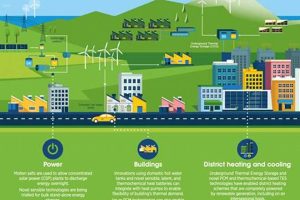
Harnessing power from sources like solar, wind, hydro, geothermal, and biomass offers numerous advantages over traditional fossil fuels. For instance, a solar farm can provide clean electricity to thousands of homes without emitting greenhouse gases, unlike a coal-fired power plant.
The increasing adoption of these resources contributes significantly to environmental protection by reducing reliance on finite resources and mitigating the effects of climate change. Historically, energy production has been heavily reliant on fossil fuels, leading to detrimental environmental consequences. The shift towards sustainable alternatives marks a crucial step towards a cleaner, more secure energy future.
This discussion will further explore the specific advantages of each renewable energy source, examining their economic viability, technological advancements, and overall contribution to a sustainable energy landscape.
Tips for Supporting Renewable Energy Adoption
Promoting wider use of sustainable energy sources requires a multi-pronged approach involving individual actions, policy changes, and technological advancements. The following tips offer practical guidance for contributing to this crucial transition.
Tip 1: Invest in Energy-Efficient Appliances: Choosing appliances with high energy efficiency ratings reduces overall energy consumption, lessening the demand placed on both renewable and non-renewable energy sources. Look for Energy Star certifications and consider the long-term operational costs.
Tip 2: Support Renewable Energy Initiatives: Advocate for policies that incentivize renewable energy development and deployment. This might include supporting tax credits for renewable energy installations or participating in community solar projects.
Tip 3: Reduce Energy Consumption: Simple changes in daily habits, such as turning off lights when leaving a room or using public transportation, can significantly reduce overall energy demand.
Tip 4: Explore Residential Renewable Energy Options: Consider installing solar panels on homes or investigating other residential renewable energy solutions, such as geothermal heat pumps. These installations can provide clean energy and potentially reduce household energy bills.
Tip 5: Educate Others about the Advantages of Renewable Energy: Sharing information about the environmental and economic benefits of sustainable energy can encourage wider adoption and support for these technologies.
Tip 6: Support Businesses Committed to Sustainability: Choosing to patronize businesses that prioritize renewable energy use sends a powerful message to the market and encourages further adoption of sustainable practices.
By embracing these suggestions, individuals and communities can contribute meaningfully to the transition towards a cleaner, more sustainable energy future. These actions not only benefit the environment but also foster economic growth and energy independence.
The transition to a future powered by sustainable energy sources requires collective action and informed decision-making. Further exploration of specific renewable technologies and their applications will provide a more comprehensive understanding of the path forward.
1. Clean Energy Generation

Clean energy generation stands as a cornerstone of the advantages offered by renewable energy sources. It represents a fundamental shift away from traditional, pollution-heavy energy production towards environmentally friendly methods. This transition has profound implications for both environmental sustainability and human well-being.
- Reduced Air Pollution:
Unlike fossil fuels, renewable energy sources produce little to no air pollutants such as sulfur oxides, nitrogen oxides, and particulate matter. These pollutants contribute to respiratory illnesses, smog, and acid rain. Solar and wind power, for example, generate electricity without releasing harmful emissions into the atmosphere, improving air quality and public health.
- Lower Greenhouse Gas Emissions:
Renewable energy sources significantly reduce greenhouse gas emissions, the primary driver of climate change. The combustion of fossil fuels releases large amounts of carbon dioxide, while renewable sources like hydro, geothermal, and biomass offer significantly lower or even near-zero carbon emissions throughout their lifecycle. This reduction is crucial for mitigating the effects of climate change and preserving the planet for future generations.
- Water Conservation:
While some renewable energy technologies, like hydropower, utilize water resources, many others, such as solar and wind, require minimal water for operation. This is a significant advantage over traditional thermoelectric power plants, which consume vast amounts of water for cooling purposes, often straining local water supplies. The reduced water footprint of many renewable technologies makes them a more sustainable choice in water-stressed regions.
- Decreased Land Degradation:
While some renewable energy installations require land use, their overall impact on land degradation is often significantly less than that of fossil fuel extraction. For example, while wind farms require land for turbine placement, the land beneath the turbines can often still be used for agriculture or other purposes. Furthermore, renewable energy avoids the environmentally damaging practices associated with fossil fuel extraction, such as mountaintop removal mining and hydraulic fracturing.
These facets of clean energy generation collectively contribute to the broader environmental, social, and economic benefits of renewable energy. The shift towards clean energy represents not just a technological advancement, but a fundamental step towards a more sustainable and equitable future, addressing critical challenges such as climate change, air pollution, and resource depletion.
2. Resource Abundance

Resource abundance forms a critical pillar supporting the advantages of renewable energy. Unlike fossil fuels, which are finite and geographically concentrated, renewable resources are virtually inexhaustible and available across the globe. This inherent characteristic of renewable energy offers significant benefits in terms of energy security, price stability, and equitable access.
Solar energy, derived from sunlight, is a prime example of resource abundance. The sun provides a continuous and vast supply of energy, far exceeding global energy demands. Similarly, wind energy, harnessed from wind patterns driven by atmospheric pressure differences and the Earth’s rotation, represents another abundant resource. Geothermal energy, derived from the Earth’s internal heat, and hydropower, utilizing the energy of flowing water, are further examples of resources readily available in many regions. This abundance translates to a more secure energy future, reducing dependence on finite resources and mitigating the geopolitical risks associated with fossil fuel dependence. For instance, nations with limited domestic fossil fuel reserves can achieve greater energy independence by harnessing their local renewable resources, like solar or wind potential, thereby bolstering their energy security and reducing vulnerability to price fluctuations in global fossil fuel markets.
The abundance of renewable resources offers a pathway towards a more decentralized and democratic energy system. Communities and individuals can generate their own power using locally available resources, reducing reliance on centralized power plants and large utility companies. This distributed generation model enhances energy resilience, particularly in the face of natural disasters or grid disruptions. Furthermore, it empowers local communities by creating economic opportunities related to renewable energy development and deployment. While challenges remain in terms of intermittency and storage of some renewable resources, continued technological advancements are steadily addressing these issues, making resource abundance an increasingly compelling advantage of renewable energy systems.
3. Reduced Emissions

Reduced emissions represent a crucial link between renewable energy and environmental sustainability. The combustion of fossil fuels for energy production releases substantial quantities of greenhouse gases, primarily carbon dioxide, into the atmosphere. These gases trap heat, contributing significantly to global warming and climate change. Renewable energy sources, in contrast, offer a pathway to drastically reduce these emissions. Solar and wind power, for instance, generate electricity without directly emitting greenhouse gases. Hydropower, while having some emissions associated with reservoir construction and operation, generally exhibits a much lower carbon footprint than fossil fuel-based power generation. The shift towards renewable energy therefore directly addresses a primary driver of climate change, mitigating its potential impacts on ecosystems, human health, and global economies. This reduction is not merely theoretical; real-world data demonstrate the quantifiable impact of renewable energy deployment on emissions reductions. Countries with significant renewable energy penetration have witnessed demonstrable decreases in their greenhouse gas emissions profiles, showcasing the practical efficacy of this approach.
The connection between reduced emissions and the benefits of renewable energy extends beyond climate change mitigation. Fossil fuel combustion also releases air pollutants, such as sulfur oxides and nitrogen oxides, which contribute to respiratory problems and other health issues. Renewable energy sources minimize these emissions, improving air quality and public health outcomes. Furthermore, the transition to renewable energy can reduce reliance on fossil fuel extraction, which often involves environmentally damaging practices like mining and drilling. By minimizing these activities, renewable energy indirectly contributes to ecosystem preservation and reduces the risk of environmental disasters associated with fossil fuel extraction. For example, the decreased reliance on coal-fired power plants lessens the demand for coal mining, reducing habitat destruction and water pollution associated with this activity. This multifaceted impact underscores the importance of reduced emissions as a core component of the benefits offered by renewable energy.
The practical significance of understanding the relationship between reduced emissions and renewable energy is paramount for informing policy decisions and driving technological innovation. Accurate emissions accounting and lifecycle assessments are essential for evaluating the true environmental impact of different energy sources and guiding investment decisions. Further research and development in areas like energy storage and grid management are crucial for maximizing the emissions reduction potential of renewable energy. Addressing the intermittency challenges associated with some renewable sources, like solar and wind, will further enhance their ability to displace fossil fuels and drive deeper emissions cuts. Ultimately, the pursuit of reduced emissions through renewable energy adoption represents a critical step towards a sustainable future, ensuring the health of the planet and the well-being of future generations.
4. Sustainable Development

Sustainable development hinges on meeting present needs without compromising the ability of future generations to meet their own. Renewable energy plays a crucial role in achieving this balance, offering a pathway towards economic growth, social equity, and environmental protection. The inherent characteristics of renewable resources align directly with the core principles of sustainability, providing a foundation for long-term societal well-being.
- Environmental Stewardship:
Renewable energy sources minimize environmental impacts compared to fossil fuels. Reduced greenhouse gas emissions, decreased air and water pollution, and lower land degradation contribute to ecosystem health and resource preservation. For example, transitioning from coal-fired power plants to solar farms reduces air pollution and mitigates climate change, safeguarding natural resources for future generations.
- Economic Opportunity:
The renewable energy sector fosters economic growth by creating jobs in manufacturing, installation, maintenance, and research. Investing in renewable energy technologies stimulates innovation and diversifies economic activities, promoting long-term economic stability. The growth of the solar panel manufacturing industry, for example, has created numerous employment opportunities globally.
- Social Equity:
Renewable energy can enhance energy access in remote or underserved communities, promoting social equity. Decentralized renewable energy systems, such as off-grid solar installations, empower communities by providing reliable electricity access, improving living standards, and fostering opportunities for education and economic development.
- Resource Security:
Unlike finite fossil fuels, renewable resources are virtually inexhaustible. This abundance ensures long-term energy security, reducing dependence on volatile global fuel markets and geopolitical instability. Harnessing local renewable resources, such as wind or solar, strengthens national energy independence and resilience.
These interconnected facets of sustainable development highlight the crucial role of renewable energy in building a resilient and equitable future. By transitioning towards renewable energy systems, societies can address pressing environmental challenges while simultaneously promoting economic growth and social well-being. This integrated approach is not merely a desirable outcome, but a necessary condition for achieving true sustainability.
5. Economic Growth

Renewable energy technologies offer significant potential to stimulate economic growth and create new economic opportunities. The transition to a renewable energy-based economy requires investment in research and development, manufacturing, installation, and maintenance, generating employment across various skill levels. Furthermore, the decentralized nature of many renewable energy technologies fosters local economic development and enhances energy independence, reducing reliance on volatile global energy markets.
- Job Creation:
The renewable energy sector is a significant job creator. Manufacturing solar panels, wind turbines, and other renewable energy technologies requires a skilled workforce. Installation, maintenance, and grid integration of these technologies further contribute to job growth. For example, the solar industry has consistently outpaced overall job growth in many economies, demonstrating the employment potential of renewable energy.
- Investment Opportunities:
Renewable energy projects attract significant investment, both public and private. Developing and deploying renewable energy technologies requires substantial capital investment, stimulating economic activity and fostering innovation. Investment in renewable energy infrastructure, such as wind farms and solar parks, creates long-term economic benefits and contributes to sustainable development.
- Local Economic Development:
Renewable energy projects often benefit local economies. Developing and operating renewable energy facilities in rural areas can create jobs and generate revenue for local communities. For instance, a wind farm built in a rural community can provide lease payments to landowners, property tax revenue to local governments, and employment opportunities for local residents.
- Energy Independence and Price Stability:
Renewable energy sources can reduce dependence on imported fossil fuels, enhancing energy independence and mitigating the economic risks associated with volatile global energy markets. This stability helps insulate economies from price fluctuations and supply disruptions, contributing to long-term economic security. For example, a nation heavily reliant on imported oil can reduce its trade deficit and enhance its energy security by investing in domestic renewable energy resources.
These economic benefits underscore the potential of renewable energy to drive sustainable economic growth. The transition to a renewable energy-based economy not only mitigates the environmental impacts of fossil fuels but also creates new economic opportunities, fosters innovation, and enhances energy security. This synergistic relationship between economic growth and renewable energy is a crucial driver of a sustainable future.
6. Energy Independence
Energy independence represents a critical aspect of national security and economic stability. Reliance on imported fossil fuels creates vulnerabilities to price volatility, supply disruptions, and geopolitical tensions. Renewable energy offers a pathway to reduce this dependence, enhancing energy security and fostering greater control over domestic energy resources. The distributed nature of renewable energy generation further strengthens resilience by diversifying energy sources and reducing reliance on centralized power systems.
- Reduced Reliance on Foreign Energy Sources:
Renewable energy development reduces the need to import fossil fuels from other countries. This decreased reliance minimizes vulnerability to geopolitical events, trade disputes, and price fluctuations in global energy markets. A nation with substantial solar and wind resources, for example, can generate a greater share of its electricity domestically, reducing its dependence on imported oil or natural gas.
- Enhanced National Security:
Energy independence strengthens national security by reducing reliance on potentially unstable or hostile foreign energy suppliers. Control over domestic energy resources provides greater flexibility in foreign policy and reduces the risk of energy supply disruptions during times of international conflict. Investing in domestic renewable energy infrastructure, such as wind farms or hydroelectric dams, enhances a nation’s energy security and strategic autonomy.
- Increased Energy Resilience:
Decentralized renewable energy generation, such as rooftop solar panels and community wind turbines, enhances energy resilience by diversifying energy sources and reducing reliance on centralized power plants. This distributed generation model makes the energy system less vulnerable to widespread outages caused by natural disasters or cyberattacks. For example, homes equipped with solar panels and battery storage can maintain power during grid disruptions, enhancing community resilience.
- Economic Benefits:
Investing in renewable energy creates domestic jobs in manufacturing, installation, maintenance, and research. This economic activity stimulates local economies and reduces the outflow of capital associated with importing fossil fuels. Furthermore, energy independence can stabilize energy prices, shielding consumers and businesses from the volatility of global energy markets. A local solar panel manufacturing facility, for instance, creates jobs and generates economic activity within the community.
These facets of energy independence demonstrate the crucial role of renewable energy in strengthening national security, promoting economic stability, and enhancing resilience. The transition to a renewable energy future not only mitigates environmental challenges but also empowers nations and communities to control their energy destinies, fostering a more secure and sustainable world.
7. Climate Change Mitigation

Climate change mitigation represents a global imperative, demanding a fundamental shift in energy production and consumption patterns. Renewable energy technologies offer a critical pathway to mitigate the effects of climate change by drastically reducing greenhouse gas emissions, the primary driver of global warming. The transition to a renewable energy-based economy is not merely a technological challenge but a crucial step towards ensuring a sustainable future for generations to come.
- Reduced Greenhouse Gas Emissions:
Renewable energy sources, such as solar, wind, hydro, and geothermal, produce little to no greenhouse gas emissions during operation. This stands in stark contrast to fossil fuels, the combustion of which releases large quantities of carbon dioxide, methane, and other greenhouse gases into the atmosphere. Replacing fossil fuel-based power plants with renewable energy facilities directly reduces emissions, mitigating the primary driver of climate change. For example, replacing a coal-fired power plant with a wind farm eliminates the emissions associated with coal combustion, significantly reducing the facility’s carbon footprint.
- Decarbonizing the Energy Sector:
The energy sector is a major contributor to global greenhouse gas emissions. Transitioning to renewable energy sources decarbonizes this sector, reducing its contribution to climate change. Electrifying transportation, heating, and industrial processes using renewable electricity further reduces emissions across multiple sectors. For instance, replacing gasoline-powered vehicles with electric vehicles charged by renewable energy sources significantly reduces transportation emissions.
- Mitigating the Impacts of Climate Change:
Climate change poses significant risks to ecosystems, human health, and global economies. Mitigating these impacts requires reducing greenhouse gas emissions to limit the extent of global warming. Renewable energy offers a crucial tool for achieving this goal. By reducing emissions, renewable energy helps mitigate the risks of sea-level rise, extreme weather events, and disruptions to agricultural systems. Investing in renewable energy infrastructure, such as seawalls powered by renewable energy, can help protect coastal communities from rising sea levels.
- Promoting Sustainable Development:
Climate change mitigation is an integral part of sustainable development. Renewable energy contributes to sustainable development by addressing environmental challenges while simultaneously promoting economic growth and social equity. Investing in renewable energy technologies creates jobs, stimulates innovation, and enhances energy security, all of which contribute to sustainable development goals. For example, deploying solar mini-grids in rural communities provides access to clean energy, supports local economic development, and enhances community resilience.
These facets of climate change mitigation highlight the indispensable role of renewable energy in addressing this global challenge. The transition to a renewable energy future is not merely an environmental imperative but a crucial step towards building a more sustainable, resilient, and equitable world. The continued development and deployment of renewable energy technologies, coupled with supportive policies and international cooperation, are essential for achieving meaningful climate change mitigation and securing a sustainable future for all.
Frequently Asked Questions about Renewable Energy Benefits
This section addresses common inquiries regarding the advantages of transitioning to renewable energy sources. Clear and concise responses provide factual information to clarify potential uncertainties and misconceptions.
Question 1: How do renewable energy sources contribute to climate change mitigation?
Renewable energy sources, unlike fossil fuels, produce little to no greenhouse gas emissions during operation. Utilizing these resources reduces reliance on fossil fuels, directly mitigating a primary driver of climate change.
Question 2: Are renewable energy technologies reliable and consistent?
While some renewable sources, like solar and wind, are intermittent, advancements in energy storage technologies and grid management systems are increasing their reliability and integration into existing energy infrastructure. Diversifying renewable energy sources and implementing smart grid technologies further enhance system stability.
Question 3: What is the economic impact of transitioning to renewable energy?
Transitioning to renewable energy creates economic opportunities through investments in research, development, manufacturing, installation, and maintenance. Furthermore, it can enhance energy independence, reducing reliance on volatile global energy markets and fostering local economic development.
Question 4: How does renewable energy impact land use and environmental sustainability?
While renewable energy installations require land use, their overall impact is often less than that of fossil fuel extraction. Careful planning and siting minimize environmental disruption. Furthermore, renewable energy avoids the detrimental environmental impacts associated with fossil fuel extraction, such as habitat destruction and water contamination.
Question 5: What are the social benefits of renewable energy adoption?
Renewable energy can improve air and water quality, benefiting public health. It also enhances energy access in remote or underserved communities, fostering social equity and promoting sustainable development. Decentralized renewable energy systems can empower local communities by providing greater control over energy resources.
Question 6: What role does government policy play in promoting renewable energy?
Supportive government policies, such as tax incentives, renewable portfolio standards, and research funding, are essential for accelerating the adoption of renewable energy technologies. These policies create a favorable investment climate and incentivize the development and deployment of renewable energy infrastructure.
Understanding the benefits of renewable energy is crucial for informed decision-making and effective policy development. The transition to a sustainable energy future requires a comprehensive approach encompassing technological advancements, policy support, and public awareness.
Further exploration of specific renewable energy technologies and their applications will provide a more detailed understanding of the path towards a cleaner, more secure, and sustainable energy future.
The Benefits of Renewable Energy
Exploration of the advantages associated with renewable energy reveals a multifaceted impact encompassing environmental, economic, and social dimensions. Reduced greenhouse gas emissions, decreased reliance on finite resources, and the creation of economic opportunities underscore the transformative potential of these technologies. From mitigating climate change to enhancing energy independence and fostering sustainable development, the benefits of renewable energy offer a compelling argument for widespread adoption.
The transition to a renewable energy-based future requires concerted global effort. Continued technological advancements, supportive policy frameworks, and informed public discourse are crucial for realizing the full potential of renewable energy. Embracing these technologies represents not merely a technological shift but a fundamental step towards a more sustainable, secure, and prosperous future for all.