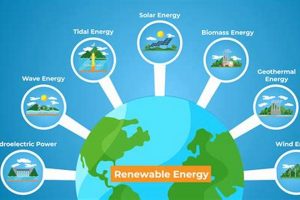
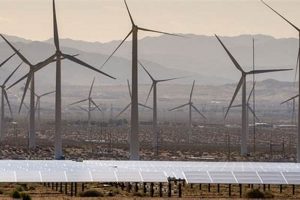
Academic programs focused on sustainable energy sources provide specialized knowledge and training for careers in designing, developing, and implementing technologies like solar, wind, hydro, and geothermal power. These programs often incorporate elements of engineering, environmental science, and policy, preparing graduates for diverse roles in the growing renewable energy sector. For instance, a curriculum might cover topics such as photovoltaic systems, wind turbine design, energy storage solutions, and grid integration.
The demand for expertise in renewable energy technologies is rapidly increasing due to the global shift towards sustainable practices and the urgent need to address climate change. A strong educational foundation in this field equips individuals with the skills to contribute to a cleaner energy future, promoting environmental sustainability and energy independence. The evolution of renewable energy education reflects the ongoing advancements in these technologies, from early research on solar panels to the sophisticated smart grids of today.
The following sections will delve into specific academic pathways, highlighting the diverse specializations within renewable energy studies and exploring career opportunities for graduates.
Tips for Choosing a Renewable Energy Program
Selecting the right academic path in renewable energy requires careful consideration of individual career goals and interests. The following tips offer guidance for navigating the diverse educational landscape in this dynamic field.
Tip 1: Identify Specific Interests: Renewable energy encompasses a broad spectrum of specializations, from solar photovoltaic technology to bioenergy and geothermal systems. Focusing on a particular area of interest allows for a more targeted educational experience.
Tip 2: Research Program Accreditation: Accreditation ensures that a program meets specific quality standards and provides a robust curriculum aligned with industry best practices. Look for programs accredited by recognized engineering or environmental science organizations.
Tip 3: Consider Career Goals: Different career paths, such as research, engineering, or policy, require distinct skill sets. Align program selection with desired career outcomes, considering whether a focus on research, design, implementation, or policy is preferred.
Tip 4: Evaluate Faculty Expertise: The faculty’s experience and research focus significantly impact the quality of education. Investigating faculty profiles and research publications can offer insights into a program’s strengths.
Tip 5: Explore Internship Opportunities: Practical experience gained through internships provides valuable real-world application of theoretical knowledge. Programs with established internship partnerships offer an advantage in career development.
Tip 6: Assess Program Resources: Access to state-of-the-art laboratories, research facilities, and industry-standard software enhances the learning experience and prepares graduates for the demands of the professional field.
Tip 7: Network with Professionals: Connecting with professionals working in renewable energy offers valuable insights into the industry and potential career pathways. Attending industry events and joining professional organizations can facilitate networking opportunities.
By carefully considering these factors, individuals can make informed decisions about their education and position themselves for success in the rapidly evolving renewable energy sector.
In conclusion, a well-chosen educational path is crucial for contributing to the growth and development of the renewable energy industry. The subsequent sections will offer further guidance on career prospects and resources for continued learning.
1. Engineering (e.g., Electrical, Mechanical)

Engineering disciplines, particularly electrical and mechanical engineering, provide a crucial foundation for careers in renewable energy. These fields offer the technical expertise required to design, develop, and implement the complex systems that harness sustainable energy sources.
- Power Systems Engineering
This specialization focuses on the generation, transmission, and distribution of electrical power, including integration of renewable energy sources into existing grids. For example, power systems engineers design the infrastructure required to connect large-scale solar farms or offshore wind turbines to the electrical grid, ensuring stability and reliability. A deep understanding of power electronics, control systems, and grid management is essential for optimizing renewable energy integration.
- Mechanical Design and Thermodynamics
Mechanical engineers contribute to renewable energy systems by designing and optimizing the mechanical components of technologies such as wind turbines, hydropower systems, and concentrated solar power plants. Knowledge of thermodynamics is crucial for analyzing energy conversion processes and improving the efficiency of these systems. For instance, a mechanical engineer might work on optimizing the blade design of a wind turbine to maximize energy capture.
- Control Systems and Automation
Renewable energy systems rely heavily on sophisticated control systems to optimize performance and ensure safe operation. Control systems engineers develop and implement algorithms that regulate the output of renewable energy sources, responding to fluctuating environmental conditions and grid demands. This expertise is vital for integrating renewable energy into smart grids and managing distributed generation systems.
- Materials Science and Engineering
Materials science plays a critical role in advancing renewable energy technologies. Engineers in this field research and develop new materials with improved performance characteristics for applications such as solar cells, batteries, and wind turbine blades. Innovations in materials science contribute to greater efficiency, durability, and cost-effectiveness of renewable energy systems. For example, research on high-efficiency photovoltaic materials directly impacts the performance of solar panels.
These engineering specializations offer distinct yet interconnected pathways for contributing to the renewable energy transition. Graduates with these skills are well-equipped to address the technical challenges of developing and deploying sustainable energy solutions, playing a vital role in creating a cleaner and more secure energy future. Further specialization within these fields, such as focusing on offshore wind energy or energy storage technologies, can provide even more targeted career opportunities.
2. Environmental Science

Environmental science provides a critical foundation for understanding the ecological context of renewable energy development. It explores the complex interactions between energy systems and the natural environment, assessing both the benefits and potential impacts of renewable energy technologies. This interdisciplinary field encompasses areas such as ecology, conservation biology, atmospheric science, and environmental chemistry, offering a holistic perspective on the sustainability of energy solutions. For instance, environmental scientists assess the land use requirements of large-scale solar farms, analyzing potential effects on biodiversity and ecosystem services. Similarly, they evaluate the impact of wind turbines on bird and bat populations, informing mitigation strategies and sustainable siting practices.
Understanding the environmental impacts of renewable energy projects is crucial for ensuring their long-term sustainability. Life cycle assessments (LCAs) quantify the environmental footprint of different energy technologies, from resource extraction and manufacturing to operation and decommissioning. This information guides decision-making processes, allowing for comparisons between different renewable energy options and conventional fossil fuel-based systems. For example, LCAs can compare the carbon emissions associated with solar panel production to the emissions avoided by displacing fossil fuel-based electricity generation. Furthermore, environmental scientists contribute to developing strategies for minimizing the ecological impact of renewable energy projects, such as habitat restoration and wildlife corridors. They also play a vital role in monitoring environmental performance and ensuring compliance with regulations.
In conclusion, environmental science expertise is essential for navigating the complexities of renewable energy development. By providing a comprehensive understanding of ecological impacts and promoting sustainable practices, environmental science contributes significantly to the responsible and effective transition towards a cleaner energy future. Integrating environmental considerations into every stage of renewable energy project development ensures the long-term ecological integrity and societal benefits of these crucial technologies.
3. Sustainable Development
Sustainable development and renewable energy are intrinsically linked. Sustainable development aims to meet present needs without compromising the ability of future generations to meet their own needs, encompassing environmental, social, and economic dimensions. Renewable energy technologies play a critical role in achieving this goal by providing clean and sustainable energy sources that reduce reliance on finite fossil fuels and mitigate climate change. Degrees focused on sustainable development often incorporate a strong emphasis on renewable energy, recognizing its crucial role in achieving global sustainability objectives. For example, a sustainable development curriculum might explore the feasibility of implementing off-grid solar solutions in rural communities, considering not only the technical aspects but also the social and economic benefits of increased energy access.
The integration of renewable energy into sustainable development strategies addresses multiple interconnected challenges. Reducing greenhouse gas emissions through renewable energy adoption mitigates climate change impacts, protecting ecosystems and human populations. Furthermore, renewable energy projects can stimulate economic growth by creating jobs in manufacturing, installation, maintenance, and research. Decentralized renewable energy systems, such as rooftop solar installations, can enhance energy security and resilience, reducing dependence on centralized power grids. In developing countries, access to clean and affordable energy through renewable sources empowers communities, improves health outcomes, and supports economic development. For instance, solar-powered water pumps can transform agricultural practices in water-scarce regions, improving food security and livelihoods.
Integrating renewable energy into sustainable development frameworks requires a comprehensive understanding of the complex interactions between energy systems, the environment, and society. This necessitates interdisciplinary collaboration, incorporating expertise from engineering, environmental science, economics, and policy. Addressing challenges such as intermittency of renewable energy sources, grid integration, and energy storage requires innovative solutions and policy frameworks that support the widespread adoption of sustainable energy technologies. Ultimately, the transition to a renewable energy future is essential for achieving global sustainable development goals and ensuring a healthy planet for future generations.
4. Energy Policy
Effective energy policy is crucial for driving the transition to renewable energy sources. Well-designed policies create an enabling environment for investment, innovation, and deployment of sustainable energy technologies. Understanding the intricacies of energy policy is therefore essential for individuals pursuing careers in the renewable energy sector. Academic programs focused on energy policy provide the necessary knowledge and skills to navigate the complex regulatory landscape and contribute to the development of effective strategies for promoting renewable energy adoption.
- Regulatory Frameworks
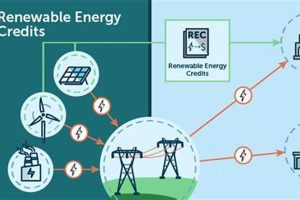
Regulatory frameworks, including renewable portfolio standards (RPS), feed-in tariffs, and tax incentives, play a significant role in shaping the renewable energy market. RPS mandates require electricity providers to source a certain percentage of their electricity from renewable sources, driving demand for renewable energy projects. Feed-in tariffs offer guaranteed prices for renewable energy generation, providing investment certainty for developers. Tax incentives, such as investment tax credits and production tax credits, reduce the cost of renewable energy technologies, making them more competitive with conventional energy sources. Understanding the design and implementation of these policies is essential for navigating the regulatory landscape and effectively advocating for renewable energy development.
- Market Mechanisms
Market mechanisms, such as carbon pricing and emissions trading schemes, create economic incentives for reducing greenhouse gas emissions, promoting the adoption of renewable energy sources. Carbon pricing assigns a monetary value to carbon emissions, internalizing the environmental cost of fossil fuel-based energy generation. Emissions trading schemes allow companies to buy and sell permits to emit greenhouse gases, creating a market-based approach to emissions reduction. Analyzing the effectiveness of these market mechanisms is crucial for developing policies that drive the transition to a low-carbon energy future.
- International Cooperation
International cooperation plays a vital role in addressing global climate change and promoting the widespread adoption of renewable energy technologies. International agreements, such as the Paris Agreement, establish targets for emissions reduction and promote collaboration on renewable energy research and development. Understanding the complexities of international climate negotiations and the role of international organizations is essential for fostering global cooperation on renewable energy deployment. For example, international collaboration on technology transfer and capacity building can accelerate the adoption of renewable energy in developing countries.
- Policy Analysis and Advocacy
Policy analysis and advocacy skills are crucial for influencing energy policy decisions and promoting effective renewable energy policies. Analyzing the impacts of different policy options, engaging with stakeholders, and communicating effectively with policymakers are essential skills for advancing renewable energy goals. Expertise in policy analysis enables informed decision-making and the development of evidence-based policies that support the sustainable growth of the renewable energy sector. For example, policy analysts might assess the economic and environmental impacts of different renewable energy incentives, providing valuable insights for policymakers.
A deep understanding of energy policy is therefore essential for individuals seeking to contribute to the growth and development of the renewable energy sector. Degrees focused on energy policy equip graduates with the knowledge and skills to navigate the complex interplay of regulatory frameworks, market mechanisms, and international cooperation, enabling them to effectively shape the future of energy and drive the transition to a sustainable energy future. The insights gained through studying energy policy provide a valuable foundation for careers in government, advocacy organizations, research institutions, and the private sector, empowering individuals to influence the development and implementation of effective renewable energy policies.
5. Renewable Resources Management

Renewable resources management focuses on the sustainable utilization of renewable energy sources, encompassing the technical, economic, and environmental aspects of harnessing these resources effectively. It plays a crucial role in the context of “best degrees for renewable energy” as it provides the framework for optimizing the deployment and utilization of renewable energy technologies. Effective management ensures the long-term viability and sustainability of these resources, maximizing their contribution to a clean energy future. This field draws upon principles from various disciplines, including engineering, environmental science, economics, and policy, integrating technical expertise with sustainable resource management practices.
- Resource Assessment and Forecasting
Accurate assessment and forecasting of renewable energy resources are fundamental for planning and development. This involves analyzing resource availability, variability, and potential yield. For example, wind resource assessments utilize meteorological data and wind modeling software to determine the optimal locations for wind farms. Solar resource assessments evaluate solar irradiance and shading patterns to optimize solar panel placement. Accurate forecasting enables effective grid integration and ensures reliable energy supply from renewable sources. These skills are essential for graduates seeking careers in resource planning and project development within the renewable energy sector.
- Sustainable Harvesting and Extraction Techniques
Sustainable harvesting and extraction techniques minimize the environmental impact of utilizing renewable resources. For example, sustainable forestry practices ensure the responsible harvesting of biomass for bioenergy production, maintaining forest health and biodiversity. Sustainable water management practices are crucial for hydropower projects, balancing energy generation with ecological considerations. Understanding these techniques is vital for minimizing the environmental footprint of renewable energy projects and promoting long-term sustainability. Graduates with expertise in sustainable resource management are well-equipped to address the environmental challenges associated with renewable energy development.
- Life Cycle Analysis and Environmental Impact Assessment
Life cycle analysis (LCA) and environmental impact assessment (EIA) are crucial tools for evaluating the environmental sustainability of renewable energy projects. LCA quantifies the environmental impacts of a project throughout its entire life cycle, from resource extraction to decommissioning. EIA assesses the potential environmental and social impacts of a proposed project, informing decision-making and mitigation strategies. For example, an EIA might evaluate the impact of a geothermal power plant on local water resources and air quality. These assessments ensure that renewable energy projects are developed responsibly, minimizing negative environmental consequences and maximizing their overall sustainability.
- Policy and Regulatory Frameworks for Resource Management
Effective policy and regulatory frameworks are essential for guiding the sustainable management of renewable resources. These frameworks establish standards, incentives, and regulations that promote responsible resource utilization. For example, water rights regulations govern the allocation of water resources for hydropower generation, balancing energy needs with environmental protection. Land use regulations influence the siting of renewable energy projects, minimizing conflicts with other land uses and protecting sensitive ecosystems. Understanding these policy and regulatory frameworks is crucial for navigating the legal and regulatory landscape of renewable energy development. Graduates with expertise in this area can contribute to the development of effective policies that support the sustainable management of renewable resources.
In conclusion, renewable resources management provides a critical framework for optimizing the utilization of renewable energy sources. By integrating technical expertise with sustainable resource management practices, graduates with degrees focused on this field are well-prepared to address the complex challenges associated with developing and deploying renewable energy technologies. Their skills in resource assessment, sustainable harvesting techniques, environmental impact assessment, and policy analysis are essential for ensuring the long-term viability and sustainability of renewable energy projects, maximizing their contribution to a clean and secure energy future. This expertise is directly relevant to a range of career paths within the renewable energy sector, including project development, resource planning, environmental consulting, and policy analysis, contributing significantly to the successful transition towards a sustainable energy future.
Frequently Asked Questions
This section addresses common inquiries regarding academic pathways in renewable energy, providing clarity for prospective students and professionals.
Question 1: What are the career prospects for graduates with renewable energy degrees?
Career opportunities are diverse and expanding, encompassing roles in engineering, research, policy, project management, and consulting within the public, private, and non-profit sectors. The growing global demand for sustainable energy solutions translates into a positive job market outlook for qualified professionals.
Question 2: How important is practical experience in the renewable energy field?
Practical experience is highly valued by employers. Internships, research projects, and participation in relevant competitions provide valuable hands-on experience and enhance career prospects. Many academic programs incorporate opportunities for practical application of theoretical knowledge.
Question 3: Are renewable energy degrees interdisciplinary?
Many programs adopt an interdisciplinary approach, integrating elements of engineering, environmental science, economics, and policy. This comprehensive perspective equips graduates to address the multifaceted challenges of the renewable energy sector.
Question 4: What is the typical duration of a renewable energy degree program?
Program duration varies depending on the degree level and specific institution. Bachelor’s degrees typically require four years of study, while master’s degrees often take two years. Doctoral programs entail a longer commitment, typically ranging from three to five years.
Question 5: Are online learning options available for renewable energy studies?
Online learning opportunities are increasingly available, offering flexibility for individuals seeking professional development or advanced education while balancing other commitments. Online programs may offer certificates, individual courses, or full degree programs.
Question 6: What are the key factors to consider when choosing a renewable energy program?
Important considerations include program accreditation, faculty expertise, curriculum relevance, research opportunities, internship partnerships, and career services. Aligning these factors with individual career goals ensures a rewarding and impactful educational experience.
Thorough research and informed decision-making are essential for navigating the diverse educational landscape in renewable energy. The subsequent sections will explore specific career paths and emerging trends in this dynamic field.
The next section delves into specific career pathways within the renewable energy sector.
Best Degrees for Renewable Energy
Navigating the educational landscape for a career in renewable energy requires careful consideration of individual aspirations and global needs. This exploration of “best degrees for renewable energy” has highlighted the diverse academic pathways available, ranging from specialized engineering disciplines to interdisciplinary programs encompassing environmental science, sustainable development, and policy. The technical expertise offered by engineering programs empowers professionals to design and implement innovative renewable energy systems. Environmental science provides crucial insights into minimizing ecological impact and promoting sustainable practices. Sustainable development programs foster a holistic understanding of the interconnectedness between energy, the environment, and society. Expertise in energy policy is essential for navigating the regulatory landscape and shaping effective strategies for renewable energy adoption. Finally, renewable resource management ensures the responsible and efficient utilization of these vital resources.
The global transition to a sustainable energy future demands a skilled and dedicated workforce. Pursuing a degree focused on renewable energy equips individuals with the knowledge and expertise to contribute meaningfully to this critical endeavor. The evolving landscape of renewable energy technologies presents both challenges and opportunities, requiring continuous learning and adaptation. By embracing these challenges and investing in education, the next generation of professionals can drive innovation, shape policy, and implement solutions essential for a sustainable and prosperous future powered by clean energy.