

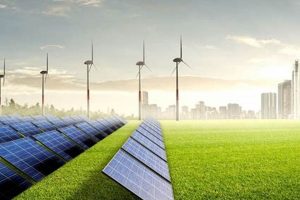

Wind power harnesses the kinetic energy of moving air to generate electricity. Modern turbines convert this motion into a usable form of electrical power, offering a sustainable alternative to fossil fuels. The... Read more »
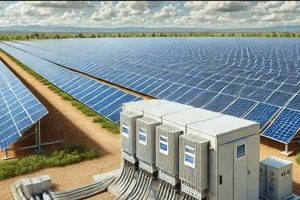
Integrating electricity generated from sustainable resources, such as solar, wind, and hydro, into the existing power distribution network is a critical process. This involves the physical attachment of renewable energy generation facilities... Read more »

The diversification of energy portfolios by established petroleum producers signifies a strategic shift in response to evolving market dynamics and global climate concerns. This transition involves investment in and development of alternative... Read more »
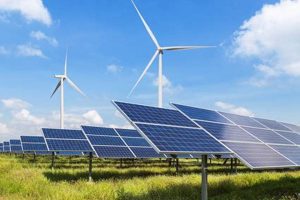
Power generated from sources that naturally replenish themselves, such as sunlight, wind, water, and geothermal heat, forms the basis of sustainable electricity generation. For instance, photovoltaic cells convert sunlight directly into electricity,... Read more »
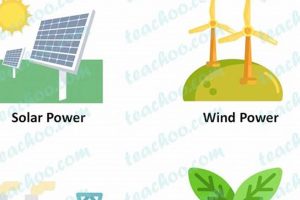
Certain energy resources are finite and replenish over extremely long geological timescales, rendering them practically non-renewable within a human lifespan. These resources are typically derived from ancient organic matter subjected to immense... Read more »
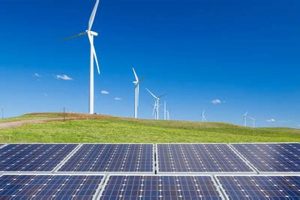
Sustainable power derived from sources that replenish naturally over a relatively short period includes solar, wind, hydro, geothermal, and biomass options. Harnessing the power of sunlight through photovoltaic panels or concentrating solar... Read more »
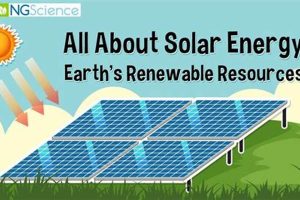
Solar energy’s classification as a renewable resource stems from the virtually inexhaustible nature of its source: the sun. Unlike finite resources such as fossil fuels, which are depleted upon extraction and combustion,... Read more »
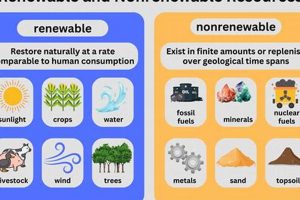
Examining the distinctions between energy derived from replenishable resources and that from finite reserves reveals key differences in availability, environmental impact, and long-term sustainability. For instance, solar power, a replenishable resource, harnesses... Read more »

Decentralized generation powered by renewable sources, such as solar photovoltaic systems, wind turbines, small-scale hydropower, and biomass generators, offers a localized approach to electricity production. For instance, a rural community might install... Read more »
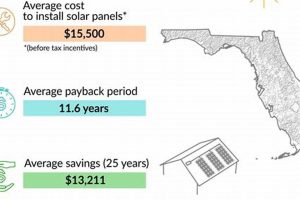
Financial and policy mechanisms designed to stimulate the development and adoption of solar, wind, biomass, and other sustainable energy sources within the state constitute key drivers of market growth. These instruments can... Read more »