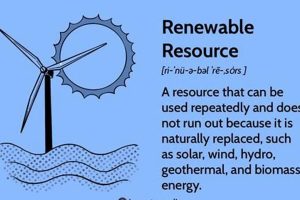
The United Kingdom is actively transitioning to power generation methods that replenish naturally and have a lower environmental impact than traditional fossil fuels. These methods encompass a variety of technologies that harness the earth’s inherent resources, offering a sustainable alternative to carbon-intensive energy production. An example includes wind farms that convert kinetic energy into electricity.
The adoption of these sustainable energy options is crucial for meeting national carbon reduction targets, enhancing energy security, and fostering green economic growth. Historically, government incentives and technological advancements have driven their increased implementation across the nation. The transition to these energy sources strengthens the resilience of the power grid and decreases reliance on imported fossil fuels.
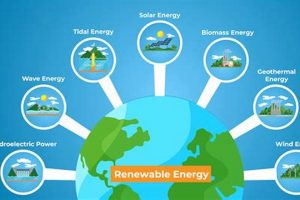
The subsequent sections will explore in detail the specific types of renewable energy projects deployed across the UK, including onshore and offshore wind power, solar photovoltaic installations, hydroelectric schemes, biomass combustion plants, and geothermal energy initiatives. These will be examined concerning their current contributions, future potential, and challenges to wider deployment.
Guidance on Renewable Energy Integration in the United Kingdom
This section provides essential guidance for stakeholders involved in developing and deploying renewable energy solutions within the United Kingdom, aimed at maximizing efficiency and minimizing potential challenges.
Tip 1: Prioritize Grid Modernization: Investment in smart grid technologies is crucial for integrating intermittent power from various sites effectively. This includes upgrading transmission infrastructure to accommodate increased capacity.
Tip 2: Implement Robust Energy Storage Solutions: The incorporation of battery storage systems and pumped hydro storage is essential to manage the variability inherent in solar and wind power, ensuring a stable and reliable energy supply.
Tip 3: Streamline Permitting Processes: Government agencies should simplify and accelerate the authorization procedures for projects to encourage rapid growth within the sector, without compromising environmental safeguards.
Tip 4: Foster Community Engagement: Engage local communities early in the planning process for proposed installations to address concerns, build support, and maximize the social benefits from renewable energy projects.
Tip 5: Incentivize Private Sector Investment: Maintain stable and predictable support mechanisms, such as contracts for difference, to attract private capital and encourage innovation within the sector.
Tip 6: Focus on Skills Development: Support educational programs and training initiatives to ensure a workforce equipped with the necessary expertise for the design, installation, and maintenance of renewable energy technologies.
Tip 7: Explore Hybrid Energy Systems: Promote the development of integrated systems that combine multiple renewable energy sources and technologies to enhance reliability and reduce reliance on any single resource.
Adhering to these recommendations will contribute significantly to the successful expansion of renewable energy infrastructure within the United Kingdom, facilitating a transition to a more sustainable and secure energy future.
The subsequent section will present the article’s summary.
1. Wind Power Dominance

Wind power has emerged as a leading contributor among the diverse sustainable energy options available in the United Kingdom. Its significant installed capacity and substantial energy production underscore its importance within the national renewable energy portfolio. The expansion of wind farms, particularly offshore, reflects a strategic focus on harnessing this abundant natural resource to meet increasing energy demands and reduce carbon emissions.
- Offshore Wind Capacity Leadership
The UK possesses some of the highest offshore wind capacity globally, leveraging favorable wind conditions and relatively shallow sea depths. Large-scale projects, such as Hornsea Wind Farm, exemplify this leadership, delivering significant amounts of electricity to the grid. The government’s continued support and investment in offshore wind development are vital for maintaining this advantage and further decarbonizing the energy sector.
- Onshore Wind Challenges and Contributions
While onshore wind projects offer a cost-effective source of electricity, they often face planning and community acceptance challenges. Despite these hurdles, onshore installations contribute substantially to the nation’s renewable energy mix. Technological advancements, such as taller turbines and optimized layouts, aim to improve efficiency and minimize environmental impact.
- Grid Integration and Balancing
The intermittent nature of wind power necessitates sophisticated grid management strategies. Advanced forecasting models, enhanced transmission infrastructure, and energy storage solutions are essential for effectively integrating wind energy into the national grid. These measures ensure a reliable and stable electricity supply, mitigating the potential disruptions caused by fluctuating wind speeds.
- Economic and Employment Benefits
The wind energy sector generates significant economic benefits, including job creation in manufacturing, construction, and operation and maintenance. Investment in wind power stimulates regional economies and supports the development of a skilled workforce. The long-term sustainability of the sector depends on continued innovation, supply chain development, and collaboration between industry, government, and research institutions.
The prevalence of wind energy illustrates the strategic importance of renewable energy sources in the United Kingdom’s energy strategy. While challenges exist, continued technological innovation, supportive policies, and strategic investments are essential to fully realize the potential of wind power and contribute to a sustainable energy future for the UK.
2. Solar Capacity Growth

Solar capacity growth represents a key metric in evaluating the expansion and diversification of the United Kingdom’s domestic sustainable energy production. As a constituent of the nation’s total renewable energy generation, the increase in solar installations directly influences the reduction of reliance on fossil fuels and contributes toward meeting legally binding carbon emission targets. The rise in solar photovoltaic (PV) capacity stems from a combination of factors, including decreasing technology costs, government incentives such as feed-in tariffs and tax breaks, and heightened public awareness regarding environmental sustainability. The increasing prevalence of solar panels on residential, commercial, and industrial buildings is a tangible demonstration of this growth. Large-scale solar farms also play a significant role, contributing substantially to the overall installed capacity.
The practical significance of this growth lies in its potential to enhance energy security, reduce energy costs for consumers, and stimulate economic activity within the renewable energy sector. Solar energy provides a distributed generation model, which can improve grid resilience by reducing dependence on centralized power plants. For example, communities and businesses that generate their own electricity through solar installations are less vulnerable to power outages and fluctuations in energy prices. The integration of battery storage technologies alongside solar installations further enhances the reliability and availability of solar-generated electricity, mitigating intermittency issues associated with sunlight availability. Government support has been instrumental in driving the adoption of solar technologies, but sustained growth necessitates ongoing investment in research and development to improve efficiency and reduce costs further.
However, challenges remain in realizing the full potential of solar energy in the UK. These challenges include the variable nature of sunlight, the need for efficient energy storage solutions, and the integration of solar power into the existing grid infrastructure. Addressing these challenges requires a concerted effort involving government, industry, and research institutions. Continued policy support, technological innovation, and streamlined permitting processes are crucial to unlocking the full potential of solar capacity growth and maximizing its contribution to the United Kingdom’s sustainable energy objectives.
3. Biomass Sustainability Concerns

The incorporation of biomass as a sustainable energy within the United Kingdom’s energy mix is accompanied by complex sustainability considerations. The combustion of organic matter, including wood pellets, agricultural residues, and energy crops, offers a carbon-neutral alternative to fossil fuels, contingent upon sustainable sourcing and lifecycle management. However, unsustainable biomass practices can negate carbon reduction benefits and cause detrimental environmental and social impacts. The demand for biomass feedstock can incentivize deforestation, land conversion, and displacement of agricultural activities, leading to habitat loss, biodiversity decline, and food security issues. The sourcing of biomass from distant locations results in increased transportation emissions, offsetting some of the carbon benefits. For example, the Drax power station, a significant consumer of wood pellets, has faced scrutiny regarding the sustainability of its supply chains and the carbon accounting methodologies used to classify biomass as carbon neutral.
The practical significance of addressing biomass sustainability concerns within the UK renewable energy framework lies in ensuring that the deployment of biomass power genuinely contributes to decarbonization and environmental protection. Stringent certification schemes, such as the Sustainable Biomass Program (SBP), aim to verify that biomass feedstocks are sourced from sustainably managed forests and that carbon emissions are accurately accounted for across the supply chain. Regulatory oversight and enforcement are crucial to prevent illegal logging and ensure compliance with sustainability standards. Promoting the use of locally sourced biomass, such as agricultural residues and energy crops grown on marginal land, can minimize transportation emissions and support local economies. Investing in research and development of advanced biomass technologies, such as gasification and pyrolysis, can improve the efficiency of energy conversion and reduce emissions. Furthermore, integrating biomass with carbon capture and storage (CCS) technologies offers the potential to achieve negative emissions, thereby accelerating the transition towards a net-zero economy.
In conclusion, while biomass presents a valuable avenue for renewable energy generation in the UK, its sustainable utilization necessitates a rigorous and transparent approach to sourcing, production, and carbon accounting. Failing to address these challenges could undermine the environmental integrity of biomass energy and compromise the broader objectives of sustainable energy policy. Moving forward, the UK must prioritize the implementation of robust sustainability safeguards, promote innovative biomass technologies, and foster collaborative partnerships to ensure that biomass contributes effectively to a low-carbon and environmentally responsible energy future.
4. Hydroelectric Potential Limited

The term “Hydroelectric Potential Limited” signifies a constraint on the expansion of hydroelectric power generation within the United Kingdom. This limitation stems from several factors, including the geography of the region. The UK, compared to mountainous regions with abundant rivers, possesses a comparatively modest endowment of suitable locations for large-scale hydroelectric dams. Most viable sites have already been developed, leading to limited opportunity for constructing new, large-scale hydroelectric facilities. The importance of understanding this limitation is critical when evaluating the UK’s renewable energy strategy.
The restricted potential affects the UK’s approach to sustainable energy development, compelling a focus on alternative renewable technologies. For example, while Scotland benefits from existing hydroelectric infrastructure, further growth necessitates exploration of offshore wind, solar, and tidal energy. The absence of significant untapped hydroelectric resources also influences energy policy and investment decisions. Emphasis is placed on grid modernization to accommodate intermittent renewable sources and energy storage solutions. This understanding is also vital for setting realistic targets for renewable energy generation and evaluating the overall effectiveness of the UK’s energy transition plans.
In conclusion, acknowledging the “Hydroelectric Potential Limited” in the UKs diverse portfolio is essential for effective renewable energy planning. This restriction redirects resources and policy focus toward other technologies to achieve national sustainability objectives. The UKs energy strategy must consider these limitations to achieve environmental and economic goals effectively.
5. Geothermal Energy Niche

Geothermal energy represents a specialized component within the suite of sustainable options available in the United Kingdom. While its overall contribution to the national energy supply is currently modest, its potential for localized heating and electricity generation warrants examination.
- Deep Geothermal Potential
The UK possesses significant geothermal resources at greater depths, accessible through enhanced geothermal systems (EGS). These systems involve fracturing hot, dry rocks and circulating water to extract heat. The Eden Project in Cornwall exemplifies this application, providing heat to the site. Widespread deployment, however, faces challenges related to drilling costs and geological complexity.
- Geothermal Heat Pumps
Ground source heat pumps offer an efficient means of providing heating and cooling to residential and commercial buildings. These systems utilize the stable ground temperature to enhance energy efficiency, reducing carbon emissions compared to conventional heating methods. Their installation is increasingly common in new construction projects seeking to meet sustainability standards.
- Low-Temperature Resources
Shallow geothermal resources, such as abandoned coal mines, can be repurposed for district heating networks. These resources provide a sustainable heat source for local communities, reducing reliance on fossil fuels. Examples include projects in Scotland that are exploring the use of mine water for heating homes and businesses.
- Regulatory and Policy Framework
The development of geothermal energy is influenced by government policies and regulatory frameworks. Supportive policies, such as feed-in tariffs and tax incentives, can encourage investment in geothermal projects. Streamlined permitting processes are also essential to facilitate the deployment of geothermal technologies and unlock their potential contribution to the UK’s renewable energy mix.
The “Geothermal Energy Niche” within the United Kingdom presents both opportunities and challenges. While not a primary energy source, its potential for localized heating and specialized applications warrants consideration as part of a diversified renewable energy portfolio. Realizing this potential requires continued technological innovation, supportive policies, and strategic investment in exploration and development.
6. Tidal Energy Emerging

Tidal energy is progressively asserting its presence within the spectrum of sustainable power sources in the United Kingdom. While still in its nascent stages compared to wind and solar, the emergence of tidal energy as a viable contributor to the overall renewable energy mix is increasingly evident. This growth warrants specific consideration due to its potential to offer predictable and reliable electricity generation, augmenting the UK’s diverse array of renewable sources.
- Predictable Power Generation
Unlike solar and wind, tidal energy’s predictable generation stems from the gravitational interaction between the Earth, Moon, and Sun. This predictability allows for accurate forecasting of power output, enhancing grid stability and management. The MeyGen project in Scotland’s Pentland Firth, a leading tidal stream project, exemplifies this advantage, demonstrating consistent energy production aligned with tidal cycles.
- Diverse Technological Approaches
The tidal energy sector encompasses various technological approaches, including tidal stream turbines, tidal barrages, and tidal lagoons. Tidal stream turbines, submerged underwater, harness kinetic energy from flowing tides, while tidal barrages capture potential energy by impounding water in a reservoir. Tidal lagoons, artificial enclosures that capture tidal flows, offer an alternative approach with potentially lower environmental impact than barrages.
- Environmental Considerations
The integration of tidal energy projects necessitates careful assessment of environmental impacts, including potential effects on marine ecosystems and migratory patterns. Mitigation measures, such as minimizing noise pollution and optimizing turbine design, are crucial to ensure the sustainability of tidal energy development. Stakeholder engagement and environmental monitoring are essential components of responsible tidal energy deployment.
- Economic Potential and Job Creation
The tidal energy sector presents opportunities for economic growth and job creation in coastal communities. Investment in tidal energy projects can stimulate local economies, fostering innovation, and developing a skilled workforce. Government support, industry partnerships, and research and development initiatives are vital to unlock the economic potential of tidal energy and establish the UK as a leader in tidal energy technology.
The emergence of tidal energy as a component of the UK’s renewable energy portfolio complements existing sources, addressing intermittency challenges associated with wind and solar. As technology matures and deployment costs decrease, tidal energy is poised to play an increasingly significant role in the UK’s transition to a sustainable and secure energy future.
7. Policy & Investment Drivers

Government policies and financial investment mechanisms exert a substantial influence on the development and deployment of various options for sustainable energy within the United Kingdom. These drivers operate as fundamental catalysts, shaping the economic viability, technological innovation, and overall growth trajectory of different sustainable energy technologies. Governmental regulations, financial incentives, and long-term energy strategies provide the framework within which sustainable projects are conceived, financed, and implemented. For example, Contracts for Difference (CfDs) offer guaranteed revenue streams to renewable energy generators, de-risking investments and attracting private capital. Subsidies and tax breaks can lower the initial capital costs, making such initiatives more competitive with traditional fossil fuel-based energy sources. The commitment to net-zero emissions by 2050 provides a long-term policy signal, encouraging investment in sustainable technologies.
The effectiveness of these drivers directly impacts the composition of the UK’s energy mix. Supportive policies can accelerate the deployment of specific technologies, while a lack of clear regulatory frameworks can hinder progress. The impact of Feed-in Tariffs (FITs) on the rapid expansion of solar photovoltaic installations in the early 2010s demonstrates this principle. Conversely, inconsistent policy signals and abrupt changes in subsidy schemes can create uncertainty, discouraging long-term investments. The allocation of public funding for research and development influences the rate of technological innovation and cost reduction in various areas. Investment in smart grid infrastructure and energy storage solutions is critical for integrating intermittent renewable energy sources, ensuring grid stability and reliability.
In conclusion, “Policy & Investment Drivers” are not merely external factors but integral components shaping the sources of sustainable energy present in the UK. Their sustained effectiveness, combined with technological advancements, is essential for realizing the transition to a low-carbon economy. Addressing challenges such as long-term policy stability and efficient resource allocation is crucial to harness the full potential and meet national sustainability goals.
Frequently Asked Questions
The following section addresses common inquiries regarding the generation of power from sustainable sources across the United Kingdom, providing concise explanations.
Question 1: What are the primary sources of renewable energy being utilized in the UK?
Wind power, encompassing both onshore and offshore installations, constitutes a major segment. Solar energy, biomass, hydroelectric, and emerging technologies such as tidal and geothermal energy, also contribute to the national sustainable energy mix.
Question 2: How dependent is the UK on renewable energy sources?
The proportion of electricity generated from these sources has steadily increased over recent years. The exact percentage varies based on seasonal factors and technological advancements, but sustainable sources form a significant and growing segment of the UK’s overall power generation capacity.
Question 3: What are some government initiatives that encourage the use of renewable resources?
Contracts for Difference (CfDs) provide financial incentives and revenue stability. Tax breaks and subsidies reduce the initial costs of implementation. The commitment to net-zero emissions acts as a driving force for sustainable energy investments.
Question 4: What challenges are associated with incorporating renewable technologies into the grid?
Intermittency represents a significant hurdle, requiring energy storage solutions. Grid infrastructure modernization is necessary to accommodate dispersed generation. Balancing the grid with renewable energy demand calls for enhanced forecasting models.
Question 5: Is biomass truly a sustainable form of power?
The sustainability of biomass depends on sourcing and lifecycle assessment. Unsustainable practices can negate carbon emission benefits. Certification schemes and regulatory oversight are necessary to ensure sustainable biomass practices.
Question 6: What is the long-term outlook for the expansion of sources of sustainable energy in the UK?
The long-term outlook is optimistic. Continued technological innovation, supportive policies, and growing investment are expected to drive significant further expansion. The specific growth rates for each type will vary depending on technological breakthroughs and economic conditions.
The successful integration of these into the nation’s energy infrastructure requires sustained dedication, adaptive planning, and technological innovation to ensure a dependable and eco-friendly power system.
The following section offers the article conclusion.
Sources of Renewable Energy UK
The preceding examination of “sources of renewable energy uk” reveals a multifaceted landscape characterized by both substantial progress and persistent challenges. The ascendancy of wind power, alongside the burgeoning solar capacity, illustrates a clear trajectory toward decarbonization. However, considerations surrounding biomass sustainability, the limited potential for hydroelectric expansion, and the early stages of tidal energy development necessitate a nuanced approach to energy policy and investment.
The United Kingdom’s commitment to achieving its net-zero targets hinges on continued innovation, strategic resource allocation, and a regulatory framework that fosters both environmental responsibility and economic viability. The pursuit of a sustainable energy future demands unwavering attention to the complex interplay of technological advancements, policy decisions, and the imperative of minimizing environmental impact.