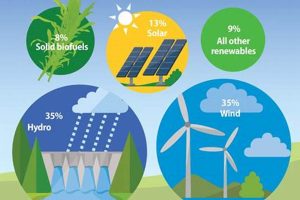
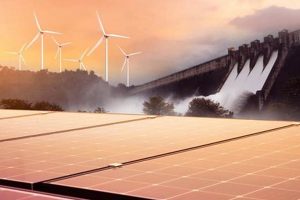
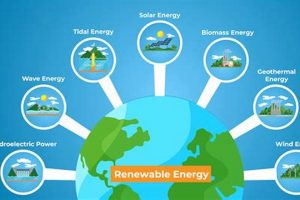
Energy resources that are naturally replenished on a human timescale, such as sunlight, wind, rain, tides, and geothermal heat, offer alternatives to finite fossil fuels. These resources provide electricity, heat, and mechanical power while minimizing environmental impact when harnessed effectively. For instance, photovoltaic cells convert solar radiation directly into electricity, and wind turbines transform kinetic energy into usable power.
The utilization of these sustainable energy options is vital for mitigating climate change, reducing air pollution, and enhancing energy security. Historically, reliance on combustible fuels has led to significant environmental degradation and geopolitical instability. Shifting towards cleaner energy production offers long-term economic advantages, including job creation in emerging green industries and reduced dependence on fluctuating global fuel markets.
The following sections will delve into specific technologies, the challenges of large-scale implementation, and the economic considerations associated with the widespread adoption of these earth-friendly alternatives. Furthermore, the integration of these sustainable solutions into existing energy grids and infrastructure will be examined to highlight the progress and potential of a future powered by clean, enduring supplies.
Strategies for Increased Utilization of Sustainable Energy
The following recommendations aim to facilitate a broader adoption of energy generation methods that rely on naturally replenished resources. Implementation of these strategies can contribute to a more sustainable and resilient energy future.
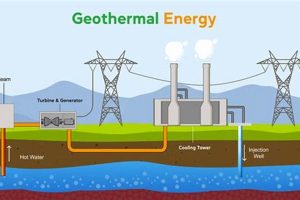
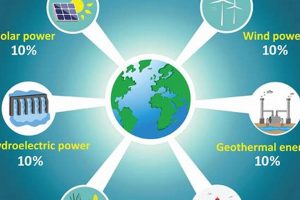
Tip 1: Diversify Energy Portfolio: Implementing a range of technologies reduces dependence on any single method. This includes solar, wind, hydro, geothermal, and biomass, selected based on regional suitability and resource availability.
Tip 2: Invest in Energy Storage Solutions: Addressing the intermittent nature of some methods requires advanced energy storage. Batteries, pumped hydro, and thermal storage can ensure a stable and reliable power supply.
Tip 3: Modernize Grid Infrastructure: Smart grids enhance efficiency and facilitate integration of dispersed generation. Upgrading transmission lines and implementing intelligent monitoring systems are crucial.
Tip 4: Incentivize Adoption Through Policy: Government policies, such as tax credits, feed-in tariffs, and renewable energy mandates, can encourage investment and deployment. Consistent and long-term policy frameworks are essential.
Tip 5: Promote Research and Development: Continuous investment in innovation is vital for reducing costs and improving efficiency. This includes advancements in materials science, power electronics, and system integration.
Tip 6: Streamline Permitting Processes: Complex and lengthy permitting processes can hinder project development. Establishing clear, efficient, and transparent procedures can accelerate deployment.
Tip 7: Educate and Engage the Public: Raising awareness about the benefits and technologies associated with these systems is important for building public support. Educational programs and community engagement initiatives can foster acceptance.
Adopting these strategies promotes energy independence, mitigates environmental impact, and contributes to a more sustainable and resilient energy system. A coordinated and multifaceted approach is necessary to realize the full potential of these solutions.
The conclusion will explore the broader implications of a future powered by these systems, considering environmental, economic, and social factors.
1. Sustainability

Sustainability, in the context of energy systems, directly relates to the ability to meet present energy needs without compromising the ability of future generations to meet their own. Reliance on finite resources creates inherent unsustainability. Therefore, integration of energy sources that replenish naturally is essential for long-term societal prosperity and environmental health.
- Resource Depletion Mitigation
The fundamental aspect of sustainability in relation to naturally replenishing energy sources is the avoidance of resource depletion. Unlike fossil fuels, which are finite, solar, wind, hydro, and geothermal resources are continuously replenished. Utilizing these resources minimizes the exhaustion of non-renewable reserves, securing energy availability for future populations. A shift toward these sources mitigates the long-term environmental and economic consequences associated with extracting and consuming exhaustible energy reserves.
- Environmental Impact Reduction
Sustainability necessitates minimizing environmental harm. Combustible fuels generate significant greenhouse gas emissions, contributing to climate change, air pollution, and ecosystem degradation. In contrast, energy derived from the sun, wind, water, and geothermal sources produces substantially lower or even negligible emissions during operation. This reduction in environmental impact is crucial for preserving biodiversity, maintaining air and water quality, and mitigating the adverse effects of global warming.
- Life Cycle Assessment
A comprehensive approach to sustainability involves evaluating the entire life cycle of energy technologies, including manufacturing, operation, and decommissioning. While the construction of wind turbines and solar panels requires energy and materials, the overall life cycle emissions are significantly lower than those associated with conventional power plants. Conducting thorough life cycle assessments ensures that the adoption of alternative energy sources genuinely promotes sustainability across all stages of their utilization.
- Economic Viability
Long-term economic viability is an integral component of sustainability. As fossil fuel reserves diminish and environmental regulations become more stringent, the cost of conventional energy production is likely to increase. Energy options that naturally replenish, with minimal fuel costs and declining technology expenses, offer greater price stability and reduced exposure to volatile global markets. Strategic investments in these solutions can create new industries, generate employment opportunities, and foster sustainable economic growth.
The multifaceted relationship between sustainability and energy generated from naturally replenished sources underscores its critical role in securing a stable and environmentally responsible energy future. Integrating sustainability considerations into energy policies, technology development, and consumer behavior is essential for achieving long-term energy security and environmental stewardship.
2. Intermittency

Intermittency constitutes a fundamental characteristic of certain energy resources derived from natural processes, notably solar and wind power. These resources are inherently variable due to their dependence on weather patterns and diurnal cycles. Solar energy production fluctuates with cloud cover, time of day, and seasonal variations, while wind power output depends on wind speed, which is subject to weather systems and geographic location. This variability introduces challenges to grid stability and energy supply reliability.
The effective integration of variable energy sources requires strategies to mitigate intermittency. Energy storage technologies, such as battery systems and pumped hydro storage, offer solutions by storing excess energy generated during periods of high production and releasing it during periods of low production. Furthermore, geographical diversification of energy generation facilities can reduce the overall variability by aggregating output from different locations with varying weather conditions. Advanced forecasting techniques also play a critical role, enabling grid operators to anticipate fluctuations in energy production and adjust supply accordingly. An example is the use of weather models to predict solar irradiance and wind speeds, allowing for proactive management of the energy grid.
Addressing intermittency is paramount for enabling a transition to a predominantly naturally replenishing energy system. Without effective mitigation strategies, the reliance on variable sources can compromise grid reliability and necessitate the continued use of conventional power plants for backup. Investing in energy storage, expanding transmission infrastructure, and developing sophisticated grid management tools are essential steps toward creating a resilient and sustainable energy future.
3. Infrastructure

The successful integration of energy derived from naturally replenished resources hinges upon robust and adaptable infrastructure. Existing energy grids, predominantly designed for centralized power generation from fossil fuel plants, require significant modifications to accommodate the distributed and often intermittent nature of these sources. Transmission lines must be expanded and upgraded to transport electricity from remote locations, such as wind farms in rural areas or solar plants in deserts, to urban centers where demand is concentrated. Smart grid technologies, incorporating advanced sensors, communication networks, and control systems, are essential for managing the flow of electricity and ensuring grid stability.
Beyond the electrical grid, infrastructure considerations extend to other sectors. For example, the widespread adoption of electric vehicles necessitates the deployment of charging stations in residential areas, workplaces, and along major transportation corridors. Similarly, the increased use of biomass for heat and power generation requires the development of supply chains for sourcing, processing, and transporting biomass feedstocks. Furthermore, port facilities must be upgraded to handle the import and export of components for wind turbines and solar panels, facilitating the global expansion of energy industries that use naturally replenished resources.
In conclusion, infrastructure represents a critical enabler for the widespread adoption of these sources. Substantial investment in grid modernization, transportation networks, and other supporting infrastructure is essential for unlocking the full potential of sustainable energy technologies and achieving a transition to a cleaner and more resilient energy system. The lack of adequate infrastructure can pose a significant barrier, hindering deployment and limiting the economic and environmental benefits that naturally replenished resources can provide.
4. Investment

Capital allocation serves as the catalyst for the development and deployment of energy technologies that rely on naturally replenished resources. The scale and direction of monetary commitments significantly influence the pace and scope of the energy transition, impacting both technological advancements and market penetration.
- Research and Development Funding
Investment in research and development (R&D) fuels innovation, driving down costs and improving the efficiency of energy generation from naturally replenished sources. Government grants, private equity, and venture capital support the exploration of novel materials, advanced manufacturing techniques, and optimized system designs. Examples include funding for perovskite solar cells, advanced wind turbine blade designs, and improved energy storage solutions. Sustained R&D investment is crucial for overcoming technological barriers and unlocking the full potential of these sources.
- Infrastructure Development
Significant capital outlays are required to modernize and expand energy infrastructure to accommodate the integration of distributed and variable energy sources. Investment in smart grids, transmission lines, and energy storage facilities enables the reliable and efficient transmission of electricity from energy farms to population centers. Public-private partnerships are often employed to finance large-scale infrastructure projects. Examples include grid modernization initiatives aimed at integrating distributed solar generation and the construction of pumped hydro storage facilities.
- Manufacturing Capacity Expansion
Scaling up the manufacturing capacity of energy technologies requires substantial investment in factories, equipment, and skilled labor. Government incentives, such as tax credits and loan guarantees, can stimulate investment in domestic manufacturing, creating jobs and reducing reliance on foreign suppliers. Examples include the construction of large-scale solar panel manufacturing plants and wind turbine component factories. Expanded manufacturing capacity is essential for meeting the growing demand for energy equipment and lowering production costs through economies of scale.
- Project Financing
The development of energy projects requires access to capital for construction, equipment procurement, and operational expenses. Project financing typically involves a combination of debt and equity from a variety of sources, including commercial banks, institutional investors, and government agencies. Examples include financing for large-scale solar power plants, wind farms, and geothermal energy facilities. Access to affordable project financing is crucial for enabling the deployment of energy technologies and attracting private sector investment.
Strategic allocation of resources across these domains accelerates the transition to a more sustainable energy system, fostering economic growth, creating jobs, and mitigating the environmental impacts associated with conventional energy production. Investment decisions, guided by long-term energy policy objectives and market signals, shape the trajectory of the energy sector and determine the extent to which the potential of renewable energy can be realized.
5. Technological Advancement

Technological advancement serves as a primary driver in enhancing the efficiency, reducing the cost, and expanding the applicability of energy generated from naturally replenished resources. Progress in materials science, engineering, and information technology directly influences the viability and competitiveness of energy technologies, thereby facilitating their widespread adoption. For example, innovations in photovoltaic cell design have steadily increased the efficiency of solar panels, allowing for greater electricity generation from a given surface area. Similarly, advancements in wind turbine technology have led to taller towers and longer blades, enabling the capture of stronger and more consistent winds at higher altitudes.
Further, the development of advanced energy storage systems, such as lithium-ion batteries and pumped hydro storage, addresses the intermittency challenges associated with solar and wind power. These storage technologies enable the decoupling of energy generation from consumption, allowing energy to be stored during periods of surplus and released during periods of high demand. Smart grid technologies, incorporating sophisticated sensors, communication networks, and control algorithms, facilitate the integration of distributed generation sources and enhance grid stability. The integration of artificial intelligence and machine learning algorithms allows for optimized energy management and predictive maintenance of energy systems, further improving their performance and reliability.
In conclusion, continued investment in technological advancement is essential for accelerating the transition to a more sustainable energy system. Innovations in materials science, energy storage, and grid management are critical for overcoming the technical and economic barriers that currently limit the widespread adoption of energy technologies. By fostering a culture of innovation and supporting research and development, societies can unlock the full potential of renewable energy and create a cleaner, more resilient, and more affordable energy future. The convergence of technological advancements across multiple disciplines will continue to shape the trajectory of the energy sector and drive the transition towards a more sustainable energy paradigm.
Frequently Asked Questions
The following section addresses common inquiries regarding energy derived from natural processes that replenish on a human timescale. The information provided aims to clarify misconceptions and provide a comprehensive understanding of this crucial energy sector.
Question 1: What constitutes a “renewable source of power,” and what distinguishes it from other energy sources?
Sources of power that are naturally replenished, such as solar, wind, geothermal, hydro, and biomass, are considered energy from renewable sources. These sources differ from fossil fuels and nuclear energy, which are finite and exhaustible. The ability to naturally replenish makes these options a more sustainable and environmentally responsible choice for long-term energy needs.
Question 2: Are energy sources that naturally replenish always environmentally friendly?
While generally having a lower environmental impact compared to fossil fuels, energy sources that replenish still have environmental considerations. Hydropower can alter river ecosystems, biomass combustion can produce emissions if not managed properly, and the manufacturing of solar panels and wind turbines involves resource extraction and energy consumption. A comprehensive life cycle assessment is essential to determine the true environmental footprint.
Question 3: How reliable are these sources of power, considering their inherent variability?
The reliability of energy generation from natural resources varies based on the specific resource. Solar and wind are intermittent, depending on weather conditions. Hydropower and geothermal offer more consistent output. Strategies to address intermittency include energy storage, grid diversification, and advanced forecasting techniques.
Question 4: What are the primary barriers to widespread adoption?
Key barriers include the initial capital costs of deployment, the intermittent nature of some resources, the need for infrastructure upgrades, and regulatory hurdles. Overcoming these barriers requires supportive government policies, technological innovation, and public acceptance.
Question 5: How do the costs of naturally replenished sources compare to conventional fossil fuels?
The cost of energy production has decreased significantly in recent years, making it competitive with or even cheaper than fossil fuels in many regions. The levelized cost of energy (LCOE) varies depending on the technology, location, and financing costs, but the trend is toward decreasing costs for sustainable energy options.
Question 6: What are the potential long-term economic benefits of transitioning to a predominantly naturally replenishing energy system?
Transitioning to a energy system offers several potential long-term economic benefits, including reduced fuel costs, increased energy security, job creation in emerging industries, and decreased environmental damage. The economic advantages, coupled with the environmental benefits, make a compelling case for investment in the sustainable energy sector.
In summary, energy derived from sustainable sources offers a pathway to a more secure and environmentally responsible energy future. Addressing the challenges associated with deployment and ensuring continued technological innovation are critical for realizing the full potential of these essential energy resources.
The next section will explore the role of government policy in promoting the adoption of renewable energy technologies.
Conclusion
This exploration has underscored the importance of energy derived from naturally replenishing sources as a crucial component of a sustainable energy future. Key aspects include the mitigation of climate change, enhancement of energy security, and fostering of economic growth. The inherent characteristics of these sources, such as intermittency and infrastructure requirements, necessitate strategic planning and sustained investment to ensure reliable and efficient energy delivery. Technological advancements in energy storage, smart grids, and material science will continue to play a pivotal role in optimizing performance and reducing costs.
The transition to a predominantly energy system powered by naturally replenished resources demands a concerted effort from governments, industries, and individuals. Policy frameworks that incentivize deployment, promote research and development, and streamline regulatory processes are essential for accelerating the adoption of these sustainable alternatives. The future energy landscape hinges on the collective commitment to realizing the potential of these resources and mitigating the environmental and economic risks associated with continued reliance on fossil fuels. The imperative to secure a sustainable energy future for generations to come necessitates immediate and decisive action.