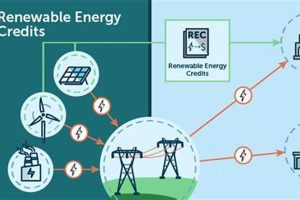
Eco-friendly transit powered by sustainable resources, such as solar, wind, hydro, geothermal, and bioenergy, offers a cleaner alternative to conventional fossil fuel-based systems. Examples include electric vehicles charged with solar power, trains running on electricity from wind farms, and ships utilizing biofuels. These methods reduce reliance on finite resources and minimize harmful emissions.
Clean transit systems are crucial for mitigating climate change and improving air quality. Shifting away from fossil fuels in the transportation sector reduces greenhouse gas emissions, a key contributor to global warming. Furthermore, it lessens air pollution, leading to public health benefits. The development and adoption of sustainable transit options have gained momentum in recent decades, driven by growing environmental concerns and technological advancements.
This article will delve deeper into the various types of sustainable power sources for vehicles, the technological advancements driving their adoption, and the challenges and opportunities associated with widespread implementation. It will also examine the economic and social impacts of transitioning to a cleaner transportation future.
Tips for Supporting Sustainable Transportation
Transitioning to a cleaner transportation future requires collective action. The following tips provide actionable steps individuals and communities can take to promote and support sustainable mobility.
Tip 1: Advocate for supportive policies. Contact elected officials to express support for policies that incentivize the development and adoption of clean vehicles and infrastructure, such as tax credits for electric vehicles, funding for public transit, and regulations promoting renewable energy sources.
Tip 2: Choose sustainable transportation options. Whenever possible, opt for walking, cycling, or using public transportation. Consider investing in an electric vehicle or a hybrid vehicle for personal transportation needs.
Tip 3: Support businesses committed to sustainability. Patronize companies that prioritize sustainable transportation practices in their operations, such as using electric delivery fleets or offering incentives for employees who use eco-friendly commuting methods.
Tip 4: Reduce overall travel. Embrace remote work opportunities, consolidate errands, and utilize video conferencing to minimize unnecessary travel. These choices reduce fuel consumption and emissions.
Tip 5: Invest in renewable energy sources. Consider installing solar panels on homes or businesses to generate clean electricity that can be used to power electric vehicles. Support community solar projects or other renewable energy initiatives.
Tip 6: Educate and engage others. Share information about the benefits of sustainable transportation with friends, family, and colleagues. Participate in community events and discussions focused on clean energy and transportation solutions.
Tip 7: Promote sustainable urban planning. Advocate for urban planning initiatives that prioritize walkability, cycling infrastructure, and efficient public transportation systems. This creates communities designed for sustainable mobility.
By implementing these tips, individuals and communities can contribute to a significant reduction in pollution and dependence on finite resources, paving the way for a healthier, more sustainable future.
Moving forward, it’s crucial to consider the broader implications of this shift and the collaborative efforts required to achieve widespread adoption of sustainable transportation.
1. Electric Vehicles (EVs)

Electric vehicles represent a cornerstone of sustainable transportation, offering a pathway to decarbonize the sector and reduce reliance on fossil fuels. The connection between EVs and renewable energy transportation hinges on the source of electricity used to charge these vehicles. When EVs are powered by renewable energy sources like solar, wind, or hydro, they become a truly emissions-free transportation option, effectively decoupling transportation from fossil fuel dependence. This synergy creates a positive feedback loop: increased EV adoption drives demand for renewable energy, further incentivizing investment and development in clean power generation.
The importance of EVs as a component of renewable energy transportation is underscored by their growing market share and technological advancements. Battery technology improvements are leading to increased range and reduced charging times, addressing key consumer concerns. Furthermore, the expanding charging infrastructure network, including public charging stations and home charging solutions, makes EV ownership increasingly practical. Real-world examples of this integration include municipalities deploying electric bus fleets powered by local solar farms and businesses transitioning to electric delivery vehicles charged with wind-generated electricity. These initiatives demonstrate the tangible benefits of combining EVs with renewable energy sources.
Understanding the crucial link between EVs and renewable energy sources is paramount for achieving comprehensive sustainability in transportation. While EVs themselves offer significant emissions reductions compared to conventional vehicles, their full environmental potential is realized when powered by clean electricity. Challenges remain, including the need for continued investment in renewable energy infrastructure and addressing the environmental impact of battery production and disposal. However, the ongoing transition to EVs powered by renewable energy represents a significant step towards a cleaner, more sustainable transportation future.
2. Biofuels

Biofuels, derived from organic matter such as plants and algae, offer a renewable alternative to conventional fossil fuels in the transportation sector. Their connection to sustainable transit lies in their potential to reduce greenhouse gas emissions and decrease reliance on finite petroleum resources. The use of biofuels can create a closed carbon cycle, where the carbon dioxide released during combustion is offset by the carbon dioxide absorbed during plant growth. This contrasts sharply with fossil fuels, which introduce previously sequestered carbon into the atmosphere, contributing to climate change. The importance of biofuels as a component of sustainable transportation is underscored by their compatibility with existing engine technologies, enabling a smoother transition compared to other alternative fuel options. Real-world examples include airlines using biofuel blends for jet fuel and trucking companies adopting biodiesel for their fleets. These applications demonstrate the practical viability of biofuels as a near-term solution for reducing emissions in heavy-duty transportation.
Furthering the analysis of biofuel integration, several key factors must be considered. Sustainable feedstock sourcing is crucial to avoid deforestation, habitat loss, and competition with food crops. Advanced biofuel production technologies, such as cellulosic ethanol and algae-based biofuels, hold promise for increasing efficiency and reducing environmental impacts compared to first-generation biofuels. Life-cycle assessments are necessary to evaluate the overall environmental performance of biofuels, accounting for factors such as land use change, fertilizer use, and processing emissions. Practical applications extend beyond direct fuel substitution, with biofuels also playing a role in sustainable aviation fuels and the production of bio-based chemicals for various transportation-related materials.
In summary, biofuels represent a vital pathway towards decarbonizing the transportation sector. Their effectiveness hinges on sustainable feedstock production, technological advancements, and comprehensive life-cycle assessments. While challenges remain, including scaling production and ensuring environmental sustainability, biofuels offer a tangible solution for reducing reliance on fossil fuels and mitigating the environmental impacts of transportation. Their continued development and integration into the transportation fuel mix are essential for achieving a cleaner, more sustainable future.
3. Hydrogen Fuel Cells

Hydrogen fuel cells present a compelling pathway toward decarbonizing the transportation sector, particularly for long-haul and heavy-duty applications where battery electric solutions face range and weight limitations. Their relevance to renewable energy transportation stems from their ability to utilize hydrogen generated from renewable sources, creating a truly emissions-free fuel cycle. This contrasts with conventional hydrogen production methods reliant on fossil fuels, which negate the environmental benefits. The following facets explore the key components, real-world examples, and implications of hydrogen fuel cells within sustainable transportation systems.
- Fuel Production and Storage
The sustainability of hydrogen fuel cells hinges on the source of hydrogen. Green hydrogen, produced through electrolysis powered by renewable energy, offers a clean and sustainable pathway. However, challenges remain in efficient and cost-effective hydrogen storage and transportation, requiring advancements in storage technologies like compressed gas, liquid hydrogen, and chemical hydrides. Real-world examples include pilot projects exploring hydrogen production from wind and solar farms, coupled with on-site storage for fueling transportation fleets.
- Fuel Cell Technology and Efficiency
Hydrogen fuel cells convert hydrogen and oxygen into electricity, emitting only water vapor as a byproduct. Ongoing research and development focus on improving fuel cell efficiency, durability, and cost-effectiveness. Different fuel cell types, such as proton exchange membrane fuel cells (PEMFCs) and solid oxide fuel cells (SOFCs), are being explored for various transportation applications. Examples include fuel cell buses deployed in urban transit systems and fuel cell-powered trucks for long-haul freight transport.
- Infrastructure Development
Widespread adoption of hydrogen fuel cell vehicles requires a robust hydrogen refueling infrastructure. Building out a network of hydrogen refueling stations presents a significant challenge, demanding substantial investment and strategic planning. Integration with existing infrastructure, such as natural gas pipelines, is being explored as a potential pathway for hydrogen distribution. Examples include government-funded initiatives to establish hydrogen refueling corridors along major transportation routes.
- Applications and Market Adoption
Hydrogen fuel cells are particularly well-suited for heavy-duty transportation, including trucks, buses, trains, and maritime vessels. Their high energy density and fast refueling times offer advantages over battery electric solutions for these applications. Early market adoption is focused on niche applications, with broader market penetration dependent on cost reductions, infrastructure development, and public awareness. Examples include pilot programs deploying hydrogen-powered trains and fuel cell-powered forklifts in industrial settings.
The integration of hydrogen fuel cells into the broader landscape of renewable energy transportation offers a promising pathway for decarbonizing sectors difficult to electrify directly. The transition to a hydrogen-based transportation system requires addressing challenges related to sustainable hydrogen production, storage, infrastructure development, and cost-competitiveness. Continued innovation and investment in these areas are essential for realizing the full potential of hydrogen fuel cells as a key component of a sustainable transportation future.
4. Solar-Powered Vehicles
Solar-powered vehicles represent a niche but compelling component of renewable energy transportation, offering the potential for truly emissions-free personal mobility. The connection between solar-powered vehicles and the broader concept of sustainable transit lies in their direct utilization of solar energy, eliminating the need for external charging infrastructure or reliance on grid electricity. This direct energy conversion reduces complexity and enhances energy independence, making solar-powered vehicles particularly attractive for certain applications. The importance of solar-powered vehicles within the renewable energy transportation landscape stems from their ability to showcase the potential of solar energy and drive innovation in photovoltaic technology and lightweight vehicle design. Real-world examples include solar-powered cars designed for long-distance races, demonstrating the feasibility of solar-powered mobility and pushing the boundaries of solar vehicle technology. These examples serve as proof-of-concept and inspire further development in the field.
Further analysis reveals the practical significance of this understanding. While current solar-powered vehicles face limitations in terms of range, speed, and carrying capacity, they offer valuable insights for developing more practical solar-assisted transportation solutions. Integrating solar panels into conventional electric vehicles can extend range and reduce charging frequency, effectively augmenting existing battery technology. Solar-powered charging stations for electric vehicles can provide off-grid charging options, increasing accessibility and resilience. Practical applications extend beyond personal vehicles, with solar power also showing promise for powering boats, bicycles, and even small aircraft. These applications demonstrate the versatility of solar energy within the transportation sector and its potential to contribute to a more sustainable future.
In summary, solar-powered vehicles, while currently limited in widespread applicability, play a crucial role in advancing renewable energy transportation. They serve as both a tangible demonstration of solar energy’s potential and a catalyst for innovation in related technologies. Challenges remain in terms of improving energy efficiency, reducing costs, and increasing vehicle practicality. However, the continued development and integration of solar technology into the broader transportation landscape offer a promising avenue for achieving truly sustainable and emissions-free mobility. Their presence, even in niche applications, reinforces the broader shift towards renewable energy in transportation and inspires continued progress towards a cleaner, more sustainable future.
5. Renewable Energy Infrastructure

Renewable energy infrastructure forms the backbone of sustainable transportation systems, providing the clean electricity needed to power electric vehicles, produce green hydrogen for fuel cells, and support other renewable energy-based transportation modes. The connection between renewable energy infrastructure and sustainable transit is symbiotic: the growth of renewable energy transportation drives demand for clean electricity generation, while the expansion of renewable energy infrastructure enables wider adoption of sustainable transport options. This interdependence creates a positive feedback loop, accelerating the transition towards a decarbonized transportation sector. The importance of renewable energy infrastructure as a component of sustainable transportation is underscored by its role in reducing greenhouse gas emissions, improving air quality, and enhancing energy security. Real-world examples include the development of large-scale solar and wind farms to power electric vehicle charging networks and the construction of hydropower plants to provide clean electricity for electric trains. These projects demonstrate the practical implementation of renewable energy infrastructure in support of sustainable transportation.
Further analysis reveals the multifaceted nature of this connection. Investing in renewable energy infrastructure not only supports the direct electrification of transportation but also enables the production of green hydrogen for fuel cell vehicles and provides the energy needed for manufacturing biofuels. Grid modernization efforts, including smart grids and advanced energy storage solutions, are crucial for integrating variable renewable energy sources and ensuring a reliable and efficient power supply for transportation needs. Practical applications extend beyond individual modes of transport, encompassing the electrification of entire transportation systems, such as ports and airports, powered by on-site renewable energy generation. These integrated approaches maximize the benefits of renewable energy infrastructure and minimize the environmental footprint of transportation.
In summary, renewable energy infrastructure is an indispensable component of sustainable transportation. Its development and expansion are crucial for enabling the widespread adoption of electric vehicles, hydrogen fuel cell vehicles, and other renewable energy-based transportation modes. While challenges remain, including the intermittency of renewable energy sources and the need for grid modernization, the ongoing investment in renewable energy infrastructure represents a fundamental shift towards a cleaner, more sustainable, and energy-secure transportation future. The interconnectedness of renewable energy infrastructure and sustainable transportation underscores the need for integrated planning and policy approaches to maximize the benefits of both and accelerate the transition towards a decarbonized transportation system.
6. Energy Storage Solutions

Energy storage solutions are integral to the effective implementation of renewable energy transportation, addressing the intermittency of renewable energy sources like solar and wind power. Reliable energy storage ensures a consistent power supply for electric vehicle charging, hydrogen production, and other energy demands of a sustainable transportation system. This dependability is crucial for overcoming the limitations of fluctuating renewable energy generation and ensuring continuous operation of transportation infrastructure. The following facets delve into the key components, real-world examples, and implications of energy storage within renewable energy transportation.
- Battery Storage
Battery storage systems, particularly lithium-ion batteries, are a prominent energy storage solution for renewable energy transportation. Their applications span from electric vehicle batteries to grid-scale storage supporting charging infrastructure. Advancements in battery technology, including improved energy density, faster charging rates, and longer lifespans, are crucial for enhancing the performance and affordability of renewable energy transportation. Real-world examples include electric vehicle manufacturers integrating advanced battery technologies into their models and utilities deploying large-scale battery storage facilities to stabilize grid operations and support electric vehicle charging.
- Pumped Hydro Storage
Pumped hydro storage, a mature and proven technology, offers large-scale energy storage capacity by utilizing the potential energy of water. During periods of excess renewable energy generation, water is pumped uphill to a reservoir. When energy demand is high, the water is released downhill through turbines, generating electricity. Pumped hydro storage plays a vital role in balancing grid fluctuations and providing reliable power for transportation systems. Examples include existing pumped hydro facilities being integrated into renewable energy grids to support electric vehicle charging and other transportation-related energy demands.
- Thermal Energy Storage
Thermal energy storage systems capture and store thermal energy for later use, offering a viable option for applications like heating and cooling in transportation infrastructure. These systems can utilize various materials and methods, including molten salt, phase-change materials, and sensible heat storage. Integrating thermal energy storage with renewable energy sources can improve energy efficiency and reduce reliance on fossil fuels for heating and cooling needs within transportation systems. Examples include airports and train stations using thermal energy storage systems powered by solar thermal collectors to manage temperature control.
- Flywheel Energy Storage
Flywheel energy storage systems store kinetic energy in a rotating mass, offering rapid response times and high power output. These systems are particularly well-suited for applications requiring short bursts of energy, such as regenerative braking in electric vehicles and grid stabilization. Flywheel technology can enhance the efficiency and performance of renewable energy transportation systems by capturing and reusing energy that would otherwise be lost. Examples include electric buses utilizing flywheel energy storage systems to improve braking efficiency and reduce energy consumption.
The integration of efficient and reliable energy storage solutions is paramount for realizing the full potential of renewable energy transportation. These technologies address the inherent intermittency of renewable energy sources, ensuring a consistent and dependable power supply for electric vehicles, hydrogen production, and other transportation needs. The ongoing advancements in energy storage technologies, coupled with strategic integration into transportation infrastructure, pave the way for a truly sustainable and resilient transportation future. The interplay between energy storage and renewable energy generation creates a synergistic relationship, fostering a more efficient, clean, and reliable transportation sector.
7. Policy and Incentives

Government policies and incentives play a crucial role in accelerating the adoption of renewable energy transportation, influencing consumer behavior, stimulating technological innovation, and shaping market development. Effective policy frameworks create an enabling environment for the transition to sustainable transportation by addressing barriers, promoting investment, and fostering public awareness. The following facets explore key policy and incentive mechanisms and their impact on renewable energy transportation.
- Financial Incentives
Financial incentives, such as tax credits, rebates, and subsidies, directly reduce the cost of purchasing and operating renewable energy transportation technologies. These incentives can stimulate consumer demand for electric vehicles, encourage businesses to invest in clean transportation fleets, and support the development of renewable energy infrastructure. Examples include government-sponsored purchase rebates for electric vehicles, tax credits for installing home charging stations, and grants for renewable energy projects supporting transportation needs. These financial mechanisms can significantly influence market adoption rates and accelerate the transition to sustainable transportation.
- Regulations and Standards
Regulations and standards, such as emissions standards, fuel efficiency requirements, and renewable portfolio standards, establish clear targets and mandates for reducing the environmental impact of transportation. These regulations create a level playing field for clean technologies, drive innovation in fuel efficiency and emissions reduction, and provide long-term certainty for investors. Examples include increasingly stringent vehicle emissions standards, regulations mandating the use of biofuels in transportation fuels, and renewable portfolio standards requiring utilities to generate a certain percentage of their electricity from renewable sources. These regulations play a crucial role in shaping the development and deployment of renewable energy transportation technologies.
- Infrastructure Investment
Public investment in infrastructure, such as charging networks for electric vehicles, hydrogen refueling stations, and dedicated bus lanes, is essential for supporting the widespread adoption of renewable energy transportation. Investing in infrastructure addresses range anxiety concerns, improves the convenience and accessibility of clean transportation options, and creates a foundation for long-term growth. Examples include government-funded programs to build out electric vehicle charging networks, initiatives to develop hydrogen refueling corridors along major transportation routes, and investments in public transit infrastructure to support electric bus fleets. These infrastructure investments are crucial for creating a robust and accessible renewable energy transportation system.
- Research and Development Support
Government support for research and development in renewable energy transportation technologies is crucial for driving innovation, improving efficiency, and reducing costs. Funding research into battery technologies, fuel cell development, biofuel production, and other areas can accelerate technological breakthroughs and pave the way for wider adoption of sustainable transportation solutions. Examples include government grants for research into next-generation battery technologies, funding for pilot projects exploring advanced biofuel production methods, and support for the development of innovative hydrogen storage solutions. These investments in research and development play a vital role in advancing the frontiers of renewable energy transportation.
The strategic implementation of policy and incentive mechanisms is essential for creating a supportive ecosystem for renewable energy transportation. These policy instruments, ranging from financial incentives to regulations and infrastructure investments, work in concert to overcome barriers, stimulate market growth, and accelerate the transition to a cleaner, more sustainable transportation future. The effectiveness of these policies hinges on careful design, consistent implementation, and ongoing evaluation to ensure alignment with evolving technological advancements and market dynamics. The interplay between policy, technology, and market forces ultimately determines the pace and trajectory of renewable energy transportation adoption.
Frequently Asked Questions
This section addresses common inquiries regarding sustainable transit powered by renewable resources.
Question 1: What are the primary types of renewable energy used in transportation?
The main renewable energy sources currently utilized in transportation include solar, wind, hydro, geothermal, and bioenergy. These resources power various vehicles and modes of transport, including electric vehicles, hydrogen fuel cell vehicles, and biofuel-powered vehicles.
Question 2: How do electric vehicles contribute to renewable energy transportation?
Electric vehicles, when charged with electricity generated from renewable sources, offer a significant pathway for decarbonizing road transportation. This combination effectively displaces gasoline and diesel consumption, reducing greenhouse gas emissions and reliance on fossil fuels.
Question 3: What role do biofuels play in sustainable transportation?
Biofuels, derived from sustainable biomass sources, offer a renewable alternative to conventional fossil fuels, particularly for applications like aviation and heavy-duty trucking. Their use can reduce lifecycle greenhouse gas emissions compared to petroleum-based fuels.
Question 4: What are the challenges associated with transitioning to renewable energy transportation?
Key challenges include the scalability of renewable energy production, the development of adequate infrastructure (e.g., charging stations, hydrogen refueling stations), the upfront costs of new technologies, and the intermittency of some renewable energy sources.
Question 5: What are the benefits of adopting renewable energy transportation?
Benefits include reduced greenhouse gas emissions and air pollution, decreased dependence on finite fossil fuel resources, enhanced energy security, economic opportunities associated with new technologies and industries, and improved public health outcomes.
Question 6: How can individuals support the transition to renewable energy transportation?
Individuals can support the transition by choosing sustainable transportation options like walking, cycling, and public transit; advocating for policies that promote renewable energy and clean transportation; considering electric or hybrid vehicles for personal use; and reducing overall energy consumption.
Transitioning to sustainable transportation requires a multifaceted approach encompassing technological advancements, infrastructure development, policy support, and individual actions. Addressing these aspects collectively is essential for achieving widespread adoption and realizing the full benefits of renewable energy transportation.
The subsequent sections of this article will explore specific technologies, infrastructure requirements, and policy considerations in greater detail.
Conclusion
Sustainable transit powered by renewable resources represents a fundamental shift away from fossil fuel dependence in the transportation sector. This transition encompasses a range of technologies, including electric vehicles powered by renewable electricity, hydrogen fuel cell vehicles utilizing green hydrogen, and biofuel-powered vehicles employing sustainably sourced biofuels. The development and implementation of these technologies require significant investment in renewable energy infrastructure, energy storage solutions, and supportive policy frameworks. Addressing challenges such as intermittency, scalability, and cost-effectiveness is crucial for widespread adoption. The exploration of these facets underscores the complexity and interconnectedness of the various components within renewable energy transportation systems.
The pursuit of sustainable transportation is not merely a technological endeavor; it is a societal imperative. Transitioning away from fossil fuels in transportation is essential for mitigating climate change, improving air quality, and enhancing energy security. The choices made today will determine the trajectory of transportation systems for generations to come. Embracing renewable energy transportation requires a collective commitment to innovation, investment, and policy action. The future of mobility hinges on the successful integration of sustainable technologies, infrastructure, and policies, paving the way for a cleaner, more resilient, and sustainable transportation landscape.