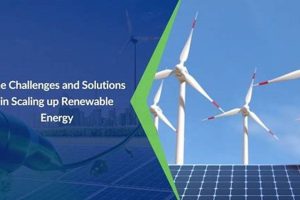
A world powered primarily by sustainable resources like solar, wind, hydro, geothermal, and biomass energy represents a significant shift from the current reliance on fossil fuels. This transition involves not only technological advancements in energy generation and storage but also fundamental changes in infrastructure, energy consumption patterns, and global economic strategies. For instance, a decentralized energy grid powered by rooftop solar panels and community wind turbines illustrates one potential aspect of this transformation.
The pursuit of sustainable energy sources offers numerous advantages. It promises a reduction in greenhouse gas emissions, mitigating the effects of climate change. Furthermore, it fosters greater energy independence for nations, reducing reliance on volatile global fossil fuel markets. Historically, energy transitions have been driven by resource scarcity, technological innovation, and economic considerations. The current shift towards sustainable practices is uniquely driven by environmental urgency and a growing global consensus on the need for a cleaner energy future.
This exploration will further delve into the specific technologies driving this transition, the challenges in implementing them on a global scale, and the potential economic and societal implications of a world powered by clean energy.
Tips for Transitioning to a Sustainable Energy Landscape
Implementing sustainable energy solutions requires careful consideration and strategic planning. The following tips offer guidance for individuals, communities, and businesses seeking to contribute to a cleaner energy future.
Tip 1: Invest in Energy Efficiency: Reducing energy consumption through improved insulation, energy-efficient appliances, and smart home technologies minimizes the overall energy demand, making the transition to sustainable sources more manageable. For example, upgrading to LED lighting can significantly reduce electricity consumption.
Tip 2: Explore Rooftop Solar: Residential and commercial buildings can generate their own clean electricity by installing solar panels. Net metering programs often allow excess energy to be fed back into the grid, offsetting energy costs.
Tip 3: Support Community Solar Initiatives: Participating in community solar projects provides access to clean energy for those who may not have suitable rooftops or sufficient capital for individual installations.
Tip 4: Advocate for Policy Changes: Supporting policies that incentivize clean energy development, such as tax credits, rebates, and renewable portfolio standards, can accelerate the transition on a larger scale.
Tip 5: Consider Electric Vehicles: Transitioning to electric vehicles powered by clean electricity significantly reduces transportation emissions, a major contributor to air pollution and climate change.
Tip 6: Reduce, Reuse, Recycle: Embracing sustainable consumption habits minimizes the energy required for manufacturing and waste disposal, indirectly contributing to a cleaner energy future.
Tip 7: Support Sustainable Businesses: Choosing to patronize businesses committed to sustainable practices encourages wider adoption of clean energy and environmentally responsible operations.
By adopting these strategies, individuals and communities can actively participate in the global shift toward a more sustainable energy landscape, reaping the benefits of cleaner air, greater energy independence, and a more resilient future.
The transition to a world powered by sustainable energy represents a significant undertaking but offers substantial long-term benefits. The next section will explore the potential challenges and opportunities that lie ahead.
1. Sustainable Sources

Sustainable sources represent the bedrock of a renewable energy future. These sources, primarily solar, wind, hydro, geothermal, and biomass, replenish naturally and offer a viable alternative to finite fossil fuels. Their inherent renewability ensures long-term energy security without depleting natural resources. The reliance on sustainable sources directly addresses the environmental concerns associated with fossil fuel combustion, reducing greenhouse gas emissions and mitigating the impact of climate change. For example, a solar farm can generate electricity without producing carbon dioxide, unlike a coal-fired power plant. This fundamental shift toward sustainable supply is crucial for achieving a decarbonized energy sector and mitigating the long-term consequences of climate change.
The viability of a renewable energy future rests on the effective harnessing and integration of these sustainable sources. Technological advancements in energy capture, conversion, and storage are essential for maximizing their potential. For instance, improvements in wind turbine technology have led to increased energy generation efficiency. Similarly, advancements in battery technology are crucial for storing intermittent solar and wind energy, ensuring a reliable power supply. Furthermore, the development of smart grids facilitates the efficient distribution of renewable energy from diverse, decentralized sources. The seamless integration of these technologies with sustainable sources is crucial for a reliable and resilient energy infrastructure.
Transitioning to a renewable energy future necessitates not only technological advancements but also significant policy and infrastructure adjustments. Supportive policies, such as feed-in tariffs and renewable portfolio standards, incentivize investment and development in sustainable energy sources. Furthermore, strategic infrastructure development, including upgrading transmission lines and developing energy storage solutions, is essential for accommodating the decentralized nature of renewable energy generation. Overcoming these challenges through coordinated technological, policy, and infrastructural advancements is essential for realizing the full potential of sustainable sources and securing a sustainable energy future.
2. Technological Advancements
Technological advancements are essential for realizing a renewable energy future. Innovation across various sectors, from energy generation and storage to grid management and energy efficiency, is crucial for overcoming the challenges associated with transitioning away from fossil fuels. These advancements not only improve the performance and cost-effectiveness of renewable energy technologies but also facilitate their seamless integration into existing infrastructure.
- Energy Storage
Efficient and affordable energy storage solutions are critical for addressing the intermittency of renewable energy sources like solar and wind. Advancements in battery technology, pumped hydro storage, and thermal storage are enabling greater grid stability and reliability by storing excess energy generated during peak production periods and releasing it when demand is high. For example, advancements in lithium-ion battery technology have significantly increased energy density and reduced costs, making them a viable option for grid-scale energy storage. These advancements are essential for ensuring a consistent and reliable power supply from intermittent renewable sources.
- Smart Grid Technologies
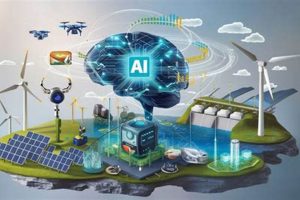
Smart grids utilize digital technologies to optimize electricity distribution and manage the complexities of integrating diverse renewable energy sources. Real-time monitoring, advanced sensors, and automated control systems enable dynamic energy management, improving grid efficiency, reliability, and resilience. For instance, smart meters can provide consumers with real-time feedback on their energy consumption, enabling them to make informed decisions about energy use. This intelligent management of electricity flow is crucial for accommodating the decentralized and fluctuating nature of renewable energy generation.
- Next-Generation Solar Technologies
Research and development in solar photovoltaic (PV) technology continue to drive improvements in efficiency, durability, and cost-effectiveness. Innovations such as perovskite solar cells and multi-junction solar cells promise higher energy conversion rates and open up new possibilities for solar energy applications. For example, flexible and transparent solar cells are being integrated into building materials, expanding the potential for solar energy generation beyond traditional rooftop installations. These advancements are crucial for maximizing the potential of solar energy and reducing its overall cost.
- Advanced Wind Turbine Technology
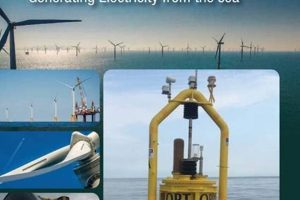
Advancements in wind turbine design, materials, and control systems are leading to increased energy capture efficiency and improved performance in diverse wind conditions. Larger rotor diameters, taller towers, and advanced blade designs enable turbines to access stronger and more consistent winds. Furthermore, advancements in offshore wind turbine technology are unlocking the vast potential of wind energy in coastal regions. These advancements are essential for increasing the capacity and reliability of wind energy generation.
These technological advancements, acting in concert, are driving the transition toward a renewable energy future. By improving the efficiency, affordability, and reliability of renewable energy technologies, these innovations are paving the way for a decarbonized energy sector and a more sustainable future. Continued investment in research and development is crucial for accelerating the pace of innovation and realizing the full potential of renewable energy sources.
3. Economic Viability

The economic viability of renewable energy is paramount for its widespread adoption and long-term sustainability. Transitioning to a renewable energy future requires not only technological advancements but also sound economic strategies that ensure affordability, create economic opportunities, and foster a stable and resilient energy market. Analyzing the economic aspects of renewable energy involves considering factors such as cost competitiveness, job creation, investment opportunities, and the overall impact on economic growth and stability.
- Cost Competitiveness
Renewable energy technologies, particularly solar and wind power, have experienced significant cost reductions in recent years, making them increasingly competitive with fossil fuels. In many regions, the levelized cost of electricity from renewable sources is now lower than that of conventional power generation. This cost competitiveness is a key driver of renewable energy adoption, attracting both public and private investment. For example, the declining cost of solar panels has spurred the growth of rooftop solar installations in residential and commercial sectors, demonstrating the impact of cost competitiveness on market adoption.
- Job Creation
The renewable energy sector is a significant source of job creation, offering employment opportunities across various fields, including manufacturing, installation, maintenance, and research and development. As the renewable energy industry expands, it generates new jobs and stimulates economic growth in local communities. For instance, the growth of the wind energy industry has created numerous jobs in manufacturing, installation, and maintenance of wind turbines, illustrating the potential of renewable energy to drive economic development.
- Investment Opportunities
The transition to a renewable energy future presents significant investment opportunities across the entire value chain, from research and development to project development and financing. Investors are increasingly recognizing the long-term growth potential of the renewable energy sector and are allocating capital to support its expansion. For example, the growth of green bonds and other sustainable finance instruments demonstrates the increasing flow of capital into renewable energy projects. These investments are crucial for accelerating the deployment of renewable energy technologies and achieving a sustainable energy future.
- Energy Independence and Security
Renewable energy sources offer nations greater energy independence by reducing reliance on imported fossil fuels. This reduced dependence on volatile global energy markets enhances energy security and protects economies from price fluctuations and supply disruptions. For example, countries with abundant solar and wind resources can generate their own electricity, reducing their dependence on imported oil and gas. This enhanced energy independence contributes to greater economic stability and resilience.
The economic viability of renewable energy is intrinsically linked to the realization of a sustainable energy future. The decreasing costs, job creation potential, and investment opportunities associated with renewable energy technologies are driving their widespread adoption and contributing to economic growth and stability. As the world transitions towards a cleaner energy future, the economic benefits of renewable energy will become increasingly apparent, further reinforcing its role as a key driver of sustainable development.
4. Infrastructure Development

Infrastructure development plays a crucial role in enabling a renewable energy future. The existing infrastructure, primarily designed for centralized fossil fuel-based power generation, requires significant upgrades and expansion to accommodate the decentralized and intermittent nature of renewable energy sources. This includes strengthening and expanding transmission and distribution networks, developing smart grid technologies, and investing in energy storage solutions.
The inherent variability of renewable energy sources like solar and wind necessitates robust energy storage infrastructure. Grid-scale batteries, pumped hydro storage, and other storage technologies are essential for balancing supply and demand, ensuring a reliable and continuous power supply even when the sun isn’t shining or the wind isn’t blowing. For example, integrating large-scale battery storage systems into the grid allows excess solar energy generated during the day to be stored and used during peak demand periods in the evening. This infrastructure investment is crucial for managing the intermittency of renewable sources and ensuring grid stability.
Furthermore, integrating renewable energy sources often requires expanding and upgrading transmission lines to connect remote generation sites, such as wind farms and solar parks, to population centers. Modernizing the grid with smart grid technologies allows for dynamic energy management, optimizing the flow of electricity from diverse sources and enhancing grid resilience. For instance, smart grids can utilize real-time data and advanced sensors to predict and respond to fluctuations in renewable energy generation, ensuring efficient and reliable power distribution. This intelligent management of the electricity grid is essential for accommodating the decentralized nature of renewable energy sources and maximizing their effectiveness.
Investing in infrastructure development tailored to renewable energy sources is crucial not only for facilitating the integration of these sources into the existing grid but also for maximizing their potential. Efficient and reliable infrastructure reduces energy losses during transmission and distribution, improves grid stability, and ensures a consistent power supply, thereby enhancing the overall viability and effectiveness of renewable energy technologies. The transition to a renewable energy future hinges on strategic investments in infrastructure that can support the unique characteristics of these sustainable energy sources.
5. Policy and Regulation

Policy and regulation are integral to shaping a renewable energy future. Effective policies create a supportive environment that encourages investment in renewable energy technologies, accelerates their deployment, and facilitates the transition away from fossil fuels. These policies can take various forms, including financial incentives, renewable portfolio standards, carbon pricing mechanisms, and regulations that streamline permitting processes for renewable energy projects. The cause-and-effect relationship between policy and the growth of renewable energy is evident: supportive policies stimulate market growth, while a lack of clear policy direction can hinder investment and deployment. For instance, the implementation of feed-in tariffs in Germany significantly stimulated the growth of solar photovoltaic capacity, demonstrating the powerful impact of well-designed policies.
Renewable portfolio standards (RPS) mandate that a certain percentage of electricity generation comes from renewable sources. These standards create a guaranteed market for renewable energy, encouraging investment and development. Carbon pricing mechanisms, such as carbon taxes or cap-and-trade systems, internalize the environmental cost of fossil fuels, making renewable energy sources more economically competitive. Streamlined permitting processes for renewable energy projects reduce bureaucratic hurdles and accelerate deployment timelines. For example, in states with streamlined permitting processes for wind energy projects, the time required to obtain permits has been significantly reduced, facilitating faster project development and deployment. Understanding the practical significance of these policy instruments is crucial for policymakers seeking to accelerate the transition to a renewable energy future.
Policy and regulatory frameworks play a decisive role in the pace and scale of renewable energy adoption. Supportive policies are essential for creating a level playing field, incentivizing investment, and driving innovation. Challenges remain, including policy uncertainty, inconsistent regulations across jurisdictions, and the need for international cooperation to address the global nature of climate change. Addressing these challenges through well-designed policies and regulations is essential for unlocking the full potential of renewable energy and securing a sustainable energy future. A comprehensive understanding of the interplay between policy, regulation, and technological advancements is crucial for charting a successful path toward a future powered by clean and sustainable energy sources.
Frequently Asked Questions about a Renewable Energy Transition
This section addresses common inquiries regarding the transition to a future powered predominantly by renewable energy sources.
Question 1: What are the primary barriers to a fully renewable energy future?
Several challenges impede a complete transition. These include the intermittency of renewable sources like solar and wind, the need for substantial infrastructure upgrades to accommodate decentralized generation, and the upfront costs associated with transitioning away from existing fossil fuel-based infrastructure. Furthermore, policy and regulatory frameworks must adapt to support the growth and integration of renewable energy technologies effectively.
Question 2: How can energy storage address the intermittency of renewable sources?
Energy storage technologies, such as batteries, pumped hydro, and thermal storage, play a vital role in mitigating the intermittent nature of solar and wind power. These technologies store excess energy generated during periods of high production and release it when demand exceeds generation, ensuring a consistent and reliable power supply.
Question 3: What are the economic implications of transitioning to renewable energy?
The transition presents both challenges and opportunities. While upfront investment costs can be substantial, the long-term economic benefits include reduced fuel costs, job creation in the renewable energy sector, increased energy independence, and the potential for economic growth driven by technological innovation.
Question 4: What role does policy play in promoting renewable energy adoption?
Supportive policies are essential for accelerating the transition. These policies can include financial incentives like tax credits and rebates, renewable portfolio standards that mandate a certain percentage of renewable energy generation, and carbon pricing mechanisms that internalize the environmental cost of fossil fuels.
Question 5: How can individuals contribute to a renewable energy future?
Individuals can contribute through various actions, including investing in energy efficiency measures for their homes, installing rooftop solar panels, supporting community solar projects, advocating for policies that promote renewable energy, and making conscious consumption choices that reduce overall energy demand.
Question 6: What is the long-term vision for a renewable energy future?
The long-term vision encompasses a global energy system powered predominantly by sustainable sources, resulting in reduced greenhouse gas emissions, enhanced energy security, and a more sustainable and resilient energy infrastructure that benefits both the environment and the economy.
Understanding these key aspects of the transition is crucial for informed decision-making and effective implementation of strategies that promote a sustainable energy future.
Further exploration of specific renewable energy technologies and their integration into existing infrastructure will follow in the next section.
Renewable Energy Future
This exploration has examined the multifaceted nature of a renewable energy future, encompassing technological advancements, economic viability, infrastructure development, and the crucial role of policy and regulation. The transition away from fossil fuels toward sustainable energy sources presents both challenges and opportunities. Overcoming the intermittency of renewable sources through advancements in energy storage and smart grid technologies is essential. Furthermore, ensuring the economic viability of renewable energy through cost reductions and strategic investments is crucial for widespread adoption. Finally, supportive policy and regulatory frameworks are necessary to create a favorable environment for growth and innovation within the renewable energy sector.
The transition to a renewable energy future represents not merely a technological shift but a fundamental transformation of the global energy landscape. The pursuit of sustainable energy sources holds the potential to mitigate the impacts of climate change, enhance energy security, and create new economic opportunities. Addressing the challenges and realizing the full potential of this transition requires concerted efforts from governments, industries, and individuals alike. The future of energy hinges on the successful implementation of sustainable practices and the continued pursuit of technological innovation within the renewable energy sector. This transition represents a necessary step towards a more sustainable and resilient future for all.