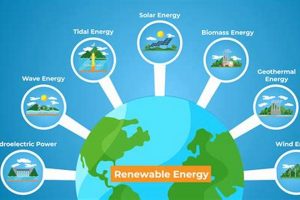
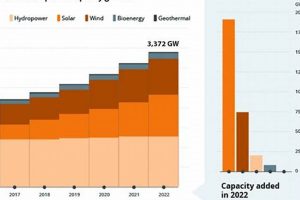
Investments focused on companies developing or utilizing sustainable power sources like solar, wind, hydro, and geothermal energy represent a significant portion of the responsible investing landscape. These investments can take various forms, including mutual funds, exchange-traded funds (ETFs), and private equity investments. For instance, an ETF might track a specific index of publicly traded wind turbine manufacturers and solar panel installers.
Capital directed toward these sustainable power sources is crucial for accelerating the transition to a lower-carbon economy. Such investments facilitate technological innovation, infrastructure development, and broader market adoption of cleaner energy alternatives. Historically, government subsidies and policy initiatives have played a crucial role in fostering the growth of these sectors. However, increasing private investment is now recognized as essential for sustained long-term growth and achieving climate goals.
This exploration delves further into specific areas within the realm of sustainable power finance, covering diverse investment strategies, the evolving regulatory landscape, and the potential impact on global energy markets.
Tips for Investing in Sustainable Power
Careful consideration of several factors is essential for successful and impactful investment in companies focused on sustainable energy sources.
Tip 1: Diversify Across Technologies: Concentrating investments solely in one technology (e.g., solar) increases risk. A balanced portfolio across various sustainable power sources mitigates potential downsides associated with technological advancements or regulatory changes impacting specific sectors.
Tip 2: Consider Geographic Distribution: Regulatory environments and growth potentials vary significantly across regions. Diversifying geographically can optimize returns while supporting a broader global transition to cleaner energy.
Tip 3: Evaluate Fund Management Expertise: Thorough due diligence on fund managers is critical. Assess their experience in the sustainable power sector, investment strategies, and track record. This helps ensure alignment with investment goals and maximizes the potential for positive impact.
Tip 4: Analyze Fee Structures: Management fees and expense ratios can significantly affect long-term returns. Comparing different fund options helps identify cost-effective solutions without compromising on quality and alignment with investment objectives.
Tip 5: Incorporate ESG Factors: Environmental, Social, and Governance (ESG) factors are becoming increasingly relevant to investment decisions. Considering these non-financial aspects ensures alignment with broader sustainability principles and potentially identifies companies with stronger long-term growth potential.
Tip 6: Assess Risk Tolerance: Sustainable power investments, like any investment, carry inherent risks. Aligning investment choices with one’s risk tolerance is paramount for long-term financial well-being.
Tip 7: Stay Informed on Policy Changes: Government policies and regulations heavily influence the renewable energy sector. Staying abreast of these developments allows for proactive adjustments to investment strategies, maximizing potential returns and minimizing risks.
By carefully considering these tips, potential investors can make informed decisions, contributing to the growth of sustainable power while pursuing their financial objectives.
These considerations underscore the dynamic nature of the sustainable power sector and the importance of a strategic and informed approach to investment.
1. Investment Objectives
Investment objectives represent the cornerstone of any investment strategy, particularly within the specialized realm of renewable energy funds. Clearly defined objectives provide a framework for decision-making, portfolio construction, and performance evaluation. Understanding the diverse range of investment objectives is crucial for aligning investment choices with individual financial goals and broader sustainability commitments.
- Capital Appreciation
Funds prioritizing capital appreciation aim to maximize investment growth over the long term. This objective often involves investing in companies with high growth potential, such as emerging technologies within the renewable energy sector or companies expanding into new markets. An example might include investing in a manufacturer of advanced battery storage solutions. This strategy typically carries higher risk but offers the potential for significant returns.
- Income Generation
Income-focused funds prioritize generating regular income streams for investors. This approach often involves investments in established renewable energy projects with stable cash flows, such as operating wind farms or solar power plants. An example could be an investment in a yieldco (a publicly traded company formed to own operating assets producing predictable cash flows). This objective offers lower risk and a predictable income stream, making it suitable for investors seeking consistent returns.
- Environmental Impact
Some investors prioritize maximizing environmental impact alongside financial returns. These funds often incorporate specific environmental, social, and governance (ESG) criteria into their investment strategies, focusing on companies demonstrating strong sustainability practices and contributing to a lower carbon footprint. For instance, a fund might prioritize investments in companies developing innovative solutions for reducing greenhouse gas emissions or promoting energy efficiency. This objective aligns financial goals with broader societal benefits.
- Balanced Approach
Many funds adopt a balanced approach, seeking a combination of capital appreciation, income generation, and positive environmental impact. This strategy involves diversifying investments across various renewable energy technologies, project stages, and geographies. An example might include a portfolio comprising investments in both established solar projects and emerging technologies like green hydrogen production. This approach offers a balanced risk-return profile while supporting the overall growth of the sustainable energy sector.
A clear understanding of these diverse investment objectives empowers investors to select funds aligned with their individual financial goals and values. Whether prioritizing growth, income, environmental impact, or a balanced approach, aligning investment objectives with a specific fund’s strategy enhances the likelihood of achieving desired outcomes and contributing to a more sustainable future.
2. Fund Manager Expertise

Fund manager expertise plays a pivotal role in the success of renewable energy funds. Deep domain knowledge of the renewable energy sector, including its technological landscape, regulatory environment, and market dynamics, is crucial for navigating the complexities of this specialized investment area. A skilled fund manager possesses the ability to identify promising technologies, evaluate project viability, assess market risks, and manage portfolio diversification effectively. For instance, a fund manager specializing in solar energy should possess a thorough understanding of photovoltaic technologies, solar panel manufacturing, project development cycles, government incentives, and the competitive landscape of solar energy providers. This expertise enables informed investment decisions, contributing to the fund’s overall performance and the advancement of sustainable energy solutions.
The practical significance of fund manager expertise becomes evident when considering the challenges and opportunities within the renewable energy landscape. The sector is characterized by rapid technological advancements, evolving regulatory frameworks, and fluctuating commodity prices. An experienced fund manager can anticipate these changes and adapt investment strategies accordingly, mitigating risks and capitalizing on emerging opportunities. For example, a fund manager with expertise in energy storage technologies can strategically position the fund to benefit from the growing demand for grid-scale batteries, which are essential for integrating intermittent renewable energy sources into the power grid. Furthermore, a manager’s network of industry contacts and access to proprietary research can provide valuable insights and contribute to superior investment outcomes. Real-life examples, such as the successful track record of funds managed by experienced renewable energy specialists, demonstrate the tangible impact of domain expertise on long-term returns.
In summary, fund manager expertise serves as a cornerstone of successful renewable energy funds. The combination of technical knowledge, market understanding, and strategic foresight enables informed decision-making, effective risk management, and the identification of promising investment opportunities. This specialized expertise ultimately contributes to both the financial success of the fund and the broader transition toward a sustainable energy future. The increasing complexity of the renewable energy sector underscores the growing importance of skilled fund management in navigating the evolving investment landscape and achieving both financial and environmental objectives.
3. Underlying Asset Allocation

Underlying asset allocation within renewable energy funds dictates investment exposure across various segments of the sustainable energy sector. This allocation strategy significantly influences both the risk-return profile of the fund and its overall impact on the transition to cleaner energy sources. A diversified allocation might encompass investments in established technologies like wind and solar, alongside emerging technologies such as green hydrogen or energy storage solutions. The specific allocation strategy reflects the fund’s investment objectives, whether prioritizing capital appreciation, income generation, or a balanced approach. A fund targeting high growth might allocate a larger portion of its assets to early-stage companies developing innovative technologies, while a fund focused on stable income might prioritize investments in operating renewable energy projects with predictable cash flows. For instance, a fund emphasizing capital appreciation could invest heavily in companies developing next-generation solar panel technology, while an income-focused fund might allocate a larger portion to established wind farms with long-term power purchase agreements. This strategic allocation directly impacts potential returns and the fund’s contribution to the broader clean energy transition.
The practical significance of understanding underlying asset allocation becomes evident when considering real-world scenarios. A fund heavily concentrated in a single technology, such as solar, faces greater risks associated with technological disruption or regulatory changes specific to that sector. Conversely, a diversified portfolio across various renewable energy technologies, project stages, and geographies mitigates these risks and potentially captures a wider range of growth opportunities. For example, a fund diversified across solar, wind, and energy storage is less susceptible to downturns affecting only one specific technology. Moreover, allocating investments across different project stages, from early-stage development to operating assets, balances risk and return while supporting the entire renewable energy value chain. Analyzing the underlying asset allocation also provides insights into the fund’s alignment with broader sustainability goals. Funds prioritizing investments in companies with strong environmental, social, and governance (ESG) practices contribute not only to financial returns but also to a more sustainable future.
In conclusion, careful consideration of underlying asset allocation is paramount for informed investment decisions in renewable energy funds. This allocation strategy directly influences the fund’s risk-return profile, potential for impact, and alignment with investor values. Understanding the interplay between asset allocation, investment objectives, and the broader renewable energy landscape empowers investors to make informed choices, contributing to both financial success and the advancement of sustainable energy solutions. The increasing complexity and dynamism of the renewable energy sector underscore the crucial role of strategic asset allocation in navigating market opportunities and achieving desired investment outcomes.
4. Geographic Focus

Geographic focus plays a critical role in shaping the risk-return profile and impact potential of renewable energy funds. Resource availability, regulatory frameworks, political stability, and market dynamics vary significantly across regions, influencing investment opportunities and potential returns. A fund concentrating investments in a single country faces higher risks associated with political or regulatory changes specific to that region. Conversely, a geographically diversified portfolio mitigates these risks and potentially captures a wider range of growth opportunities across different markets. For instance, a fund investing solely in emerging solar markets in Africa might face higher political and economic risks compared to a fund diversified across both developed and emerging markets globally. This geographic diversification can stabilize returns while supporting the growth of renewable energy in diverse regions.
The practical significance of geographic focus becomes evident when considering real-world investment scenarios. Regions with abundant solar resources, like the southwestern United States or parts of North Africa, present attractive investment opportunities for solar energy projects. Similarly, countries with strong offshore wind resources, such as the United Kingdom or Denmark, offer potential for investments in offshore wind farms. However, regulatory frameworks and policy incentives also influence investment attractiveness. Countries with supportive policies, such as feed-in tariffs or tax credits for renewable energy, can accelerate market growth and enhance investment returns. Conversely, regions with uncertain regulatory environments or policy instability might pose higher risks to investors. Analyzing the geographic focus of a renewable energy fund, therefore, requires careful consideration of resource availability, regulatory landscapes, political stability, and market dynamics within targeted regions. For example, a fund focusing on European offshore wind projects benefits from the region’s strong wind resources and supportive regulatory frameworks, while a fund investing in emerging solar markets in Southeast Asia might face higher regulatory and political risks but also higher potential returns due to rapid market growth.
In summary, geographic focus serves as a key determinant of risk, return, and impact within renewable energy funds. Careful analysis of regional factors, including resource availability, regulatory frameworks, and political stability, is essential for informed investment decisions. Diversifying investments across different geographies can mitigate risks, capture a broader range of growth opportunities, and contribute to a more globally balanced transition to sustainable energy sources. The increasing interconnectedness of global energy markets further underscores the importance of strategic geographic focus in navigating the evolving renewable energy landscape and achieving both financial and environmental objectives. Understanding the interplay between geographic focus, regulatory dynamics, and market opportunities empowers investors to make informed choices, contributing to both individual financial success and the broader advancement of sustainable energy solutions worldwide.
5. Risk Assessment

Risk assessment forms a critical component of due diligence for investments in renewable energy funds. A comprehensive understanding of potential risks is essential for informed decision-making, effective portfolio management, and the pursuit of sustainable long-term returns. The inherent complexities of the renewable energy sector, coupled with evolving market dynamics and regulatory landscapes, necessitate a robust risk assessment framework.
- Technology Risk
Technological advancements can disrupt established renewable energy technologies, impacting the competitiveness and profitability of existing projects. For example, advancements in solar panel efficiency could render older installations less competitive, affecting their long-term revenue potential. Assessing technology risk involves evaluating the maturity and potential for disruption of underlying technologies within a fund’s portfolio.
- Regulatory Risk
Government policies and regulations significantly influence the renewable energy sector. Changes in feed-in tariffs, tax incentives, or renewable energy mandates can impact project profitability and investment returns. For instance, the expiration of tax credits for wind energy projects could negatively affect the financial viability of investments in those projects. Assessing regulatory risk involves analyzing the political and regulatory landscape of target markets and evaluating the potential impact of policy changes on investments.
- Market Risk
Fluctuations in energy prices, demand for renewable energy, and competition within the sector can impact the financial performance of renewable energy projects. For example, a decline in electricity prices could reduce the revenue generated by solar power plants. Assessing market risk involves analyzing energy market trends, competitive landscapes, and the potential impact of supply and demand dynamics on investment returns.
- Financial Risk
Project financing, debt levels, and interest rate fluctuations can affect the financial stability and profitability of renewable energy projects. For instance, a project heavily reliant on debt financing might face financial challenges if interest rates rise. Assessing financial risk involves evaluating the financial structure of projects within a fund’s portfolio, including debt levels, financing terms, and sensitivity to interest rate changes.
These interconnected risks underscore the importance of a thorough risk assessment process for renewable energy funds. Evaluating these facets provides investors with a comprehensive understanding of potential challenges and opportunities, enabling informed investment decisions, effective portfolio diversification, and the pursuit of sustainable financial returns within the dynamic renewable energy landscape. Ignoring these aspects can lead to significant financial losses and missed opportunities within this rapidly evolving sector. Integrating robust risk assessment practices into investment strategies is therefore essential for navigating the complexities of renewable energy markets and achieving long-term financial success while supporting the transition to a sustainable energy future.
6. Performance Metrics

Performance metrics provide crucial insights into the financial success and impact of renewable energy funds. These metrics enable investors to evaluate fund performance relative to stated objectives, benchmark against comparable investments, and assess the effectiveness of investment strategies. Key metrics include financial returns (e.g., annualized returns, internal rate of return), risk-adjusted returns (e.g., Sharpe ratio, Sortino ratio), and impact metrics (e.g., tons of CO2 emissions avoided, renewable energy capacity financed). For instance, comparing a fund’s annualized return to a benchmark index of renewable energy stocks provides a relative measure of performance. Analyzing the Sharpe ratio helps assess risk-adjusted returns, indicating the fund’s return relative to its volatility. Furthermore, impact metrics, such as the amount of renewable energy capacity financed, quantify the fund’s contribution to the transition to sustainable energy. These metrics collectively offer a comprehensive view of a fund’s financial performance and its real-world impact. A fund generating high returns while also financing significant renewable energy capacity demonstrates successful achievement of both financial and environmental objectives.
The practical significance of understanding performance metrics becomes evident when making investment decisions and monitoring portfolio performance. Comparing different renewable energy funds based on their performance metrics allows investors to identify funds aligned with their investment objectives and risk tolerance. For example, an investor prioritizing high returns might choose a fund with a strong track record of annualized returns, even if it carries higher volatility. Conversely, an investor prioritizing stability might prefer a fund with lower volatility, even if it means slightly lower returns. Furthermore, analyzing impact metrics allows investors to align investments with their sustainability goals. A fund demonstrating strong financial performance alongside significant contributions to carbon emissions reduction offers a compelling investment opportunity for investors seeking both financial and environmental benefits. Monitoring performance metrics over time enables investors to track the progress of their investments and assess the effectiveness of a fund manager’s strategy. Consistent underperformance relative to benchmarks or stated objectives might warrant further investigation or a change in investment strategy. Real-life examples, such as comparing the performance of different renewable energy ETFs based on their Sharpe ratios and carbon emissions avoided, demonstrate the practical application of performance metrics in investment decision-making.
In conclusion, performance metrics serve as essential tools for evaluating the financial success and impact of renewable energy funds. These metrics provide valuable insights for investment decisions, portfolio monitoring, and alignment with investor objectives. Analyzing both financial and impact metrics enables investors to make informed choices, contributing to both individual financial success and the broader transition to a sustainable energy future. The increasing availability and sophistication of performance data empower investors to hold fund managers accountable, promoting transparency and driving continuous improvement within the renewable energy investment landscape.
7. Regulatory Compliance

Regulatory compliance forms an integral aspect of renewable energy funds, impacting their operational landscape, investment strategies, and overall risk profile. Adherence to evolving legal frameworks and reporting standards is paramount for maintaining operational integrity, attracting investor capital, and mitigating potential legal and financial risks. Regulations governing renewable energy projects vary significantly across jurisdictions, encompassing areas such as permitting processes, environmental impact assessments, renewable portfolio standards, and tax incentives. Funds operating within specific jurisdictions must navigate these complex regulatory landscapes, ensuring compliance with applicable rules and regulations. For instance, a fund investing in wind energy projects in the United States must comply with federal regulations governing turbine siting, environmental protection, and interconnection to the power grid, as well as state-specific regulations regarding renewable energy mandates and tax incentives. Non-compliance can result in project delays, fines, reputational damage, and diminished investor confidence.
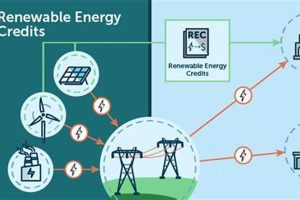
The practical significance of regulatory compliance becomes evident when considering real-world scenarios. A fund failing to secure necessary permits for a solar power plant could face project delays and cost overruns, impacting its financial performance. Similarly, non-compliance with environmental regulations could lead to legal challenges and reputational damage, potentially deterring future investments. Furthermore, regulatory changes, such as adjustments to feed-in tariffs or renewable energy credits, can significantly impact the profitability of renewable energy projects. Funds must adapt their investment strategies to accommodate these changes, ensuring continued compliance and mitigating potential financial risks. For example, a fund investing in solar projects in a country that reduces its feed-in tariffs must adjust its financial projections and potentially restructure project financing to maintain profitability. Moreover, increasing investor scrutiny of environmental, social, and governance (ESG) factors further emphasizes the importance of regulatory compliance. Investors increasingly seek funds demonstrating strong ESG performance, including adherence to environmental regulations and ethical business practices. Non-compliance with these standards can negatively impact a fund’s ability to attract and retain investor capital.
In conclusion, regulatory compliance serves as a cornerstone of operational integrity and long-term sustainability within the renewable energy fund landscape. Navigating the complex and evolving regulatory frameworks governing renewable energy projects requires dedicated expertise and robust compliance procedures. Non-compliance exposes funds to significant legal, financial, and reputational risks, potentially jeopardizing investment returns and undermining investor confidence. Conversely, a strong commitment to regulatory compliance enhances operational efficiency, attracts investor capital, and fosters a positive reputation within the sustainable investment community. As regulatory landscapes continue to evolve, integrating robust compliance practices into fund management strategies becomes increasingly crucial for navigating the complexities of the renewable energy sector and achieving both financial and environmental objectives. The increasing emphasis on transparency and accountability within the investment community underscores the growing importance of regulatory compliance as a key differentiator for successful and sustainable renewable energy funds.
Frequently Asked Questions
This section addresses common inquiries regarding investments focused on companies engaged in sustainable power generation.
Question 1: What are the typical investment horizons for these types of funds?
Investment horizons typically range from medium to long-term, reflecting the time required for renewable energy projects to reach maturity and generate stable returns. Long-term commitments often align with the lifecycle of underlying assets and the long-term nature of sustainability goals.
Question 2: How do these funds mitigate the risks associated with fluctuating energy prices?
Mitigation strategies include diversification across different renewable energy technologies and geographies, power purchase agreements (PPAs) that provide price stability, and investments in energy storage solutions that can optimize energy delivery and capture price premiums during peak demand periods.
Question 3: What role do government policies play in the performance of these funds?
Government policies, such as tax incentives, renewable portfolio standards, and carbon pricing mechanisms, significantly influence the financial viability and attractiveness of renewable energy projects, impacting overall fund performance. Changes in these policies can create both opportunities and risks for investors.
Question 4: How can one evaluate the environmental impact of these funds?
Investors can evaluate impact through metrics such as tons of CO2 emissions avoided, renewable energy capacity financed, and the fund’s contribution to achieving sustainable development goals. Third-party certifications and impact reports provide additional validation and transparency.
Question 5: What are the key differences between investing directly in renewable energy projects versus investing in these funds?
Direct investments require significant capital outlay, specialized expertise, and active project management. Funds offer diversified exposure to a portfolio of projects, professional management, and potentially lower barriers to entry for individual investors.
Question 6: How do these funds address the intermittent nature of some renewable energy sources like solar and wind?
Strategies include geographic diversification to balance intermittent generation, investments in energy storage technologies (e.g., batteries, pumped hydro), and participation in grid balancing mechanisms that compensate for fluctuations in renewable energy supply. Integration with other renewable energy sources and conventional power generation can also provide stability.
Understanding these key aspects empowers investors to make informed decisions aligned with their financial objectives and sustainability commitments. Careful consideration of investment horizons, risk mitigation strategies, government policies, and impact metrics facilitates effective evaluation and selection of suitable investment vehicles.
Further exploration of specific fund offerings and due diligence processes is recommended prior to any investment decision.
Renewable Energy Funds
Exploration of investment vehicles focused on sustainable power generation reveals their multifaceted nature, encompassing diverse technologies, investment strategies, and geographic focuses. Critical considerations include underlying asset allocation, fund manager expertise, regulatory compliance, and robust risk assessment frameworks. Performance evaluation requires analysis of both financial metrics and quantifiable impacts on the transition to cleaner energy. Addressing the complexities of fluctuating energy prices, evolving government policies, and technological advancements is paramount for informed investment decisions.
The evolving landscape of sustainable power necessitates ongoing engagement with these complex considerations. Strategic allocation of capital towards these investment vehicles holds significant potential not only for financial returns but also for accelerating the global transition to a lower-carbon future. Thorough due diligence, informed decision-making, and a long-term perspective are essential for navigating this dynamic sector and contributing to a more sustainable energy future. The future of energy relies on continued innovation, investment, and responsible management of these vital resources.