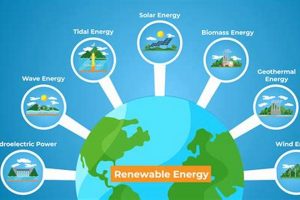
Numerous energy sources replenish naturally over a relatively short period, offering alternatives to finite fossil fuels. These resources harness natural processes like sunlight, wind, water flow, and geothermal heat. Examples include solar power, converting sunlight into electricity; wind power, utilizing wind turbines to generate mechanical energy; hydropower, harnessing the energy of moving water; and geothermal power, extracting heat from the Earth’s interior. Biomass energy, derived from organic matter, also falls under this category.
The shift toward these sustainable energy sources carries significant weight in addressing climate change by reducing greenhouse gas emissions. Moreover, they contribute to energy security by diversifying energy supplies and lessening reliance on volatile global fossil fuel markets. The growing adoption of these technologies stimulates innovation, creates jobs, and fosters economic growth within the renewable energy sector. Historically, many of these energy forms have been utilized for centuries in rudimentary forms, but recent technological advancements have dramatically increased their efficiency and scalability.
A deeper exploration of individual renewable energy technologies, their specific applications, and future potential will provide a more complete understanding of their role in a sustainable energy landscape. This includes examining the challenges and opportunities associated with their integration into existing energy infrastructure and the policies promoting their widespread adoption.
Tips for Exploring Renewable Energy Options
Careful consideration of various factors is essential when evaluating different renewable energy sources. The optimal choice depends on specific circumstances and energy needs.
Tip 1: Assess Resource Availability: Evaluate the local availability of renewable resources. Solar power is more effective in regions with abundant sunlight, while wind power requires consistent wind speeds.
Tip 2: Consider Scale and Application: Large-scale solar farms are suitable for utility-scale electricity generation, while rooftop solar panels cater to individual households. Similarly, small wind turbines can power individual homes or farms.
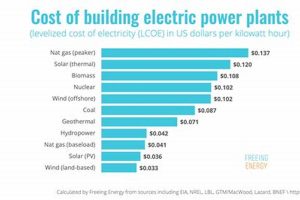
Tip 3: Analyze Cost-Effectiveness: Compare the initial investment costs, operational expenses, and potential long-term savings of different renewable energy systems. Factor in government incentives and rebates.
Tip 4: Evaluate Environmental Impact: While generally environmentally friendly, some renewable energy technologies have specific environmental considerations. For example, hydropower projects can impact aquatic ecosystems.
Tip 5: Investigate Technological Maturity: Certain technologies, like solar and wind power, are well-established and readily available, while others, like wave energy, are still under development.
Tip 6: Research Local Regulations and Policies: Familiarize yourself with local regulations and permitting requirements for installing renewable energy systems. Explore available government incentives and support programs.
Tip 7: Consult with Experts: Seek professional advice from renewable energy specialists to determine the most suitable solution for specific needs and circumstances.
By carefully evaluating these factors, individuals and communities can make informed decisions about adopting renewable energy solutions that best address their energy requirements and contribute to a sustainable future.
A comprehensive understanding of these diverse energy sources is crucial for transitioning towards a cleaner and more secure energy future.
1. Solar

Solar energy, a prominent form of renewable energy, harnesses sunlight for various applications. Its significance within the broader spectrum of renewable energy options stems from its widespread availability and technological advancements driving its increasing affordability and efficiency. Understanding solar energy requires exploring its diverse facets.
- Photovoltaic (PV) Systems
PV systems directly convert sunlight into electricity using solar panels composed of photovoltaic cells. These systems range from small rooftop installations powering individual homes to large-scale solar farms contributing significantly to electricity grids. Residential PV systems exemplify distributed generation, empowering individuals to generate their electricity and reduce reliance on centralized power plants. Utility-scale solar farms demonstrate solar energy’s potential to contribute substantially to national energy supplies. This facet of solar energy is a key driver in the global shift towards renewable energy.
- Concentrated Solar Power (CSP)
CSP systems use mirrors to concentrate sunlight onto a receiver, heating a fluid to generate electricity. These systems often incorporate thermal storage, allowing electricity generation even when sunlight is not directly available. CSP plants located in desert regions with high solar irradiance demonstrate the technology’s suitability for large-scale power generation. The ability to store thermal energy enhances grid stability and addresses the intermittency challenges associated with solar power, further solidifying its role within the diverse range of renewable options.
- Solar Thermal
Solar thermal technologies utilize sunlight for heating water and air, primarily for residential and commercial applications. Solar water heaters reduce reliance on conventional water heating systems, decreasing energy consumption and greenhouse gas emissions. Solar air heaters provide space heating and ventilation, contributing to building energy efficiency. These applications of solar energy showcase its versatility beyond electricity generation and its integration into everyday life.
- Passive Solar Design
Passive solar design involves strategically designing buildings to maximize sunlight for heating and lighting. This approach minimizes energy consumption by optimizing natural light and heat gain. Buildings incorporating passive solar principles demonstrate a holistic approach to sustainable architecture, showcasing solar energy’s potential beyond technological systems. This aspect highlights the integrative nature of solar energy within the broader context of sustainable practices.
These diverse applications of solar energy demonstrate its significant contribution to the renewable energy landscape. From large-scale electricity generation to individual building design, solar power offers a versatile and increasingly accessible pathway toward a sustainable energy future. Its continued development and integration are crucial in addressing global energy challenges and diversifying energy sources.
2. Wind

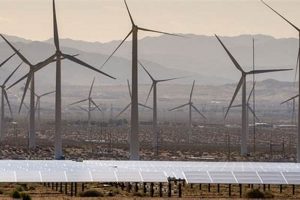
Wind energy represents a significant component within the diverse portfolio of renewable energy resources. Harnessing the kinetic energy of wind through wind turbines converts this natural force into a usable form of power, primarily electricity. This process plays a crucial role in diversifying energy sources and mitigating reliance on fossil fuels. The relationship between wind energy and the broader spectrum of renewable energy options is integral to understanding the global transition towards sustainable power generation. Wind power’s contribution is underscored by its scalability, ranging from individual turbines powering homes or farms to large-scale wind farms contributing significantly to national electricity grids. Examples such as the Hornsea Project in the UK, one of the world’s largest offshore wind farms, illustrate wind energy’s potential for substantial power generation. Furthermore, advancements in turbine technology and grid integration strategies are continuously enhancing the efficiency and reliability of wind power.
The practical significance of understanding wind energy’s role within the broader renewable energy landscape lies in its potential to address several critical challenges. Reducing greenhouse gas emissions, a primary driver behind the shift towards renewables, is directly supported by wind power’s clean energy generation. Moreover, wind resources are often abundant in regions less suitable for other renewable sources, further diversifying energy portfolios and enhancing energy security. Coastal regions and open plains, often characterized by consistent wind patterns, offer prime locations for wind farm development. However, intermittency, the fluctuating nature of wind, presents a challenge requiring effective grid management strategies and energy storage solutions to ensure a stable and reliable power supply. Overcoming this challenge is crucial for maximizing wind energy’s contribution to a sustainable energy future.
In summary, wind energy holds a pivotal position among the array of renewable energy options. Its capacity for large-scale power generation, combined with its environmental benefits, makes it a key player in the global transition towards a cleaner and more sustainable energy future. Addressing the challenges associated with intermittency through ongoing technological advancements and grid integration strategies is crucial for unlocking wind power’s full potential and ensuring its continued growth within the diverse landscape of renewable energy solutions. The ongoing development and integration of wind power into the global energy mix are essential steps toward achieving long-term sustainability goals.
3. Hydropower
Hydropower, utilizing the natural flow of water to generate electricity, represents a significant component within the broader spectrum of renewable energy resources. Its inclusion among the diverse forms of renewable energy stems from its reliance on the water cycle, a continuously replenished natural process. This connection underscores the fundamental principle of renewable energy: harnessing naturally occurring phenomena for sustainable power generation. The scale of hydropower installations varies considerably, from large reservoirs powering extensive grids to smaller run-of-the-river systems serving local communities. The Three Gorges Dam in China exemplifies large-scale hydropower, while numerous smaller projects worldwide demonstrate its adaptability to diverse geographical contexts. This range highlights hydropower’s versatility within the overall renewable energy landscape.
The practical significance of understanding hydropower within the context of diverse renewable energy options lies in its established history and potential for substantial power generation. Unlike some newer renewable technologies, hydropower boasts a long track record of reliable electricity production. However, recognizing its environmental impact is crucial. Large reservoirs can alter river ecosystems, affecting aquatic life and potentially displacing communities. Balancing the benefits of clean energy generation with environmental stewardship requires careful planning and mitigation strategies. The Itaipu Dam, a binational project between Brazil and Paraguay, demonstrates efforts to minimize environmental impact while generating significant power. This illustrates the ongoing efforts to integrate hydropower sustainably within broader environmental considerations.
Hydropower, while a mature and significant source of renewable energy, faces unique challenges in its integration into a sustainable energy future. Balancing the need for clean energy with ecological considerations remains a central concern. Furthermore, the geographical constraints of suitable locations for large-scale hydropower projects necessitate exploring alternative renewable options in areas where water resources are limited or ecologically sensitive. Recognizing hydropower’s strengths and limitations within the broader context of renewable energy diversification is crucial for informed decision-making and effective implementation of sustainable energy strategies. Its role, alongside other renewable forms, is essential in the global pursuit of a cleaner and more secure energy future.
4. Geothermal

Geothermal energy, derived from the Earth’s internal heat, represents a distinct and valuable component within the diverse array of renewable energy resources. Its inclusion among the numerous forms of renewable energy stems from its reliance on a virtually inexhaustible heat source, continuously replenished by natural geological processes. This characteristic distinguishes geothermal energy from other renewables dependent on intermittent sources like sunlight or wind, offering a reliable and consistent baseload power option. Exploring geothermal energy reveals its unique potential and challenges within the broader context of sustainable energy development.
- Direct Use and District Heating
Direct use applications, such as geothermal heating and cooling systems, leverage readily accessible geothermal resources for residential and commercial purposes. Iceland, renowned for its extensive geothermal resources, provides a prime example of direct use, where geothermal heat directly serves a significant portion of the population’s heating needs. This direct application exemplifies geothermal energy’s practical utility beyond electricity generation and its contribution to reducing reliance on fossil fuels for heating and cooling, directly addressing the broader theme of diversifying renewable energy sources.
- Geothermal Power Plants
Geothermal power plants utilize high-temperature geothermal resources to generate electricity. These plants, located in geologically active regions with accessible high-temperature reservoirs, such as The Geysers geothermal field in California, demonstrate geothermal energy’s capacity for large-scale power generation. Their contribution to the broader renewable energy landscape lies in their ability to provide continuous baseload power, complementing intermittent renewable sources and enhancing grid stability.
- Enhanced Geothermal Systems (EGS)
EGS technologies expand the reach of geothermal energy by accessing heat resources in areas not traditionally suitable for conventional geothermal development. While still under development, EGS holds significant potential for increasing the accessibility of geothermal energy, further diversifying renewable options. Projects exploring EGS technologies demonstrate the ongoing innovation within the geothermal sector and its potential to broaden geothermal’s contribution to the overall renewable energy mix.
- Ground Source Heat Pumps
Ground source heat pumps (GSHPs) utilize the relatively constant temperature of the shallow ground for heating and cooling buildings. This widespread application of geothermal principles demonstrates the technology’s versatility and adaptability to various geographical contexts. GSHPs represent a practical and increasingly popular solution for reducing building energy consumption and reliance on conventional heating and cooling systems, aligning with the broader objectives of renewable energy adoption.
These facets of geothermal energy showcase its diverse applications and contributions to the overarching theme of renewable energy diversification. From direct heating applications to large-scale electricity generation and emerging technologies like EGS, geothermal energy offers valuable pathways toward a sustainable energy future. Understanding its distinct characteristics, potential, and ongoing developments is crucial for integrating geothermal energy effectively within the global transition to renewable resources. Its role, alongside other renewable forms, is essential in the pursuit of a cleaner and more secure energy landscape.
5. Biomass

Biomass, organic matter derived from plants and animals, constitutes a significant component within the diverse landscape of renewable energy resources. Its inclusion among the numerous forms of renewable energy stems from its capacity to be converted into various usable energy forms, primarily through combustion, anaerobic digestion, and gasification. This versatility positions biomass as a valuable contributor to the broader objective of diversifying energy sources and reducing reliance on fossil fuels. Examples such as dedicated energy crops like switchgrass and agricultural residues like corn stalks illustrate the diverse sources of biomass available for energy generation. The utilization of biomass for energy production carries significant implications for waste management, resource utilization, and rural economies, further solidifying its role within the broader context of sustainable development.
The practical significance of understanding biomass within the context of renewable energy diversification lies in its potential to address various energy needs. Biomass can be used to generate electricity in power plants, produce heat for industrial processes and residential heating, and create biofuels for transportation. Furthermore, biomass-derived energy can often be integrated into existing infrastructure, facilitating a smoother transition towards renewable sources. However, several factors influence the sustainability of biomass energy. Sustainable forestry practices, efficient conversion technologies, and responsible land management are crucial for ensuring biomass energy contributes positively to environmental goals. The Renewable Fuel Standard (RFS) program in the United States exemplifies policy efforts to promote sustainable biofuel production and consumption, highlighting the ongoing efforts to integrate biomass energy responsibly within broader sustainability frameworks.
In summary, biomass represents a multifaceted and valuable component of the renewable energy portfolio. Its versatility, potential for integration into existing infrastructure, and contribution to rural economies position it as a key player in the global transition toward a more sustainable energy future. However, ensuring the sustainable production and utilization of biomass remains crucial for maximizing its positive impact and minimizing potential environmental trade-offs. Addressing these challenges through ongoing technological advancements, responsible land management practices, and supportive policy frameworks is essential for realizing biomass’s full potential within the diverse landscape of renewable energy solutions. Its continued development and responsible integration are crucial for achieving long-term sustainability objectives.
6. Ocean

Ocean energy, derived from various marine sources, represents a substantial yet largely untapped resource within the diverse portfolio of renewable energy technologies. Its relevance to the broader question of how many forms of renewable energy exist stems from the vast and continuously replenished nature of ocean resources, offering significant potential for clean energy generation. Exploring ocean energy requires examining its diverse forms and the technological advancements aimed at harnessing its power.
- Tidal Energy
Tidal energy harnesses the predictable rise and fall of tides to generate electricity. Tidal barrages and tidal fences exemplify technologies designed to capture this energy. The Rance Tidal Power Station in France demonstrates the established nature of tidal power, while emerging projects worldwide explore its continued potential. Tidal energy’s contribution to the broader spectrum of renewable options lies in its predictability and reliability, offering a consistent energy source unlike intermittent solar or wind power. However, the environmental impact of tidal installations on marine ecosystems necessitates careful consideration and mitigation strategies.
- Wave Energy
Wave energy captures the kinetic energy of ocean waves to generate electricity. Various technologies, including oscillating water columns and wave attenuators, are under development to harness this abundant resource. The Aguadoura Wave Farm in Portugal, though decommissioned, provided valuable insights into wave energy technology. Wave energy’s contribution to the renewable energy landscape lies in its vast potential, particularly in coastal regions with consistent wave patterns. However, technological challenges and cost-effectiveness remain key barriers to widespread deployment.
- Ocean Thermal Energy Conversion (OTEC)
OTEC exploits the temperature difference between warm surface waters and cold deep ocean waters to generate electricity. This technology holds particular promise in tropical and subtropical regions with significant temperature gradients. While OTEC plants exist, such as the Natural Energy Laboratory of Hawaii Authority (NELHA) facility, large-scale commercialization remains a challenge. OTEC’s unique contribution to the renewable energy mix lies in its potential for continuous baseload power generation, complementing other intermittent renewable sources.
- Ocean Currents
Harnessing the energy of ocean currents, though still in its early stages of development, represents another potential source of renewable energy. Technologies analogous to underwater wind turbines aim to capture the kinetic energy of these currents. While large-scale deployments are limited, ocean current energy’s contribution to the broader renewable energy discussion lies in its potential to provide a consistent and predictable energy source. Ongoing research and development are crucial for realizing this potential.
These diverse forms of ocean energy highlight the significant, yet largely untapped, potential of marine resources in contributing to a sustainable energy future. While some technologies, like tidal power, are relatively mature, others, such as wave and ocean current energy, require further technological advancements and cost reductions to become commercially viable. Integrating these ocean-based resources into the global energy mix, alongside other established and emerging renewable forms, offers a crucial pathway towards diversifying energy supplies and mitigating reliance on fossil fuels. Continued research, development, and strategic deployment of ocean energy technologies are essential steps in achieving long-term sustainability goals.
7. Hydrogen

Hydrogen, while not a primary energy source itself, plays a crucial role within the broader landscape of renewable energy as an energy carrier. Its significance in the context of renewable energy diversification stems from its potential to store and transport energy generated from renewable sources, addressing the intermittency challenges associated with solar, wind, and other variable renewables. Understanding hydrogen’s role requires examining its production methods and diverse applications within the energy system.
- Green Hydrogen
Green hydrogen, produced through electrolysis powered by renewable energy sources, represents the most sustainable form of hydrogen production. This method utilizes electricity from sources like solar and wind to split water into hydrogen and oxygen, emitting no greenhouse gases in the process. Projects like the NortH2 project in the Netherlands exemplify large-scale green hydrogen initiatives, showcasing its potential for industrial applications and grid-scale energy storage. Green hydrogen’s contribution to the renewable energy portfolio lies in its ability to decarbonize sectors reliant on fossil fuels, such as heavy industry and transportation.
- Blue Hydrogen
Blue hydrogen is produced from natural gas through steam methane reforming, with carbon capture and storage (CCS) implemented to mitigate greenhouse gas emissions. While not entirely emissions-free, blue hydrogen offers a lower-carbon alternative to conventional hydrogen production methods. Projects like the H21 North of England project exemplify efforts to integrate blue hydrogen into existing infrastructure. Blue hydrogen’s role within the broader energy transition lies in its potential to serve as a bridge towards a fully decarbonized hydrogen economy, leveraging existing natural gas infrastructure while minimizing emissions.
- Hydrogen Storage and Transportation
Hydrogen’s ability to store and transport energy over long distances positions it as a crucial component within a future renewable energy system. Hydrogen can be stored in various forms, including compressed gas, liquid hydrogen, and chemical hydrides, offering flexibility for different applications. Projects exploring hydrogen pipelines and storage facilities demonstrate the ongoing efforts to develop a robust hydrogen infrastructure. This facet of hydrogen addresses the challenge of intermittency associated with renewable sources, enabling a more reliable and dispatchable energy supply.
- Hydrogen Applications
Hydrogen’s versatility extends to various applications across different sectors. In transportation, hydrogen fuel cells power vehicles, offering a zero-emission alternative to conventional combustion engines. In industry, hydrogen serves as a feedstock for various processes, including ammonia production and steel manufacturing. Furthermore, hydrogen can be blended with natural gas in existing pipelines or used in fuel cells for stationary power generation. These diverse applications demonstrate hydrogen’s potential to decarbonize multiple sectors and contribute significantly to a sustainable energy future.
Hydrogen’s multifaceted role within the renewable energy landscape positions it as a key enabler of a fully decarbonized energy system. Its capacity to store and transport renewable energy, coupled with its diverse applications across various sectors, makes it a crucial component in addressing the intermittency challenges of renewable sources and achieving long-term sustainability goals. While green hydrogen represents the most sustainable pathway, blue hydrogen can serve as a transitional solution. Continued research, development, and investment in hydrogen technologies and infrastructure are essential for realizing its full potential and integrating it effectively within the broader context of renewable energy diversification. Understanding hydrogen’s multifaceted role is crucial for achieving a cleaner, more secure, and sustainable energy future.
Frequently Asked Questions about Renewable Energy Sources
This section addresses common inquiries regarding the variety of renewable energy options available, offering concise and informative responses.
Question 1: What are the primary distinctions between various renewable energy sources?
Renewable energy sources derive from distinct natural processes. Solar harnesses sunlight, wind captures kinetic energy, hydropower utilizes water flow, geothermal taps into the Earth’s heat, biomass converts organic matter, ocean energy exploits wave and tidal power, and hydrogen serves as an energy carrier for renewable sources. Each source possesses unique characteristics regarding availability, scalability, and environmental impact.
Question 2: How does resource availability influence the suitability of different renewable energy options for specific locations?
Resource availability plays a crucial role in determining the feasibility and effectiveness of specific renewable energy technologies. Regions with abundant sunlight are ideal for solar power, while consistent wind patterns favor wind energy. Hydropower requires suitable water resources, and geothermal relies on specific geological conditions. Matching the resource to the location is essential for optimizing energy generation and minimizing environmental impact.
Question 3: What are the key economic considerations associated with transitioning to renewable energy sources?
Economic considerations encompass initial investment costs, operational expenses, and potential long-term savings. Government incentives, such as tax credits and rebates, can significantly influence the financial viability of renewable energy projects. Furthermore, job creation within the renewable energy sector and reduced reliance on volatile fossil fuel markets contribute to long-term economic benefits.
Question 4: How do environmental impacts differ among various renewable energy sources?
While generally considered environmentally friendly, each renewable energy source presents specific environmental considerations. Hydropower can impact aquatic ecosystems, while wind turbines may affect bird and bat populations. Biomass production requires careful land management to avoid deforestation and soil degradation. Minimizing environmental impact necessitates thorough assessment and mitigation strategies tailored to each technology.
Question 5: What role does technological innovation play in the ongoing development and deployment of renewable energy technologies?
Technological advancements are crucial for enhancing the efficiency, affordability, and reliability of renewable energy systems. Improvements in solar panel efficiency, wind turbine design, and energy storage solutions are continuously expanding the potential of renewable energy sources and facilitating their integration into existing energy infrastructure.
Question 6: How do government policies and regulations influence the adoption of renewable energy technologies?
Government policies, such as renewable portfolio standards (RPS), feed-in tariffs, and carbon pricing mechanisms, play a significant role in incentivizing renewable energy development and deployment. Streamlined permitting processes and supportive regulatory frameworks are essential for fostering investment and accelerating the transition to a sustainable energy future.
Careful consideration of these frequently asked questions provides a more comprehensive understanding of the diverse landscape of renewable energy options and the key factors influencing their adoption. Informed decision-making, based on a thorough understanding of these factors, is crucial for effectively transitioning towards a cleaner, more sustainable, and secure energy future.
Further exploration of specific renewable energy technologies, their applications, and associated challenges and opportunities will provide a deeper insight into their individual contributions to a sustainable energy landscape. This subsequent analysis will delve into the technical, economic, and environmental considerations associated with each renewable energy form.
Conclusion
Numerous renewable energy forms, each derived from distinct natural processes, offer viable alternatives to finite fossil fuels. From established technologies like solar and wind power to emerging areas like ocean and hydrogen energy, the renewable energy sector encompasses a diverse range of solutions. This exploration has highlighted the unique characteristics, potential contributions, and challenges associated with each form, emphasizing the importance of resource availability, technological advancements, economic considerations, and environmental impacts in their development and deployment.
Transitioning towards a sustainable energy future requires a comprehensive understanding of the diverse renewable energy landscape. Strategic integration of these resources, informed by careful consideration of their respective strengths and limitations, is crucial for achieving global energy security, mitigating climate change, and fostering sustainable economic growth. Continued research, development, and policy support are essential for unlocking the full potential of renewable energy and securing a cleaner, more sustainable future for generations to come.