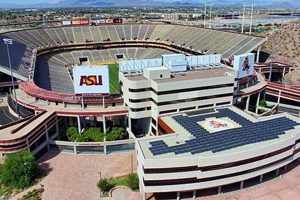
Sustainable power sources, such as solar, wind, geothermal, and biomass, offer opportunities to decrease reliance on traditional fossil fuels in multi-unit residential buildings. For instance, rooftop solar panels can convert sunlight into electricity, while geothermal systems can leverage the earth’s stable temperature for heating and cooling.
Decentralized energy generation in residential buildings provides numerous advantages. These include reduced greenhouse gas emissions, lower operating costs for residents, and increased energy independence. Historically, implementing such systems in apartments posed challenges due to space constraints and shared infrastructure. However, technological advancements, coupled with increasing environmental awareness and supportive policies, are making these options increasingly viable and attractive.
The following sections will explore various sustainable power options suitable for apartment buildings, covering their implementation, cost-effectiveness, and potential impact on residents and the environment.
Tips for Implementing Sustainable Power in Apartment Buildings
Implementing sustainable power solutions in multi-unit dwellings requires careful planning and consideration. The following tips provide guidance for property owners, managers, and residents interested in exploring these options.
Tip 1: Conduct a Thorough Energy Audit: A professional energy audit assesses current energy consumption patterns and identifies areas for improvement. This analysis provides a baseline for evaluating the feasibility and potential impact of various sustainable power options.
Tip 2: Explore Shared Solar Installations: Rooftop or ground-mounted solar photovoltaic (PV) systems can be shared by multiple units, distributing the benefits and costs among residents. This approach addresses space constraints and simplifies individual installations.
Tip 3: Consider Geothermal Heating and Cooling: Geothermal heat pumps leverage the earth’s consistent temperature to provide efficient heating in the winter and cooling in the summer, significantly reducing reliance on conventional HVAC systems.
Tip 4: Investigate Incentives and Rebates: Numerous government and utility incentives exist to encourage the adoption of sustainable power. Exploring these programs can significantly offset initial investment costs.
Tip 5: Engage Residents Through Education and Outreach: Successful implementation often relies on resident understanding and participation. Educational programs and clear communication regarding benefits and potential disruptions can foster support and engagement.
Tip 6: Prioritize Energy-Efficient Appliances and Lighting: Complementing renewable energy systems with energy-efficient appliances and LED lighting maximizes overall energy savings and reduces environmental impact.
Tip 7: Partner with Experienced Professionals: Navigating the technical, regulatory, and financial aspects of sustainable power implementation can be complex. Collaboration with experienced contractors and consultants ensures effective and compliant installations.
By adopting these strategies, apartment buildings can significantly reduce their environmental footprint, lower operating costs, and enhance resident comfort and satisfaction. The transition to sustainable power represents a valuable investment in the future.
The concluding section will summarize key takeaways and offer perspectives on the future of sustainable power in the multi-unit residential sector.
1. Solar Photovoltaic (PV) Systems

Solar photovoltaic (PV) systems represent a key technology for integrating renewable energy into apartment buildings. Their ability to convert sunlight directly into electricity offers a decentralized and sustainable power source, reducing reliance on traditional fossil fuels and lowering carbon emissions.
- Rooftop Installations
Rooftop installations are a common approach for apartment buildings, utilizing available space to generate electricity. The size of the system depends on roof area, sunlight exposure, and energy demand. For example, a large apartment complex might install a multi-megawatt system capable of powering common areas and offsetting a portion of individual unit consumption. This reduces overall grid dependency and lowers operating costs.
- Building-Integrated Photovoltaics (BIPV)
BIPV incorporates PV panels directly into the building’s structure, replacing traditional building materials like roofing tiles or facades. This approach offers a seamless integration of solar technology, enhancing aesthetics while generating electricity. BIPV can be particularly effective in new construction or major renovations, offering a dual-purpose building component.
- Community Solar Programs
Community solar allows residents to subscribe to a shared solar installation located off-site, receiving credits on their electricity bills based on their share of the system’s output. This option provides access to solar benefits for renters or buildings with unsuitable roofs. Participating in a community solar program can lower electricity costs and support local renewable energy development.
- System Performance and Maintenance
Factors like shading, panel orientation, and weather conditions influence PV system performance. Regular maintenance, including cleaning and inspections, is crucial for optimal energy production and system longevity. Monitoring system output allows for proactive identification and resolution of any performance issues, ensuring consistent energy generation.
By strategically implementing solar PV systems tailored to the specific characteristics of an apartment building, property owners can effectively harness renewable energy, reduce operating expenses, and contribute to a more sustainable future. The integration of solar technologies represents a significant step towards decarbonizing the residential sector.
2. Geothermal Heat Pumps

Geothermal heat pumps offer a highly efficient and sustainable approach to heating and cooling in apartment buildings, representing a crucial component of renewable energy integration. These systems leverage the earth’s relatively constant temperature below the surface to provide a reliable source of thermal energy. During winter, the system extracts heat from the ground and transfers it into the building, while in summer, the process reverses, transferring heat from the building into the ground. This reduces reliance on traditional, energy-intensive heating and cooling systems, leading to significant reductions in energy consumption and greenhouse gas emissions. A multi-unit residential building utilizing a geothermal system can experience substantial decreases in operating costs compared to conventional HVAC systems, while simultaneously reducing its environmental impact. For example, a large apartment complex in a moderate climate could significantly reduce its reliance on fossil fuels by implementing a geothermal system, resulting in lower energy bills and a smaller carbon footprint.
Several factors contribute to the effectiveness of geothermal systems in apartments. The consistent ground temperature provides a stable energy source regardless of fluctuating outdoor temperatures. This stability translates to consistent performance and predictable energy savings throughout the year. Furthermore, advancements in geothermal technology have improved system efficiency and reduced installation footprints, making them increasingly viable for multi-unit dwellings. The relatively long lifespan of geothermal systems, typically exceeding 20 years for ground loops, coupled with minimal maintenance requirements, further enhances their cost-effectiveness over time. Consider a scenario where an apartment building replaces its aging HVAC system with a geothermal system. The initial investment may be higher, but the long-term operational savings, combined with reduced maintenance expenses and environmental benefits, provide a compelling financial and ecological argument.
Integrating geothermal heat pumps within a comprehensive renewable energy strategy for apartments offers significant advantages. Coupled with other sustainable technologies, such as solar photovoltaics and energy-efficient appliances, geothermal systems can contribute to a substantial reduction in a building’s overall energy consumption and environmental impact. While initial costs can be a barrier, various financial incentives, such as tax credits and rebates, are often available to offset these expenses. The long-term financial and environmental benefits of geothermal heat pumps position them as a valuable investment in the sustainable future of multi-unit residential buildings.
3. Wind Turbines (where applicable)

Wind turbines offer a potential source of renewable energy for apartment buildings, although their applicability is often limited by practical and logistical constraints. Unlike solar or geothermal systems, wind turbines require specific site conditions to operate effectively, primarily consistent and sufficient wind speeds. In urban environments, the presence of tall buildings and complex airflow patterns can create challenges for optimal turbine placement and performance.
- Rooftop Installations
Small-scale wind turbines can sometimes be installed on rooftops, taking advantage of higher wind speeds at elevation. However, the turbulence created by surrounding buildings can impact efficiency. Furthermore, structural considerations, including roof strength and vibration mitigation, are essential. For instance, a high-rise building in a consistently windy location might explore rooftop turbines, provided a thorough feasibility study confirms their viability.
- Building-Integrated Wind Turbines
Some designs integrate wind turbines directly into the building structure, such as within ventilation shafts or facades. This approach minimizes visual impact and potentially harnesses wind channeled through the building. However, technical challenges related to noise, vibration, and maintenance access need careful consideration. An example might involve a new construction project incorporating wind turbines into the building’s design, optimizing their placement for maximum energy capture.
- Hybrid Systems with Solar or Geothermal
Combining wind turbines with other renewable energy sources, such as solar PV or geothermal, can create a more resilient and diversified energy supply. For instance, a building could utilize rooftop solar panels and a small wind turbine to maximize renewable energy generation, offsetting a greater portion of its electricity consumption. This integrated approach reduces reliance on a single renewable source and enhances energy security.
- Regulatory and Community Considerations
Implementing wind turbines in urban environments often requires navigating local regulations related to noise levels, safety, and visual impact. Community acceptance also plays a crucial role, as concerns about aesthetics and potential noise pollution need to be addressed. Open communication and transparent engagement with residents are vital for successful wind turbine integration. For example, community meetings and educational campaigns can help address concerns and build support for wind energy projects.
While wind turbines offer a compelling renewable energy option, their suitability for apartment buildings requires careful assessment of site conditions, technical feasibility, and regulatory considerations. When implemented strategically and in conjunction with other renewable technologies, wind turbines can contribute to a more sustainable and resilient energy supply for multi-unit dwellings.
4. Energy Storage Solutions
Energy storage systems play a crucial role in maximizing the effectiveness of renewable energy sources in apartment buildings. Intermittency, the fluctuating nature of solar and wind power, necessitates storage solutions to ensure a consistent energy supply. Batteries, the most prevalent storage technology, store excess generated electricity for use during periods of low renewable energy production or peak demand. This capability reduces reliance on the grid, particularly during periods of high electricity prices, and enhances the overall reliability of the renewable energy system. For example, an apartment building with rooftop solar panels can store excess daytime generation in batteries to power common areas or individual units during the evening, reducing reliance on grid electricity.
Several types of battery chemistries are suitable for apartment applications, each with varying characteristics regarding performance, cost, and lifespan. Lithium-ion batteries offer high energy density and efficiency, making them a popular choice. Flow batteries, while generally larger and more expensive, provide longer discharge durations and are well-suited for larger-scale applications within apartment complexes. Furthermore, integrating energy management systems optimizes battery usage, ensuring efficient charging and discharging based on real-time energy demand and renewable energy availability. Consider a scenario where an apartment building utilizes a smart energy management system in conjunction with battery storage. The system could prioritize charging batteries during periods of peak solar production and discharge them during peak demand, minimizing grid reliance and optimizing energy costs.
Integrating energy storage solutions addresses the inherent intermittency of renewable energy sources, enhancing their viability and value proposition in apartment buildings. Battery systems, coupled with intelligent energy management, improve the reliability and cost-effectiveness of renewable energy installations, facilitating greater grid independence and reduced environmental impact. As battery technology continues to advance and costs decline, energy storage solutions are poised to become an increasingly integral component of sustainable power systems in the multi-unit residential sector. The ability to effectively store and utilize renewable energy strengthens the argument for broader adoption of these technologies within apartment buildings, contributing to a cleaner and more resilient energy future.
5. Energy Efficiency Upgrades

Energy efficiency upgrades represent a crucial complement to renewable energy systems in apartment buildings, maximizing the overall impact of sustainability initiatives. By reducing energy consumption, efficiency measures amplify the benefits of renewable energy generation, lowering operating costs and further minimizing environmental impact. These upgrades form an integral part of a comprehensive strategy for sustainable power in multi-unit dwellings, creating a synergistic relationship between reduced demand and clean energy supply.
- Building Envelope Improvements
Improving the building envelopeincluding insulation, windows, and air sealingminimizes energy loss from heating and cooling. Upgrading insulation in walls and roofs reduces heat transfer, while high-performance windows minimize drafts and solar heat gain. Thorough air sealing eliminates air leaks, further enhancing thermal performance. For example, an apartment building with upgraded insulation and windows requires less energy to maintain comfortable indoor temperatures, reducing the load on renewable energy systems like geothermal heat pumps.
- High-Efficiency HVAC Systems
Replacing outdated heating, ventilation, and air conditioning (HVAC) systems with modern, high-efficiency units significantly reduces energy consumption. Variable-speed compressors and advanced controls optimize performance based on real-time demand, further minimizing energy waste. Consider an apartment complex replacing its aging HVAC system with a high-efficiency heat pump, significantly reducing electricity consumption and enhancing the effectiveness of its rooftop solar array.
- Smart Lighting and Controls
Implementing energy-efficient lighting, such as LED fixtures, coupled with smart controls, significantly reduces electricity consumption. Occupancy sensors and daylight harvesting systems automatically adjust lighting levels based on real-time needs, minimizing wasted energy. For instance, installing LED lighting with motion sensors in common areas reduces energy use when spaces are unoccupied, maximizing the impact of renewable energy sources.
- Water Heating Upgrades
High-efficiency water heaters, including heat pump water heaters and solar thermal systems, significantly reduce energy consumption associated with domestic hot water. Heat pump water heaters extract heat from the surrounding air, while solar thermal systems utilize solar energy to heat water, minimizing reliance on electricity or natural gas. An apartment building incorporating solar thermal water heating reduces its dependence on grid electricity, enhancing the overall sustainability of its operations.
By strategically integrating energy efficiency upgrades alongside renewable energy systems, apartment buildings can achieve significant reductions in energy consumption, operating costs, and environmental impact. This combined approach maximizes the benefits of both strategies, creating a more sustainable and cost-effective energy future for multi-unit residential buildings. The synergistic relationship between reduced energy demand and clean energy supply forms the foundation of a comprehensive and impactful approach to sustainable power in the apartment sector.
6. Financial Incentives and Policies
Financial incentives and supportive government policies play a crucial role in accelerating the adoption of renewable energy technologies in apartment buildings. These mechanisms reduce upfront investment costs and incentivize property owners to integrate sustainable power solutions. Incentives often take the form of tax credits, rebates, grants, or loan programs, directly lowering the financial burden associated with implementing technologies like solar PV, geothermal, and energy storage. Supportive policies, such as renewable portfolio standards (RPS) and net metering, create a favorable regulatory environment, further encouraging investment in renewable energy. For example, a federal tax credit covering a percentage of the installation cost of a solar PV system can significantly reduce the initial capital outlay for an apartment building owner, making the project financially more attractive. Similarly, a state-level rebate program for geothermal heat pumps can further incentivize building owners to invest in this efficient heating and cooling technology. Net metering policies, which allow building owners to sell excess renewable energy back to the grid, create an additional revenue stream, further enhancing the financial viability of renewable energy projects. These combined financial and policy mechanisms create a supportive ecosystem for renewable energy adoption in the multi-unit residential sector.
The availability and structure of financial incentives and policies significantly influence the feasibility and economic attractiveness of renewable energy projects in apartment buildings. Variations in incentive levels, eligibility criteria, and program administration across different jurisdictions can impact investment decisions. For instance, a state with a generous solar rebate program and a streamlined permitting process is likely to see higher adoption rates of solar PV in apartment buildings compared to a state with less favorable incentives and more complex regulations. Analyzing the specific incentives and policy landscape within a given jurisdiction is crucial for developers and building owners considering renewable energy investments. Understanding the interplay between federal, state, and local incentives, along with utility-specific programs, enables informed decision-making and optimizes the financial returns of renewable energy projects. This understanding also facilitates the development of effective strategies for navigating the regulatory landscape and maximizing the benefits of available incentives. For example, a developer planning a new apartment complex can leverage available tax credits, rebates, and grants to significantly reduce the cost of incorporating solar panels and a geothermal heating system into the building’s design.
Financial incentives and supportive policies are essential catalysts for driving the transition to renewable energy in apartment buildings. These mechanisms address the financial barriers often associated with adopting sustainable technologies, making them more economically viable for property owners and developers. By lowering upfront costs and creating favorable regulatory environments, incentives and policies accelerate the deployment of renewable energy solutions, contributing to reduced greenhouse gas emissions, lower operating costs, and enhanced energy resilience in the multi-unit residential sector. The continued evolution and refinement of these financial and policy instruments are crucial for achieving widespread adoption of renewable energy and realizing the associated environmental and economic benefits. Successfully navigating the complex landscape of incentives and policies requires careful planning, collaboration with experienced professionals, and a thorough understanding of the specific regulations and programs available in each jurisdiction.
7. Resident Engagement and Education

Resident engagement and education are essential components of successful renewable energy integration in apartment buildings. Promoting understanding and participation among residents ensures the effectiveness and long-term viability of sustainable power initiatives. Informed residents are more likely to support and actively contribute to building-wide efforts to reduce energy consumption and embrace renewable energy sources. This engagement fosters a sense of shared responsibility and maximizes the environmental and economic benefits of sustainable power implementation.
- Understanding System Functionality
Educating residents about the specific renewable energy technologies implemented in their building, such as solar PV or geothermal, fosters informed participation. Understanding how these systems generate and distribute energy empowers residents to make conscious decisions about their energy usage. For instance, residents aware of peak solar production periods might adjust their appliance usage to maximize utilization of renewable energy, reducing reliance on grid electricity. This active engagement optimizes the overall effectiveness of the renewable energy system.
- Promoting Energy Conservation Practices
Educational programs can empower residents to adopt energy-saving behaviors within their units. Information on efficient appliance usage, proper thermostat settings, and the benefits of energy-efficient lighting can motivate residents to reduce their individual energy consumption. For example, workshops demonstrating the energy savings achievable through the use of smart power strips and LED lighting can inspire residents to adopt these practices, further reducing the building’s overall energy footprint.
- Addressing Concerns and Building Support
Open communication channels and opportunities for feedback allow residents to voice concerns and address potential misconceptions about renewable energy. Transparent dialogue fosters trust and encourages buy-in from residents, creating a supportive environment for sustainable power initiatives. For instance, community meetings addressing questions about the installation and operation of a new solar PV system can alleviate anxieties and build enthusiasm for the project among residents.
- Fostering a Sense of Community Ownership
Engaging residents in the planning and implementation phases of renewable energy projects can foster a sense of ownership and shared responsibility. Involving residents in decision-making processes, such as selecting renewable energy technologies or determining energy conservation strategies, enhances their commitment to the project’s success. For example, establishing a resident sustainability committee to provide input on the building’s renewable energy strategy empowers residents to actively contribute to a shared vision for a more sustainable future. This collaborative approach strengthens community support and maximizes the long-term impact of renewable energy initiatives.
Resident engagement and education are integral to the long-term success of renewable energy integration in apartment buildings. By fostering understanding, promoting energy conservation, addressing concerns, and building a sense of community ownership, building managers and owners can maximize the environmental and economic benefits of sustainable power initiatives. Informed and engaged residents become active participants in the transition to a cleaner and more resilient energy future, ensuring the effectiveness and sustainability of renewable energy systems in multi-unit residential settings.
Frequently Asked Questions
This section addresses common inquiries regarding the integration of renewable energy systems within apartment buildings.
Question 1: What are the primary benefits of incorporating renewable energy in apartment buildings?
Key benefits include reduced operating costs through lower energy bills, decreased reliance on fossil fuels, and a smaller carbon footprint, contributing to environmental sustainability. Improved building value and enhanced marketability to environmentally conscious tenants are additional advantages.
Question 2: What are the most suitable renewable energy options for apartment buildings?
Solar photovoltaic (PV) systems, particularly rooftop or community solar installations, are often highly suitable. Geothermal heat pumps offer efficient heating and cooling, while energy storage solutions, like batteries, enhance the reliability of intermittent renewable sources. Building-integrated wind turbines may be feasible in specific locations.
Question 3: How can residents benefit from renewable energy integration in their building?
Residents can experience lower electricity bills, improved indoor air quality, and enhanced comfort through consistent heating and cooling. Participation in renewable energy programs can also foster a sense of community and contribute to broader sustainability goals.
Question 4: What are the typical upfront costs associated with implementing renewable energy in apartments?
Initial costs vary significantly based on the chosen technology, system size, and building characteristics. However, various financial incentives, including tax credits, rebates, and grants, can substantially offset these expenses, making renewable energy projects more financially attractive.
Question 5: How can building owners or managers effectively engage residents in renewable energy initiatives?
Transparent communication, educational programs, and opportunities for resident feedback are crucial. Explaining the benefits of renewable energy, addressing concerns, and fostering a sense of shared responsibility can encourage active participation and support for sustainability initiatives.
Question 6: What are the key considerations for maintaining renewable energy systems in apartment buildings?
Regular maintenance, including inspections and cleaning, is essential for optimal system performance and longevity. Monitoring system output and promptly addressing any issues ensure consistent energy generation and maximize the return on investment.
Integrating renewable energy in apartment buildings offers significant financial and environmental benefits. Careful planning, resident engagement, and utilization of available incentives are crucial for successful implementation.
For further information on specific renewable energy technologies and their applicability to multi-unit dwellings, please consult with qualified professionals.
Renewable Energy for Apartments
This exploration of sustainable power solutions for multi-unit residential buildings has highlighted the growing importance and feasibility of integrating technologies like solar photovoltaic systems, geothermal heat pumps, and energy storage solutions. Financial incentives and supportive policies, coupled with resident engagement and education, are crucial for accelerating the adoption of these technologies. The analysis has underscored the potential for significant reductions in operating costs, greenhouse gas emissions, and reliance on fossil fuels within the apartment sector.
The transition to renewable energy in apartments represents a critical step towards a more sustainable and resilient future. Embracing these technologies offers substantial benefits for building owners, residents, and the environment. Continued innovation, policy support, and community engagement will be essential for realizing the full potential of renewable energy in shaping the future of multi-unit residential buildings and contributing to a cleaner, more sustainable world.