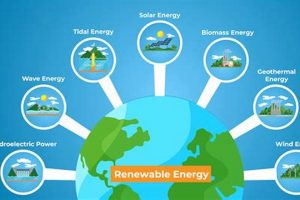
The determination of a consistent and dependable power generation method within the realm of sustainable resources is a complex undertaking. Various factors contribute to the stability and predictability of different energy extraction techniques. For example, geothermal power plants, tapping into the Earth’s internal heat, often demonstrate a high capacity factor, providing a steady stream of electricity, unlike solar installations, which are subject to diurnal and weather-related variations.
Ensuring a constant energy supply is critical for modern societies and economies. A dependable generation method reduces the need for extensive backup systems and contributes to grid stability. Historically, readily available and consistent power sources have facilitated industrial growth and societal advancement. This focus on assured performance allows better infrastructure planning and investment in supporting technologies.
Therefore, understanding the characteristics that contribute to consistent output, examining geographical constraints, and evaluating technological advancements are essential elements when assessing the capabilities of differing sustainable energy options. The subsequent sections will delve into specific forms of energy extraction, comparing their operational consistency, environmental effects, and economic feasibility.
Guidance for Prioritizing Consistent Renewable Power
The subsequent guidance aims to inform the selection and implementation of sustainable energy solutions, emphasizing operational consistency for grid stability and reliable power delivery. These suggestions are pertinent for policymakers, energy planners, and industry stakeholders involved in energy infrastructure development.
Tip 1: Assess Resource Availability: Thoroughly evaluate the consistent availability of the renewable resource in the geographical area. Geothermal and hydroelectric sources, where geographically suitable, exhibit predictable energy outputs compared to inherently variable solar and wind resources.
Tip 2: Implement Energy Storage Solutions: Invest in energy storage technologies like pumped hydro, battery storage, or thermal storage to mitigate the intermittent nature of certain renewable sources. Integrating storage smooths energy supply and enhances grid reliability.
Tip 3: Diversify Energy Portfolio: Adopt a diversified renewable energy mix to reduce dependence on a single energy source. Combining consistent baseload renewable power like geothermal with intermittent sources enhances overall system stability.
Tip 4: Leverage Smart Grid Technologies: Employ advanced grid management systems with real-time monitoring and control capabilities. These systems can effectively integrate variable renewable energy sources and optimize grid operations for stability.
Tip 5: Prioritize Capacity Factor: Evaluate and prioritize renewable energy technologies with high capacity factors. Capacity factor indicates the amount of energy a power plant produces relative to its maximum potential output over a given period.
Tip 6: Consider Geographic Diversification: When deploying variable resources like wind and solar, consider geographic diversification of project locations. This reduces the correlation of variability across the grid.
Tip 7: Develop Robust Forecasting Models: Invest in accurate weather and resource forecasting models to predict fluctuations in renewable energy generation. This enables proactive grid management and reduces reliance on backup power sources.
These recommendations facilitate a strategic approach toward deploying renewable energy solutions while maintaining the necessary level of reliability for grid operation. Prioritizing consistently available sources and mitigation techniques ensures a stable and dependable energy supply for a sustainable future.
The following section will explore case studies and real-world examples illustrating the implementation of consistent renewable energy solutions and their impacts on grid performance.
1. Geothermal's constant availability
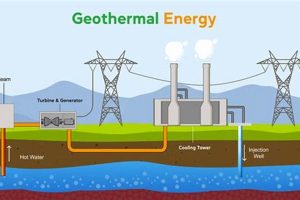
Geothermal energy’s inherent characteristic of consistent availability fundamentally positions it as a leading contender for the designation of a dependable sustainable power resource. Unlike intermittent renewable sources affected by weather patterns or time of day, geothermal resources offer a near-uninterrupted supply of thermal energy, convertible into electrical power.
- Baseload Power Provision
Geothermal plants operate continuously, delivering baseload power crucial for grid stability. This contrasts with solar and wind energy, which require storage solutions or backup systems to compensate for their intermittent production. A geothermal facility’s consistent output ensures a stable electricity supply regardless of external environmental conditions.
- High Capacity Factors
Geothermal power plants exhibit exceptionally high capacity factors, often exceeding 90%. This means they produce energy close to their maximum potential output for a significant portion of the year. High capacity factors translate to a more efficient use of infrastructure investment and a greater return on capital compared to sources with fluctuating energy production.
- Resource Independence
Geothermal energy’s reliance on underground thermal reservoirs provides a degree of resource independence from external market volatilities or geopolitical disruptions affecting fossil fuel supplies. This stability is particularly valuable for energy security and long-term energy planning. A consistent, locally sourced energy supply minimizes vulnerability to global market fluctuations.
- Reduced Grid Management Complexity
The predictable and consistent output of geothermal plants simplifies grid management operations. Unlike intermittent sources that require complex forecasting and real-time adjustments to balance supply and demand, geothermal provides a steady and reliable power flow, easing the burden on grid operators and reducing the need for expensive ancillary services.
The facets of geothermal energy outlined above directly underscore its significant contribution to dependable sustainable power. Its ability to provide baseload power, high capacity factors, resource independence, and simplified grid management collectively reinforce geothermal’s position as a stable and reliable energy resource within a diversified energy portfolio. The integration of geothermal contributes to a more resilient and sustainable energy infrastructure, less susceptible to fluctuations inherent in other renewable technologies.
2. Hydroelectric's predictable power
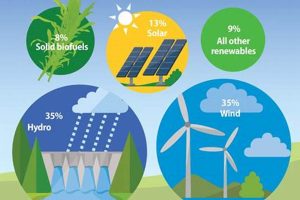
Hydroelectric power’s contribution to consistent energy production stems from the inherent predictability of water flow patterns. Unlike renewable sources dependent on transient environmental conditions, hydropower generation can be reasonably forecast based on historical rainfall data, snowpack levels, and reservoir management strategies. This predictability translates into a stable energy supply, a critical attribute for considering a source a dependable component within the wider array of sustainable energy options. The construction of dams and reservoirs allows for water storage, enabling power generation even during periods of low rainfall. This reservoir system acts as a buffer against short-term variability, ensuring a more consistent output compared to run-of-river hydroelectric facilities or sources like solar and wind that are immediately impacted by weather changes. The predictable nature of hydroelectric power facilitates grid management by allowing for the reliable scheduling of power generation, minimizing the need for rapid adjustments or backup systems to compensate for unforeseen fluctuations.
Consider the example of the Hoover Dam. Its reservoir, Lake Mead, provides a significant water storage capacity, enabling the dam to generate power consistently, even during dry seasons. The operators can regulate water release to meet electricity demand, ensuring a steady energy supply to the Southwestern United States. Similarly, in regions with established hydropower infrastructure, such as Norway and Canada, hydroelectricity forms a substantial portion of their energy mix, contributing to grid stability and reducing reliance on fossil fuels. Furthermore, technological advancements in hydrological modeling and weather forecasting continuously improve the accuracy of predicting water availability and power generation potential. Sophisticated models analyze rainfall patterns, snowmelt rates, and evapotranspiration to optimize reservoir management and ensure maximum power output with minimal environmental impact.
In summary, hydroelectric power’s contribution to a reliable renewable energy framework is significant due to its predictable nature, stemming from water storage capacity and advanced forecasting techniques. While hydroelectric power generation can have environmental consequences, responsible operation and continuous improvement in hydrological management mitigate negative impacts. Hydroelectric’s role in ensuring a dependable energy supply makes it an indispensable component when evaluating the array of sustainable energy solutions. The capacity for predictable power generation ensures grid stability, contributing substantially to a balanced and reliable sustainable energy profile.
3. Biomass's dispatchable energy

Biomass energy’s capacity for dispatchability provides a significant advantage when assessing its contribution to a dependable renewable energy portfolio. Unlike some renewable sources, biomass can be converted into energy on demand, granting grid operators a level of control essential for maintaining system stability.
- On-Demand Power Generation
Biomass power plants can generate electricity when needed, similar to conventional power plants. This contrasts with the variable output of solar or wind, which depends on weather conditions. This dispatchability allows grid operators to meet peak demand and smooth out fluctuations caused by intermittent renewable sources. For instance, a biomass facility can ramp up production during periods of high electricity consumption, providing a consistent and reliable power supply.
- Fuel Storage Capability
Biomass, in the form of wood pellets, agricultural residues, or other organic matter, can be stored and used when required. This storage capability provides a buffer against supply disruptions and ensures a continuous fuel supply for power generation. This contrasts with solar and wind, where energy storage solutions, like batteries, are necessary to address their intermittent nature. Biomass’s inherent storage capacity contributes to its dependability as an energy source.
- Versatile Conversion Technologies
Biomass can be converted into energy using various technologies, including combustion, gasification, and anaerobic digestion. This versatility allows biomass to be used in different applications, from generating electricity to producing biofuels and heat. For example, biomass can be gasified to produce syngas, which can then be used in combined cycle power plants or converted into transportation fuels. This flexibility enhances biomass’s role in a diversified energy system.
- Waste Reduction and Circular Economy
Biomass can utilize waste materials, such as agricultural residues and municipal solid waste, as fuel. This reduces waste disposal issues and promotes a circular economy by converting waste into energy. The use of waste biomass not only provides a renewable energy source but also addresses environmental concerns associated with waste management. This dual benefit reinforces biomass’s sustainability and reliability as an energy source.
The dispatchable nature of biomass, coupled with its fuel storage capability, versatile conversion technologies, and waste reduction potential, positions it as a valuable asset within a dependable renewable energy mix. By providing on-demand power generation and reducing reliance on intermittent sources, biomass contributes to grid stability and ensures a secure and sustainable energy supply. These qualities highlight biomass’s important role in achieving a reliable and diversified energy portfolio.
4. Consistent power generation

Consistent power generation is fundamentally intertwined with determining a sustainable energy option’s dependability. Power source reliability hinges on its capacity to deliver a steady energy supply, regardless of external conditions or time constraints. Consistent generation directly influences grid stability, mitigating the requirement for backup systems and ensuring continuous power availability for consumers and critical infrastructure. For instance, geothermal facilities, operating with high capacity factors, exemplify consistent generation, offering a baseline power supply independent of weather-related variables. This stable output reduces the burden on grid operators and decreases the need for supplementary resources, ultimately solidifying the dependable attributes of this energy source.
The implementation of energy storage systems further reinforces the relationship between consistent power generation and source reliability. While some renewable sources, such as solar and wind, inherently experience fluctuations, integrating storage technologies smooths the energy delivery profile. Pumped hydro storage facilities, for example, store excess energy generated during periods of high production and release it during periods of low production, effectively transforming intermittent sources into more dependable contributors to the grid. Similarly, battery storage solutions coupled with wind farms or solar installations enhance the stability of energy output, enabling a more consistent supply and improving overall dependability. These technological advancements play a crucial role in bridging the gap between variable renewable energy sources and consistent power generation needs.
Ultimately, the selection of the most dependable sustainable energy option requires a holistic evaluation of power generation consistency, resource availability, and technological solutions. While geothermal energy showcases consistent baseload power, the integration of storage technologies and advanced grid management systems can enhance the reliability of other variable sources. Addressing the challenges associated with intermittent generation is essential for ensuring a sustainable and dependable energy future. A comprehensive approach, encompassing source diversification, technological innovation, and optimized grid infrastructure, is necessary to achieve the goal of consistent power generation and establish the dependability of sustainable energy resources.
5. Capacity factor maximization

Capacity factor maximization stands as a crucial consideration in the pursuit of identifying dependable sustainable energy options. This metric, representing the actual energy output of a power plant over a period relative to its potential maximum output, directly reflects a power source’s consistency and operational effectiveness. High capacity factors indicate greater resource utilization and a more stable contribution to the energy grid, thus enhancing the overall dependability of a renewable energy resource.
- Resource Availability and Capacity Factor
The inherent availability of a renewable resource significantly influences its capacity factor. Geothermal energy, leveraging the Earth’s internal heat, typically exhibits high capacity factors due to its constant availability, contrasting with solar energy, which is subject to diurnal and weather-dependent fluctuations. Power plants utilizing biomass can also achieve higher capacity factors than wind or solar farms since biomass fuel can be stored and converted to electricity on demand. Resource constraints and intermittency are primary factors limiting capacity factor maximization for certain renewable technologies.
- Technological Optimization and Output
Advancements in technology play a pivotal role in maximizing capacity factors across various renewable energy sources. Enhanced turbine designs in wind farms, for instance, enable greater energy capture from lower wind speeds, increasing overall production and boosting the capacity factor. Similarly, improved solar panel efficiency and tracking systems optimize sunlight absorption, leading to higher energy yields. Continuous technological refinement directly enhances the output and reliability of sustainable power plants.
- Grid Integration and Infrastructure
Effective grid integration is imperative for translating power plant output into a stable energy supply. Insufficient transmission infrastructure can limit the capacity factor of renewable energy sources, as generated electricity may not reach consumers effectively. Smart grid technologies and robust transmission networks optimize energy flow, maximizing the utilization of renewable energy and mitigating curtailment issues. Comprehensive grid integration ensures consistent and reliable energy delivery from renewable resources.
- Maintenance and Operational Efficiency
Proactive maintenance strategies and efficient operational practices are critical for sustaining high capacity factors. Regular inspections, timely repairs, and optimized operational protocols minimize downtime and ensure consistent performance of power plants. Efficient management of resources and infrastructure contributes to a sustained high capacity factor, signifying a dependable sustainable energy source. Effective maintenance minimizes disruptions and maximizes continuous energy production.
Capacity factor maximization underscores the commitment to harnessing sustainable energy resources in the most efficient and dependable manner. By addressing resource constraints, leveraging technological advancements, optimizing grid integration, and prioritizing operational efficiency, renewable energy sources can achieve higher capacity factors, solidifying their role as essential components of a dependable energy future. Higher capacity factors lead to a more stable electricity supply and contribute to a decreased reliance on traditional, less sustainable energy sources.
6. Grid stabilization benefits

The benefits of grid stabilization are intrinsically linked to the integration of dependable sustainable energy options. A stable energy grid is essential for reliable power delivery, and specific renewable resources can significantly contribute to this stability by mitigating the challenges associated with intermittent power sources.
- Frequency Regulation Enhancement
Reliable sustainable energy sources offer the potential to enhance frequency regulation within the electrical grid. Geothermal and hydropower plants, for instance, can swiftly adjust their power output to counteract fluctuations in demand or supply, thereby maintaining the grid’s operational frequency within acceptable limits. This rapid response capability is particularly valuable in systems with a high penetration of variable renewable resources like solar and wind, preventing frequency deviations that could lead to grid instability.
- Voltage Support Provision
Certain dependable renewable energy technologies can provide voltage support to the grid, thereby preventing voltage sags and ensuring a stable power supply. Synchronous generators in biomass or concentrated solar power plants, for example, can provide reactive power to maintain voltage levels within specified ranges. Effective voltage support is essential for reliable operation of electrical equipment and reduces the risk of voltage-related grid disturbances.
- Inertia Contribution to Grid Stability
The rotational inertia of synchronous generators in specific renewable energy technologies contributes to overall grid stability. Biomass and hydro power plants utilize large rotating masses, which resist sudden changes in grid frequency, providing a buffer against disturbances. This inertial response is particularly important in maintaining grid stability during transient events, such as generator outages or sudden load changes. The incorporation of inertial resources enhances grid resilience and reduces the risk of cascading failures.
- Black Start Capability Augmentation
Dependable renewable energy sources can augment black start capability, which is the ability to restore power to a grid without external electricity supply. Hydroelectric and biomass plants, for instance, can be designed with black start capabilities, allowing them to initiate the power restoration process following a widespread blackout. Integrating black start capable renewable resources enhances grid resilience and accelerates recovery from major disruptions.
By providing frequency regulation, voltage support, inertial response, and black start capability, reliable sustainable energy sources significantly enhance grid stability. These benefits are critical for integrating a greater proportion of renewable energy into the grid while maintaining a dependable power supply for consumers and businesses. Prioritizing dependable renewable energy options can foster a more resilient and sustainable energy infrastructure.
7. Reduced dependence variability
The concept of lessened reliance on inconsistent energy sources is intrinsically linked to identifying the most dependable renewable energy options. Dependence variability refers to the degree to which an energy system relies on resources subject to unpredictable fluctuations in availability or output. A sustainable energy source that minimizes this dependence contributes significantly to grid stability and overall system reliability. The most reliable renewable energy source inherently exhibits characteristics that reduce the need for supplementary resources or backup systems to compensate for its own variability, thus diminishing dependence variability within the energy infrastructure.
For example, geothermal power, characterized by its continuous operation and consistent energy output, exemplifies reduced dependence variability. Unlike solar or wind energy, which fluctuate with weather patterns and time of day, geothermal power plants provide a steady stream of electricity, requiring minimal supplementation from other sources to maintain grid balance. Similarly, well-managed hydroelectric facilities, with sufficient water storage capacity, offer a predictable energy supply, reducing the necessity for rapid adjustments to compensate for fluctuations in resource availability. The practical significance of understanding this connection lies in enabling energy planners to prioritize renewable sources that naturally minimize variability, fostering a more resilient and sustainable energy system. The integration of these sources reduces the need for expensive energy storage solutions or reliance on fossil fuel-based backup generators to fill gaps in supply, leading to cost savings and reduced environmental impact.
In conclusion, the attribute of lessened dependence variability is a critical factor in identifying the most reliable renewable energy source. Sustainable energy options exhibiting minimal fluctuations in output and reducing the need for supplementary resources contribute significantly to grid stability, cost savings, and environmental sustainability. Recognizing and prioritizing this characteristic is essential for creating a dependable and resilient energy future, minimizing vulnerability to disruptions, and ensuring a stable and accessible power supply for all.
Frequently Asked Questions About Dependable Sustainable Power
The following questions address common concerns and misconceptions surrounding the identification and application of renewable energy sources with consistent output. The intent is to provide clarity and informed perspectives on this multifaceted topic.
Question 1: What factors primarily determine the reliability of a renewable energy source?
Reliability is primarily determined by resource availability, consistency of energy output, capacity factor, and dispatchability. Geothermal and hydroelectric sources, due to their stable nature, are often cited as examples of reliable renewable options.
Question 2: How do energy storage technologies impact the reliability of intermittent renewable sources like solar and wind?
Energy storage technologies, such as battery storage and pumped hydro, mitigate the intermittent nature of solar and wind by storing excess energy generated during peak production periods for use during periods of low generation. This enhances the reliability and stability of these sources.
Question 3: Can geographic location affect the reliability of a renewable energy source?
Yes, geographic location plays a significant role. Geothermal resources are limited to areas with geothermal activity, while hydroelectric power depends on suitable topography and water availability. Solar radiation levels and wind patterns also vary by location, impacting the consistency of solar and wind energy production.
Question 4: What role does grid infrastructure play in the reliability of renewable energy sources?
A robust grid infrastructure is essential for integrating renewable energy sources into the power system. Transmission lines, smart grid technologies, and grid management systems ensure efficient distribution of renewable energy and enhance overall grid stability.
Question 5: What are the economic considerations associated with prioritizing the most reliable renewable energy source?
Economic considerations include upfront capital costs, operating and maintenance expenses, and the levelized cost of energy (LCOE). While some reliable renewable sources, like geothermal, may have higher initial costs, their long-term operational stability and reduced fuel costs can make them economically competitive.
Question 6: How can a diversified energy portfolio enhance the reliability of a renewable energy system?
Diversifying the energy portfolio by combining various renewable energy sources, such as geothermal, hydro, solar, and wind, reduces dependence on any single resource and mitigates the impact of intermittency. This approach enhances overall system reliability and resilience.
In summary, numerous factors affect the reliability of a sustainable power generation system. However, by considering each renewable resources characteristics such as resource availability, geographical location, and grid capability, it would enhance the reliability of system with appropriate technology to balance energy system.
The following section will present case studies showcasing how prioritizing reliable renewable energy has impacted specific locations.
Conclusion
Throughout this exploration, various factors contributing to the dependability of sustainable energy resources have been examined. Geothermal’s constant availability, hydroelectric’s predictable output, and biomass’s dispatchable capabilities exemplify attributes that enhance grid stability. Maximizing capacity factors, reducing dependence variability, and leveraging grid stabilization benefits are vital considerations in the pursuit of dependable renewable energy solutions. These elements collectively influence the selection and deployment of resources that ensure a stable and sustainable energy future.
The establishment of a dependable energy future necessitates a committed and informed approach. As societies transition to sustainable energy systems, the integration of reliable sources and the strategic application of supporting technologies are crucial. Continued research, policy advancements, and technological innovation are imperative for maximizing the benefits of dependable sustainable energy, ensuring a stable and resilient energy supply for generations to come. The ultimate goal is the development of a balanced and dependable sustainable energy profile that benefits society and safeguards the environment.