



Decentralized renewable energy sources owned and operated by distribution transmission and electrification entities represent a shift in traditional energy paradigms. For instance, a local utility company might install and manage solar panels... Read more »
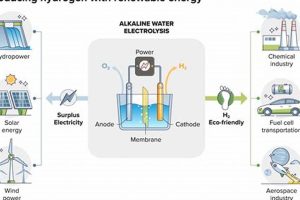
Electrolysis powered by solar, wind, or hydroelectric sources offers a pathway to produce a clean fuel. For instance, excess solar energy generated during peak hours can be used to split water molecules,... Read more »

The integration of alternative power generation methods presents a complex set of hurdles. These obstacles span technological limitations, economic viability concerns, infrastructure inadequacies, and societal acceptance issues. For example, the intermittent nature... Read more »

Derived from organic matter, typically plant-based, fuels offer an alternative to traditional fossil fuels. Examples include ethanol from corn or sugarcane, and biodiesel from vegetable oils or animal fats. These fuels are... Read more »

Natural gas, primarily composed of methane, is formed from decomposed organic matter over millions of years. While it burns cleaner than other fossil fuels like coal, producing fewer greenhouse gas emissions, its... Read more »
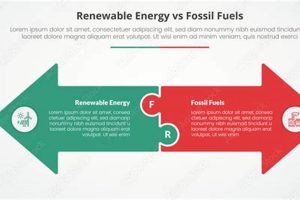
Non-renewable energy sources derive from finite resources that deplete over time with use. Fossil fuels (coal, oil, and natural gas) and nuclear energy (derived from uranium) are prime examples. These resources are... Read more »

Sustainable power generation methods, encompassing solar, wind, hydro, geothermal, and biomass energy, often incorporate supplementary technologies and strategies. These additions might include energy storage systems like batteries and pumped hydro, smart grids... Read more »
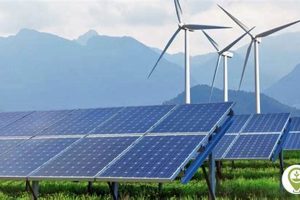
Renewable energy sources derive power from natural processes that are constantly replenished. These sources include solar, wind, hydro, geothermal, and biomass. Each harnesses a distinct natural process from the sun’s radiant energy... Read more »
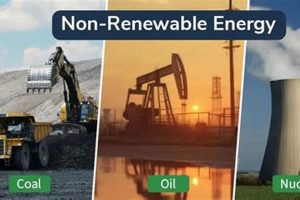
These are natural materials from the Earth that exist in limited quantities and cannot be easily replaced or replenished at the rate they are consumed. Once depleted, they are essentially gone, at... Read more »
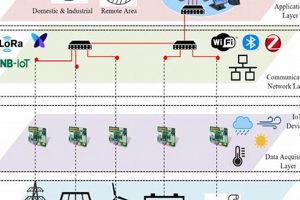
The convergence of internet-connected devices and sustainable power generation offers a transformative approach to energy management. Imagine solar panels adjusting their angle in real-time based on weather data, or wind turbines communicating... Read more »