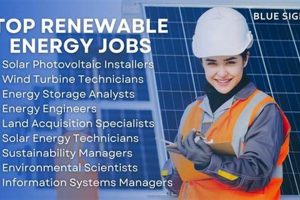
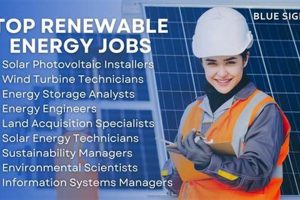
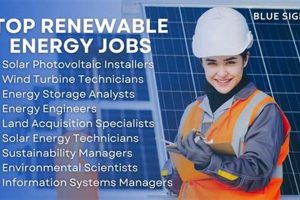
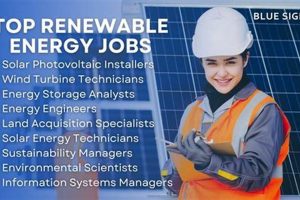
The renewable energy industry offers a diverse range of career paths, spanning various skill sets and educational backgrounds. From engineering and manufacturing to research, installation, and maintenance, positions exist across the entire supply chain of clean energy technologies such as solar, wind, hydropower, geothermal, and biomass. Examples include roles like solar panel installers, wind turbine technicians, environmental engineers, and energy policy analysts.
Growth in this field is driven by increasing global demand for sustainable energy solutions, creating economic benefits and addressing environmental concerns like climate change and air pollution. The transition from fossil fuels to cleaner alternatives presents a significant opportunity for skilled workers and contributes to a more sustainable energy future. Historically, the sector has experienced substantial expansion, and projections indicate continued growth for years to come, providing long-term career prospects.
Further exploration of this dynamic field can reveal specific career options, required qualifications, emerging trends, and the overall impact of the renewable energy transition on global employment markets. Detailed analysis of individual technologies within the sector offers valuable insights for those considering a career contributing to a more sustainable world.
Tips for Pursuing Careers in Renewable Energy
Navigating the expanding renewable energy job market requires strategic planning and focused effort. The following tips offer guidance for individuals interested in pursuing careers within this dynamic sector.
Tip 1: Identify Specific Areas of Interest: The renewable energy sector encompasses a wide range of technologies and roles. Researching specific areas like solar, wind, or bioenergy helps focus career goals and identify relevant skill requirements.
Tip 2: Develop Relevant Skills: Technical skills are essential for many roles. Pursuing relevant education, certifications, or training programs in areas like engineering, installation, or maintenance can enhance career prospects.
Tip 3: Network with Industry Professionals: Attending industry events, joining professional organizations, and connecting with individuals working in renewable energy can provide valuable insights and potential job leads.
Tip 4: Gain Practical Experience: Internships, volunteer work, or entry-level positions offer valuable hands-on experience and demonstrate commitment to potential employers.
Tip 5: Stay Updated on Industry Trends: The renewable energy sector is constantly evolving. Following industry publications, attending webinars, and staying informed about emerging technologies ensures competitiveness in the job market.
Tip 6: Tailor Your Resume and Cover Letter: Highlighting relevant skills and experience specific to the targeted role increases the chances of securing an interview.
Tip 7: Research Potential Employers: Understanding the values and mission of potential employers allows for a more targeted job search and demonstrates genuine interest during interviews.
By following these tips, individuals can effectively navigate the renewable energy job market and position themselves for success in this growing and impactful sector.
These insights provide a strong foundation for making informed career decisions within the renewable energy field. The next section will delve deeper into specific career paths and offer further resources for exploration.
1. Growing Demand
The expanding need for clean energy sources directly fuels job creation within the renewable energy sector. This growing demand stems from various factors, including increasing public awareness of climate change, governmental policies supporting renewable energy adoption, and decreasing costs associated with renewable energy technologies. As energy consumption continues to rise globally, coupled with efforts to decarbonize existing energy infrastructure, the demand for professionals capable of designing, installing, maintaining, and managing renewable energy systems intensifies. For example, the increasing adoption of solar power in residential and commercial settings creates demand for solar panel installers, electricians specializing in solar systems, and engineers designing large-scale solar farms. Similarly, the growth of offshore wind projects generates opportunities for wind turbine technicians, marine engineers, and logistics specialists.
This demand dynamic creates a positive feedback loop: increased demand drives investment in new projects, which in turn generates more jobs, further stimulating innovation and technological advancements within the sector. This cyclical growth underscores the importance of understanding the direct correlation between energy demand and employment opportunities. Furthermore, the shift towards renewable energy creates entirely new industries and specializations, such as energy storage solutions, smart grid technologies, and electric vehicle infrastructure, each contributing to further job creation. For instance, the development and implementation of smart grid technologies require specialized engineers and data analysts, creating opportunities that didn’t exist a decade ago.
Understanding this connection allows individuals and policymakers to anticipate future employment trends and develop strategies for workforce development and training. Meeting the growing demand for skilled professionals within the renewable energy sector requires strategic investment in education and training programs tailored to the specific needs of the industry. Failure to adequately address this skills gap could hinder the transition to a sustainable energy future, emphasizing the practical significance of recognizing the interplay between demand, job creation, and the broader societal implications of the energy transition.
2. Diverse Roles

The renewable energy sector’s breadth offers a diverse range of career paths, accommodating various skill sets and educational backgrounds. This diversity stems from the multifaceted nature of transitioning to sustainable energy systems. It encompasses not only technical roles directly involved in the design, installation, and maintenance of renewable energy technologies but also supporting functions crucial for the sector’s growth and integration. For example, while engineers are essential for developing more efficient solar panels, financial analysts are needed to structure project financing, and policy specialists are critical for creating regulatory frameworks that incentivize renewable energy adoption. This interconnectedness highlights the multifaceted nature of the sector and the resultant diversity of roles.
This diversity translates into opportunities for individuals with backgrounds in engineering, manufacturing, construction, research, finance, law, policy, and communications. Specific examples include roles such as wind turbine technicians responsible for maintaining and repairing wind turbines, solar project developers who oversee the development and implementation of solar energy projects, environmental scientists assessing the impact of renewable energy installations, and legal professionals specializing in energy regulations. The varied skill requirements across these roles underscore the accessibility of the renewable energy sector to individuals from diverse educational and professional backgrounds. Furthermore, this diversity fosters a dynamic and innovative work environment, contributing to the rapid advancement and deployment of clean energy technologies. For example, the collaboration between materials scientists developing new solar cell materials and manufacturing engineers optimizing production processes is crucial for increasing the efficiency and reducing the cost of solar energy.
Understanding the diverse roles within the renewable energy sector provides a comprehensive view of career options and highlights the interconnectedness of different functions contributing to the overall growth and success of the industry. This understanding is crucial for individuals seeking career paths within the sector, educational institutions designing relevant training programs, and policymakers developing strategies to support workforce development. Recognizing this diversity allows for a more strategic approach to talent acquisition, skills development, and policy implementation, ultimately contributing to a more effective and equitable transition to a sustainable energy future.
3. Technical Skills

Technical proficiency is essential for numerous roles within the renewable energy sector. As the industry expands and technologies evolve, the demand for specialized skills intensifies, creating opportunities for individuals with relevant expertise. This section explores key technical skill areas crucial for success in this dynamic field.
- Engineering Expertise
Engineering skills are fundamental to the design, development, and implementation of renewable energy systems. Specializations such as electrical engineering, mechanical engineering, and chemical engineering are highly relevant. For example, electrical engineers design and oversee the integration of solar photovoltaic systems into the power grid, while mechanical engineers contribute to the design and optimization of wind turbine performance. The increasing complexity of renewable energy projects demands advanced engineering expertise, driving demand for skilled professionals in these areas.
- Installation and Maintenance Proficiency
Practical skills in installation and maintenance are crucial for ensuring the optimal performance and longevity of renewable energy systems. Technicians specializing in solar panel installation, wind turbine maintenance, or geothermal system repair play a critical role in the operational efficiency of these technologies. For example, skilled technicians diagnose and troubleshoot issues in wind turbines, ensuring continuous energy generation and minimizing downtime. The growing number of installed renewable energy systems drives ongoing demand for qualified installation and maintenance professionals.
- Data Analysis and Software Skills
Data analysis and software proficiency are increasingly important for optimizing renewable energy systems and integrating them into smart grids. Professionals skilled in data analysis can interpret performance data from solar farms or wind turbines to identify areas for improvement and enhance energy output. Software skills are essential for using specialized tools for system design, modeling, and performance monitoring. For instance, using sophisticated software to analyze weather patterns and predict solar energy generation enables grid operators to optimize energy distribution and minimize reliance on fossil fuels.
- Project Management Capabilities
Project management skills are vital for overseeing the complex processes involved in developing and implementing renewable energy projects. Professionals with project management expertise coordinate various aspects of a project, from initial planning and permitting to construction, commissioning, and ongoing operation. For example, project managers ensure that solar farm construction adheres to timelines and budgets, while also managing regulatory compliance and stakeholder engagement. The increasing scale and complexity of renewable energy projects create ongoing demand for skilled project managers.
These technical skill sets are interconnected and contribute to the overall success of renewable energy projects. The continued growth of the sector relies on a skilled workforce capable of designing, implementing, and maintaining sustainable energy systems. Developing these technical skills through education, training, and practical experience positions individuals for success in the expanding renewable energy job market and contributes to the global transition towards a sustainable energy future.
4. Sustainability Focus

A core tenet of the renewable energy sector is its inherent focus on environmental sustainability. This emphasis drives job creation and shapes career paths within the industry. The direct link between sustainability and employment opportunities stems from the growing global commitment to mitigating climate change and transitioning towards cleaner energy sources. As governments, businesses, and individuals increasingly prioritize sustainability, the demand for professionals capable of developing, implementing, and managing renewable energy technologies intensifies. For example, the increasing adoption of electric vehicles fueled by renewable energy creates demand for specialists in battery technology, charging infrastructure, and grid integration, all directly linked to the broader sustainability focus.
The practical significance of this connection is evident in the emergence of new job categories and the evolution of existing roles. Sustainability considerations influence job descriptions, required skill sets, and career development pathways. For instance, environmental impact assessments are now standard practice in renewable energy projects, creating demand for professionals with expertise in environmental science, ecology, and regulatory compliance. Similarly, expertise in sustainable supply chain management is increasingly valued within the renewable energy manufacturing sector, reflecting the industry’s commitment to minimizing its overall environmental footprint. Furthermore, the focus on sustainability drives innovation in areas like circular economy principles applied to renewable energy technologies, creating new opportunities in fields like materials recycling and component remanufacturing. For example, research and development focused on recycling solar panel components creates jobs for materials scientists, engineers, and technicians specializing in resource recovery and sustainable manufacturing processes.
In summary, the sustainability focus intrinsic to the renewable energy sector is a primary driver of job creation and shapes the nature of work within the industry. This focus not only creates new opportunities but also influences the skills and knowledge required for success in the field. Understanding this connection is crucial for individuals seeking careers in renewable energy, educational institutions developing relevant training programs, and policymakers designing strategies to support the growth of a sustainable energy economy. Addressing the complex challenges associated with climate change and transitioning to a more sustainable future requires a skilled workforce dedicated to and driven by the principles of sustainability.
5. Global Impact

The renewable energy sector’s influence extends beyond national borders, impacting global economies, environmental sustainability, and geopolitical dynamics. Understanding this global impact is crucial for recognizing the broader implications of career opportunities within the renewable energy industry. The interconnectedness of global energy markets, environmental challenges, and technological advancements creates a complex landscape influencing job creation, skill requirements, and the long-term trajectory of the sector.
- Climate Change Mitigation
Renewable energy technologies play a vital role in reducing greenhouse gas emissions and mitigating climate change, a global challenge requiring international collaboration and coordinated efforts. The transition to renewable energy sources reduces dependence on fossil fuels, mitigating the environmental impact of energy production. For example, the increasing adoption of solar and wind power in countries with high carbon footprints contributes to global emissions reductions. The global nature of climate change necessitates international cooperation in research, development, and deployment of renewable energy technologies, creating job opportunities across diverse geographic locations and specializations.
- Economic Development
Renewable energy investments stimulate economic growth and create jobs worldwide. Developing nations can benefit from leapfrogging traditional fossil fuel-based energy infrastructure and directly adopting renewable energy technologies, fostering local industries and creating employment opportunities. For instance, the construction of solar farms in rural communities can generate jobs in manufacturing, installation, and maintenance, stimulating local economies and improving energy access. Furthermore, the global trade in renewable energy technologies creates export opportunities for countries specializing in manufacturing and innovation.
- Energy Security and Independence
Renewable energy sources enhance energy security by reducing reliance on imported fossil fuels, which can be subject to price volatility and geopolitical instability. Countries with abundant renewable energy resources can achieve greater energy independence, strengthening national security and economic stability. For example, nations with significant solar or wind resources can reduce their dependence on imported oil and gas, enhancing energy security and reducing vulnerability to global energy market fluctuations. This shift towards domestic renewable energy production creates jobs in areas like resource assessment, project development, and infrastructure construction.
- Technological Innovation and Advancement
The renewable energy sector drives innovation in areas like materials science, energy storage, and smart grid technologies. This global exchange of knowledge and technological advancements accelerates the development and deployment of more efficient and cost-effective renewable energy solutions. For example, international research collaborations on advanced battery technologies can lead to breakthroughs that benefit the entire global renewable energy sector. This continuous innovation creates opportunities for researchers, engineers, and entrepreneurs, driving further job growth and economic development worldwide.
These interconnected facets of global impact underscore the significant role the renewable energy sector plays in shaping a more sustainable and prosperous future. Career opportunities within this sector offer not only individual career advancement but also the chance to contribute to global solutions for climate change mitigation, economic development, and energy security. Understanding this global context provides a broader perspective on the significance of renewable energy jobs and their potential to drive positive change worldwide.
6. Competitive Landscape

The renewable energy sector presents a dynamic and increasingly competitive job market. This competitive landscape is shaped by several factors, including the rapid growth of the industry, the influx of skilled professionals from other sectors, and the evolving technological landscape. The increasing demand for renewable energy solutions attracts established companies and startups alike, creating a competitive environment for talent acquisition and project development. This competition drives innovation and efficiency but also necessitates a strategic approach to career development for individuals seeking opportunities within the sector. For instance, expertise in emerging technologies like energy storage or smart grid integration can provide a competitive edge in the job market. The competitive landscape influences not only the availability of jobs but also the required skill sets, salary expectations, and career progression pathways within the industry. Companies competing for skilled professionals may offer competitive salaries and benefits packages, while individuals seeking career advancement must continuously adapt and acquire new skills to remain competitive.
The practical significance of understanding this competitive landscape is crucial for both job seekers and employers. Individuals entering or transitioning into the renewable energy sector must assess their skills and experience relative to the market demand, identify areas for professional development, and develop strategies for networking and job searching. For example, acquiring certifications in specific renewable energy technologies or demonstrating project management experience can enhance an individual’s competitiveness. Employers, on the other hand, must develop effective recruitment strategies, offer competitive compensation packages, and foster a work environment that attracts and retains top talent. Furthermore, understanding the competitive dynamics within specific sub-sectors, such as solar, wind, or bioenergy, allows for more targeted recruitment efforts and strategic workforce planning. For example, a company specializing in offshore wind energy might focus recruitment efforts on marine engineers and wind turbine technicians with offshore experience, reflecting the specific demands of that niche market.
In summary, the competitive landscape of the renewable energy sector presents both challenges and opportunities. While competition for jobs can be intense, the dynamic nature of the industry fosters innovation, drives technological advancements, and creates a diverse range of career paths. Recognizing the factors shaping this competitive landscape and developing strategies to navigate it effectively are crucial for both individuals seeking fulfilling careers and companies striving to build successful and sustainable businesses within the renewable energy sector. This understanding contributes to a more robust and efficient industry, ultimately accelerating the global transition towards a cleaner and more sustainable energy future. A nuanced appreciation of the competitive dynamics within the renewable energy sector is therefore essential for long-term success and impactful contributions to the field.
Frequently Asked Questions
This section addresses common inquiries regarding career paths within the renewable energy industry.
Question 1: What are the typical entry-level positions in renewable energy?
Entry-level roles often include installers, technicians, and field service representatives for specific technologies like solar or wind. Data analysts and administrative support staff are also common entry points.
Question 2: What educational qualifications are typically required for renewable energy jobs?
Educational requirements vary depending on the specific role. Technical positions often require a two-year associate’s degree or vocational training, while engineering and research roles typically necessitate a bachelor’s or advanced degree. Business and policy-related roles often benefit from relevant undergraduate or graduate degrees.
Question 3: How can one gain experience in renewable energy without prior industry experience?
Internships, volunteer work with environmental organizations, and participation in relevant online courses or workshops can provide valuable experience. Networking within the industry through attending conferences and joining professional organizations can also create opportunities.
Question 4: What are the highest-paying jobs in the renewable energy sector?
Engineering roles, particularly those specializing in emerging technologies like energy storage and smart grids, tend to command higher salaries. Experienced project managers and senior-level executives also typically earn higher incomes.
Question 5: How is the job market outlook for renewable energy careers?
The job outlook is generally positive, with significant growth projected across various roles. Demand for skilled professionals in areas like solar, wind, and energy storage is expected to increase significantly in the coming years.
Question 6: Are there certifications that can enhance career prospects in renewable energy?
Numerous certifications exist for specific technologies and skill sets within the renewable energy sector. Examples include certifications for solar panel installers, wind turbine technicians, and energy auditors. These certifications can demonstrate expertise and enhance employability.
Understanding these key aspects of renewable energy careers provides a foundation for informed decision-making and career planning. Further research into specific roles and technologies of interest is recommended.
The following section provides additional resources for further exploration of career opportunities within the renewable energy industry.
Job Opportunities in Renewable Energy
Exploration of career prospects within the renewable energy sector reveals a dynamic and evolving landscape. The increasing global demand for clean energy solutions drives significant job growth across diverse areas, including engineering, manufacturing, installation, maintenance, research, and policy. Technical proficiency, coupled with a commitment to sustainability, is essential for success in this field. The industry’s competitive nature necessitates continuous learning and adaptation to emerging technologies and market trends. Career paths in renewable energy offer not only individual professional growth but also the opportunity to contribute to global climate change mitigation, economic development, and enhanced energy security.
The transition to a sustainable energy future presents significant challenges and opportunities. Strategic investment in education, training, and workforce development is crucial for meeting the growing demand for skilled professionals. Individuals seeking fulfilling and impactful careers, along with organizations committed to a sustainable future, have a pivotal role to play in shaping the future of energy. The renewable energy sector offers a path toward a more sustainable and prosperous world, demanding continued innovation, collaboration, and a steadfast commitment to addressing the complex energy challenges facing humanity.