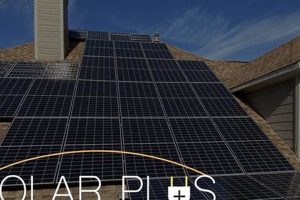
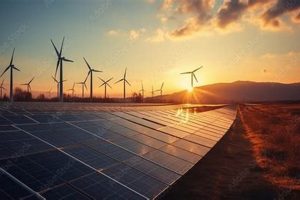
Harnessing the radiant light and heat from the sun to generate electricity is a process commonly referred to as solar energy conversion. This process utilizes photovoltaic cells or concentrated solar power systems to capture the sun’s energy and transform it into usable power. An example includes the use of solar panels on residential rooftops to produce electricity for household consumption.
The significance of utilizing the sun’s energy lies in its virtually inexhaustible nature. This energy source reduces dependence on finite fossil fuels, which contribute to greenhouse gas emissions and environmental degradation. Historically, the widespread adoption of this energy source has been hampered by technological limitations and cost considerations; however, advancements in technology and economies of scale have made it increasingly viable and economically competitive.
The following sections will delve into the mechanics of solar energy conversion, exploring different technological approaches, assessing environmental impacts, and examining the economic viability of this power source compared to traditional energy generation methods. These aspects are critical for understanding the role this resource plays in a sustainable energy future.
Optimizing Solar Energy Utilization
This section outlines key considerations for maximizing the effectiveness and sustainability of solar energy technologies, focusing on practical advice and industry best practices.
Tip 1: System Sizing Based on Energy Needs: Accurate assessment of energy consumption patterns is crucial. Conduct a thorough energy audit to determine baseline usage and projected future needs. Undersized systems will fail to meet demands, while oversized systems represent an unnecessary capital expenditure.
Tip 2: Strategic Panel Placement: Orientation and tilt angles significantly impact energy generation. Optimize panel placement based on geographic location and seasonal sunlight patterns. Consider shading from trees or nearby structures, and mitigate their impact where possible.
Tip 3: Regular System Maintenance: Periodic inspections are essential for identifying and addressing potential performance issues. Clean panels to remove dust and debris that can reduce efficiency. Monitor inverter performance and battery health to ensure optimal system operation.
Tip 4: Battery Storage Integration: Incorporating battery storage systems enhances grid independence and resilience. Stored energy can be utilized during periods of low sunlight or grid outages, improving energy security and maximizing self-consumption.
Tip 5: Grid Interconnection for Net Metering: Establish a grid interconnection agreement to participate in net metering programs. Excess energy generated can be fed back into the grid, earning credits or compensation from the utility company.
Tip 6: Utilizing Energy Efficient Appliances: Reduce overall energy consumption by replacing older appliances with energy-efficient models. Lowering the demand on the solar system increases its overall effectiveness and extends its lifespan.
Tip 7: Continuous Performance Monitoring: Implement a monitoring system to track energy production, consumption, and system health. Data analysis enables proactive identification of potential problems and optimization of system performance over time.
Adhering to these guidelines enhances the effectiveness and sustainability of solar energy investments, leading to improved energy independence and reduced environmental impact.
The subsequent sections will address frequently asked questions about harnessing solar power and explore future trends in solar energy technologies.
1. Inexhaustible Sunlight

The concept of inexhaustible sunlight forms the bedrock upon which the classification of solar power as a renewable energy source rests. This attribute ensures a continuous supply of energy for human utilization, fundamentally differentiating it from depletable resources like fossil fuels.
- Constant Energy Flux
The sun emits a consistent and vast amount of energy towards Earth. This energy flux, measured in watts per square meter, is relatively constant over human timescales. Solar power technologies, such as photovoltaic panels and concentrated solar power systems, directly capture this continuous energy stream for conversion into electricity or heat. The consistency of the energy flux guarantees a reliable input for power generation.
- Sustainability over Geological Time
The sun’s projected lifespan extends for billions of years. This far exceeds the timeframe for any conceivable human energy need. This longevity ensures that solar energy will remain available as a power source well into the distant future, thus establishing its long-term sustainability in contrast to resources with finite reserves.
- Global Availability
While solar irradiance varies geographically due to factors such as latitude, weather patterns, and seasonal changes, sunlight is available across the globe. This ubiquity facilitates the widespread deployment of solar power technologies in diverse locations, reducing dependence on centralized power grids and imported fossil fuels. Countries with abundant sunlight resources can achieve energy independence and contribute to mitigating global climate change.
- Non-Depleting Resource
Unlike fossil fuels, the extraction of which diminishes the Earth’s reserves, the utilization of sunlight for power generation does not deplete the source. Energy is harvested directly from the ongoing solar radiation, with no impact on the sun’s overall energy output. This non-depleting characteristic is central to the definition of a renewable energy resource.
The facets of constant energy flux, sustainability over geological time, global availability, and the non-depleting nature of sunlight collectively demonstrate why solar power is characterized as a renewable energy source. These attributes underscore the vital role solar energy can play in securing a sustainable energy future, reducing carbon emissions, and mitigating the environmental impacts associated with fossil fuel consumption.
2. Continuous Replenishment

The attribute of continuous replenishment is intrinsic to the classification of solar energy as renewable. This characteristic guarantees that the energy source is naturally restored at a rate comparable to, or faster than, its rate of consumption, thereby ensuring long-term availability.
- Solar Irradiance Cycle
Earth receives a consistent influx of solar radiation daily. This irradiance follows a diurnal cycle, dictated by the planet’s rotation. While the amount of sunlight varies based on location, time of year, and atmospheric conditions, the fundamental cycle of daily replenishment remains constant. Solar energy technologies harness this daily replenishment to generate power, establishing a repeatable and predictable energy source.
- Photosynthesis as an Analogy
Photosynthesis, the process by which plants convert sunlight into chemical energy, provides a natural analogy for continuous replenishment. Plants continuously absorb solar energy to fuel their growth and metabolism. Similarly, solar power technologies continuously capture and convert sunlight into usable forms of energy, albeit through different mechanisms. The biological example of photosynthesis underscores the inherent replenishability of solar energy.
- Technological Longevity
The lifespan of solar power technologies, particularly photovoltaic panels, contributes to the continuous availability of solar energy. While the panels themselves degrade over time, their typical operational lifespan of 25-30 years ensures sustained energy generation. Furthermore, advancements in solar panel technology continuously improve efficiency and durability, extending the replenishment cycle and optimizing energy capture.
- Sustainable Resource Management
The continuous replenishment of solar energy necessitates sustainable resource management practices. This includes responsible manufacturing and disposal of solar panels, as well as minimizing the environmental impact of solar power installations. Implementing circular economy principles, such as recycling solar panel materials, further enhances the sustainability and renewability of solar energy systems.
The facets of solar irradiance cycle, the photosynthetic analogy, technological longevity, and sustainable resource management collectively reinforce the understanding that solar energy is a continuously replenished resource. This ongoing replenishment, coupled with responsible technological development and environmental stewardship, solidifies its position as a cornerstone of a sustainable energy future.
3. Minimal Depletion

The concept of minimal depletion is a cornerstone in defining solar power as a renewable energy source. Unlike fossil fuels, which are finite and exhaustible, solar energy utilization results in negligible depletion of the primary energy source sunlight. This characteristic underpins its sustainability and long-term viability.
- Constant Solar Flux: Non-Consumptive Use
The sun emits a consistent and massive amount of energy. Solar power technologies capture a fraction of this energy. The process of capturing sunlight to generate electricity or heat does not diminish the sun’s energy output. Sunlight used for power generation continues to radiate whether or not it is captured. This non-consumptive nature ensures that future generations will have access to the same solar resource.
- Technological Advancements: Resource Efficiency
Ongoing advancements in solar technology enhance the efficiency of energy capture. Improved photovoltaic cell designs and advanced materials maximize the conversion of sunlight into electricity. This increasing efficiency reduces the area required for solar installations, minimizing land use impacts and maximizing energy output per unit of resource. This improvement in resource efficiency further contributes to the minimal depletion aspect.
- Low Lifecycle Environmental Impact
The production and deployment of solar technologies do have associated environmental impacts, primarily during manufacturing and disposal. However, these impacts are significantly lower than those associated with fossil fuel extraction, processing, and combustion. Efforts to improve manufacturing processes, promote recycling of solar panels, and minimize land use further reduce the lifecycle environmental footprint, reinforcing the concept of minimal resource depletion.
- Geological Timescale Considerations
The sun’s lifespan extends for billions of years. The rate at which humans are utilizing solar energy for power generation is negligible compared to the sun’s total energy output and lifespan. This vast timescale difference underscores the insignificance of solar energy depletion from a practical, long-term perspective. This contrasts sharply with the rapid depletion of fossil fuel reserves, highlighting the sustainability of solar energy as a resource.
The aspects of constant solar flux, technological resource efficiency, low lifecycle environmental impact, and the sun’s extended lifespan collectively emphasize the minimal depletion associated with using sunlight for power. These characteristics underscore solar energy’s role as a sustainable and renewable energy source, contributing to a future where energy consumption does not rely on the depletion of finite resources.
4. Sustainable Resource
The classification of solar power as a sustainable resource is intrinsically linked to its renewability. A sustainable resource is one that can be utilized indefinitely without compromising its availability for future generations or causing significant environmental damage. The sun, as the source of solar power, embodies this principle due to its vast energy reserves and the non-depletive nature of solar energy harvesting. This connection is fundamental because the sustainability of solar power ensures its long-term viability as a primary energy source. For example, large-scale solar farms, designed with careful land management and recycling programs, represent an attempt to harness solar power sustainably, mitigating potential environmental impacts during the installation and operation phases.
The importance of sustainable practices within the solar power industry cannot be overstated. Improper disposal of solar panels, for instance, can lead to environmental contamination due to the presence of certain materials used in their construction. Therefore, the implementation of recycling programs and the development of more environmentally friendly panel designs are crucial for maintaining the long-term sustainability of solar energy. The practical application of this understanding involves stringent environmental regulations for solar power projects, promoting responsible manufacturing processes, and incentivizing the adoption of circular economy principles within the industry.
In conclusion, the sustainability of solar power is directly dependent on responsible resource management and technological advancements that minimize environmental impact throughout its lifecycle. Recognizing and addressing potential challenges related to land use, material sourcing, and waste management are essential for ensuring that solar power truly functions as a sustainable and renewable energy source. The ongoing development of innovative solutions, coupled with robust regulatory frameworks, will further solidify solar power’s role in a sustainable energy future.
5. Environmental Benefits

The deployment of solar energy technologies presents a range of environmental advantages when compared to traditional fossil fuel-based energy generation. These benefits are directly attributable to the renewable nature of sunlight and the corresponding reduction in reliance on finite and polluting resources.
- Reduced Greenhouse Gas Emissions
Solar power generation emits significantly lower amounts of greenhouse gases, such as carbon dioxide and methane, compared to the combustion of fossil fuels. This reduction in emissions directly mitigates the impacts of climate change, including global warming, sea-level rise, and extreme weather events. The widespread adoption of solar energy can substantially decrease a nation’s carbon footprint and contribute to international climate agreements.
- Decreased Air Pollution
Fossil fuel-based power plants release harmful air pollutants, including nitrogen oxides, sulfur dioxide, and particulate matter. These pollutants contribute to respiratory illnesses, acid rain, and smog. Solar power generation produces minimal air pollution during operation, leading to improved air quality and reduced public health risks. Urban areas with high solar energy adoption experience noticeable improvements in air quality, benefiting local communities.
- Water Conservation
Conventional power plants often require significant amounts of water for cooling purposes. This water consumption can strain local water resources and impact aquatic ecosystems. Solar power generation, particularly photovoltaic systems, requires minimal water for operation, conserving water resources and reducing competition for this vital resource. In arid regions, this water conservation benefit is particularly significant.
- Land Use Considerations
While large-scale solar farms require land, the overall environmental impact can be mitigated through careful planning and site selection. Solar installations can be integrated into existing infrastructure, such as rooftops and parking lots, minimizing land use conflicts. Furthermore, some solar farms can coexist with agricultural activities, such as grazing or pollinator habitats, maximizing land use efficiency and promoting biodiversity.
These environmental benefits collectively demonstrate the positive impact of solar energy as a renewable alternative to fossil fuels. The reduction in greenhouse gas emissions, improved air quality, water conservation, and responsible land use practices underscore the vital role solar power can play in creating a more sustainable and environmentally friendly energy future. The continued development and deployment of solar technologies are essential for mitigating climate change and protecting the planet’s natural resources.
6. Reduced Emissions

The connection between diminished pollutant output and power generation from sunlight is central to evaluating solar energy’s position as a renewable resource. The utilization of sunlight directly obviates the necessity to combust fossil fuels for electricity production, thereby curtailing the release of harmful substances into the atmosphere. The cause-and-effect relationship is evident: the generation of electricity from solar irradiation bypasses combustion, inherently preventing the emission of greenhouse gases and other air pollutants typically associated with conventional power plants. The importance of curtailed pollutant output lies in its direct contribution to mitigating climate change and improving air quality. Without this significant reduction in emissions, the benefits of its renewable characteristics would be substantially diminished.
A real-world example of the practical significance of this relationship is demonstrable in regions with substantial solar energy adoption, such as California and Germany. These areas have witnessed noticeable decreases in regional air pollution levels and a decline in carbon dioxide emissions directly correlated with the increasing proportion of electricity derived from solar resources. Further practical application extends to governmental policies that incentivize solar energy adoption as a means to achieve emissions reduction targets and improve public health. Solar farms replacing coal-fired power plants exemplify this shift, yielding considerable environmental advantages.
In summary, the reduced pollutant output is not merely an ancillary benefit but a critical component of solar energy’s value as a renewable resource. While challenges related to land usage and materials sourcing for solar panel manufacturing remain, the considerable decrease in emissions achieved through its adoption outweighs these concerns. Future progress in solar technology, coupled with responsible environmental practices, will further optimize its potential as a clean and sustainable energy source.
7. Long-Term Viability

The long-term viability of solar power is intrinsically linked to its designation as a renewable energy source. Its capacity to provide a consistent energy supply over extended periods is paramount for its widespread adoption and integration into global energy infrastructure. This extended viability depends on a convergence of technological, economic, and environmental factors that ensure its enduring competitiveness and sustainability.
- Technological Advancements and Cost Reduction
Continuous innovation in solar panel technology, energy storage solutions, and grid integration techniques is crucial for ensuring the long-term economic competitiveness of solar power. Progress in materials science, manufacturing processes, and system design leads to higher efficiencies, reduced production costs, and extended operational lifespans for solar energy systems. The falling costs of solar energy, coupled with improved performance, enhance its attractiveness as a long-term energy investment compared to traditional fossil fuels.
- Grid Integration and Energy Storage Solutions
The integration of solar power into existing electricity grids requires robust infrastructure and advanced grid management technologies. Smart grids, capable of managing fluctuating energy flows from intermittent solar sources, are essential for ensuring grid stability and reliability. The development of cost-effective and efficient energy storage solutions, such as batteries and pumped hydro storage, enables the storage of excess solar energy for use during periods of low sunlight or high demand. These advancements are critical for ensuring the consistent availability of solar power and its long-term integration into the energy system.
- Policy Support and Regulatory Frameworks
Government policies and regulatory frameworks play a pivotal role in supporting the long-term viability of solar power. Incentives such as tax credits, subsidies, and feed-in tariffs encourage investment in solar energy projects and promote its widespread adoption. Clear and consistent regulations regarding grid interconnection, net metering, and renewable energy standards create a stable market environment that attracts investors and fosters innovation. Supportive policies are essential for leveling the playing field between solar power and conventional energy sources and ensuring its sustained growth.
- Environmental Sustainability and Lifecycle Management
The long-term viability of solar power also depends on minimizing its environmental footprint throughout its lifecycle. This includes responsible sourcing of materials, reducing energy consumption during manufacturing, and implementing effective recycling programs for end-of-life solar panels. Addressing concerns related to land use, water consumption, and potential impacts on biodiversity is crucial for ensuring the environmental sustainability of solar energy. By minimizing its environmental impact, solar power can contribute to a cleaner and more sustainable energy future.
The convergence of technological advancements, grid integration solutions, supportive policies, and environmental sustainability practices is essential for ensuring the long-term viability of solar power. By addressing these key factors, solar energy can become a dominant and sustainable energy source, contributing to a secure, affordable, and environmentally responsible energy future.
Frequently Asked Questions About Solar Energy
The following questions address common inquiries and concerns regarding harnessing the sun’s energy, providing clear and concise answers based on current understanding and best practices.
Question 1: How does solar energy differ from other renewable energy sources?
Solar energy utilizes direct sunlight, converting it into electricity or heat via photovoltaic panels or concentrated solar power systems. Other renewable sources, such as wind or hydropower, rely on indirect manifestations of solar energy (wind currents, water cycles). This direct conversion is a primary differentiator.
Question 2: What is the typical lifespan of a solar panel system?
Most solar panel systems are designed with a lifespan of approximately 25-30 years. During this period, they typically experience a gradual decline in energy production efficiency, but remain operational.
Question 3: Is solar energy truly environmentally friendly, considering the manufacturing process of solar panels?
While the manufacturing process does involve some environmental impact, the overall lifecycle emissions of solar energy are significantly lower than those associated with fossil fuel-based energy generation. Continuous improvements in manufacturing processes and recycling technologies are further reducing this impact.
Question 4: How is the intermittency of solar energy addressed?
The intermittent nature of sunlight is managed through energy storage solutions (e.g., batteries), grid integration strategies (e.g., smart grids), and geographic diversification of solar power installations. These strategies ensure a more reliable energy supply.
Question 5: What are the land use implications of large-scale solar energy projects?
Large-scale solar farms require substantial land areas. Mitigation strategies include careful site selection to minimize impact on sensitive ecosystems, co-location of solar installations with agricultural activities, and utilization of existing infrastructure (e.g., rooftops) for solar panel deployment.
Question 6: What factors influence the cost-effectiveness of solar energy?
The cost-effectiveness depends on several factors, including solar irradiance levels, government incentives, financing options, and the cost of competing energy sources. Technological advancements and economies of scale are continually driving down the cost of solar energy.
Understanding these points is crucial for appreciating the capabilities and limitations of solar energy in the contemporary energy landscape.
The following section will examine the future trends influencing advancements in solar energy technologies.
Solar Power
The preceding analysis has elucidated the fundamental aspects defining solar power as a renewable energy source. Sunlight’s inexhaustible nature, coupled with minimal depletion and reduced emissions, establishes its superiority over finite fossil fuels. While challenges remain in terms of land use and energy storage, technological advancements and strategic implementation mitigate these concerns, solidifying its position as a sustainable alternative.
The enduring viability hinges on consistent innovation, responsible resource management, and proactive policy support. Continued investment in research, coupled with widespread adoption of circular economy principles within the solar industry, are essential to realizing its full potential. The transition to a solar-powered future necessitates a global commitment to sustainable energy practices, ensuring energy security and environmental preservation for future generations.
![Why Solar is a Renewable Source of Energy [Benefits] | Renewable Energy Solutions for a Sustainable Future | Clean & Green Power](https://pplrenewableenergy.com/wp-content/uploads/2026/04/th-454-300x200.jpg "Why Solar is a Renewable Source of Energy [Benefits] Renewable Energy Solutions for a Sustainable Future | Clean & Green Power")