Solar energy harnesses the radiant light and heat from the sun, transforming it into usable electricity or thermal energy. This conversion is typically achieved through photovoltaic cells, which directly convert sunlight into electricity, or through solar thermal systems that concentrate solar energy to heat water or other fluids. The key characteristic is that the source replenishes naturally and continuously.
Harnessing the sun’s power offers significant environmental and economic advantages. Unlike fossil fuels, this method of energy production does not release greenhouse gases or air pollutants, contributing to cleaner air and mitigating climate change. Furthermore, it enhances energy security by reducing dependence on finite resources and volatile global markets. Historically, this technology has evolved from small-scale applications to large-scale power plants, reflecting growing awareness of its potential to meet energy demands sustainably.
The subsequent sections will delve into the specific technologies utilized in power generation, the challenges and opportunities associated with its widespread adoption, and its future role in a diversified energy portfolio. Understanding these aspects is crucial for evaluating the long-term viability and impact of this abundant and clean energy source.
Optimizing Solar Energy Utilization
The following guidelines address effective strategies for maximizing the benefits associated with solar power, emphasizing sustainable practices and long-term resource management.
Tip 1: Conduct a Thorough Site Assessment: Evaluate solar irradiance levels, shading factors, and structural integrity before installation. This ensures optimal placement and maximizes energy capture.
Tip 2: Prioritize High-Efficiency Technologies: Invest in photovoltaic panels and inverters with high conversion efficiencies. This translates to more power generated per unit area, maximizing energy output.
Tip 3: Implement Regular Maintenance Schedules: Establish routines for cleaning panels, inspecting wiring, and monitoring system performance. This prevents energy losses due to dust accumulation or equipment malfunctions.
Tip 4: Integrate Energy Storage Solutions: Combine solar installations with battery storage systems. This allows for surplus energy to be stored for use during periods of low sunlight or peak demand, enhancing grid stability.
Tip 5: Monitor Energy Production and Consumption: Track the system’s energy output and consumption patterns. This data provides insights for optimizing energy usage and identifying potential inefficiencies.
Tip 6: Consider Net Metering Programs: Explore options for connecting solar systems to the grid and participating in net metering programs. This enables excess energy to be fed back into the grid, potentially generating revenue or credits.
Tip 7: Optimize Angle and Orientation: Panels should be placed to maximize sunlight exposure, therefore optimizing angle and orientation can help capture sunlight exposure during different times of the year.
Adhering to these recommendations can significantly improve the efficiency and cost-effectiveness of power systems, contributing to a more sustainable energy future.
The subsequent section will address potential obstacles to broader deployment and strategies for overcoming them.
1. Sunlight Abundance

The designation of solar energy as a source derives directly from the consistent and profuse availability of sunlight. The sun, a natural nuclear reactor, emits vast quantities of energy into space, a fraction of which reaches the Earth’s surface. This influx far exceeds global energy consumption, establishing a fundamental condition for the resource’s inherent nature. Without this plenitude, the pursuit of harnessing sunlight for power generation would be a futile endeavor.
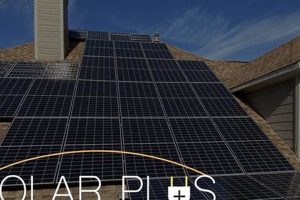
The reliance on an abundant resource facilitates the deployment of solar technologies across diverse geographic regions. From sun-drenched deserts to areas with moderate insolation, solar power systems can contribute meaningfully to the energy mix. For instance, large-scale photovoltaic installations in arid climates demonstrate the viability of converting this resource into substantial amounts of electricity. Furthermore, distributed generation, such as rooftop solar panels, enables individual households and businesses to directly benefit from the sun’s irradiance.
Ultimately, the inexhaustible nature of solar irradiance underpins the long-term sustainability of solar energy. While technological advancements continue to enhance the efficiency of solar energy conversion, the underlying principle remains constant: the consistent supply of solar energy, coupled with the ability to capture it, is what ensures the continuous and nature of this energy source, making it integral to future energy infrastructure development.
2. Continuous Replenishment

The defining characteristic of solar energy, its status as a resource, stems directly from the continuous replenishment of solar irradiance. This replenishment is a function of the sun’s ongoing nuclear fusion, a process that releases immense amounts of energy into space. A portion of this energy continuously reaches Earth, providing a constant stream of photons that can be captured and converted into usable forms of energy. Without this perpetual influx, the notion of a sustainable solar-powered future would be untenable.
The significance of this continuous supply lies in its contrast with finite resources like fossil fuels. Extracting and burning fossil fuels depletes a fixed reservoir, contributing to environmental degradation and resource scarcity. In contrast, the sun’s ongoing energy emission offers a virtually inexhaustible supply, ensuring a stable and predictable input for energy generation. Solar photovoltaic arrays, for example, convert sunlight into electricity as long as the sun shines, providing a consistent energy flow as long as the sun continues to radiate energy. Solar energy systems rely on the consistency of insolation to create a reliable energy system.
Understanding the dynamics of continuous replenishment is critical for effective energy planning and infrastructure development. It allows for the design of long-term energy strategies that are not dependent on the extraction of finite resources. While challenges such as intermittency exist, the knowledge that the source itself is consistently renewed provides a solid foundation for further innovation in storage technologies and grid management, ultimately solidifying the role of solar power in a sustainable energy future.
3. Minimal Depletion

The fundamental characteristic of solar energy as a source hinges on its minimal depletion of natural resources during operation. Unlike fossil fuel extraction and combustion, which inherently deplete finite reserves of coal, oil, and natural gas, the conversion of sunlight into electricity or heat has a negligible impact on resource availability. This aspect is a cornerstone of its definition; it represents a paradigm shift from resource-intensive energy production to a resource-conserving model. The deployment of photovoltaic systems, for example, transforms solar irradiance into usable energy without consuming or diminishing the source, the sun, in any meaningful way.
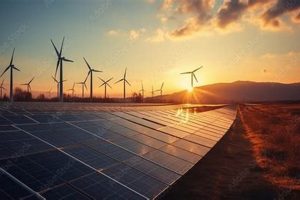
The importance of minimal depletion becomes evident when considering the long-term sustainability of energy systems. Traditional energy sources necessitate continuous extraction, leading to environmental degradation, resource scarcity, and geopolitical instability. Solar power, however, offers a pathway towards energy independence and security by relying on a perpetual and virtually inexhaustible source. This attribute also contributes to reduced environmental impacts associated with resource extraction, transportation, and waste disposal. Practical examples include large-scale solar farms that generate electricity for millions of homes without any associated resource depletion during the energy generation phase.
In conclusion, the attribute of minimal depletion is crucial for establishing solar power as a source. This aspect ensures long-term availability, reduces environmental burdens, and promotes sustainable energy practices. By embracing power, societies can mitigate the challenges associated with resource scarcity and contribute to a more resilient and environmentally responsible energy future. However, one must also consider the manufacturing processes and raw material extraction of solar panels as a resource consumption factor in their life cycle.
4. Low Emissions

The designation of solar energy as a form of stems significantly from its characteristic of emitting very little or no pollutants or greenhouse gases during operation. The process of converting sunlight into electricity via photovoltaic cells, or into heat through solar thermal systems, is inherently clean, releasing no atmospheric contaminants once the infrastructure is established. This contrasts sharply with fossil fuel combustion, which releases carbon dioxide, nitrogen oxides, sulfur dioxide, and particulate matter, all contributing to air pollution and climate change. The operational absence of significant emissions is a fundamental basis for classifying solar energy as being environmentally favorable. One can examine solar farms, for example, that generate electricity for distribution to metropolitan areas. These farms, once constructed, produce power without releasing pollutants into the atmosphere, reducing the carbon footprint associated with electricity generation.
The low-emission nature of solar power presents considerable advantages for public health and environmental protection. Reduced air pollution translates directly into fewer respiratory illnesses and other health problems, particularly in urban areas. Diminished greenhouse gas emissions contribute to mitigating the effects of climate change, such as rising sea levels, extreme weather events, and disruptions to ecosystems. Moreover, the adoption of solar technologies promotes energy independence and reduces reliance on fossil fuel imports, enhancing energy security. The implementation of large-scale solar projects in regions heavily reliant on coal-fired power plants demonstrates the potential to significantly reduce emissions and improve air quality. These projects can provide clean energy alternatives and promote a transition toward a more sustainable energy mix.
In conclusion, the characteristic of “low emissions” is integral to the classification of solar energy as . By minimizing air pollution and greenhouse gas emissions during operation, solar power contributes to a healthier environment, improved public health, and a more sustainable energy future. While challenges related to manufacturing, raw materials, and intermittency need to be addressed, the low-emission attribute remains a cornerstone of its environmental appeal. The long-term benefits of reduced pollution and climate change mitigation underscore the importance of promoting solar power as a key component of a diversified and sustainable energy portfolio.
5. Sustainable Resource

The concept of a “sustainable resource” is fundamental to the classification of solar energy as a source. This designation implies that the resource can be utilized indefinitely without depletion or irreversible environmental damage, ensuring its availability for future generations. The following points elaborate on the key facets of its sustainability in the context of sunlight capture.
- Inexhaustible Supply
The sun’s energy output, the foundation of all solar technologies, is virtually inexhaustible on a human timescale. Nuclear fusion within the sun provides a constant stream of energy, far exceeding global energy demands. This abundance eliminates concerns about resource depletion that are inherent with fossil fuels.
- Minimal Environmental Impact
Solar energy systems, during operation, produce minimal emissions and pollutants compared to traditional energy sources. The absence of combustion processes reduces greenhouse gas emissions and air pollution, contributing to a cleaner environment.
- Renewable Nature
Sunlight is a constantly replenished resource, ensuring a continuous supply of energy for capture and conversion. This contrasts sharply with finite resources that diminish with extraction and use. Regular maintenance and technology upgrades are implemented to retain high renewable nature.
- Long-Term Viability
The reliance on solar energy promotes long-term energy security and independence by reducing dependence on volatile global markets for fossil fuels. Solar installations offer a stable and predictable source of energy, enhancing resilience against geopolitical disruptions.
These facets collectively underscore the classification of solar energy as a resource. Its inexhaustible supply, minimal environmental impact, renewable nature, and long-term viability make it a cornerstone of sustainable energy strategies aimed at mitigating climate change and ensuring energy security for future generations. Continued investment in solar technologies and supportive policies are essential for maximizing the benefits of this resource.
6. Long-Term Availability

The long-term availability of solar energy is a defining attribute inextricably linked to its classification as a resource. This characteristic implies that the sun’s energy can be relied upon as a continuous and sustainable source for generations to come. This reliance is predicated on the stable and predictable nature of solar irradiance, setting it apart from finite and exhaustible energy resources.
- Stellar Lifespan
The sun, a main-sequence star, has an estimated remaining lifespan of several billion years. This extended timeframe ensures a practically limitless supply of solar energy for human consumption. While the Earth’s orbit and atmospheric conditions may fluctuate over millennia, the fundamental availability of solar radiation remains secure.
- Technological Longevity
Advances in solar technology are continually extending the operational lifespan and efficiency of photovoltaic systems. Modern solar panels are designed to function effectively for several decades, and ongoing research aims to further improve their durability and performance. This enhances the long-term economic viability of solar investments.
- Geopolitical Stability
Access to solar energy is not subject to the same geopolitical constraints as fossil fuel resources, which are concentrated in specific regions and prone to international conflicts. The widespread availability of sunlight reduces dependence on foreign energy imports and enhances national energy security, promoting long-term stability.
- Environmental Resilience
The sustained utilization of solar energy mitigates the environmental impacts associated with fossil fuel extraction and combustion. Reduced greenhouse gas emissions, decreased air pollution, and conservation of natural resources contribute to a more resilient and sustainable planet for future generations, ensuring that resource availability is guaranteed.
Collectively, these factors underscore the significance of long-term availability in defining solar energy as a . The convergence of a stable energy source with technological advancements and reduced environmental impacts solidifies solar energy’s role as a cornerstone of a sustainable energy future, providing assurance of energy access for generations to come.
7. Environmental Benefit
The term environmental benefit, when associated with solar energy, directly addresses the positive impacts on the natural world resulting from its utilization as a power source. A primary environmental benefit stems from the avoidance of fossil fuel combustion, leading to a significant reduction in greenhouse gas emissions. The implementation of solar energy systems, therefore, actively mitigates climate change by diminishing the concentration of carbon dioxide and other heat-trapping gases in the atmosphere. For example, a large-scale solar farm can offset the emissions from a coal-fired power plant, thus decreasing the overall carbon footprint of electricity generation. This reduction of pollutants from electrical energy sources directly helps to improve local air quality.
Beyond emissions reduction, this system often entails fewer disruptions to ecosystems compared to the extraction, transportation, and processing of fossil fuels. Solar installations, while requiring land use, generally minimize habitat fragmentation and pollution associated with mining, drilling, and pipeline construction. Furthermore, many solar projects are designed to incorporate biodiversity conservation measures, such as creating pollinator habitats or restoring degraded lands. A practical application involves integrating solar panels into building design (Building-integrated photovoltaics), reducing the need for expansive land use and maximizing energy generation within existing structures.
In summation, the environmental benefits derived from solar energy are integral to its classification as a form of . The avoidance of greenhouse gas emissions, reduced pollution, and minimal disruption to ecosystems are substantial contributions to environmental sustainability. Acknowledging and quantifying these benefits is crucial for promoting the widespread adoption of solar power and transitioning to a cleaner, more sustainable energy future. Understanding the full life cycle of solar panel production and disposal is crucial in assessing the net environmental benefits.
Frequently Asked Questions
The following questions address common inquiries regarding the characteristics of solar energy and its standing as a renewable energy source.
Question 1: What defines solar energy as a renewable resource?
Solar energy is classified as a resource due to its reliance on sunlight, a virtually inexhaustible source of energy derived from the sun’s nuclear fusion. This process ensures a continuous and sustainable supply for human use.
Question 2: How does solar energy compare to fossil fuels in terms of renewability?
Unlike fossil fuels, which are finite and exhaustible, solar energy is constantly replenished by the sun. This inherent renewability distinguishes solar power as a sustainable alternative to traditional energy sources.
Question 3: Does the intermittency of sunlight affect its status as a renewable resource?
While sunlight is intermittent due to weather patterns and the day-night cycle, this does not negate its classification as a source. Energy storage technologies and grid management strategies mitigate the effects of intermittency, ensuring a reliable energy supply.
Question 4: What are the primary environmental benefits associated with power?
Power offers significant environmental benefits, including reduced greenhouse gas emissions, decreased air pollution, and minimal disruption to ecosystems compared to fossil fuel-based energy production.
Question 5: How does solar energy contribute to long-term energy security?
Solar power enhances long-term energy security by reducing dependence on finite fossil fuel reserves and volatile global markets. The widespread availability of sunlight promotes energy independence and resilience.
Question 6: Is the manufacturing of solar panels environmentally friendly, and how does this impact its classification as a source?
The manufacturing of solar panels does involve some environmental impacts, including resource extraction and energy consumption. However, ongoing advancements in manufacturing processes and recycling technologies are minimizing these impacts, further solidifying the classification as an environmentally preferable energy option.
In summary, the combination of a virtually inexhaustible energy source, minimal environmental impact during operation, and long-term availability firmly establishes power as a crucial component of a sustainable energy future.
The next section will discuss future trends in the use of power.
What is Solar Energy Renewable
This exploration has established that solar energy’s classification as a stems from its reliance on a virtually inexhaustible resource. The sun’s consistent energy output, coupled with minimal operational emissions and the potential for long-term availability, underpins its sustainable nature. Furthermore, technological advancements continue to enhance the efficiency and reduce the environmental impact of energy capture and conversion, solidifying its position as a viable alternative to finite fossil fuels. The combination of abundant resource availability, the fact that the energy source replenishes naturally, and overall sustainability support this assertion.
The transition towards a power-based energy system necessitates continued investment in research, development, and deployment. Addressing challenges related to intermittency, energy storage, and responsible manufacturing practices remains crucial. The future energy landscape depends on informed decisions that prioritize long-term sustainability and environmental stewardship, and solar power, is proven as a strategic consideration in that advancement.