Hydraulic fracturing, often termed fracking, is a well stimulation technique involving injecting a mixture of water, sand, and chemicals under high pressure into shale rock formations. This process creates fractures in the rock, allowing previously trapped natural gas and oil to flow more freely to the wellbore for extraction. The crucial question revolves around the sustainability of this energy acquisition method.
The significance of this discussion stems from the growing need for energy resources and the concurrent drive towards environmentally responsible practices. Historically, fracking has been a subject of debate due to its potential environmental impact, including water contamination, induced seismicity, and greenhouse gas emissions. The perception of its environmental footprint plays a vital role in determining its long-term viability within the global energy landscape.
Examining the characteristics of the energy resources extracted via hydraulic fracturing is crucial. Differentiating between renewable and non-renewable energy sources is essential for understanding the position of fracking within the context of sustainable energy solutions. The following sections will delve into the nature of the resources obtained through this technique and its classification.
Considerations Regarding Hydraulic Fracturing and Sustainable Energy
The following guidelines are intended to offer insights into the complex relationship between hydraulic fracturing and renewable energy resources. These points highlight key aspects to consider when evaluating the sustainability of this extraction method.
Tip 1: Recognize that the extracted resources are finite. Natural gas and oil, the primary outputs of hydraulic fracturing, are fossil fuels formed over millions of years. Their extraction depletes a fixed reserve.
Tip 2: Differentiate between flow rate and renewal rate. While fracturing can increase the rate at which fossil fuels are extracted, it does not replenish them. Renewal implies a continuous cycle within a human timeframe.
Tip 3: Assess the environmental impact of the extraction process. The environmental consequences of fracking, including water usage and potential contamination, can significantly affect its overall sustainability profile.
Tip 4: Evaluate the carbon footprint associated with hydraulic fracturing. Consider the greenhouse gas emissions released during the extraction, transportation, and combustion of the fossil fuels obtained.
Tip 5: Research advancements in mitigating environmental harm. Technological developments focused on reducing the negative impacts of fracking may improve its environmental sustainability, but these improvements do not fundamentally alter the nature of the resource extracted.
Tip 6: Prioritize transparency regarding chemical disclosure. Public access to information regarding the chemicals used in the fracturing process allows for more informed assessments of potential environmental and health risks.
These considerations are crucial for forming a nuanced understanding of the role hydraulic fracturing plays within the broader energy sector. A comprehensive evaluation requires balancing energy needs with environmental responsibility.
The conclusion of this article will further synthesize these perspectives to clarify the classification of energy derived from hydraulic fracturing.
1. Fossil fuel extraction.

Fossil fuel extraction is intrinsically linked to the question of hydraulic fracturing as a renewable energy source. Hydraulic fracturing, by its very nature, serves as a method for fossil fuel extraction. It is employed to recover natural gas and oil, both classified as fossil fuels, from shale rock formations that would otherwise be economically inaccessible. The act of fracturing the rock facilitates the release and subsequent extraction of these trapped resources. Therefore, fossil fuel extraction represents the fundamental purpose and direct outcome of hydraulic fracturing operations. This connection establishes a critical foundation for determining whether hydraulic fracturing aligns with the principles of renewable energy.
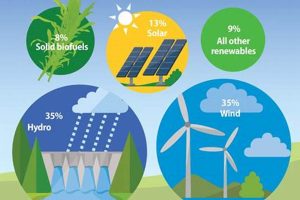
The importance of recognizing this connection lies in understanding the origin and characteristics of the resources involved. Fossil fuels are formed over millions of years from the remains of ancient organic matter. This process implies a finite supply; once extracted and consumed, the resource cannot be replenished within a human timescale. In contrast, renewable energy sources, such as solar and wind, are continuously replenished by natural processes. Given that hydraulic fracturing is employed to extract these finite fossil fuel resources, it directly contradicts the definition of renewable energy, which relies on resources that are naturally replenished. For example, a hydraulic fracturing well in the Marcellus Shale formation extracts natural gas. While the extracted gas can generate electricity, that gas cannot be replaced by natural processes in a timely manner, unlike sunlight used by solar panels.
In summary, the link between fossil fuel extraction and hydraulic fracturing is definitive: hydraulic fracturing is a method used to extract fossil fuels. This extraction inherently involves the consumption of a non-renewable resource. Consequently, hydraulic fracturing cannot be classified as a renewable energy source, irrespective of any technological advancements aimed at mitigating its environmental impact. The practical significance of this understanding is that it emphasizes the need for developing and transitioning towards truly renewable and sustainable energy sources to address long-term energy security and environmental concerns.
2. Finite resource depletion.

The concept of finite resource depletion is inextricably linked to the inquiry regarding the classification of hydraulic fracturing as a renewable energy source. Hydraulic fracturing serves as a technique to extract fossil fuels, specifically natural gas and oil, from subsurface formations. The fundamental characteristic of these resources is that they are finite; their quantity is limited and cannot be replenished within a relevant timeframe, such as a human lifetime or even centuries. This contrasts sharply with renewable resources, which are continuously replenished by natural processes. The act of extracting and consuming these fossil fuels, facilitated by hydraulic fracturing, directly contributes to the depletion of a limited global reserve.
The importance of finite resource depletion lies in its long-term implications for energy security and environmental sustainability. As hydraulic fracturing accelerates the extraction of fossil fuels, it simultaneously accelerates the depletion of these reserves. This necessitates the consideration of alternative energy sources and more efficient energy consumption patterns. For example, the intensive exploitation of shale gas reserves in the United States through hydraulic fracturing has led to increased domestic gas production but also to concerns about the long-term sustainability of this production rate. Once the easily accessible reserves are exhausted, future extraction may become more challenging and expensive, further emphasizing the limited nature of the resource. This situation mirrors the broader global concern about the depletion of conventional oil reserves, driving research into alternative energy sources and enhanced recovery techniques.
In conclusion, the connection between hydraulic fracturing and finite resource depletion is clear and critical. Hydraulic fracturing enables the extraction of finite fossil fuels, thereby contributing to the eventual exhaustion of these resources. This understanding highlights the imperative for transitioning towards renewable energy sources and adopting sustainable practices to mitigate the long-term consequences of finite resource depletion. The classification of hydraulic fracturing as a non-renewable energy extraction method underscores the need for proactive measures to address the energy challenges of the future.
3. Non-renewable energy form.

The categorization of energy resources as either renewable or non-renewable is fundamental to evaluating the sustainability of extraction methods like hydraulic fracturing. The energy derived via hydraulic fracturing is undeniably a non-renewable energy form, directly impacting its classification within the sustainable energy landscape. This determination rests on the nature of the source material and the time scales involved in its formation.
- Fossil Fuel Origins
Natural gas and oil, the primary products obtained through hydraulic fracturing, are fossil fuels. These substances are formed over millions of years from the decomposition of organic matter under specific geological conditions. This protracted formation period fundamentally distinguishes them from renewable resources, which are replenished within human-relevant timeframes. The energy stored within these fossil fuels is a consequence of ancient sunlight captured through photosynthesis, converted into chemical energy, and subsequently stored within the earth. Example: The Utica Shale formation, a target for hydraulic fracturing, contains natural gas that originated from organic-rich sediments deposited during the Ordovician period, approximately 450 million years ago. The implications are that their extraction depletes a finite reserve, contributing to climate change when combusted, and necessitating careful consideration of resource management.
- Depletion Rates vs. Replenishment Rates
The rate at which fossil fuels are extracted through hydraulic fracturing far exceeds the rate at which they can be naturally replenished. Renewable energy sources, such as solar and wind, are continuously replenished by natural processes. In contrast, the extraction of fossil fuels represents a one-way flow from a fixed reserve, contributing to resource depletion. Example: While new organic matter is continuously being deposited and potentially forming fossil fuels over geological timescales, the extraction rates associated with hydraulic fracturing represent an almost instantaneous consumption of a resource that took millions of years to create. The implication is that reliance on fossil fuels extracted through hydraulic fracturing is inherently unsustainable in the long term.
- Carbon Cycle Disruption
Fossil fuels, including those extracted via hydraulic fracturing, represent stored carbon that has been sequestered from the atmosphere for millions of years. Burning these fuels releases this stored carbon back into the atmosphere as carbon dioxide (CO2), a primary greenhouse gas. This disruption of the carbon cycle contributes to climate change and exacerbates the environmental challenges associated with energy production. Example: The combustion of natural gas extracted via hydraulic fracturing releases CO2, which contributes to the greenhouse effect. While natural gas may produce less CO2 per unit of energy than coal, the scale of its extraction and combustion, coupled with methane leakage during the process, can still significantly impact the global carbon budget. The implication is that the widespread use of fossil fuels extracted through hydraulic fracturing contributes to the ongoing disruption of the carbon cycle and the acceleration of climate change.
- Resource Scarcity Considerations
The finite nature of fossil fuel reserves necessitates strategic resource management and consideration of future energy needs. As readily accessible reserves are depleted, extraction becomes more challenging and expensive, potentially leading to increased energy prices and geopolitical instability. Hydraulic fracturing expands access to previously inaccessible reserves, but it does not alter the fundamental fact that these reserves are finite. Example: As conventional oil and gas reserves decline, hydraulic fracturing has enabled the exploitation of shale gas and tight oil formations. However, the long-term sustainability of these resources is uncertain, and their extraction involves significant environmental challenges. The implication is that relying solely on hydraulic fracturing to meet energy demands is a short-sighted approach that does not address the underlying issue of resource scarcity and the need for transitioning to more sustainable energy sources.
These considerations emphasize that the classification of energy extracted via hydraulic fracturing as a non-renewable energy form is well-founded. This determination is not merely a semantic exercise but rather a fundamental recognition of the resource’s origin, depletion characteristics, and environmental impact. Recognizing the non-renewable nature of energy derived from hydraulic fracturing necessitates prioritizing the development and deployment of genuinely sustainable, renewable energy alternatives to ensure long-term energy security and environmental stewardship.
4. Environmental consequence concerns.

Environmental consequence concerns are intrinsically linked to the evaluation of hydraulic fracturing’s classification as a renewable energy source. The process of hydraulic fracturing, while enabling access to previously inaccessible fossil fuel reserves, raises significant environmental concerns that directly contradict the principles of renewable energy. Renewable energy sources, by definition, are sustainable and have minimal environmental impact. The environmental challenges associated with hydraulic fracturing, however, cast serious doubt on its long-term viability as a sustainable energy solution. Example: Documented cases of groundwater contamination near fracking sites illustrate the potential for irreversible damage to water resources, a crucial element for ecological balance. A renewable energy extraction method would not pose such threats.
The specific environmental consequences stemming from hydraulic fracturing include: water contamination due to chemical leakage or spills, induced seismicity resulting from wastewater injection, air pollution from methane emissions and volatile organic compounds, and habitat disruption from well pad construction and infrastructure development. The extensive water usage associated with fracking also exacerbates water scarcity issues in arid regions. For example, the disposal of large volumes of wastewater generated during fracking poses significant logistical and environmental challenges, potentially leading to surface water contamination if not properly managed. These impacts necessitate rigorous environmental regulations and monitoring to mitigate the potential damage, adding to the operational costs and complexity of hydraulic fracturing. This necessitates that Environmental Impact Assessments are carried out prior to undertaking any fracking activities.
In conclusion, the environmental consequence concerns associated with hydraulic fracturing directly challenge its characterization as a renewable energy source. The potential for water contamination, induced seismicity, air pollution, and habitat disruption undermines the fundamental principles of sustainability inherent in renewable energy. Therefore, a comprehensive assessment of energy sources must incorporate a thorough evaluation of their environmental footprint, leading to the classification of hydraulic fracturing as a non-renewable energy extraction method with substantial environmental liabilities. This understanding emphasizes the critical need to prioritize the development and deployment of truly sustainable and environmentally benign energy alternatives.
5. Carbon footprint significance.

The carbon footprint significance is a pivotal aspect in determining whether hydraulic fracturing can be considered a renewable energy source. Hydraulic fracturing, a method employed to extract natural gas and oil, involves the release of greenhouse gases at various stages, including drilling, extraction, processing, transportation, and combustion. These emissions contribute directly to the overall carbon footprint, which measures the total greenhouse gas emissions caused by an activity or entity. The degree to which hydraulic fracturing contributes to this footprint is a key determinant of its environmental sustainability. For example, methane, a potent greenhouse gas, can leak during fracking operations. Even small leaks can have a significant impact due to methane’s high global warming potential. This consideration significantly affects the evaluation of hydraulic fracturing as a potentially renewable resource.
Analysis of the carbon footprint associated with hydraulic fracturing requires a comprehensive life cycle assessment. This assessment takes into account all emissions from well construction to the end-use combustion of the extracted natural gas. Data on methane leakage rates, energy consumption during extraction, and emissions from transportation are crucial for accurately quantifying the carbon footprint. The implementation of technologies aimed at reducing methane leakage, such as improved well integrity and leak detection systems, can help mitigate the carbon footprint of fracking. However, even with such technological advancements, the carbon footprint associated with the extraction and combustion of fossil fuels remains a significant concern. Practical applications of this understanding include informing policy decisions regarding energy source selection and promoting investment in cleaner energy alternatives.
In summary, the significance of the carbon footprint associated with hydraulic fracturing is paramount in determining its environmental sustainability and whether it can be classified as a renewable energy source. The greenhouse gas emissions released during the process contribute to climate change, thereby conflicting with the fundamental principles of renewable energy. Although mitigation strategies can reduce the carbon footprint to some extent, the inherent nature of fossil fuel extraction implies a substantial carbon impact. Understanding this connection is crucial for promoting a transition toward cleaner and more sustainable energy sources, addressing the pressing challenges of climate change and ensuring long-term energy security.
6. Sustainable alternatives lacking.

The absence of readily available and economically viable sustainable alternatives significantly influences the discourse surrounding hydraulic fracturing and its classification as a renewable energy source. Hydraulic fracturing, while facing environmental scrutiny, provides access to substantial reserves of natural gas, often presented as a bridge fuel in the transition away from coal and towards cleaner energy sources. The fact that truly sustainable alternatives capable of meeting current energy demands at a comparable cost and scale are not yet widely implemented creates a reliance on hydraulic fracturing, despite its inherent limitations as a non-renewable resource. Example: Many nations continue to depend on hydraulic fracturing due to the intermittent nature of renewable sources and the current limitations of energy storage technologies. Therefore, sustainable alternative lacking leads to continuous high demand and consumption of energy derived from fracking activities.
The practical consequence of this situation is a continued investment in hydraulic fracturing infrastructure and technology, effectively delaying the transition to genuinely sustainable energy solutions. Moreover, the perceived economic benefits of hydraulic fracturing, such as job creation and energy independence, often overshadow the long-term environmental costs. The limited availability of sustainable alternatives also affects policy decisions, with governments often incentivizing hydraulic fracturing to ensure energy security and affordability, while simultaneously promoting renewable energy development. For example, if solar panel production is too small to replace energy needs for a particular city, even with many homes and building covered in them, there will still be a high reliance on fracking activities for energy provision to meet high energy demands.
In conclusion, the lack of robust, readily deployable sustainable alternatives reinforces the dependence on hydraulic fracturing, despite its environmental drawbacks. This situation highlights the urgency of accelerating the development, deployment, and cost reduction of renewable energy technologies, energy storage solutions, and energy efficiency measures. Addressing this gap is crucial not only for mitigating the environmental impacts of hydraulic fracturing but also for ensuring a sustainable and secure energy future. The absence of viable alternatives does not, however, alter the fundamental classification of hydraulic fracturing as a non-renewable energy extraction method.
7. Long-term energy planning.

Long-term energy planning necessitates a comprehensive evaluation of various energy sources, their respective limitations, and their potential contributions to a sustainable energy future. The determination of whether hydraulic fracturing constitutes a renewable energy source is a critical element within this planning process.
- Resource Availability and Depletion
Long-term energy planning requires assessing the availability and depletion rates of different energy resources. Hydraulic fracturing extracts fossil fuels, a finite resource. Unlike renewable energy sources that are naturally replenished, fossil fuels are subject to depletion, necessitating a strategic consideration of alternative energy sources over the long term. Example: Planning models must account for the decline in production from shale gas wells over time and the potential exhaustion of economically viable reserves.
- Environmental Impact Mitigation
Effective long-term energy planning must integrate strategies for mitigating the environmental impacts of energy production. Hydraulic fracturing is associated with environmental concerns, including water contamination, induced seismicity, and greenhouse gas emissions. Addressing these impacts through technological advancements and regulatory frameworks is crucial for ensuring the long-term sustainability of energy production. Example: Incorporating carbon capture and storage technologies into hydraulic fracturing operations could potentially reduce greenhouse gas emissions, but the economic viability and scalability of these technologies must be carefully evaluated.
- Infrastructure Investment and Transition
Long-term energy planning involves substantial infrastructure investments and a potential transition from existing energy systems to new technologies. Hydraulic fracturing relies on infrastructure for extraction, processing, and transportation of natural gas. Planning for a transition to renewable energy sources requires investments in new infrastructure, such as solar farms, wind turbines, and energy storage systems. Example: Investments in natural gas pipelines to transport gas extracted via hydraulic fracturing may become stranded assets if there is a rapid shift towards renewable energy sources. The planning must account for the economic and social implications of this transition.
- Energy Security and Diversification
Ensuring energy security through diversification of energy sources is a key objective of long-term energy planning. Reliance on a single energy source, such as natural gas extracted via hydraulic fracturing, can expose a nation to price volatility and geopolitical risks. Diversifying the energy mix by incorporating renewable energy sources, nuclear power, and other alternatives enhances energy security and resilience. Example: Developing a portfolio of energy sources, including solar, wind, hydro, and natural gas, can mitigate the risks associated with fluctuating prices and supply disruptions.
These considerations highlight the importance of a comprehensive and integrated approach to long-term energy planning. Acknowledging that hydraulic fracturing is not a renewable energy source is essential for developing realistic and sustainable energy policies. A long-term energy strategy needs to emphasize the development and deployment of renewable energy technologies, energy storage solutions, and energy efficiency measures, while carefully managing the environmental and social impacts of all energy sources.
Frequently Asked Questions
This section addresses common inquiries regarding the classification of hydraulic fracturing within the context of renewable energy.
Question 1: What resources are extracted via hydraulic fracturing, and why are they considered non-renewable?
Hydraulic fracturing is primarily employed to extract natural gas and oil from shale rock formations. These resources are classified as fossil fuels, formed over millions of years from the remains of ancient organic matter. The lengthy formation process renders them non-renewable, as they cannot be replenished within a human timescale.
Question 2: Does hydraulic fracturing contribute to greenhouse gas emissions, and how does this impact its sustainability?
Yes, hydraulic fracturing contributes to greenhouse gas emissions through several pathways, including methane leakage during extraction and transportation, as well as carbon dioxide emissions from combustion. These emissions contribute to climate change and conflict with the principles of sustainable energy.
Question 3: What are the potential environmental consequences associated with hydraulic fracturing operations?
Environmental concerns include water contamination due to chemical spills or leakage, induced seismicity from wastewater injection, air pollution from methane and volatile organic compounds, and habitat disruption. These impacts raise serious questions about the environmental sustainability of hydraulic fracturing.
Question 4: Can technological advancements mitigate the environmental impact of hydraulic fracturing, and does this make it renewable?
While technological advancements can potentially reduce some of the environmental impacts of hydraulic fracturing, they do not alter the fundamental non-renewable nature of the extracted resources. Mitigation efforts do not replenish fossil fuel reserves.
Question 5: How does the finite nature of fossil fuels extracted through hydraulic fracturing influence long-term energy planning?
The finite nature of fossil fuels necessitates careful long-term energy planning that considers alternative energy sources and strategies for mitigating the environmental consequences of fossil fuel extraction. Reliance on hydraulic fracturing alone is not a sustainable long-term energy strategy.
Question 6: What is the role of renewable energy sources in the context of hydraulic fracturing?
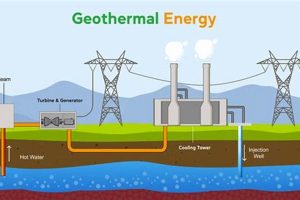
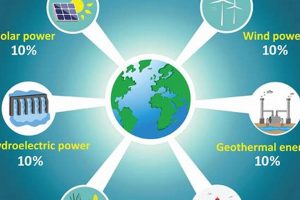
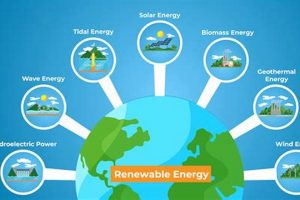
Renewable energy sources, such as solar, wind, and geothermal, offer sustainable alternatives to fossil fuels and are essential for transitioning towards a cleaner energy future. The development and deployment of renewable energy technologies can reduce reliance on hydraulic fracturing and mitigate its associated environmental impacts.
The information presented herein clarifies the classification of hydraulic fracturing as a non-renewable energy extraction method, emphasizing the importance of transitioning to sustainable energy solutions.
The following section will offer a summary and conclusion, consolidating the key points discussed and reiterating the need for a comprehensive approach to energy sustainability.
Conclusion
This exploration has definitively established that hydraulic fracturing does not align with the characteristics of renewable energy sources. The practice involves the extraction of finite fossil fuels, namely natural gas and oil, formed over geological timescales. This extraction leads to resource depletion, environmental consequence, and a notable carbon footprint. While technological advancements may mitigate some adverse effects, they do not alter the fundamental non-renewable nature of the extracted resources. The limited availability of sustainable alternatives, while influencing energy planning, does not reclassify the process.
The imperative remains to accelerate the transition toward genuinely sustainable energy solutions. A comprehensive and informed approach to energy planning, acknowledging the limitations of hydraulic fracturing, is essential. Prioritizing the development, deployment, and widespread adoption of renewable energy technologies is crucial for ensuring long-term energy security and mitigating the environmental challenges facing the planet.