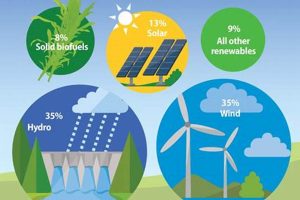
Biodiesel represents a fuel derived from renewable biomass sources, such as vegetable oils, animal fats, or recycled greases. These feedstocks undergo a chemical process, typically transesterification, to produce a fuel that can be used in diesel engines, either in its pure form or blended with conventional petroleum diesel. A common example is the conversion of soybean oil into a methyl ester fuel, which then powers vehicles designed for diesel operation.
The significance of this fuel lies in its potential to reduce reliance on fossil fuels and mitigate greenhouse gas emissions. Utilizing renewable resources minimizes the depletion of finite energy reserves. Historically, interest in this fuel has surged during periods of high petroleum prices and heightened environmental awareness, driving research and development efforts to improve its production efficiency and sustainability. Its adoption contributes to energy security by diversifying fuel sources and supporting agricultural economies.
The following sections will delve into the lifecycle analysis of this fuel to assess its environmental impact, explore the sustainability considerations associated with its production, and examine the technological advancements shaping its future. Feedstock availability and its impact on food security will also be addressed. Finally, a comparative analysis will be presented, contrasting it with other alternative fuels to provide a comprehensive understanding of its role in the evolving energy landscape.
Maximizing the Benefits of Biodiesel
The following guidance offers insights into optimizing the use and understanding of biodiesel as a component of a sustainable energy strategy.
Tip 1: Source Certified Sustainable Feedstocks: Prioritize biodiesel production derived from feedstocks certified by recognized sustainability standards (e.g., Roundtable on Sustainable Biomaterials). This ensures that production practices minimize environmental impact and avoid deforestation.
Tip 2: Conduct Regular Fuel Quality Testing: Implement routine testing of biodiesel fuel samples to verify compliance with relevant standards (e.g., ASTM D6751 or EN 14214). This helps to prevent engine damage and ensures optimal performance.
Tip 3: Employ Appropriate Storage Practices: Store biodiesel in sealed, opaque containers in a cool, dry environment to minimize degradation due to oxidation and microbial growth. Consider using a fuel stabilizer to extend shelf life.
Tip 4: Manage Cold Weather Operation Carefully: Biodiesel can exhibit gelling issues in cold weather. Use cold flow improvers or blend biodiesel with petroleum diesel to lower the cloud point and pour point, ensuring reliable operation in low temperatures.
Tip 5: Regularly Monitor Engine Performance: Observe engine performance for any signs of fuel-related issues, such as decreased power, increased fuel consumption, or injector clogging. Implement a preventative maintenance schedule to address any potential problems promptly.
Tip 6: Promote Public Awareness and Education: Educate stakeholders, including consumers and policymakers, about the benefits and limitations of biodiesel. This fosters informed decision-making and encourages the responsible adoption of the fuel.
Tip 7: Support Research and Development: Advocate for continued investment in research and development to improve biodiesel production efficiency, expand feedstock options, and enhance fuel properties. This can lead to more sustainable and cost-effective biodiesel production.
Adhering to these principles can contribute to realizing the full potential of biodiesel as a valuable component of a diversified and sustainable energy portfolio.
The subsequent sections will address common misconceptions and explore the future trends shaping the role of biodiesel in the energy sector.
1. Biomass Origin

The classification of biodiesel as a renewable energy source is inextricably linked to its biomass origin. The feedstocks used to create biodiesel, such as vegetable oils, animal fats, and algae, are derived from recently living organisms or their byproducts. This is crucial because the carbon released during the combustion of biodiesel is theoretically offset by the carbon absorbed by these biomass sources during their growth. The specific source dictates the overall environmental impact; for example, biodiesel from sustainably farmed soybeans will have a different carbon footprint than that produced from waste cooking oil.
The origin directly impacts the renewability assertion in several ways. If the biomass source requires extensive land clearing, irrigation, or fertilizer use, the associated carbon emissions and environmental degradation can negate the benefits of using a renewable fuel. Conversely, biodiesel derived from waste streams or algae grown on non-arable land offers a more sustainable pathway. For example, the expansion of palm oil plantations for biodiesel production in Southeast Asia has been criticized for contributing to deforestation and habitat loss, thereby undermining the renewable nature of the resulting fuel.
Therefore, the term “renewable” when applied to biodiesel must be qualified by an understanding of the biomass origin and its associated lifecycle impacts. While biodiesel can be a renewable energy source, its actual sustainability depends on responsible feedstock sourcing and production practices that minimize environmental burdens. A focus on waste-derived feedstocks and sustainable farming practices is essential to realize the full potential of biodiesel as a genuinely renewable alternative to fossil fuels.
2. Lifecycle Emissions

Lifecycle emissions are a critical determinant in assessing whether biodiesel genuinely qualifies as a renewable energy source. A comprehensive analysis extends beyond the emissions released during combustion and encompasses all stages, from feedstock cultivation to fuel production and distribution.
- Feedstock Production Emissions
This encompasses emissions from agricultural activities such as fertilizer application, pesticide use, and machinery operation. The type of feedstock significantly influences this stage; for instance, soybean cultivation often involves higher fertilizer inputs compared to waste cooking oil recycling. Deforestation for feedstock cultivation dramatically increases emissions, undermining any potential benefits of the resulting fuel.
- Biodiesel Conversion Emissions
The transesterification process, which converts feedstocks into biodiesel, requires energy input, typically from fossil fuels. The source of this energywhether from renewable sources or from coal-fired power plantshas a direct impact on lifecycle emissions. Inefficient conversion processes also release greenhouse gases, reducing the net environmental benefit.
- Transportation and Distribution Emissions
The transportation of feedstocks and finished biodiesel from production sites to consumers contributes to overall emissions. The distance travelled and mode of transporttruck, rail, or shipdetermine the magnitude of these emissions. Localized production and consumption reduce transportation needs and associated emissions.
- Combustion Emissions
While biodiesel combustion generally produces lower net carbon dioxide emissions compared to petroleum diesel, it can result in higher emissions of other pollutants such as nitrogen oxides (NOx). The engine type, fuel blend, and combustion conditions influence the specific emission profile. Catalytic converters and other emission control technologies can mitigate these pollutants.
The overall lifecycle emissions profile determines whether biodiesel truly offers a reduction in greenhouse gas emissions compared to conventional fossil fuels. A negative lifecycle emissions balance indicates that the fuel’s production and use actually increase greenhouse gas concentrations in the atmosphere, negating its status as a renewable and sustainable energy source. Rigorous lifecycle assessments are essential to ensure that biodiesel genuinely contributes to mitigating climate change.
3. Land Use Impact

Land use impact is a critical factor in determining the true renewability of biodiesel. The cultivation of feedstocks for biodiesel production necessitates land allocation, which can have profound consequences for ecosystems, biodiversity, and food security. Large-scale land conversion for energy crops, such as soybeans or palm oil, can lead to deforestation, habitat loss, and soil degradation, potentially negating the environmental benefits of using a renewable fuel. For instance, the expansion of palm oil plantations in Southeast Asia has been linked to significant deforestation and the displacement of indigenous communities. This illustrates how the land use practices associated with biodiesel production can undermine its claim as a sustainable energy alternative.
Furthermore, competition for land between food crops and energy crops raises concerns about food security and rising food prices. If land that could be used for food production is instead dedicated to biofuel feedstock cultivation, it can exacerbate food shortages and price volatility, particularly in developing countries. Brazil’s sugarcane ethanol industry, while providing a renewable fuel source, has also faced scrutiny regarding its impact on land use and its potential to displace food crops. Sustainable land management practices, such as utilizing marginal lands or integrating biofuel feedstock production with existing agricultural systems, are essential to minimize these adverse effects. Furthermore, the adoption of advanced biofuel technologies that can utilize non-food feedstocks, such as algae or cellulosic biomass, can significantly reduce the land use footprint of biofuel production.
In conclusion, the land use impact is an indispensable consideration in evaluating the renewability of biodiesel. While biodiesel can offer a renewable energy pathway, its sustainability hinges on responsible land management practices that minimize environmental degradation, protect biodiversity, and ensure food security. A comprehensive assessment of the entire lifecycle of biodiesel, including its land use implications, is crucial for making informed decisions about its role in a sustainable energy future. The development and deployment of advanced biofuel technologies that reduce land use requirements are essential for realizing the full potential of biodiesel as a truly renewable and environmentally sound energy source.
4. Water Consumption
Water consumption represents a crucial, and often overlooked, aspect in evaluating the sustainability and renewability of biodiesel as an energy source. The production of biodiesel feedstocks, as well as the conversion process itself, demands significant water resources. The availability and management of these resources directly impact the environmental footprint and overall viability of biodiesel as a renewable alternative to fossil fuels.
- Irrigation Requirements for Feedstock Cultivation
Many common biodiesel feedstocks, such as soybeans, corn, and oilseed crops, necessitate substantial irrigation, particularly in regions with limited rainfall. The extraction of water for irrigation can deplete aquifers, reduce river flows, and disrupt aquatic ecosystems. For example, large-scale soybean cultivation in South America has been linked to water scarcity and reduced water quality in some areas. The renewability of biodiesel is compromised when its production relies on unsustainable water extraction practices that harm local environments.
- Water Use in Biodiesel Processing
The transesterification process, which converts vegetable oils or animal fats into biodiesel, requires water for washing the fuel to remove impurities and byproducts. This water must be treated before disposal to prevent pollution. Inefficient water management during biodiesel processing can lead to contamination of water resources and increased operational costs. Biodiesel production facilities should implement water recycling and treatment technologies to minimize their water footprint and ensure sustainable operations.
- Impact on Water Quality
Agricultural runoff from feedstock cultivation can contaminate water bodies with fertilizers, pesticides, and sediment. These pollutants degrade water quality, harm aquatic life, and increase the cost of water treatment for human consumption. Furthermore, spills or leaks of biodiesel during transportation or storage can also contaminate water resources. Implementing best management practices in agriculture and biodiesel handling is essential to protect water quality and preserve the environmental integrity of biodiesel production.
- Water Competition in Arid Regions
In arid and semi-arid regions, water resources are scarce and competition for water is intense. Using water for biodiesel feedstock cultivation can exacerbate water scarcity issues and create conflicts between agriculture, industry, and domestic water users. For example, in the southwestern United States, the cultivation of algae for biodiesel production faces challenges related to water availability and the potential impact on local ecosystems. Prioritizing the use of drought-resistant feedstocks and developing water-efficient production technologies are crucial for ensuring the sustainability of biodiesel in water-stressed environments.
The multifaceted relationship between water consumption and biodiesel’s renewability underscores the need for careful resource management and sustainable production practices. While biodiesel offers the potential to reduce reliance on fossil fuels, its environmental benefits can be undermined if water resources are not managed responsibly. Addressing the water-related challenges associated with biodiesel production is essential for realizing its full potential as a truly renewable and sustainable energy source. This requires a comprehensive approach that considers the entire lifecycle of biodiesel, from feedstock cultivation to fuel production and end use, and that integrates water management into all stages of the process.
5. Waste Products

The designation of biodiesel as a renewable energy source is significantly influenced by the management and utilization of waste products generated during its production. The origin and fate of these waste streams determine, in part, the overall environmental impact and sustainability profile of the fuel. Waste products include glycerol, fatty acid methyl esters (FAME), spent catalysts, and wastewater, each requiring careful handling to prevent pollution and maximize resource recovery. Improper disposal of these byproducts can negate the environmental benefits associated with biodiesel production, potentially rendering it a less sustainable option compared to fossil fuels. For example, untreated discharge of glycerol-rich wastewater can lead to water contamination, disrupting aquatic ecosystems and posing risks to human health. A crucial aspect of sustainable biodiesel production involves converting these waste products into valuable resources, thereby minimizing environmental harm and enhancing the economic viability of the process.
One prominent example of waste product utilization is the conversion of glycerol into higher-value chemicals or biofuels. Glycerol, a byproduct of the transesterification process, can be refined and used in pharmaceuticals, cosmetics, or as a feedstock for producing other biofuels, such as biogas. Similarly, spent catalysts can be recycled or repurposed, reducing the need for virgin materials and minimizing waste disposal. Furthermore, wastewater can be treated and reused in the biodiesel production process, reducing water consumption and minimizing discharge of pollutants. The integration of these waste valorization strategies into biodiesel production facilities not only reduces environmental impacts but also creates new revenue streams, enhancing the economic competitiveness of biodiesel compared to petroleum-based fuels. Successful implementation of these strategies requires technological innovation, efficient process design, and supportive regulatory frameworks that incentivize waste minimization and resource recovery.
In summary, the effective management and valorization of waste products is integral to validating biodiesel’s claim as a renewable energy source. By transforming waste streams into valuable resources, the environmental footprint of biodiesel production can be significantly reduced, while simultaneously enhancing its economic viability. Addressing the challenges associated with waste management requires a holistic approach that encompasses technological innovation, process optimization, and policy support. The transition to a circular economy model, where waste is minimized and resources are continuously recycled, is essential for realizing the full potential of biodiesel as a truly sustainable and renewable energy alternative.
Frequently Asked Questions Regarding Biodiesel as a Renewable Energy Source
The following questions address common inquiries and misconceptions concerning the classification of biodiesel as a renewable energy resource. The answers provide factual information based on current scientific understanding and industry practices.
Question 1: What qualifies a fuel as a renewable energy source?
A fuel is considered renewable if its source is naturally replenished within a human timescale. This typically involves biomass derived from recently living organisms, such as plants or algae. The carbon released during combustion is theoretically offset by the carbon absorbed during the growth of these organisms.
Question 2: Is all biodiesel inherently renewable?
No. While biodiesel is derived from renewable biomass sources, its overall renewability depends on sustainable production practices. Factors such as land use change, fertilizer application, and water consumption during feedstock cultivation can impact the fuel’s net environmental benefit.
Question 3: How are the lifecycle emissions of biodiesel evaluated?
Lifecycle emissions assessments analyze greenhouse gas emissions at every stage of biodiesel production, from feedstock cultivation to fuel combustion. This includes emissions from agricultural practices, fuel processing, transportation, and distribution. A comprehensive lifecycle assessment is essential to determine whether biodiesel offers a net reduction in greenhouse gas emissions compared to fossil fuels.
Question 4: What are the primary environmental concerns associated with biodiesel production?
Concerns include land use change, water consumption, fertilizer runoff, and emissions from the transesterification process. Sustainable production practices are crucial to mitigate these impacts and ensure the environmental benefits of biodiesel.
Question 5: What role do waste products play in assessing biodiesel’s renewability?
Waste products, such as glycerol and spent catalysts, must be managed responsibly to minimize environmental impacts. Valorization of these byproducts, such as converting glycerol into higher-value chemicals, can enhance the sustainability profile of biodiesel.
Question 6: How does biodiesel compare to other alternative fuels in terms of renewability?
The renewability of biodiesel compared to other alternative fuels depends on various factors, including feedstock availability, production efficiency, and lifecycle emissions. Each fuel has its own set of environmental and economic trade-offs that must be considered.
These FAQs highlight the nuanced nature of assessing biodiesel as a renewable energy source. A holistic approach that considers the entire lifecycle of the fuel is essential for determining its true sustainability.
The following section explores common misconceptions and future trends shaping the role of biodiesel in the energy sector.
Assessment of Biodiesel as a Renewable Energy Source
This discussion presented a detailed examination of whether biodiesel qualifies as a renewable energy source. Analysis of biomass origin, lifecycle emissions, land use impacts, water consumption, and waste product management reveals that its designation as renewable is contingent upon sustainable practices. While biodiesel possesses the potential to reduce dependence on fossil fuels and mitigate greenhouse gas emissions, realizing this potential requires careful consideration of the environmental consequences associated with its production and use.
Moving forward, continuous research, technological advancements, and stringent regulatory frameworks are essential to ensure that biodiesel truly fulfills its promise as a sustainable alternative. Responsible feedstock sourcing, efficient production processes, and comprehensive lifecycle assessments are critical for maximizing the benefits and minimizing the drawbacks of biodiesel. Only through a commitment to these principles can biodiesel contribute meaningfully to a diversified and environmentally sound energy future.