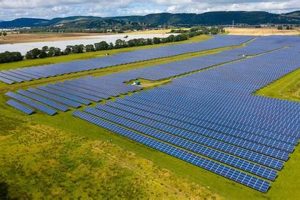
Pursuing a structured educational path in sustainable power generation involves diverse avenues. Formal degree programs, ranging from vocational certificates to doctoral degrees, offer specialized training in areas such as solar photovoltaic technology, wind turbine engineering, geothermal systems, and bioenergy. Independent learning paths, including online courses, workshops, and conferences, provide focused skill development and knowledge enhancement. Practical experience gained through internships, research projects, and volunteer work can bridge the gap between theory and real-world applications. For instance, a student might pursue a bachelor’s degree in mechanical engineering with a concentration in wind energy, followed by an internship with a wind turbine manufacturer.
The growing global demand for clean energy sources creates a significant need for skilled professionals in the renewable energy sector. A deep understanding of these technologies is crucial for developing, implementing, and maintaining sustainable power solutions. This field offers diverse career opportunities, contributing to environmental protection and economic growth. Historically, energy generation relied heavily on fossil fuels. However, the environmental and economic consequences have spurred a global transition towards sustainable alternatives, increasing the demand for expertise in renewable energy systems.
The following sections will explore specific educational pathways, career opportunities, and the evolving landscape of the renewable energy sector in greater detail, providing a comprehensive guide for those seeking to contribute to this vital field.
Tips for Pursuing Renewable Energy Studies
Successfully navigating the field of renewable energy education requires a strategic approach. The following tips offer guidance for individuals seeking to develop expertise in this dynamic area.
Tip 1: Identify Specific Areas of Interest: The renewable energy sector encompasses diverse specializations, including solar, wind, hydro, geothermal, and bioenergy. Focusing on a specific niche allows for deeper knowledge acquisition and career development.
Tip 2: Research Educational Programs Thoroughly: Evaluate various programs based on curriculum, faculty expertise, research opportunities, and industry connections. Consider whether online, hybrid, or in-person learning best suits individual needs.
Tip 3: Seek Practical Experience: Internships, co-op programs, and research projects offer invaluable hands-on experience, bridging the gap between theoretical knowledge and practical application. This experience can significantly enhance career prospects.
Tip 4: Network with Industry Professionals: Attending conferences, joining professional organizations, and engaging with experts in the field can provide valuable insights, mentorship opportunities, and career connections.
Tip 5: Stay Updated on Industry Trends: The renewable energy sector is constantly evolving. Following industry publications, attending webinars, and engaging with online communities allows individuals to remain at the forefront of technological advancements and policy changes.
Tip 6: Develop Strong Analytical and Problem-Solving Skills: Renewable energy projects often involve complex technical challenges. Cultivating analytical and problem-solving abilities is essential for success in this field.
Tip 7: Consider Interdisciplinary Studies: Knowledge of related fields, such as environmental science, policy, and economics, can provide a broader perspective and enhance career opportunities within the renewable energy sector.
By following these guidelines, individuals can effectively prepare for a successful and impactful career in the rapidly growing field of renewable energy.
The concluding section will summarize key opportunities and challenges within the renewable energy sector, emphasizing the importance of continued learning and adaptation in this dynamic field.
1. Formal Degree Programs

Formal degree programs offer a structured and comprehensive approach to studying renewable energy, providing a strong foundation for careers in this burgeoning field. These programs offer in-depth theoretical knowledge, practical training, and research opportunities, equipping students with the skills and expertise necessary to contribute to the global transition towards sustainable energy solutions. They range from associate’s degrees to doctoral programs, catering to diverse educational and career goals.
- Associate’s Degrees:
Associate’s degrees typically provide a foundational understanding of renewable energy principles and technologies, preparing students for entry-level positions in the field. These programs often focus on practical skills and hands-on training, allowing graduates to contribute to installation, maintenance, and operation of renewable energy systems. For example, an associate’s degree in solar technology might cover photovoltaic system installation and maintenance.
- Bachelor’s Degrees:
Bachelor’s degrees offer a more comprehensive exploration of renewable energy, covering topics such as energy policy, resource assessment, and system design. These programs often include specialized tracks in specific areas like wind energy, solar energy, or bioenergy. A bachelor’s degree in environmental engineering with a focus on renewable energy, for example, might involve coursework in fluid mechanics, thermodynamics, and energy systems modeling.
- Master’s Degrees:
Master’s degrees provide advanced knowledge and research opportunities in specialized areas of renewable energy. These programs often involve independent research projects and thesis work, preparing students for leadership roles in research, development, and policy. A master’s degree in renewable energy engineering might specialize in areas like wind turbine aerodynamics or solar cell materials science.
- Doctoral Degrees (Ph.D.):
Doctoral programs focus on original research and contribute to the advancement of renewable energy technologies and knowledge. These programs typically involve extensive research, culminating in a dissertation that contributes new knowledge to the field. A Ph.D. in renewable energy might focus on developing new materials for solar cells or optimizing the design of wind turbine blades.
Formal degree programs provide a structured pathway for gaining the necessary expertise in renewable energy. Choosing the right program depends on individual career goals and educational aspirations. The increasing demand for skilled professionals in the renewable energy sector underscores the value and relevance of these formal educational pathways. Comparing different programs based on their curriculum, faculty, research opportunities, and industry connections allows prospective students to make informed decisions aligned with their career objectives.
2. Online Courses
Online courses have become a significant resource for individuals seeking to understand and contribute to the renewable energy sector. The flexibility and accessibility of online learning platforms offer a valuable complement to traditional educational pathways, enabling professionals and students alike to acquire specialized knowledge and skills in various aspects of renewable energy. These courses cater to diverse learning styles and schedules, offering a convenient and often cost-effective method for expanding one’s understanding of this dynamic field.
- Platform Diversity:
Numerous platforms offer online courses related to renewable energy, ranging from massive open online courses (MOOCs) provided by universities and institutions to specialized training programs offered by industry professionals. Examples include platforms like Coursera, edX, and FutureLearn, which host courses from leading universities worldwide. This diversity enables learners to select platforms and learning environments that best suit their individual needs and preferences.
- Content Specificity:
Online courses cover a wide range of topics within renewable energy, from fundamental principles of solar and wind energy to advanced topics like energy storage and grid integration. Specialized courses focus on specific technologies, such as photovoltaic system design or wind turbine maintenance, allowing learners to develop targeted expertise. This specificity enables professionals to enhance their skills in particular areas of interest and allows students to supplement their formal education with focused training.
- Flexibility and Accessibility:
Online courses offer significant flexibility in terms of scheduling and pacing, allowing learners to study at their own convenience and adapt their learning to their individual schedules. This accessibility is particularly beneficial for working professionals or individuals in remote locations. The ability to learn at one’s own pace and revisit materials as needed contributes to a more effective and personalized learning experience.
- Cost-Effectiveness:
Many online courses are available at a lower cost compared to traditional in-person programs, making them a more accessible option for individuals seeking to expand their knowledge of renewable energy. While some specialized certifications may require fees, numerous free or low-cost courses provide valuable introductory and intermediate-level knowledge. This affordability makes renewable energy education accessible to a broader audience, contributing to workforce development in the sector.
The increasing availability and accessibility of online courses contributes significantly to expanding educational opportunities in the renewable energy sector. By leveraging these resources, individuals can acquire valuable knowledge and skills, contributing to their professional development and the global transition towards sustainable energy solutions. Whether supplementing formal education or pursuing professional development, online courses offer a flexible and effective pathway for engaging with the dynamic field of renewable energy.
3. Specialized Workshops

Specialized workshops offer a focused approach to renewable energy education, providing in-depth practical training and hands-on experience in specific areas of the field. These workshops complement broader educational programs by addressing niche topics and emerging technologies, enabling participants to develop targeted expertise and enhance their career prospects. They cater to professionals seeking to upskill or specialize within the renewable energy sector, as well as students seeking practical experience to supplement their theoretical knowledge.
- Hands-on Training:
Specialized workshops prioritize practical training, allowing participants to gain hands-on experience with specific technologies and equipment. For example, a workshop on solar photovoltaic installation might involve assembling and wiring solar panels, configuring inverters, and troubleshooting system issues. This practical experience bridges the gap between theoretical knowledge and real-world application, enhancing participants’ competency and employability.
- Emerging Technologies:
Workshops often focus on emerging technologies and cutting-edge advancements within the renewable energy sector, such as energy storage solutions, smart grid technologies, and advanced materials for solar cells. A workshop on battery storage systems, for instance, might cover different battery chemistries, system integration, and safety protocols. This exposure to cutting-edge technologies equips participants with the skills and knowledge necessary to contribute to the evolving landscape of the renewable energy industry.
- Networking Opportunities:
Specialized workshops often provide networking opportunities, enabling participants to connect with industry experts, professionals, and peers. This interaction facilitates knowledge sharing, collaboration, and career development within the renewable energy community. For example, a workshop on wind turbine maintenance might bring together technicians, engineers, and manufacturers, fostering valuable connections and professional growth.
- Targeted Skill Development:
Workshops cater to specific skill development needs, allowing professionals to enhance their expertise in targeted areas of renewable energy. A workshop on energy efficiency auditing, for example, might focus on building energy analysis, data collection techniques, and reporting procedures. This targeted approach to skill development enables professionals to advance their careers and contribute to specific areas within the renewable energy field.
By offering focused practical training and exposure to emerging technologies, specialized workshops play a crucial role in developing a skilled workforce for the renewable energy sector. They enhance employability, foster innovation, and contribute to the ongoing advancement of sustainable energy solutions. The combination of theoretical knowledge gained through formal education and practical experience acquired through specialized workshops provides a comprehensive foundation for a successful career in this dynamic field.
4. Research Projects
Research projects represent a crucial component of renewable energy studies, providing opportunities for in-depth exploration of specific areas within this dynamic field. They bridge the gap between theoretical knowledge and practical application, fostering innovation and contributing to the advancement of sustainable energy solutions. Engagement in research projects cultivates critical thinking, problem-solving skills, and a deeper understanding of the scientific principles underpinning renewable energy technologies. For instance, a research project focusing on the efficiency of different photovoltaic materials contributes directly to improving solar energy conversion. Furthermore, participation in research initiatives fosters collaboration between academia and industry, accelerating the development and deployment of renewable energy technologies.
Research projects offer diverse avenues for exploration within the renewable energy sector. Analyzing the performance of wind turbines under varying weather conditions, optimizing the design of geothermal power plants, or investigating the potential of biofuels as sustainable transportation fuels represent a few examples of the breadth of research opportunities available. These projects can involve experimental work, computational modeling, data analysis, and policy research, catering to a range of skills and interests. Students pursuing undergraduate or postgraduate degrees often engage in research projects as part of their curriculum, gaining valuable experience and contributing to the body of knowledge in renewable energy. Collaboration with research institutions, government agencies, and private companies provides additional avenues for research and development, fostering a dynamic and interconnected research landscape.
The practical significance of research projects in renewable energy studies cannot be overstated. These projects contribute directly to technological advancements, policy development, and the overall growth of the renewable energy sector. They provide students and researchers with valuable skills and experience, enhancing their career prospects and fostering a deeper understanding of the challenges and opportunities within the field. Continued investment in research and development is essential for driving innovation, overcoming technical barriers, and realizing the full potential of renewable energy as a sustainable and reliable energy source for the future.
5. Industry Internships

Industry internships represent a crucial bridge between academic learning and professional practice in the renewable energy sector. These experiences provide students and recent graduates with practical, hands-on training within real-world settings, complementing theoretical knowledge gained through formal education. Internships offer invaluable opportunities to apply learned concepts, develop essential skills, and gain a deeper understanding of the industry landscape, significantly enhancing career readiness.
- Skill Development:
Internships provide opportunities to develop and refine technical skills specific to renewable energy technologies. An intern at a wind energy company might gain experience in turbine maintenance, data analysis, or performance monitoring. Similarly, an internship at a solar energy firm could involve system design, installation, or project management. Such experiences allow individuals to translate theoretical knowledge into practical skills, increasing their competency and marketability within the industry. For example, an intern might assist in troubleshooting a malfunctioning solar panel system, applying knowledge of electrical circuits and photovoltaic principles.
- Industry Exposure:
Internships offer valuable exposure to the operational aspects of the renewable energy industry, providing insights into company culture, work environments, and industry best practices. This exposure can help individuals make informed career choices and understand the diverse roles and responsibilities within the sector. Observing project development processes, regulatory compliance procedures, and stakeholder interactions provides a realistic perspective of the industry landscape, enhancing professional development. For example, an intern might participate in meetings with clients, regulators, and engineers, gaining insights into project development and stakeholder management.
- Networking and Mentorship:
Internships offer opportunities to build professional networks and establish mentoring relationships with experienced professionals. These connections can provide valuable guidance, career advice, and potential job opportunities. Interacting with engineers, scientists, and business professionals within the renewable energy sector allows interns to gain insights into different career paths and build relationships that can support their long-term professional development. For instance, an intern might shadow a senior engineer, gaining insights into their career progression and learning about specialized areas within the field.
- Career Advancement:
Internships often serve as a stepping stone to full-time employment within the renewable energy sector. Demonstrated competence, acquired skills, and established connections through an internship can significantly enhance an individual’s candidacy for permanent positions. Many companies use internship programs as a talent pipeline, offering full-time roles to high-performing interns upon graduation. For example, a successful internship at a bioenergy company could lead to a full-time position in research, development, or project management.
By providing practical experience, industry exposure, networking opportunities, and pathways to career advancement, internships play a crucial role in how individuals study and prepare for careers in the renewable energy sector. These experiences bridge the gap between academic learning and professional practice, equipping individuals with the skills, knowledge, and connections necessary to succeed in this rapidly growing and evolving field. The integration of internships into educational pathways strengthens the connection between academia and industry, contributing to a skilled workforce capable of driving innovation and growth within the renewable energy sector.
6. Continuous Learning

The renewable energy landscape is characterized by continuous innovation and rapid technological advancements. Therefore, continuous learning is not merely a supplementary activity but a fundamental requirement for professionals seeking to remain relevant and effective in this dynamic field. It represents an ongoing commitment to expanding knowledge, refining skills, and adapting to the evolving demands of the renewable energy sector. A robust approach to continuous learning ensures professionals remain at the forefront of industry trends, contributing to both individual career growth and the broader advancement of sustainable energy solutions.
- Staying Updated with Industry Trends:
The renewable energy sector is constantly evolving, with new technologies, policies, and market dynamics emerging regularly. Professionals must actively engage in activities that provide exposure to these trends, such as following industry publications, attending conferences and webinars, and participating in online forums and communities. For example, staying informed about advancements in battery storage technology is crucial for professionals working in solar energy system design. Continuous engagement with industry trends enables informed decision-making, effective technology adoption, and the development of innovative solutions.
- Professional Development and Certifications:
Pursuing professional development opportunities and obtaining relevant certifications demonstrates a commitment to continuous learning and enhances career prospects. Specialized certifications in areas like solar panel installation, wind turbine maintenance, or energy efficiency auditing validate expertise and signal a dedication to professional growth. These credentials can open doors to new career opportunities and enhance credibility within the industry. For example, obtaining a North American Board of Certified Energy Practitioners (NABCEP) certification demonstrates expertise in solar photovoltaic system design and installation.
- Networking and Collaboration:
Engaging with peers, experts, and industry leaders through networking events, conferences, and online platforms fosters knowledge sharing, collaboration, and professional growth. These interactions provide opportunities to learn from others’ experiences, gain insights into emerging trends, and explore potential collaborations. For instance, attending a conference on offshore wind energy can connect professionals with researchers, developers, and policymakers, fostering valuable exchanges of information and ideas. Networking and collaboration contribute to a vibrant and interconnected professional community, driving innovation and knowledge dissemination within the renewable energy sector.
- Adaptability and Skill Enhancement:
The rapid pace of technological change in the renewable energy sector necessitates adaptability and a willingness to acquire new skills. Professionals must embrace opportunities to expand their skillsets through online courses, workshops, and on-the-job training. For example, learning programming languages relevant to data analysis and automation can enhance a professional’s ability to contribute to smart grid integration and optimization. Continuous skill enhancement ensures professionals remain competitive, adaptable, and capable of contributing to the evolving demands of the industry.
These facets of continuous learning are integral to how individuals effectively study and engage with the renewable energy sector. A commitment to ongoing learning and professional development is essential for navigating the dynamic landscape of this field, contributing to both individual career success and the global transition towards a sustainable energy future. By embracing continuous learning, professionals can remain at the forefront of innovation, adapt to emerging technologies, and contribute meaningfully to the growth and development of the renewable energy sector.
Frequently Asked Questions
This section addresses common inquiries regarding educational pathways and career opportunities within the renewable energy sector. Clarity on these points can assist individuals in making informed decisions about pursuing studies and careers in this dynamic field.
Question 1: What educational background is required for a career in renewable energy?
Educational requirements vary depending on the specific career path. Entry-level positions may require vocational training or associate’s degrees, while engineering and research roles typically require bachelor’s or advanced degrees. Specialized certifications can enhance career prospects across various roles.
Question 2: How can one gain practical experience in renewable energy?
Practical experience can be gained through internships, research projects, volunteer work with renewable energy organizations, and participation in hands-on workshops. These experiences provide valuable real-world application of theoretical knowledge.
Question 3: What are the typical career paths in the renewable energy sector?
Career paths in renewable energy span diverse areas, including engineering (solar, wind, geothermal), installation and maintenance technicians, project management, research and development, policy analysis, and sales and marketing. The specific path depends on one’s educational background and area of interest.
Question 4: What is the job outlook for the renewable energy sector?
The renewable energy sector is experiencing significant growth globally, driven by increasing demand for sustainable energy solutions. This growth translates into a positive job outlook, with numerous opportunities emerging across various roles and specializations.
Question 5: Are there financial aid options available for studying renewable energy?
Numerous financial aid options exist, including scholarships, grants, and loans specifically designated for students pursuing studies in renewable energy. Researching available options through educational institutions and relevant organizations is recommended.
Question 6: How can one stay updated on the latest advancements in renewable energy technologies?
Staying updated requires actively engaging with industry resources, including journals, conferences, online forums, and professional organizations. Following industry news and participating in continuing education programs can also contribute to staying abreast of advancements.
Careful consideration of these points can assist individuals in effectively planning their educational and career paths within the renewable energy sector. Understanding educational requirements, gaining practical experience, and staying informed about industry trends are crucial for success in this rapidly evolving field.
The subsequent section will delve into specific career profiles within the renewable energy sector, highlighting the required skills, educational backgrounds, and typical job responsibilities for each role.
Conclusion
Exploring viable pathways into the renewable energy sector reveals diverse learning opportunities. Formal degree programs, online courses, specialized workshops, research projects, and industry internships each offer unique advantages, catering to varied learning styles and career aspirations. Continuous learning remains paramount in this dynamic field, ensuring professionals adapt to evolving technologies and maintain expertise throughout their careers. Strategic planning and informed decision-making are crucial for navigating the educational landscape and maximizing career potential within the renewable energy sector.
The global imperative for sustainable energy solutions underscores the significance of skilled professionals in this field. Investing in renewable energy education and training translates to a direct contribution towards a cleaner, more sustainable future. The continued growth and evolution of this sector present both challenges and opportunities, requiring adaptability, innovation, and a commitment to lifelong learning. Embracing these qualities will empower individuals to shape the future of energy and contribute to a more sustainable world.