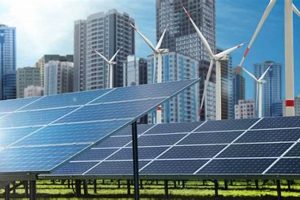
Generating power from renewable sources at a residential scale involves harnessing naturally replenishing resources like sunlight, wind, and water. For example, a homeowner might install photovoltaic panels to convert sunlight into electricity, or a small wind turbine to capture kinetic energy from moving air. Other options include micro-hydroelectric systems for properties with a suitable water source, and geothermal heat pumps that utilize the earth’s relatively constant temperature for heating and cooling.
Distributed renewable energy generation offers significant advantages. It reduces reliance on centralized power grids, mitigating vulnerability to outages and price fluctuations. Furthermore, these systems decrease carbon emissions, contributing to a more sustainable energy future. Historically, localized power generation was common before widespread grid infrastructure. Now, advancements in technology have made small-scale renewable energy production more accessible, efficient, and affordable than ever.
This article will explore the various practical methods for establishing independent renewable energy systems. Specific topics covered include an in-depth examination of solar photovoltaic systems, wind turbine options for residential settings, the potential of micro-hydropower, and the mechanics of geothermal energy implementation. Additional considerations such as energy storage solutions, grid integration, and permitting requirements will also be addressed.
Tips for Generating Renewable Energy at Home
Careful planning and execution are crucial for successful implementation of a residential renewable energy system. The following tips provide guidance for navigating the process.
Tip 1: Assess Energy Needs: A thorough evaluation of current energy consumption is essential. Analyze utility bills to understand usage patterns and identify areas for potential reduction. This informs decisions regarding the size and type of renewable energy system required.
Tip 2: Evaluate Resource Availability: The local climate and geography significantly influence the viability of different renewable energy options. Solar potential depends on sunlight hours, while wind turbines require consistent breezes. Water sources are necessary for micro-hydro systems.
Tip 3: Research Available Technologies: Different technologies exist within each renewable energy category. For example, solar panels vary in efficiency and cost. Researching available options ensures selection of the most suitable technology for the specific application.
Tip 4: Consider System Scalability: Future energy needs should be considered during system design. A modular system allows for expansion as demand increases, avoiding the need for a complete system overhaul later.
Tip 5: Explore Local Incentives and Regulations: Many jurisdictions offer financial incentives, such as tax credits or rebates, for installing renewable energy systems. Local regulations and permitting requirements should also be thoroughly investigated.
Tip 6: Consult with Qualified Professionals: Engage experienced professionals for system design and installation. Qualified electricians and contractors can ensure safe and compliant implementation, maximizing system performance.
Tip 7: Prioritize Energy Efficiency: Implementing energy efficiency measures alongside renewable energy generation maximizes cost savings and environmental benefits. Simple steps like improving insulation and using energy-efficient appliances can significantly reduce overall energy consumption.
By following these guidelines, individuals can effectively harness renewable resources to generate power independently, reducing their environmental impact and contributing to a more sustainable energy future.
In conclusion, generating renewable energy at home offers both environmental and economic advantages. Careful planning, thorough research, and professional guidance are essential for successful implementation.
1. Resource Assessment

Resource assessment forms the crucial foundation for any successful renewable energy project. A thorough understanding of available resources dictates which technologies are viable and how effectively they can meet energy demands. Without accurate assessment, system design and implementation become significantly more challenging, potentially leading to underperformance or outright failure. This section details the key facets of resource assessment and their implications for generating renewable energy at home.
- Solar Irradiance
Evaluating solar irradiance, the power of sunlight reaching a specific location, is paramount for solar photovoltaic systems. Factors such as latitude, climate, and shading significantly influence irradiance levels. Tools like solar resource maps and on-site measurements using pyranometers provide crucial data. This data informs optimal panel placement and system sizing, maximizing energy production. For example, a location with high annual average irradiance may justify a larger system, while a shaded location might require careful panel positioning or a different renewable energy approach altogether.
- Wind Resource Analysis
Wind speed and consistency are crucial for harnessing wind energy. Anemometers measure wind speed over time, providing data on average wind speeds and prevailing wind directions. Locations with higher average wind speeds and consistent wind patterns are ideal for wind turbines. Topographical features, such as hills and valleys, can influence wind patterns, requiring careful site selection. For instance, a coastal location with consistent onshore winds might be highly suitable, while a sheltered inland location might not have sufficient wind resources.
- Water Resource Evaluation
Micro-hydroelectric systems require a suitable water source with sufficient flow rate and elevation change. Assessing water availability, flow rate consistency, and head (vertical drop) are essential. Topographical surveys and flow measurements help determine the potential energy that can be harnessed from a stream or river. For example, a property with a steep stream and consistent flow provides a greater opportunity for hydropower generation than a property with a slow-moving, flat river.
- Geothermal Potential
Geothermal energy utilizes the earth’s relatively constant temperature below the surface. Assessing ground temperatures and thermal conductivity is critical for determining the effectiveness of geothermal heat pumps. Geological surveys and thermal conductivity tests provide information on subsurface conditions. Regions with higher geothermal gradients are more suitable for direct use geothermal applications. For instance, areas with volcanic activity may have higher near-surface temperatures, making them ideal for geothermal power generation.
Accurate resource assessment enables informed decision-making throughout the entire process of establishing a renewable energy system. By understanding the available resources, individuals can select the most appropriate technologies, optimize system design, and maximize energy production, ultimately achieving greater energy independence and environmental sustainability.
2. Technology Selection

Technology selection is a critical step in establishing a residential renewable energy system. The choice of technology directly impacts system performance, cost, and overall effectiveness. Appropriate technology aligns with available resources, energy demands, and budgetary constraints. Careful consideration of various technological options is essential for maximizing the benefits of renewable energy generation.
- Solar Photovoltaic (PV) Systems
Solar PV systems convert sunlight directly into electricity using photovoltaic cells. Different panel types, such as monocrystalline, polycrystalline, and thin-film, offer varying efficiencies and price points. System components include panels, inverters, mounting hardware, and wiring. Considerations include panel efficiency, roof orientation and angle, shading, and available space. For example, a household with limited roof space might opt for high-efficiency monocrystalline panels, while a larger roof area might accommodate less expensive polycrystalline panels.
- Wind Turbines
Wind turbines capture the kinetic energy of wind and convert it into electricity. Turbine sizes range from small residential units to large utility-scale turbines. Key factors include average wind speed, tower height, and turbine type (horizontal-axis or vertical-axis). Noise levels and potential visual impact are also important considerations. A rural property with consistent high winds might be suitable for a larger horizontal-axis turbine, while a suburban setting might benefit from a smaller, quieter vertical-axis turbine.
- Micro-Hydroelectric Systems
Micro-hydro systems utilize the flow of water to generate electricity. Key components include a turbine, generator, and penstock (pipe). The amount of power generated depends on the water flow rate and the head (vertical drop). Environmental considerations include potential impacts on aquatic ecosystems. A property with a steep stream and significant flow could support a larger micro-hydro system, while a smaller stream might only be suitable for a very small system.
- Geothermal Heat Pumps
Geothermal heat pumps leverage the stable temperature of the earth to provide heating and cooling. They utilize a network of underground pipes (ground loop) to exchange heat with the earth. System efficiency depends on ground temperature and thermal conductivity. Installation involves trenching or drilling for the ground loop. A property with suitable soil conditions and a moderate climate can benefit significantly from the consistent heating and cooling provided by a geothermal heat pump.
Selecting the appropriate technology is fundamental to a successful renewable energy project. The choice should align with available resources, energy needs, budget, and site-specific conditions. By carefully evaluating these factors, individuals can establish a system that effectively harnesses renewable resources, reducing reliance on conventional energy sources and promoting environmental sustainability.
3. System Design

System design represents a critical stage in realizing a functional and efficient renewable energy setup. A well-designed system maximizes energy production, ensures safety, and optimizes cost-effectiveness. It involves careful consideration of several interconnected factors, including energy demand, resource availability, component selection, and integration strategies. Neglecting proper system design can lead to underperformance, safety hazards, and financial losses. A robust design process considers load profiles, resource variability, and future expansion possibilities. For example, a solar PV system design must consider panel placement to maximize solar exposure, wiring configurations to minimize energy loss, and inverter sizing to match the panel output. Similarly, a wind turbine system requires careful consideration of tower height and placement relative to prevailing winds and surrounding obstacles.
The system design process often involves iterative refinement. Initial assessments of energy consumption and resource availability inform preliminary design choices. Subsequent analyses, simulations, and calculations refine these choices, optimizing system performance and addressing potential challenges. Practical considerations, such as available space, local regulations, and environmental impact, also influence design decisions. For instance, a micro-hydroelectric system design must account for water flow rates, pipe sizing, and turbine selection to maximize energy generation while minimizing environmental disturbance. Similarly, a geothermal heat pump system requires careful design of the ground loop, considering soil properties and thermal conductivity to ensure efficient heat exchange.
Effective system design directly influences the long-term success of a renewable energy project. A well-designed system operates reliably, efficiently, and safely, maximizing the return on investment and minimizing environmental impact. Furthermore, a flexible design allows for future expansion or modification, adapting to changing energy needs and technological advancements. Ultimately, robust system design ensures the sustainable and cost-effective operation of a renewable energy system, contributing to greater energy independence and a reduced carbon footprint.
4. Installation Process

The installation process represents a crucial phase in establishing a functional and safe renewable energy system. Proper installation directly impacts system performance, longevity, and safety. A meticulous approach to installation ensures that all components are correctly integrated and function as intended. Overlooking critical installation details can lead to reduced energy output, premature component failure, and potential safety hazards. This section explores the key facets of the installation process, highlighting their significance in the context of generating renewable energy at home.
- Site Preparation
Thorough site preparation lays the groundwork for a successful installation. For solar PV systems, this involves assessing roof condition, ensuring structural integrity, and clearing any obstructions that might cast shadows on the panels. Wind turbine installations require stable foundations and adequate clearance from surrounding structures and vegetation. Micro-hydro systems necessitate careful consideration of water flow and pipeline routing. Geothermal installations involve trenching or drilling for the ground loop, requiring careful planning and execution to avoid damage to underground utilities. Proper site preparation ensures the long-term stability and performance of the renewable energy system.
- Component Assembly and Integration
Precise component assembly and integration are essential for optimal system functionality. Solar panel mounting, wiring connections, and inverter installation require meticulous attention to detail. Wind turbine assembly involves securing the tower, attaching the nacelle and rotor blades, and connecting the electrical system. Micro-hydro installations require careful assembly of the turbine, generator, and penstock. Geothermal systems necessitate proper connection of the ground loop, heat pump unit, and distribution system. Correct component integration ensures efficient energy transfer and minimizes performance losses.
- Electrical Wiring and Connections
Safe and compliant electrical wiring and connections are paramount for system safety and performance. Proper grounding, wire sizing, and conduit installation prevent electrical hazards and ensure efficient power transmission. Adherence to local electrical codes and regulations is crucial for permitting and inspection. Incorrect wiring can lead to system malfunctions, power losses, and potentially dangerous electrical shocks. Professional electrical expertise is often required for this critical aspect of the installation process.
- System Testing and Commissioning
Thorough system testing and commissioning verify proper system operation and identify any potential issues. Performance testing of solar PV systems involves measuring voltage and current output under various conditions. Wind turbine testing includes monitoring power output and blade rotation speed. Micro-hydro systems require testing of water flow and power generation. Geothermal systems undergo performance testing to ensure efficient heating and cooling. Commissioning procedures ensure that the system meets performance specifications and operates safely and reliably.
A meticulous installation process is fundamental to the success of any renewable energy project. Proper site preparation, component assembly, electrical wiring, and system testing ensure optimal performance, safety, and longevity. By adhering to best practices and engaging qualified professionals when necessary, individuals can establish a renewable energy system that effectively harnesses clean energy resources, reduces environmental impact, and provides long-term energy independence.
5. Maintenance Requirements

Maintaining a renewable energy system is crucial for sustained performance, longevity, and safety. Regular maintenance mitigates potential issues, optimizes energy production, and extends the lifespan of system components. Neglecting maintenance can lead to decreased efficiency, premature failures, and safety hazards. A proactive maintenance approach safeguards the investment in renewable energy and ensures continued benefits.
Specific maintenance requirements vary depending on the type of renewable energy system. Solar photovoltaic (PV) systems require periodic cleaning of panels to remove dust, debris, and snow. Inspections of wiring, connections, and mounting hardware identify potential problems before they escalate. Inverter maintenance, including firmware updates and ventilation checks, ensures optimal performance. Wind turbines require regular lubrication of moving parts, inspection of blades for damage, and tightening of bolts. Micro-hydroelectric systems necessitate periodic checks of the turbine, generator, and penstock for debris or damage. Geothermal heat pumps require regular checks of the refrigerant levels and inspection of the ground loop for leaks.
Establishing a preventative maintenance schedule ensures consistent system performance and minimizes downtime. Regular inspections, cleaning, and component replacements prevent minor issues from developing into major problems. A well-maintained system operates at peak efficiency, maximizing energy production and minimizing costs. Furthermore, proper maintenance ensures the safe operation of the system, mitigating potential hazards such as electrical faults or mechanical failures. The frequency and scope of maintenance depend on the specific technology, environmental conditions, and manufacturer recommendations. Consulting with qualified technicians and adhering to established maintenance protocols ensures the long-term reliability and safety of the renewable energy system.
6. Financial Implications

Financial implications represent a significant consideration in the pursuit of residential renewable energy generation. Understanding the costs and potential returns associated with these systems is crucial for informed decision-making. The initial investment in renewable energy technologies can be substantial, encompassing equipment purchase, installation, and permitting fees. For example, the cost of a solar photovoltaic system depends on factors such as system size, panel type, and installation complexity. Similarly, wind turbine costs vary depending on turbine size, tower height, and site-specific conditions. Micro-hydro and geothermal systems also entail specific cost considerations related to equipment and installation.
However, renewable energy systems offer the potential for long-term cost savings. Reduced reliance on grid electricity translates to lower monthly utility bills. Furthermore, many jurisdictions offer financial incentives, such as tax credits, rebates, and net metering programs, which can significantly offset the initial investment. The payback period, the time it takes for the energy savings to equal the initial cost, varies depending on factors such as energy prices, system performance, and available incentives. For instance, a solar PV system in a location with high electricity prices and generous incentives might have a shorter payback period than a similar system in a location with lower electricity prices and fewer incentives. In addition to direct cost savings, renewable energy systems can increase property value, further enhancing the financial benefits.
Careful financial planning is essential for navigating the complexities of renewable energy investments. Assessing available financing options, evaluating potential return on investment, and understanding the long-term cost implications enables informed decisions. Accurately projecting energy production, considering maintenance costs, and anticipating future energy needs contribute to a comprehensive financial analysis. Ultimately, a thorough understanding of financial implications empowers individuals to make sound investments in renewable energy technologies, maximizing both economic and environmental benefits. By carefully weighing the costs and benefits, individuals can make informed decisions that align with their financial goals and contribute to a more sustainable energy future.
Frequently Asked Questions
This section addresses common inquiries regarding the establishment and operation of residential renewable energy systems. Clear and concise answers provide practical guidance for individuals exploring these technologies.
Question 1: What is the most suitable renewable energy source for a specific location?
Resource availability dictates the most appropriate technology. Locations with ample sunshine favor solar photovoltaic systems. Consistently windy areas are ideal for wind turbines. Properties with suitable water resources can benefit from micro-hydropower. Geothermal heat pumps are viable in most climates but require appropriate soil conditions.
Question 2: What is the typical payback period for a residential renewable energy system?
The payback period, the time it takes for energy savings to offset the initial investment, varies significantly based on factors such as energy costs, system performance, and available incentives. Typical payback periods can range from a few years to over a decade.
Question 3: Are permits required for installing renewable energy systems?
Permitting requirements vary by jurisdiction. Local authorities often mandate permits for grid-connected systems and certain types of installations. Consulting with local permitting agencies is essential before commencing any project.
Question 4: What maintenance is typically required for these systems?
Maintenance requirements vary depending on the technology. Solar panels require periodic cleaning. Wind turbines necessitate lubrication and component inspections. Micro-hydro systems require checks for debris. Geothermal systems need refrigerant and ground loop checks. Consulting manufacturer recommendations is crucial.
Question 5: How does net metering work?
Net metering allows excess energy generated by a renewable energy system to be fed back into the grid, earning credits that offset electricity consumption during periods of lower production. Specific net metering policies vary by utility and jurisdiction.
Question 6: What safety considerations are associated with residential renewable energy systems?
Safety considerations include electrical hazards, working at heights, and potential mechanical failures. Proper installation, adherence to safety protocols, and regular maintenance mitigate these risks. Professional installation and consultation are often recommended.
Careful consideration of these frequently asked questions empowers individuals to make informed decisions about generating renewable energy at home. Understanding resource availability, financial implications, permitting requirements, and maintenance needs ensures a successful and sustainable transition to clean energy.
For further information on specific technologies and local resources, consult with qualified professionals and explore available government and industry resources.
Conclusion
Exploration of distributed renewable energy generation reveals viable pathways toward greater energy independence and environmental responsibility. Careful assessment of available resources, coupled with informed technology selection, forms the foundation for successful implementation. Meticulous system design, professional installation, and proactive maintenance ensure optimal performance, safety, and longevity. Financial considerations, including initial investment, potential cost savings, and available incentives, play a crucial role in decision-making. Addressing permitting requirements and understanding local regulations ensures compliance and streamlines the process.
The transition to residential renewable energy generation represents a significant step toward a more sustainable energy future. Empowering individuals to generate their own clean energy reduces reliance on centralized power grids, mitigates environmental impact, and fosters greater energy resilience. Continued advancements in renewable energy technologies, coupled with supportive policies and increasing public awareness, promise a future where clean, locally generated power becomes the norm rather than the exception. Embracing these technologies offers a pathway to a cleaner, more secure, and sustainable energy landscape.