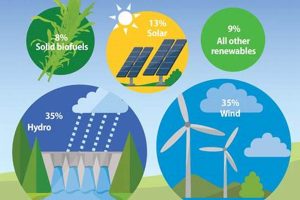
Hydrogen carrier systems (HCS) offer a promising solution for storing and transporting energy generated from renewable sources like solar and wind power. These systems convert surplus renewable electricity into hydrogen, which can then be stored for later use in fuel cells, power plants, or industrial processes, effectively addressing the intermittency challenges associated with renewable energy generation. For instance, excess solar power generated during peak sunlight hours can be used to produce hydrogen, which can then be reconverted to electricity during periods of lower solar irradiance or higher energy demand.
This technology plays a crucial role in decarbonizing energy sectors and facilitating the transition to a sustainable energy future. By storing renewable energy, HCS enable a more reliable and continuous supply of clean power, reducing reliance on fossil fuels and minimizing greenhouse gas emissions. Historically, the development of HCS has been driven by the need for efficient energy storage solutions and the increasing availability of low-cost renewable electricity. This progress has spurred advancements in hydrogen production, storage, and transportation technologies, making HCS increasingly viable for large-scale deployment.
The following sections will explore the technical aspects of hydrogen carrier systems, including various hydrogen production methods, storage options, and potential applications across different sectors. Furthermore, the economic and environmental impacts of HCS integration will be analyzed, providing a comprehensive overview of this vital technology.
Tips for Implementing Hydrogen Carrier Systems
Successful integration of hydrogen carrier systems requires careful consideration of various factors. The following tips offer guidance for effective implementation:
Tip 1: Conduct a thorough resource assessment. Evaluate the availability and cost of renewable energy sources suitable for hydrogen production, such as solar, wind, or hydropower.
Tip 2: Optimize hydrogen production methods. Select the most appropriate electrolysis technology based on factors like efficiency, cost, and scalability. Consider emerging technologies like alkaline, PEM, and solid oxide electrolysis.
Tip 3: Strategically plan hydrogen storage. Choose appropriate storage methods based on the scale and duration of storage needs. Options include compressed gas, liquid hydrogen, and chemical storage in materials like metal hydrides.
Tip 4: Design efficient transportation infrastructure. Develop pipelines, trucking fleets, or shipping routes for safe and cost-effective hydrogen transport.
Tip 5: Ensure safety protocols are in place. Implement rigorous safety measures throughout the entire hydrogen value chain, from production and storage to transportation and end-use applications.
Tip 6: Foster public-private partnerships. Collaboration between government, industry, and research institutions can accelerate the development and deployment of hydrogen carrier systems.
Tip 7: Consider policy and regulatory frameworks. Supportive policies and regulations can incentivize investment in hydrogen technologies and facilitate market growth.
By addressing these key considerations, stakeholders can effectively implement hydrogen carrier systems and contribute to a cleaner, more sustainable energy future.
The successful adoption of these strategies will be instrumental in realizing the full potential of hydrogen carrier systems and facilitating a global transition to sustainable energy.
1. Energy Storage

Energy storage is fundamental to the viability of hydrogen carrier systems (HCS) powered by renewable sources. Due to the intermittent nature of renewable energy generation, effective storage solutions are essential for ensuring a consistent and reliable energy supply. HCS offer a compelling approach by converting surplus renewable electricity into hydrogen, which can be stored and later reconverted to electricity as needed.
- Long-Term Storage:
HCS excel in long-term energy storage, unlike batteries which are typically better suited for shorter durations. This capability is crucial for addressing seasonal variations in renewable energy production, such as storing solar energy generated during summer for use in winter. Large-scale underground hydrogen storage can provide grid stability and reliability over extended periods.
- Decoupling Supply and Demand:
Storing energy generated from renewable sources allows for its use when demand is high, even if renewable generation is low. This decoupling of supply and demand is critical for grid management and ensures a continuous power supply regardless of weather conditions or time of day. For instance, hydrogen stored during periods of high wind power can be utilized to meet peak evening electricity demand.
- Various Storage Methods:
Hydrogen offers multiple storage options, each with its advantages. Compressed hydrogen gas is suitable for smaller-scale applications, while liquid hydrogen, although requiring cryogenic temperatures, offers higher energy density for large-scale storage. Chemical storage in materials like metal hydrides provides a safe and compact alternative, particularly relevant for mobile applications. The diverse range of storage options caters to varying needs and scales.
- Enabling Grid Flexibility:
Integrating HCS into power grids enhances flexibility and resilience. Stored hydrogen can be rapidly converted to electricity through fuel cells, providing a quick response to fluctuations in demand or unexpected outages. This rapid response capability contributes to grid stability and reduces the need for conventional peaking power plants, which often rely on fossil fuels.
The ability of HCS to effectively store renewable energy is key to their role in transitioning to a sustainable energy system. By providing long-term storage, decoupling supply and demand, offering diverse storage methods, and enhancing grid flexibility, HCS address the intermittency challenges associated with renewable energy and pave the way for a reliable and decarbonized energy future.
2. Renewable Integration

Renewable integration signifies the incorporation of renewable energy sources, such as solar, wind, and hydro, into existing energy systems. Hydrogen carrier systems (HCS) play a crucial role in facilitating this integration by addressing the inherent intermittency of renewables. Fluctuations in solar and wind power generation create challenges for grid stability and reliability. HCS offer a solution by converting excess renewable energy into hydrogen during periods of high production. This stored hydrogen can then be reconverted to electricity during periods of low renewable generation or peak demand, effectively smoothing out the variability and ensuring a consistent energy supply. For example, in regions with abundant solar resources, HCS can store excess solar energy generated during the day for use at night, reducing reliance on conventional power plants.
The importance of renewable integration as a component of HCS stems from the need to decarbonize energy systems and mitigate climate change. By maximizing the utilization of renewable energy sources, HCS contribute to a significant reduction in greenhouse gas emissions compared to fossil fuel-based power generation. Furthermore, renewable integration through HCS enhances energy security by diversifying energy sources and reducing dependence on imported fuels. Practical examples include powering remote communities with solar-powered HCS, providing backup power during grid outages, and fueling transportation systems with hydrogen derived from renewable electricity. These applications demonstrate the versatility and potential of HCS to facilitate a transition to a cleaner and more sustainable energy future.
Effective renewable integration through HCS necessitates careful planning and infrastructure development. Considerations include the strategic placement of hydrogen production facilities near renewable energy sources, the development of efficient hydrogen storage and transportation infrastructure, and the integration of HCS into existing energy grids. Addressing these challenges is essential for realizing the full potential of HCS in enabling a seamless transition to a renewable energy-dominated future. The successful deployment of HCS-based renewable integration strategies offers a pathway towards a decarbonized energy landscape and enhanced energy security.
3. Hydrogen Production

Hydrogen production is inextricably linked to the success of hydrogen carrier systems (HCS) for renewable energy. The method of hydrogen production significantly impacts the overall environmental and economic viability of HCS. While various methods exist, including steam methane reforming and coal gasification, leveraging renewable energy sources for hydrogen production is paramount for achieving a truly sustainable energy system. Electrolysis, powered by renewable electricity, offers a clean pathway for hydrogen production, splitting water into hydrogen and oxygen without generating greenhouse gas emissions. This approach aligns with the core objective of HCS: to decarbonize energy storage and transportation. For instance, utilizing excess solar or wind power for electrolysis ensures the generated hydrogen is a genuinely green fuel source.
The reliance on renewable-powered electrolysis for hydrogen production within HCS yields several key advantages. It minimizes the carbon footprint of the entire energy cycle, contributing significantly to climate change mitigation efforts. Furthermore, it reduces dependence on fossil fuels, enhancing energy independence and security. Practical applications include coupling electrolyzers with offshore wind farms to produce hydrogen for coastal communities or integrating electrolysis systems with solar power plants to provide a continuous supply of hydrogen for transportation fleets. These examples highlight the practical significance of utilizing renewable-powered electrolysis within HCS.
A key challenge in hydrogen production for HCS lies in optimizing the efficiency and cost-effectiveness of electrolysis technologies. Advancements in electrolyzer design and manufacturing are crucial for achieving cost parity with conventional hydrogen production methods. Moreover, integrating electrolysis seamlessly with renewable energy sources requires sophisticated grid management and energy storage solutions. Addressing these challenges is essential for unlocking the full potential of HCS and establishing a robust, sustainable hydrogen economy. The transition to a hydrogen economy based on renewable-powered HCS necessitates a concerted effort from researchers, policymakers, and industry stakeholders to overcome these challenges and pave the way for a cleaner and more secure energy future.
4. Transportation & Distribution
Transportation and distribution represent critical components of hydrogen carrier systems (HCS) designed for renewable energy integration. The efficient and safe movement of hydrogen from production sites to end-use locations is essential for the overall viability and effectiveness of HCS. This necessitates a robust infrastructure capable of handling the specific requirements of hydrogen transport, considering factors such as storage method (compressed gas, liquid hydrogen, or chemical carriers), distance, and scale. Pipeline networks, specifically designed for hydrogen transport, offer a cost-effective solution for large-scale distribution over long distances, particularly relevant for connecting production hubs with industrial clusters or urban centers. For instance, repurposing existing natural gas pipelines for hydrogen transport could significantly reduce infrastructure development costs and accelerate HCS deployment.
Beyond pipelines, specialized hydrogen transport vehicles, including trucks and ships, play a vital role in addressing diverse distribution needs. Cryogenic tankers are essential for transporting liquid hydrogen, while high-pressure tube trailers accommodate compressed hydrogen gas. The development of efficient and safe loading and unloading procedures is crucial for minimizing losses and ensuring operational safety throughout the transport process. Maritime transport of liquid hydrogen offers a viable option for international trade and supplying regions with limited pipeline infrastructure. Examples include transporting hydrogen produced from renewable energy sources in coastal regions to inland industrial centers or exporting hydrogen from countries with abundant renewable resources to regions with high energy demand.
The successful integration of HCS relies heavily on the effectiveness of transportation and distribution networks. Addressing infrastructure limitations and optimizing transport logistics are critical for maximizing the benefits of renewable hydrogen. Overcoming challenges related to cost, safety, and regulatory frameworks will be instrumental in unlocking the full potential of HCS. The development of a comprehensive and interconnected hydrogen transport infrastructure is crucial for facilitating a smooth transition to a hydrogen-based economy and achieving decarbonization goals across various sectors, including power generation, transportation, and industry. Investment in innovative transport solutions and strategic infrastructure planning will be essential for realizing the long-term vision of a sustainable hydrogen economy.
5. Infrastructure Development

Infrastructure development is essential for the widespread adoption and effective utilization of hydrogen carrier systems (HCS) in the renewable energy sector. Building a robust and adaptable infrastructure is crucial for facilitating the production, storage, transportation, and distribution of hydrogen derived from renewable sources. This entails strategic investments in various interconnected components, each playing a vital role in the overall success of HCS integration.
- Production Facilities:
Establishing strategically located hydrogen production facilities is paramount. These facilities, ideally situated near renewable energy sources like solar or wind farms, utilize electrolysis powered by renewable electricity to produce green hydrogen. Examples include constructing electrolysis plants adjacent to offshore wind farms to minimize transmission losses or integrating electrolyzers directly into solar power plants for efficient hydrogen generation. The proximity of production facilities to renewable sources optimizes energy conversion and reduces reliance on grid infrastructure.
- Storage Infrastructure:
Developing adequate hydrogen storage infrastructure is crucial for addressing the intermittent nature of renewable energy. Large-scale storage facilities, utilizing underground caverns, salt domes, or metal hydride tanks, enable the storage of surplus hydrogen produced during periods of high renewable generation for later use. Examples include utilizing depleted gas fields for underground hydrogen storage or constructing above-ground storage tanks near industrial clusters for readily available hydrogen supply. Efficient storage infrastructure ensures a consistent and reliable supply of hydrogen, regardless of fluctuations in renewable energy production.
- Transportation Networks:
Establishing efficient hydrogen transportation networks is essential for connecting production sites with end-users. Pipelines, specifically designed for hydrogen transport, offer a cost-effective solution for large-scale, long-distance distribution. Specialized hydrogen transport vehicles, such as trucks and ships, complement pipeline networks by providing flexibility and access to areas without pipeline infrastructure. Examples include repurposing existing natural gas pipelines for hydrogen transport or utilizing cryogenic tankers for shipping liquid hydrogen across long distances. A well-developed transportation network ensures the seamless flow of hydrogen across the value chain.
- Distribution and Delivery Systems:
Developing robust distribution and delivery systems is critical for ensuring hydrogen reaches end-users efficiently and safely. This includes establishing hydrogen refueling stations for fuel cell vehicles, connecting industrial facilities to hydrogen pipelines, and developing localized hydrogen distribution networks within urban areas. Examples include building hydrogen refueling stations along major highways to support the adoption of fuel cell trucks or connecting industrial parks to hydrogen pipelines for direct access to clean fuel. Efficient distribution systems are crucial for integrating hydrogen into various sectors, including transportation, industry, and power generation.
These interconnected infrastructure components are essential for realizing the full potential of HCS in the renewable energy landscape. Strategic investment in infrastructure development, coupled with supportive policies and technological advancements, will pave the way for a seamless transition to a hydrogen-based economy, fostering decarbonization and enhancing energy security. The successful integration of HCS requires a holistic approach to infrastructure development, ensuring all components work in synergy to create a robust and sustainable hydrogen ecosystem.
6. Economic & Environmental Impact
The economic and environmental impacts of hydrogen carrier systems (HCS) powered by renewable energy are intertwined and far-reaching. HCS offer significant potential for economic growth and job creation while simultaneously contributing to environmental sustainability by reducing greenhouse gas emissions and dependence on fossil fuels. Understanding these impacts is crucial for informed decision-making and effective policy implementation.
- Job Creation and Economic Growth
The development and deployment of HCS stimulate economic activity across various sectors. Manufacturing electrolyzers, building hydrogen storage facilities, constructing pipelines, and developing fuel cell technologies create new job opportunities in research, engineering, manufacturing, and construction. Furthermore, the transition to a hydrogen economy fosters innovation and attracts investments in renewable energy infrastructure, contributing to long-term economic growth. Regions with abundant renewable resources can leverage HCS to become hubs for hydrogen production and export, generating revenue and bolstering local economies.
- Reduced Greenhouse Gas Emissions
HCS, when powered by renewable energy sources, offer a pathway to decarbonize energy-intensive sectors such as transportation, industry, and power generation. Replacing fossil fuels with hydrogen produced through electrolysis significantly reduces greenhouse gas emissions, mitigating climate change and improving air quality. For instance, utilizing hydrogen fuel cell vehicles in place of gasoline-powered cars eliminates tailpipe emissions, contributing to cleaner urban environments. Similarly, using hydrogen in industrial processes reduces reliance on fossil fuels, lowering carbon emissions in manufacturing.
- Enhanced Energy Security and Independence
HCS reduce reliance on imported fossil fuels, enhancing energy security and independence for nations. By utilizing domestically produced renewable energy to generate hydrogen, countries can decrease their vulnerability to volatile global energy markets and geopolitical instability. This diversification of energy sources strengthens energy resilience and provides greater control over energy supply. For example, nations with significant solar or wind resources can leverage HCS to become self-sufficient in energy production, reducing dependence on foreign energy imports.
- Environmental Benefits Beyond Decarbonization
While reducing greenhouse gas emissions is a primary environmental benefit of HCS, other positive impacts exist. Hydrogen fuel cells produce only water vapor as a byproduct, eliminating harmful pollutants associated with fossil fuel combustion. This contributes to improved air and water quality, benefiting public health and ecosystems. Furthermore, HCS can be integrated with existing infrastructure, reducing the need for extensive new infrastructure development, minimizing land use impacts and preserving natural habitats.
The economic and environmental advantages of HCS are interconnected and reinforce the importance of transitioning towards a hydrogen-based economy. By fostering economic growth, mitigating climate change, enhancing energy security, and minimizing environmental impacts, HCS powered by renewable energy offer a sustainable pathway towards a cleaner, more prosperous future. Continued investment in research, development, and deployment of HCS is crucial for realizing the full potential of this transformative technology and shaping a sustainable energy landscape.
Frequently Asked Questions about Hydrogen Carrier Systems for Renewable Energy
This section addresses common inquiries regarding the utilization of hydrogen carrier systems (HCS) within the context of renewable energy integration.
Question 1: How do hydrogen carrier systems contribute to renewable energy storage?
Hydrogen carrier systems store surplus renewable energy by converting it into hydrogen via electrolysis. This hydrogen can be stored and later reconverted to electricity when renewable generation is low, effectively addressing the intermittency of renewable sources.
Question 2: What are the primary advantages of using hydrogen for energy storage compared to batteries?
Hydrogen offers higher energy density and is better suited for long-term storage, making it ideal for seasonal energy storage, unlike batteries which are typically more effective for shorter durations.
Question 3: What methods are employed for hydrogen storage within HCS?
Hydrogen can be stored as compressed gas, liquid hydrogen, or within chemical carriers like metal hydrides. The optimal method depends on the specific application and scale of the HCS.
Question 4: How is hydrogen transported from production sites to end-users?
Hydrogen can be transported via pipelines, specialized trucks, or ships. The most suitable method depends on factors such as distance, volume, and existing infrastructure.
Question 5: What are the key challenges associated with widespread HCS adoption?
Challenges include the cost-competitiveness of hydrogen production methods like electrolysis, the development of robust and safe transport infrastructure, and public awareness and acceptance of hydrogen technologies.
Question 6: What are the environmental benefits of utilizing HCS with renewable energy?
Utilizing renewable energy-powered HCS significantly reduces greenhouse gas emissions compared to fossil fuel-based energy systems. It also improves air quality by eliminating harmful pollutants associated with combustion.
Understanding these key aspects of hydrogen carrier systems is crucial for evaluating their potential and facilitating their integration into future energy landscapes. The transition to a sustainable energy future necessitates addressing these questions and fostering continued innovation within the hydrogen sector.
The following section delves into case studies of successful HCS implementations, providing concrete examples of the practical applications and benefits of this technology.
Hydrogen Carrier Systems
This exploration of hydrogen carrier systems (HCS) has highlighted their crucial role in facilitating the global transition to renewable energy. HCS offer a viable solution for storing and distributing surplus renewable energy, effectively addressing the intermittency challenges associated with sources like solar and wind power. From production methods like electrolysis to diverse storage options and robust transportation infrastructure, the technical aspects of HCS demonstrate their potential to reshape energy landscapes. The economic and environmental benefits, including job creation, reduced greenhouse gas emissions, and enhanced energy security, further underscore the significance of HCS integration.
The successful implementation of HCS requires a concerted effort from researchers, policymakers, and industry stakeholders. Continued investment in research and development, coupled with supportive policies and public awareness campaigns, is essential to unlock the full potential of HCS. The future of energy relies on innovative solutions like HCS to pave the way for a sustainable, decarbonized, and secure energy landscape. The transition to widespread HCS adoption represents not merely a technological advancement, but a fundamental shift towards a more resilient and environmentally responsible energy future.