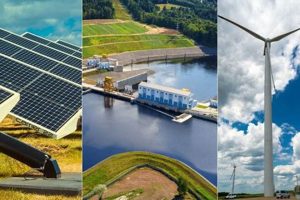
Harnessing energy from sources that replenish naturally offers numerous benefits compared to relying on finite fossil fuels. For instance, solar power transforms sunlight into electricity, while wind turbines capture kinetic energy from moving air. These methods reduce dependence on depletable resources and mitigate the environmental impact associated with their extraction and combustion.
The shift toward these sustainable practices provides significant societal and economic advantages. Reduced greenhouse gas emissions contribute to cleaner air and mitigate climate change. Furthermore, the development and implementation of these technologies stimulate economic growth, create job opportunities, and enhance energy security by diversifying energy sources. Historically, energy production has been dominated by fossil fuels; however, growing awareness of their environmental impact and the finite nature of these resources has spurred significant advancements in renewable energy technologies, making them increasingly cost-competitive and efficient.
The following sections will explore the specific benefits of various renewable energy sources, including solar, wind, hydro, geothermal, and biomass, examining their potential to contribute to a sustainable energy future.
Tips for Transitioning to Renewable Energy Sources
Implementing renewable energy solutions can be approached strategically through informed decision-making. The following tips provide guidance for individuals, businesses, and communities seeking to benefit from sustainable energy practices.
Tip 1: Conduct an Energy Audit: Evaluating current energy consumption patterns helps identify areas for improvement and potential renewable energy applications. This assessment provides a baseline for measuring the effectiveness of implemented changes.
Tip 2: Explore Available Incentives: Numerous government and private sector incentives, such as tax credits and rebates, exist to encourage renewable energy adoption. Researching these programs can significantly reduce implementation costs.
Tip 3: Consider Site-Specific Factors: Geographic location, available space, and local climate conditions influence the suitability of different renewable energy technologies. Solar panels, for example, perform optimally in sunny regions.
Tip 4: Evaluate Long-Term Costs and Benefits: While initial investments in renewable energy systems can be substantial, long-term cost savings through reduced energy bills and potential revenue generation should be factored into the decision-making process.
Tip 5: Start Small and Scale Up: Beginning with a pilot project allows for practical experience and data collection before committing to a larger-scale implementation. This approach minimizes risk and facilitates informed expansion.
Tip 6: Engage with Local Experts: Consulting with renewable energy professionals provides valuable insights into system design, installation, and maintenance, ensuring optimal performance and longevity.
Tip 7: Promote Community Involvement: Sharing information and experiences within communities fosters broader adoption of renewable energy solutions and contributes to collective sustainability efforts.
Transitioning to renewable energy sources offers significant long-term benefits, both economically and environmentally. By carefully considering these tips, stakeholders can make informed choices that support a sustainable energy future.
The concluding section will summarize the key advantages of transitioning to renewable energy and emphasize its crucial role in addressing global energy challenges.
1. Reduced Emissions

A primary advantage of renewable energy is its significant contribution to reduced greenhouse gas emissions. Fossil fuel combustion, the traditional method of energy production, releases substantial amounts of carbon dioxide, methane, and other pollutants into the atmosphere, contributing to climate change. Renewable energy sources, such as solar, wind, and hydro, offer a cleaner alternative, producing little to no greenhouse gas emissions during operation. This reduction in emissions directly addresses a critical environmental challenge, mitigating the impacts of climate change and promoting a healthier atmosphere.
The impact of reduced emissions extends beyond environmental benefits. For instance, transitioning transportation systems to electric vehicles powered by renewable energy sources decreases air pollution in urban areas, improving respiratory health and reducing healthcare costs. In industrial sectors, utilizing renewable energy for manufacturing processes minimizes carbon footprints and supports corporate sustainability goals. These practical applications demonstrate the tangible benefits of reduced emissions achieved through renewable energy adoption.
While the transition to renewable energy presents challenges, such as infrastructure development and intermittency of certain sources, the imperative to reduce emissions remains a driving force behind its continued growth and technological advancement. The long-term benefits of a cleaner, healthier environment, coupled with increased energy security and economic opportunities, underscore the vital role of reduced emissions as a core advantage of utilizing renewable energy sources.
2. Sustainable Resource
The sustainability of renewable energy sources represents a crucial advantage over finite fossil fuels. Unlike coal, oil, and natural gas, which are depletable resources, renewable energy sources replenish naturally over relatively short periods. Solar radiation, wind, water flow, and geothermal heat provide a continuous supply of energy, ensuring long-term energy security without the risk of resource depletion. This inherent sustainability allows for consistent energy production, reducing dependence on finite resources and mitigating the geopolitical risks associated with their scarcity.
The continuous availability of renewable resources translates into practical benefits. For example, solar farms can operate for decades with minimal maintenance, providing a consistent electricity supply to communities. Wind turbines harness the kinetic energy of wind, a resource constantly replenished by atmospheric processes. Hydroelectric dams utilize the natural water cycle, offering a reliable source of electricity generation. These examples demonstrate the practical application of sustainable resources in providing a secure and dependable energy supply.
The shift towards sustainable energy resources represents a fundamental change in energy production paradigms. While challenges remain, such as the intermittency of some renewable sources and the need for grid modernization, the long-term benefits of utilizing sustainable resources are undeniable. Reduced reliance on finite resources, enhanced energy security, and a mitigated environmental impact position renewable energy as a crucial component of a sustainable future.
3. Energy Independence

Energy independence represents a significant advantage associated with the utilization of renewable energy sources. Reducing reliance on imported fossil fuels enhances national energy security and mitigates vulnerabilities associated with geopolitical instability and fluctuating fuel prices. This section explores the multifaceted nature of energy independence within the context of renewable energy adoption.
- Reduced Reliance on Foreign Energy Sources
Renewable energy empowers nations to decrease their dependence on imported fossil fuels. By generating power domestically through solar, wind, hydro, and other renewable sources, countries can reduce their vulnerability to price volatility and supply disruptions in global energy markets. This enhanced energy security strengthens national resilience and reduces exposure to external economic and political pressures.
- Decentralized Energy Production
Renewable energy technologies facilitate decentralized energy production, distributing power generation across numerous smaller sources rather than relying on centralized power plants. This distributed generation model enhances grid resilience, minimizing the impact of disruptions and increasing overall system reliability. Furthermore, decentralized systems empower local communities to manage their own energy production, fostering greater energy autonomy and reducing transmission losses associated with long-distance power delivery.
- Enhanced Grid Stability
Integrating diverse renewable energy sources into the electricity grid contributes to enhanced grid stability. While individual sources like solar and wind may exhibit intermittency, combining various renewable technologies and incorporating energy storage solutions, such as batteries and pumped hydro, creates a more balanced and reliable energy supply. This diversification mitigates fluctuations and ensures a consistent flow of electricity to meet demand.
- Economic Benefits
Investing in renewable energy infrastructure stimulates domestic economic growth. Creating jobs in manufacturing, installation, maintenance, and research related to renewable energy technologies provides economic opportunities and reduces reliance on foreign energy industries. This economic diversification strengthens national economies and contributes to long-term sustainable development.
These facets of energy independence demonstrate the crucial role renewable energy plays in enhancing national security, promoting economic stability, and mitigating geopolitical risks. By transitioning to a more sustainable energy future, nations can achieve greater energy autonomy, reduce their environmental impact, and build more resilient and prosperous economies.
4. Economic Growth

Renewable energy technologies represent significant drivers of economic growth, offering diverse opportunities for investment, job creation, and innovation. The transition to a renewable energy-based economy stimulates economic activity across multiple sectors, from manufacturing and installation to maintenance and research and development. This economic expansion creates jobs, strengthens local economies, and fosters technological advancements.
For example, the burgeoning solar industry requires skilled labor for manufacturing photovoltaic panels, installing solar arrays, and maintaining these systems. Similarly, the wind energy sector generates employment opportunities in turbine manufacturing, wind farm construction, and grid integration. These real-world examples demonstrate the direct link between renewable energy development and economic growth. Furthermore, investments in renewable energy research and development spur innovation, leading to more efficient and cost-effective technologies, further accelerating economic expansion.
The economic benefits of renewable energy extend beyond direct job creation. Reduced reliance on imported fossil fuels strengthens national economies by minimizing expenditures on energy imports. This financial stability allows for greater investment in domestic infrastructure, education, and social programs, further promoting economic growth and enhancing societal well-being. Moreover, the decentralized nature of many renewable energy technologies empowers local communities to manage their own energy production, generating revenue and creating economic opportunities within these communities. While challenges remain in terms of infrastructure development and initial investment costs, the long-term economic advantages of transitioning to a renewable energy-based economy are substantial and offer a pathway toward sustainable and inclusive economic growth.
5. Improved Public Health

A significant, albeit often overlooked, advantage of transitioning to renewable energy is its positive impact on public health. Conventional energy production from fossil fuels releases harmful pollutants into the atmosphere, contributing to respiratory illnesses, cardiovascular problems, and other health issues. Renewable energy sources offer a cleaner alternative, mitigating these adverse health effects and promoting healthier communities. The causal link between fossil fuel combustion and diminished air quality is well-established, with pollutants such as particulate matter, nitrogen oxides, and sulfur dioxide directly impacting respiratory and cardiovascular systems. By reducing reliance on fossil fuels and embracing renewable energy sources, air quality improves, leading to demonstrable public health benefits.
The practical significance of this connection is substantial. Studies have shown a direct correlation between improved air quality and reduced hospital admissions for respiratory and cardiovascular conditions. For instance, communities transitioning to renewable energy often experience a decrease in asthma-related emergency room visits. Reduced air pollution also alleviates the strain on healthcare systems, freeing up resources and reducing healthcare costs. Furthermore, cleaner air enhances overall quality of life, promoting greater productivity, improved cognitive function, and increased life expectancy. These tangible benefits underscore the importance of improved public health as a core component of the advantages associated with renewable energy adoption.
While the transition to renewable energy presents challenges, such as infrastructure development and intermittency of certain sources, the long-term benefits to public health are undeniable. Reduced air pollution, decreased healthcare costs, and enhanced overall well-being contribute to healthier and more resilient communities. Addressing the complex interplay between energy production and public health is essential for promoting sustainable development and ensuring a healthier future. The shift towards renewable energy not only mitigates environmental risks but also fosters a healthier environment conducive to human well-being and societal progress.
Frequently Asked Questions
This section addresses common inquiries regarding the advantages of utilizing renewable energy sources, providing concise and informative responses to clarify potential concerns and misconceptions.
Question 1: How does renewable energy contribute to climate change mitigation?
Renewable energy sources produce little to no greenhouse gas emissions during operation, unlike fossil fuels. This significantly reduces the atmospheric concentration of greenhouse gases, mitigating the effects of climate change.
Question 2: Are renewable energy sources reliable enough to meet current energy demands?
Technological advancements and grid management strategies, including energy storage and diversification of renewable sources, increasingly ensure the reliability of renewable energy to meet current and future energy demands.
Question 3: What is the economic impact of transitioning to renewable energy?
Transitioning to renewable energy stimulates economic growth by creating jobs in manufacturing, installation, maintenance, and research, while also reducing reliance on imported fossil fuels, thereby strengthening national economies.
Question 4: How does renewable energy improve public health?
Renewable energy reduces air pollution associated with fossil fuel combustion, mitigating respiratory and cardiovascular illnesses and leading to improved public health outcomes and reduced healthcare costs.
Question 5: What are the primary challenges associated with renewable energy adoption?
Challenges include intermittency of some renewable sources, infrastructure development needs, and initial investment costs. However, ongoing technological advancements and supportive policies are addressing these challenges effectively.
Question 6: How does renewable energy contribute to energy independence?
Utilizing renewable energy reduces reliance on imported fossil fuels, enhancing energy security, mitigating geopolitical risks associated with energy dependence, and promoting greater energy autonomy.
Understanding the advantages and addressing common concerns surrounding renewable energy is essential for informed decision-making and effective implementation of sustainable energy solutions. The transition to renewable energy offers a pathway toward a cleaner, more secure, and prosperous future.
The subsequent section will explore specific examples of successful renewable energy projects globally, highlighting their contributions to sustainable development and providing practical insights into their implementation.
Advantages of Using Renewable Energy
Exploration of the advantages of using renewable energy reveals a compelling case for widespread adoption. From mitigating climate change through reduced emissions to bolstering energy independence and stimulating economic growth, the benefits are multifaceted and far-reaching. The inherent sustainability of renewable resources ensures long-term energy security, while improvements in public health resulting from cleaner air further underscore the positive societal impact. Addressing challenges such as intermittency and infrastructure development remains crucial for maximizing the potential of these resources.
The transition to renewable energy represents not merely a technological shift, but a fundamental transformation in how societies power their future. Embracing these technologies is essential for mitigating environmental risks, ensuring energy security, and building a more sustainable and prosperous future for all. Continued investment in research, development, and implementation of renewable energy solutions is paramount to realizing the full potential of these vital resources and securing a sustainable energy future.