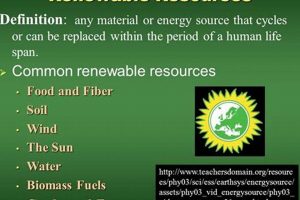
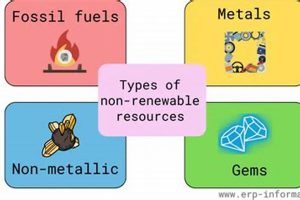
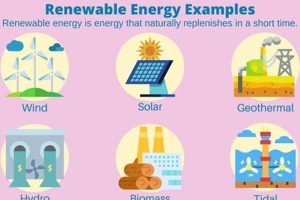
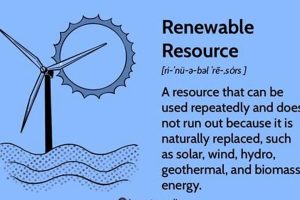
Sustainable power solutions represent a diverse range of naturally replenishing sources. These options typically exhibit a minimal environmental footprint, contrasting sharply with traditional fossil fuels. Solar, wind, geothermal, and hydropower are key examples of these environmentally conscious alternatives, deriving power from the sun, moving air, the Earth’s internal heat, and flowing water, respectively.
The employment of these sustainable options holds immense significance in mitigating climate change and fostering energy independence. Their utilization reduces greenhouse gas emissions, thereby lessening the impact on the global climate. Furthermore, the diversification of energy sources through these methods enhances energy security and reduces reliance on finite and often geopolitically sensitive fossil fuel reserves. Historically, the development and adoption of these approaches have been driven by increasing awareness of environmental degradation and the need for more sustainable practices.
This exploration will delve into the specifics of various types, examining their technological underpinnings, economic viability, and potential for widespread implementation. A comprehensive analysis of the challenges and opportunities associated with transitioning to a future powered by these methods will also be presented.
Optimizing Integration of Sustainable Power Sources
Effective implementation is crucial for maximizing the benefits and minimizing the challenges associated with these energy alternatives. Careful planning and strategic investment are essential for a successful transition.
Tip 1: Prioritize Grid Modernization: Upgrading existing electrical grids to accommodate the intermittent nature of some sustainable methods, such as solar and wind, is paramount. Smart grid technologies, including advanced sensors and data analytics, can improve grid stability and efficiency.
Tip 2: Incentivize Private Investment: Governments and regulatory bodies should offer financial incentives, such as tax credits and feed-in tariffs, to encourage private sector investment. These incentives can help reduce the financial burden and accelerate the deployment of renewable energy projects.
Tip 3: Support Research and Development: Continuous investment in research and development is necessary to improve the efficiency, reliability, and cost-effectiveness of sustainable energy technologies. Focus areas include advanced materials, energy storage solutions, and grid integration techniques.
Tip 4: Promote Energy Storage Solutions: Energy storage technologies, such as batteries and pumped hydro storage, are crucial for addressing the intermittency challenges associated with some sources. Investing in these technologies can ensure a consistent and reliable power supply.
Tip 5: Implement Supportive Policies: Governments should establish clear and consistent policies that support the deployment and utilization of sustainable power sources. These policies should address permitting processes, grid connection standards, and environmental regulations.
Tip 6: Foster Public Awareness and Education: Raising public awareness about the benefits and importance can help drive demand and support for these energy solutions. Educational programs and outreach initiatives can promote understanding and acceptance.
Tip 7: Diversify Energy Mix: A diversified energy mix that includes a variety of sustainable sources can enhance energy security and resilience. Relying on a single technology can expose the system to vulnerabilities.
Successfully integrating sustainable power solutions requires a multifaceted approach that combines technological innovation, supportive policies, and strategic investments. By implementing these tips, nations can accelerate the transition towards a cleaner, more sustainable energy future.
The subsequent sections will explore specific sustainable energy technologies and their potential for widespread adoption.
1. Renewability

Renewability forms the cornerstone of environmentally friendly energy solutions. These resources, by definition, replenish naturally within a human timescale, ensuring a continuous and virtually inexhaustible supply of energy. This characteristic distinguishes them from fossil fuels, which are finite and contribute significantly to environmental degradation. The inherent connection is causal: the renewable nature directly dictates its status as environmentally conscious, reducing dependence on depleting resources and their associated negative impacts.
The practical significance of this understanding lies in its implications for long-term energy planning and sustainability initiatives. For instance, solar irradiation, a constant source of energy, powers photovoltaic cells, converting sunlight into electricity. Similarly, wind turbines harness kinetic energy from the atmospheric air circulation, continuously generating electricity. The constant, natural replenishment mechanisms in both cases guarantee a virtually endless supply of electricity, reducing the reliance on resources that depleting.
In summary, renewability is an essential and defining characteristic of environmentally friendly energy. It ensures a sustained energy supply, mitigates resource depletion, and reduces environmental impact. Overcoming challenges, such as intermittency and energy storage limitations, remains crucial to realizing the full potential of environmentally sound energy. These advancements, in turn, solidify their role in a sustainable energy future and facilitate a global shift away from traditional fossil fuels.
2. Sustainability

Sustainability, as it relates to environmentally friendly energy, constitutes a multifaceted concept extending beyond mere renewability. It encompasses the environmental, social, and economic dimensions associated with energy production and consumption. The utilization of sustainable methods strives to minimize adverse impacts on ecosystems, human health, and future generations. This contrasts sharply with conventional energy sources, which often contribute to pollution, habitat destruction, and social inequities. The causal relationship is evident: unsustainable energy practices lead to environmental degradation and societal challenges, while sustainable practices foster long-term ecological and social well-being. The importance of sustainability lies in its ability to ensure that energy systems meet present needs without compromising the ability of future generations to meet their own needs.
Real-world examples illustrate this connection. Consider the lifecycle analysis of solar photovoltaic (PV) systems. While solar PV generates electricity with minimal greenhouse gas emissions during operation, the manufacturing process involves energy consumption and material extraction. Sustainability assessments evaluate the entire lifecycle, including raw material sourcing, manufacturing, transportation, installation, operation, and end-of-life management, to identify potential environmental hotspots and develop mitigation strategies. Furthermore, community solar projects exemplify the social dimension of sustainability, empowering local communities to generate their own energy, create jobs, and improve energy affordability. Geothermal energy, while renewable, requires careful management of geothermal reservoirs to ensure their long-term viability and prevent depletion. This demonstrates that even renewable sources require sustainable management practices.
In conclusion, sustainability serves as a guiding principle for the development and deployment of environmentally friendly energy solutions. It necessitates a holistic approach that considers environmental protection, social equity, and economic viability. Addressing challenges such as resource extraction, waste management, and social justice is essential to realizing the full potential of these energy sources. The pursuit of energy options is not solely about shifting to renewable resources; it is about transitioning to energy systems that are environmentally sound, socially responsible, and economically sustainable. This holistic perspective is critical for achieving a truly sustainable energy future.
3. Environmental Impact
The environmental impact of energy production and consumption is a paramount consideration when evaluating various options. Environmentally conscious energy resources are designed to minimize the negative effects associated with traditional fossil fuels, presenting a more sustainable pathway for power generation. The shift toward these resources is motivated by the imperative to reduce pollution, mitigate climate change, and preserve natural ecosystems.
- Reduction of Greenhouse Gas Emissions
One of the most significant benefits is the marked reduction in greenhouse gas emissions. Unlike coal-fired power plants, environmentally sound energy sources such as solar and wind produce little to no greenhouse gases during operation. This directly contributes to mitigating climate change by lessening the concentration of heat-trapping gases in the atmosphere. The adoption of these sources represents a crucial step in transitioning to a low-carbon economy and combating the effects of global warming.
- Minimized Air and Water Pollution
Environmentally sound energy alternatives significantly reduce air and water pollution. Fossil fuel combustion releases pollutants such as sulfur dioxide, nitrogen oxides, and particulate matter, which contribute to respiratory problems and acid rain. Furthermore, coal mining and oil extraction can contaminate water resources and disrupt ecosystems. Environmentally conscious energy options, such as solar and wind, produce minimal air and water pollutants, thereby improving public health and preserving water quality. The result is a cleaner and healthier environment.
- Land Use Considerations
While frequently touted as an environmental boon, some sources of environmentally conscious energy do have land use implications. Large-scale solar and wind farms require substantial land areas, which can potentially impact wildlife habitats and agricultural land. Careful planning and siting are essential to minimize these impacts, such as by locating facilities in degraded or marginal lands. Effective environmental impact assessments can help identify and mitigate potential ecological consequences, ensuring responsible deployment.
- Resource Depletion and Waste Management
Unlike fossil fuels, environmentally conscious resources are renewable. However, the manufacturing and disposal of equipment, such as solar panels and wind turbine blades, does pose challenges related to resource depletion and waste management. Research and development efforts are focused on improving the recyclability and lifespan of these components, as well as reducing the environmental footprint of manufacturing processes. Adopting a circular economy approach, which emphasizes waste reduction and resource reuse, is crucial for addressing these challenges.
The various facets of environmental impact underscore the importance of considering the full lifecycle of energy production. Environmentally conscious options offer significant advantages over fossil fuels in terms of reducing greenhouse gas emissions, minimizing air and water pollution, and conserving resources. However, careful planning and sustainable practices are essential to mitigate potential negative impacts associated with land use and waste management. By prioritizing environmental protection, these energy resources contribute to a cleaner, healthier, and more sustainable future.
4. Economic Viability

Economic viability is a central determinant in the widespread adoption and sustained deployment of environmentally conscious energy resources. It encompasses the financial feasibility, competitiveness, and long-term cost-effectiveness of these technologies relative to conventional energy sources. The perceived and actual economic advantages, or disadvantages, directly influence investment decisions, policy support, and market penetration. A clear understanding of the multifaceted components of economic viability is essential for navigating the energy transition.
- Capital Costs and Investment
The initial capital investment required for environmentally sound energy projects can be substantial. Solar farms, wind turbines, and geothermal plants necessitate significant upfront expenditures for equipment, construction, and grid integration. These costs can be a barrier to entry, particularly in developing economies. However, decreasing technology costs and innovative financing mechanisms, such as green bonds and public-private partnerships, are gradually mitigating this challenge. Continued research and development, coupled with economies of scale, are expected to further reduce capital costs and enhance the economic attractiveness of these projects.
- Operational and Maintenance Costs
While the initial capital outlay may be higher, environmentally friendly energy often exhibits lower operational and maintenance costs compared to fossil fuel-based power plants. Solar and wind facilities, for example, do not require fuel inputs and have relatively low maintenance requirements. This can result in significant long-term cost savings and improved economic competitiveness. However, factors such as equipment lifespan, warranty provisions, and maintenance contracts must be carefully considered when evaluating the economic viability of these projects.
- Energy Storage and Grid Integration Costs
The intermittent nature of certain environmentally sound sources, such as solar and wind, presents challenges related to energy storage and grid integration. Energy storage technologies, such as batteries and pumped hydro storage, can help address intermittency but add to the overall project cost. Upgrading the electrical grid to accommodate variable generation also requires substantial investments. The economic viability of these technologies is directly linked to the development of cost-effective energy storage solutions and smart grid infrastructure.
- Government Incentives and Policy Support
Government incentives and policy support play a crucial role in promoting the economic viability of environmentally sound energy. Tax credits, feed-in tariffs, and renewable energy mandates can improve the financial returns for project developers and encourage investment. Carbon pricing mechanisms, such as carbon taxes and cap-and-trade systems, can also make environmentally sound sources more competitive by internalizing the environmental costs of fossil fuels. Clear and consistent policy frameworks are essential for creating a stable and predictable investment environment.
The various aspects of economic viability underscore the dynamic interplay between technology, policy, and market forces in shaping the energy landscape. As technology advances, costs decline, and supportive policies are implemented, the economic competitiveness of environmentally sound sources continues to improve. The transition to a sustainable energy future hinges on fostering economically viable projects that can deliver reliable, affordable, and environmentally responsible power. A comprehensive assessment of economic factors is crucial for informed decision-making and effective deployment of environmentally conscious energy resources.
5. Technological Advancement

Technological advancement serves as a primary driver in enhancing the efficiency, affordability, and scalability of environmentally sound energy resources. Innovations across various technological domains are critical to overcoming existing limitations and unlocking the full potential of these sustainable alternatives.
- Improved Solar Photovoltaic Efficiency
Advancements in solar photovoltaic (PV) technology directly impact the efficiency with which sunlight is converted into electricity. Innovations in materials science, such as perovskite and tandem solar cells, offer the potential to significantly increase energy conversion rates. These improvements can lead to higher power output from smaller land areas, reducing the overall cost per kilowatt-hour and enhancing the competitiveness of solar energy compared to fossil fuels. For example, the development of bifacial solar panels, which capture sunlight from both sides, exemplifies ongoing efforts to maximize energy yield and minimize land use.
- Advanced Wind Turbine Designs
Wind turbine technology continues to evolve, with advancements in blade design, aerodynamics, and control systems enhancing energy capture and reducing operational costs. Taller towers and larger rotor diameters enable turbines to access stronger and more consistent wind resources. Furthermore, innovations in gearbox technology and direct-drive systems improve reliability and reduce maintenance requirements. The development of floating offshore wind turbines expands the potential for harnessing wind energy in deeper waters, where wind resources are abundant. These advancements contribute to increased energy production and reduced levelized cost of energy.
- Enhanced Energy Storage Solutions
Effective energy storage solutions are crucial for addressing the intermittency challenges associated with solar and wind power. Technological advancements in battery technology, pumped hydro storage, and compressed air energy storage are improving the efficiency, capacity, and lifespan of energy storage systems. Lithium-ion batteries, for example, are becoming increasingly cost-effective and are widely used in grid-scale storage applications. The development of advanced battery chemistries, such as solid-state batteries and flow batteries, offers the potential for even greater energy density and improved safety. These advancements enable greater grid stability and facilitate the integration of higher levels of renewable energy.
- Smart Grid Technologies and Grid Modernization
The modernization of electrical grids through the implementation of smart grid technologies is essential for accommodating the variable nature of renewable energy sources. Smart grids incorporate advanced sensors, communication networks, and control systems to optimize energy distribution, improve grid reliability, and enhance energy efficiency. Smart meters, demand response programs, and advanced forecasting tools enable better management of energy demand and supply. These technologies facilitate the integration of distributed generation, such as rooftop solar, and improve the overall resilience of the power grid. Grid modernization is a critical enabler of a sustainable energy future.
The cumulative effect of these technological advancements is to drive down the cost, improve the performance, and enhance the reliability of environmentally sound energy resources. Continuous innovation is essential to accelerate the transition to a sustainable energy system and to achieve global climate goals. The synergy between technological progress and supportive policies is vital for unlocking the full potential of these sustainable alternatives.
6. Energy Security

Energy security, defined as the uninterrupted availability of energy sources at an affordable price, is inextricably linked to the development and deployment of environmentally sound energy resources. Reliance on a diverse range of sources mitigates the risks associated with dependence on a single fuel type, especially when that fuel is subject to geopolitical instability or price volatility.
- Diversification of Energy Sources
Environmentally conscious energy resources inherently promote diversification by expanding the energy mix beyond traditional fossil fuels. Solar, wind, geothermal, and hydropower, among others, each offer unique attributes and geographic distributions. This diversification reduces vulnerability to disruptions in supply chains and price fluctuations that can destabilize energy markets. For example, nations heavily reliant on imported natural gas may experience significant economic hardship during periods of international conflict or infrastructure failure. Integrating domestically sourced renewable energy diminishes this vulnerability, strengthening national energy security.
- Reduced Reliance on Geopolitically Sensitive Regions
Fossil fuel reserves are concentrated in specific geographic regions, often characterized by political instability. Reliance on these regions for energy supply can expose nations to geopolitical risks, including supply disruptions, price manipulation, and political pressure. Environmentally friendly resources, by contrast, are distributed more broadly across the globe. Solar irradiance, wind patterns, and geothermal activity exist in diverse locations, allowing nations to develop indigenous energy resources and reduce dependence on volatile regions. This decentralization enhances energy independence and national security.
- Mitigation of Price Volatility
Fossil fuel prices are subject to significant volatility, influenced by factors such as geopolitical events, supply and demand imbalances, and speculative trading. These price fluctuations can have a detrimental impact on economies, particularly those heavily reliant on imported fossil fuels. Environmentally sound energy resources, while often requiring upfront capital investment, typically have lower operational costs due to the absence of fuel inputs. This reduces exposure to price volatility and provides greater stability in energy costs over the long term. Power Purchase Agreements (PPAs) for solar or wind energy, for instance, often provide fixed prices for electricity over extended periods, offering a hedge against market fluctuations.
- Resilience to Infrastructure Disruptions
Centralized energy systems, such as large power plants and extensive transmission networks, are vulnerable to disruptions caused by natural disasters, cyberattacks, and infrastructure failures. Environmentally friendly energy resources can be deployed in a distributed manner, enhancing the resilience of the energy system. Distributed generation, such as rooftop solar panels and microgrids, allows communities to generate their own power, reducing dependence on the central grid. This distributed architecture enhances system redundancy and reduces the impact of localized disruptions, thereby improving overall energy security.
The multifaceted connection between energy security and environmentally conscious energy resources underscores the strategic importance of transitioning to a sustainable energy future. By diversifying energy sources, reducing reliance on geopolitically sensitive regions, mitigating price volatility, and enhancing infrastructure resilience, environmentally friendly energy can significantly bolster national energy security and contribute to a more stable and prosperous world.
Frequently Asked Questions About Green Energy Resources
This section addresses common inquiries regarding environmentally conscious energy, providing factual information to promote better understanding.
Question 1: What constitutes a “green” energy resource?
A “green” energy resource is generally defined as one that replenishes naturally and produces minimal pollution compared to conventional sources like fossil fuels. Examples include solar, wind, geothermal, and hydroelectric power.
Question 2: Are environmentally conscious energy resources truly sustainable?
While the term “green” implies environmental benefits, the true sustainability requires consideration of the entire lifecycle. This encompasses raw material extraction, manufacturing, operation, and disposal. Some options may have environmental impacts during non-operational phases.
Question 3: What is the current cost comparison between green energy and traditional energy sources?
The cost comparison varies based on the specific technology and geographic location. In many regions, solar and wind power are becoming increasingly cost-competitive with fossil fuels, especially when factoring in long-term operational costs and environmental externalities. However, energy storage costs remain a challenge.
Question 4: How reliable are environmentally sound energy resources given their intermittent nature?
The reliability of intermittent sources like solar and wind depends on factors such as weather patterns and grid infrastructure. Energy storage solutions, smart grid technologies, and geographical diversification of installations can improve reliability and grid stability. Base load environmentally friendly options like geothermal and hydroelectricity offer consistent power generation.
Question 5: What are the primary challenges hindering the wider adoption of environmentally conscious energy?
Challenges include high initial capital costs, intermittency issues, the need for grid modernization, land use considerations, and policy uncertainties. Overcoming these hurdles requires continued technological innovation, supportive government policies, and public acceptance.
Question 6: What is the role of individual consumers in promoting the use of green energy?
Individual consumers can contribute by adopting energy-efficient practices, investing in renewable energy systems (e.g., rooftop solar), supporting policies that promote environmentally sound energy, and choosing electricity providers that offer renewable energy options. Collective action can significantly drive demand and accelerate the transition to a cleaner energy future.
In summary, environmentally conscious energy presents both opportunities and challenges. A comprehensive understanding of these aspects is essential for making informed decisions and fostering a sustainable energy transition.
The following section will explore future trends and potential pathways for the further development and deployment of environmentally responsible energy solutions.
Conclusion
This analysis has provided a comprehensive overview of green energy resources, examining their attributes, benefits, challenges, and future potential. The transition to these sustainable alternatives is driven by the imperative to mitigate climate change, enhance energy security, and promote environmental stewardship. Effective implementation requires a multifaceted approach, encompassing technological innovation, supportive policies, and strategic investments.
The widespread adoption of green energy resources represents a fundamental shift in the global energy paradigm. Continued progress hinges on sustained commitment from governments, industries, and individuals to prioritize sustainability and invest in a cleaner, more resilient energy future. The stakes are considerable, demanding a concerted effort to overcome existing barriers and realize the full potential of these essential resources.
![Guide to What Energy Resources Are Renewable [+Future] | Renewable Energy Solutions for a Sustainable Future | Clean & Green Power](https://pplrenewableenergy.com/wp-content/uploads/2026/03/th-516-300x200.jpg "Guide to What Energy Resources Are Renewable [+Future] Renewable Energy Solutions for a Sustainable Future | Clean & Green Power")