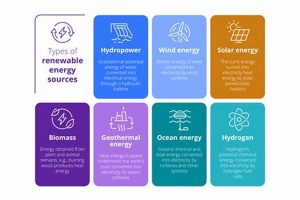
Germany’s pioneering legislation for promoting sustainable power sources, the Erneuerbare-Energien-Gesetz (EEG), established a feed-in tariff system, guaranteeing producers of electricity from renewable sources a fixed price for their output over a set period. This framework provided crucial long-term security for investments in technologies like solar, wind, biomass, and hydropower. For example, a homeowner installing solar panels could sell excess energy back to the grid at a predetermined rate, ensuring a return on their investment.
This policy instrument played a key role in significantly expanding renewable energy capacity within Germany, contributing to reduced reliance on fossil fuels and lowered carbon emissions. Introduced in 2000 and subsequently amended to adapt to technological advancements and market conditions, the legislation has served as a model for similar policies internationally. Its success has demonstrably stimulated technological innovation, job creation within the renewable energy sector, and a shift towards a more sustainable energy landscape.
This foundation provides a framework for understanding the broader implications of Germany’s energy transition, including its impacts on electricity markets, grid stability, and its role in achieving national and international climate goals. Further exploration will consider the specific mechanisms of the legislation, its evolution over time, and its ongoing influence on the global renewable energy landscape.
Tips for Engaging with Germany’s Renewable Energy Landscape
Understanding the core principles of Germany’s energy transition framework allows individuals and businesses to make informed decisions regarding renewable energy investments and participation.
Tip 1: Research Regional Incentives: Policies and incentives can vary at the state and local levels, offering additional opportunities beyond the national framework.
Tip 2: Understand Grid Connection Requirements: Connecting renewable energy systems to the grid involves technical and administrative processes that require careful planning.
Tip 3: Explore Community Energy Projects: Participating in community-owned renewable energy initiatives can offer shared benefits and reduced investment risks.
Tip 4: Consider Energy Storage Solutions: Integrating battery storage can optimize the self-consumption of generated renewable energy and enhance grid stability.
Tip 5: Stay Informed about Policy Updates: The renewable energy landscape is constantly evolving. Staying abreast of policy changes ensures continued compliance and optimal utilization of available support mechanisms.
Tip 6: Consult with Qualified Professionals: Seeking expert advice from engineers, legal professionals, and financial advisors can help navigate the complexities of renewable energy projects.
Tip 7: Evaluate Long-Term Investment Strategies: Renewable energy projects often involve long-term commitments. Careful financial planning and risk assessment are essential.
By considering these factors, stakeholders can effectively navigate the German renewable energy landscape and contribute to a sustainable energy future.
These insights into practical considerations provide a basis for further investigation into specific project development strategies and opportunities within Germany’s energy transition.
1. Feed-in Tariffs

Feed-in tariffs constitute a central pillar of the German Renewable Energy Act (EEG), serving as a key mechanism for promoting renewable energy generation. By guaranteeing fixed prices for electricity generated from renewable sources, feed-in tariffs provide investment security and incentivize the adoption of sustainable energy technologies. This exploration delves into the multifaceted role of feed-in tariffs within the EEG framework.
- Price Stability and Investment Security
Guaranteed prices shield investors from market volatility, encouraging long-term investments in renewable energy projects. This predictability enables project developers to secure financing and ensures a stable return on investment, facilitating the growth of the renewable energy sector. For example, a wind farm developer can confidently project future revenues based on the established feed-in tariff, reducing financial risks.
- Technology-Specific Tariffs
The EEG employs differentiated tariffs tailored to specific renewable energy technologies, considering their respective costs and maturity levels. This approach ensures appropriate support for emerging technologies while promoting cost-effectiveness across the renewable energy spectrum. Historically, higher tariffs for solar photovoltaics helped accelerate its widespread adoption, while gradually decreasing tariffs reflect declining costs and technological advancements.
- Grid Integration and Priority Dispatch
Renewable energy sources, under the EEG, receive priority dispatch to the electricity grid. This preferential access ensures that renewable energy is fed into the grid first, reducing reliance on conventional power plants. Feed-in tariffs, coupled with grid priority, further incentivize the integration of renewable energy into the electricity system.
- Impact on Electricity Prices and Consumer Costs
While feed-in tariffs promote renewable energy growth, they can influence electricity prices. The costs associated with these tariffs are typically passed on to consumers through a surcharge on electricity bills. Policymakers continuously evaluate and adjust the tariff structure to balance promoting renewable energy development with managing consumer costs.
The feed-in tariff system, as a core component of the EEG, has demonstrably driven the expansion of renewable energy capacity in Germany. However, its ongoing evolution reflects the dynamic nature of the energy sector, requiring continuous adaptation to technological advancements, market conditions, and evolving policy goals. Understanding the complexities of feed-in tariffs offers crucial insights into the broader context of Germany’s energy transition and its implications for a sustainable energy future.
2. Renewable Energy Promotion
Renewable energy promotion forms the core objective of the German Renewable Energy Act (EEG). The EEG establishes a comprehensive framework designed to incentivize the growth and development of renewable energy sources within Germany. Understanding this promotional aspect is crucial for comprehending the broader impact of the EEG on the German energy landscape and its contribution to global sustainability efforts.
- Feed-in Tariffs and Guaranteed Market Access
The EEG’s feed-in tariff system guarantees producers of renewable energy a fixed price for their electricity fed into the grid, providing long-term price stability and encouraging investment. This guaranteed market access reduces risks associated with fluctuating energy prices, stimulating further development of renewable energy projects. Wind farm developers, for instance, can confidently project revenues based on established feed-in tariffs.
- Priority Dispatch and Grid Integration
Renewable energy sources are granted priority dispatch to the electricity grid, meaning they are preferentially fed into the grid over conventional power plants. This priority access ensures maximum utilization of renewable energy generation and reduces reliance on fossil fuel-based electricity. This mechanism encourages grid operators to invest in infrastructure necessary to accommodate the increasing influx of renewable energy.
- Support for Emerging Technologies and Innovation
The EEG provides targeted support for emerging renewable energy technologies, fostering innovation and driving down costs. This support can take various forms, including research and development funding, pilot projects, and technology-specific feed-in tariffs. Such targeted measures have contributed significantly to the advancement of offshore wind power and biogas technologies in Germany.
- Citizen Participation and Community Energy
The EEG encourages community-based renewable energy projects, empowering citizens and local communities to actively participate in the energy transition. This focus on community engagement fosters local ownership of renewable energy infrastructure and promotes a more decentralized and democratic energy system. Community-owned wind farms and solar parks exemplify this participatory approach.
These promotional mechanisms within the EEG have collectively contributed to the significant growth of renewable energy in Germany, transforming the energy landscape and driving the country towards a more sustainable future. The EEG’s success serves as a model for other nations seeking to accelerate their own renewable energy transitions and demonstrates the effectiveness of comprehensive policy frameworks in achieving ambitious climate and energy goals. Future analyses might explore the evolving nature of these promotional mechanisms and their adaptation to ongoing technological advancements and market dynamics.
3. Grid Priority Access

Grid priority access constitutes a cornerstone of the German Renewable Energy Act (EEG), ensuring preferential feed-in of electricity generated from renewable sources into the electricity grid. This prioritization plays a crucial role in promoting renewable energy integration, reducing reliance on conventional power plants, and facilitating the transition to a more sustainable energy system. The following facets illuminate the significance of grid priority access within the EEG framework.
- Legal Basis and Regulatory Framework
The EEG establishes the legal basis for grid priority access, mandating grid operators to prioritize the feed-in of renewable energy. This regulatory framework ensures that renewable energy sources are given precedence over conventional generators, fostering a shift towards cleaner electricity generation. Specific regulations outline technical requirements and connection procedures for renewable energy installations, streamlining grid integration processes.
- Impact on Conventional Power Plants and Dispatch Order
Grid priority for renewables alters the conventional dispatch order of power plants. Traditionally, power plants were dispatched based on economic merit order, prioritizing the cheapest sources. With grid priority, renewable energy sources, regardless of their marginal cost, are fed in first, displacing conventional power plants and reducing their operating hours. This shift can impact the profitability of conventional generators and necessitates adjustments in power system operation.
- Grid Management and Technical Challenges
The increasing influx of renewable energy due to grid priority access presents grid management challenges. The intermittent nature of renewable sources, such as solar and wind, requires sophisticated grid balancing mechanisms and increased flexibility. Grid operators must invest in grid infrastructure upgrades and advanced forecasting technologies to ensure grid stability and reliability in the face of fluctuating renewable energy generation.
- Contribution to Emissions Reduction and Climate Goals
Grid priority access directly contributes to emissions reduction targets by displacing fossil fuel-based electricity generation. By prioritizing renewable energy feed-in, the EEG mechanism reduces the overall carbon intensity of the electricity supply, supporting Germany’s climate goals and promoting a transition to a cleaner energy system. This preferential access incentivizes further investments in renewable energy capacity, accelerating the decarbonization of the electricity sector.
Grid priority access, as a fundamental component of the EEG, has demonstrably facilitated the integration of renewable energy into the German electricity grid. However, ongoing challenges related to grid management and the intermittent nature of renewable sources require continuous adaptation and innovation. Understanding the complexities of grid priority access provides essential insights into the effectiveness and ongoing evolution of the EEG in achieving its overarching objectives of promoting renewable energy and mitigating climate change.
4. Emissions Reduction Targets

Emissions reduction targets represent a driving force behind the German Renewable Energy Act (EEG). The EEG serves as a crucial instrument for achieving Germany’s ambitious climate goals, including substantial reductions in greenhouse gas emissions. This intricate connection between emissions reduction targets and the EEG necessitates a detailed exploration of their interplay, considering cause and effect, practical significance, and real-world implications.
The EEG’s central role in achieving emissions reduction targets stems from its promotion of renewable energy sources. By incentivizing the deployment of technologies like wind, solar, and biomass, the EEG displaces fossil fuel-based electricity generation, directly reducing emissions from the power sector. The guaranteed feed-in tariffs and grid priority access provided by the EEG create a favorable environment for renewable energy investments, accelerating the transition away from carbon-intensive energy sources. Germany’s significant progress in reducing emissions from its electricity sector demonstrates the effectiveness of this approach. The countrys experience serves as a case study for the impact of targeted policy interventions on emissions reduction trajectories.
Furthermore, the EEGs focus on innovation and technological advancement contributes to long-term emissions reductions. By supporting the development of cutting-edge renewable energy technologies, the EEG fosters continuous improvement in efficiency and cost-effectiveness, further enhancing the potential for emissions abatement. For example, the EEG’s support for offshore wind power has contributed to its rapid growth and cost reductions, making it a key component of Germany’s future energy mix. This emphasis on innovation strengthens the long-term viability of renewable energy as a primary driver of emissions reductions.
In conclusion, the German Renewable Energy Act stands as a critical policy instrument for achieving emissions reduction targets. Its mechanisms for promoting renewable energy deployment, fostering innovation, and driving the transition away from fossil fuels demonstrate a clear link between policy action and tangible environmental outcomes. Germany’s experience offers valuable insights for other nations striving to meet their climate commitments through targeted renewable energy policies. Challenges remain, including grid integration and balancing intermittency, but the EEG provides a framework for addressing these issues while maintaining a focus on long-term emissions reductions.
5. Market Stability Mechanisms

Market stability mechanisms within the German Renewable Energy Act (EEG) play a crucial role in ensuring the continued growth and integration of renewable energy sources while mitigating potential market disruptions. These mechanisms address the challenges posed by the intermittent nature of renewable energy and its impact on electricity markets. Their effective implementation is essential for balancing policy objectives with market realities.
- Balancing Market Integration
The fluctuating nature of renewable energy generation requires robust balancing mechanisms to ensure grid stability. The EEG fosters participation in balancing markets, allowing renewable energy producers to contribute to grid balancing efforts and compensate for intermittency. This integration ensures a reliable electricity supply while maximizing the utilization of renewable resources. For example, wind farm operators can adjust their output based on real-time grid conditions, contributing to system stability.
- Renewable Energy Surcharge Management
The EEG levies a surcharge on electricity consumption to finance the feed-in tariffs provided to renewable energy producers. Managing this surcharge effectively is crucial for minimizing its impact on consumer electricity prices and ensuring public acceptance of the energy transition. Mechanisms for adjusting the surcharge based on market conditions and renewable energy deployment levels help maintain cost control and prevent undue burden on consumers.
- Grid Expansion and Infrastructure Development
The increasing share of renewable energy necessitates significant grid expansion and modernization. The EEG promotes investments in grid infrastructure to accommodate the influx of renewable energy and ensure efficient power transmission. This includes developing smart grids, enhancing grid interconnections, and optimizing grid management practices to ensure reliable integration of renewable sources.
- Long-Term Contracts and Power Purchase Agreements (PPAs)
The EEG framework facilitates the use of long-term contracts and PPAs, providing price stability and risk mitigation for renewable energy projects. These mechanisms enable developers to secure financing and ensure long-term revenue streams, fostering investor confidence and driving further growth in the renewable energy sector. Corporate PPAs, for instance, provide a stable demand source for renewable energy projects.
These market stability mechanisms within the EEG are essential for achieving a smooth transition to a renewable energy-based electricity system. They address the specific challenges associated with integrating intermittent renewable sources while ensuring market efficiency and cost-effectiveness. The ongoing evolution of these mechanisms reflects the dynamic nature of the energy sector and the need for continuous adaptation to changing market conditions and technological advancements. The EEG’s success in balancing policy objectives with market realities provides valuable lessons for other countries pursuing similar energy transitions.
6. Technological Innovation
Technological innovation is intrinsically linked to the success of the German Renewable Energy Act (EEG). The EEG has not only incentivized the adoption of existing renewable energy technologies but has also fostered a dynamic environment conducive to research, development, and deployment of innovative solutions. This interplay between policy and technological advancement has been crucial for driving down costs, improving efficiency, and expanding the range of renewable energy applications.
- Research and Development Funding
The EEG supports research and development initiatives focused on advancing renewable energy technologies. Dedicated funding programs and incentives stimulate innovation in areas such as solar cell efficiency, wind turbine design, and energy storage solutions. This targeted funding accelerates the development and commercialization of next-generation technologies, contributing to continuous improvement in the renewable energy sector. For example, funding programs have supported the development of highly efficient photovoltaic cells and advanced wind turbine blade designs.
- Pilot Projects and Demonstration Plants
The EEG encourages the implementation of pilot projects and demonstration plants for emerging renewable energy technologies. These initiatives provide real-world testing environments for innovative solutions, allowing developers to validate their technologies and gather valuable operational data. Successful pilot projects can pave the way for wider adoption and commercialization, accelerating the market entry of promising technologies. Examples include pilot projects for wave energy converters and innovative biogas plants.
- Grid Integration and Smart Grid Technologies
The increasing penetration of renewable energy sources requires advanced grid management solutions. The EEG promotes the development and implementation of smart grid technologies, enabling more efficient integration of intermittent renewable energy sources. Smart grids enhance grid stability, optimize power flow, and facilitate the integration of distributed generation resources, contributing to a more resilient and flexible electricity system. Examples include the deployment of advanced grid control systems and real-time monitoring technologies.
- Energy Storage Solutions
Addressing the intermittency of renewable energy sources necessitates efficient and cost-effective energy storage solutions. The EEG promotes research and development in energy storage technologies, including batteries, pumped hydro storage, and thermal storage. These technologies play a crucial role in balancing supply and demand, ensuring grid stability, and maximizing the utilization of renewable energy resources. Advancements in battery technology, for example, have significantly improved the feasibility of storing solar and wind energy for later use.
The German Renewable Energy Act’s emphasis on technological innovation has created a positive feedback loop, driving down costs, improving performance, and expanding the market for renewable energy technologies. This continuous cycle of innovation reinforces the EEG’s effectiveness in achieving its emissions reduction targets and promoting a sustainable energy future. Further exploration could analyze the spillover effects of these innovations on other sectors and their contribution to global technological advancements in the renewable energy domain.
7. Sustainable Development
The German Renewable Energy Act (EEG) fundamentally contributes to sustainable development by addressing key environmental, economic, and social dimensions. The act’s focus on transitioning to renewable energy sources directly mitigates environmental impacts associated with fossil fuel-based electricity generation. Reduced greenhouse gas emissions, decreased air pollution, and minimized reliance on finite resources represent crucial environmental benefits stemming from the EEG. This alignment with environmental sustainability principles positions the EEG as a key instrument for achieving long-term ecological goals. For example, the growth of wind energy capacity facilitated by the EEG demonstrably reduces reliance on coal-fired power plants, mitigating air pollution and contributing to cleaner air quality.
Economically, the EEG fosters sustainable development by stimulating growth and innovation within the renewable energy sector. The act creates market opportunities for renewable energy technologies, driving investment, job creation, and technological advancements. This economic stimulus contributes to a more diversified and resilient energy economy, reducing dependence on volatile global fossil fuel markets. Furthermore, the EEG promotes energy independence, enhancing national energy security and reducing vulnerability to external energy price fluctuations. The growth of the solar photovoltaic industry in Germany, spurred by the EEG, exemplifies the economic benefits of supporting renewable energy technologies.
Socially, the EEG contributes to sustainable development by promoting public participation in the energy transition and enhancing energy access. Community-based renewable energy projects empower citizens to actively participate in the energy system, fostering local ownership and democratic decision-making processes. Increased energy access, particularly in rural areas, improves quality of life and supports economic development. Furthermore, the EEG’s focus on environmental protection contributes to public health benefits, aligning with social sustainability goals. The proliferation of community-owned wind farms across Germany illustrates the social dimension of the energy transition fostered by the EEG.
In summary, the German Renewable Energy Act serves as a powerful instrument for advancing sustainable development across its environmental, economic, and social dimensions. By promoting renewable energy, stimulating innovation, and fostering public participation, the EEG contributes to a more sustainable and resilient future. While challenges remain in terms of grid integration, cost management, and ensuring a just transition, the EEG provides a robust framework for navigating these complexities and achieving long-term sustainability goals. The ongoing evolution of the EEG reflects the dynamic nature of sustainable development and the continuous need for policy adaptation and innovation to meet evolving societal needs and environmental imperatives.
Frequently Asked Questions about the German Renewable Energy Act
This section addresses common inquiries regarding the German Renewable Energy Act (EEG), providing concise and informative responses to clarify key aspects of the legislation and its implications.
Question 1: How does the EEG impact electricity prices for consumers?
The EEG levies a surcharge on electricity bills to finance the feed-in tariffs provided to renewable energy producers. While this surcharge contributes to higher electricity prices, it also supports the growth of renewable energy and reduces reliance on fossil fuels, contributing to long-term environmental and economic benefits.
Question 2: What role does the EEG play in achieving Germany’s emissions reduction targets?
The EEG is a central instrument for achieving Germany’s emissions reduction targets. By promoting the deployment of renewable energy sources, the EEG displaces fossil fuel-based electricity generation, significantly reducing greenhouse gas emissions in the power sector.
Question 3: How does the EEG support technological innovation in the renewable energy sector?
The EEG provides funding for research and development, supports pilot projects, and incentivizes the implementation of innovative renewable energy technologies. These mechanisms foster continuous technological advancement and contribute to cost reductions in the renewable energy sector.
Question 4: What are the grid integration challenges associated with the increased use of renewable energy under the EEG?
The intermittent nature of renewable energy sources like solar and wind power presents grid integration challenges. Managing grid stability and balancing fluctuating renewable energy generation require investments in grid infrastructure, smart grid technologies, and energy storage solutions.
Question 5: How does the EEG promote citizen participation in the energy transition?
The EEG encourages community-based renewable energy projects, enabling citizens and local communities to invest in and benefit from renewable energy generation. This fosters local ownership, strengthens community engagement, and promotes a more decentralized energy system.
Question 6: How does the EEG contribute to Germany’s energy security?
By promoting domestic renewable energy generation, the EEG reduces reliance on imported fossil fuels, enhancing Germany’s energy independence and mitigating vulnerabilities associated with volatile global energy markets.
Understanding these key aspects of the EEG provides valuable insights into its impact on the German energy landscape, its contribution to sustainable development, and its role in achieving national and international climate goals.
Further exploration may delve into specific policy details, market mechanisms, and future developments within the framework of the German Renewable Energy Act.
Conclusion
The German Renewable Energy Act (EEG) stands as a significant policy instrument driving the transition to a sustainable energy future. Analysis reveals its comprehensive framework, encompassing feed-in tariffs, grid priority access, market stabilization mechanisms, and targeted support for technological innovation. These elements work in concert to incentivize renewable energy deployment, reduce emissions, and foster a more resilient and decentralized energy system. The EEG’s impact extends beyond national borders, serving as a model for other nations pursuing ambitious renewable energy targets and demonstrating the potential of policy interventions to reshape energy landscapes.
The EEG’s ongoing evolution reflects the dynamic nature of the energy sector and the need for continuous adaptation to technological advancements and evolving market conditions. Continued analysis and evaluation are crucial for ensuring its long-term effectiveness in achieving climate goals and driving sustainable development. The future success of the EEG hinges on addressing ongoing challenges related to grid integration, cost optimization, and ensuring a just transition for all stakeholders. The EEG’s legacy, however, remains firmly rooted in its pioneering role in accelerating the global shift towards renewable energy and shaping a more sustainable energy future for generations to come.