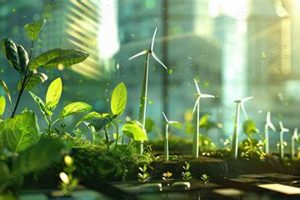
Resources capable of natural replenishment within a human timescale are considered sustainable. Solar energy, wind power, hydropower, geothermal energy, and biomass are prime examples. These resources are naturally replenished over relatively short periods, unlike fossil fuels, which take millions of years to form.
Sustainable resources offer significant advantages, contributing to energy security, reducing reliance on finite resources, and mitigating environmental impacts like greenhouse gas emissions. The shift towards these resources marks a significant turning point in human history, driven by growing environmental awareness and the pursuit of a more sustainable future.
The following sections delve deeper into specific types of sustainable resources, exploring their mechanisms, applications, and potential to shape a sustainable energy landscape.
Practical Applications of Sustainable Resources
Integrating sustainable resources into daily life offers numerous benefits. The following tips provide practical guidance for adopting a more sustainable lifestyle.
Tip 1: Invest in energy-efficient appliances. Appliances with high energy efficiency ratings consume less electricity, reducing environmental impact and long-term costs.
Tip 2: Explore residential solar installations. Rooftop solar panels generate electricity from sunlight, reducing reliance on conventional power grids.
Tip 3: Support sustainable transportation. Utilizing public transport, cycling, or walking reduces reliance on fossil fuel-powered vehicles.
Tip 4: Reduce, reuse, and recycle. Minimizing waste generation and maximizing resource utilization are crucial steps toward sustainability.
Tip 5: Choose sustainable products. Opting for products made from recycled materials or sourced from sustainable practices supports responsible consumption.
Tip 6: Conserve water. Implementing water-efficient fixtures and practices reduces water consumption, preserving a valuable resource.
Tip 7: Support sustainable businesses. Patronizing businesses committed to sustainable practices encourages wider adoption of eco-friendly operations.
By incorporating these practices, individuals can contribute to a more sustainable future, minimizing environmental impact while enjoying long-term economic benefits.
These individual actions, combined with larger-scale initiatives, are essential for a transition to a sustainable energy landscape.
1. Naturally Replenishing

The defining characteristic of a renewable resource is its inherent ability to replenish naturally within a timeframe relevant to human consumption. This natural replenishment cycle distinguishes these resources from finite resources like fossil fuels, which require geological timescales for formation. This distinction has profound implications for long-term energy security and environmental sustainability. Solar radiation, for example, provides a continuous energy source, replenished daily regardless of human activity. Similarly, wind energy relies on atmospheric patterns, constantly renewed by natural processes. Hydropower harnesses the water cycle, a continuously replenishing system driven by solar energy and gravity.
The capacity for natural replenishment underscores the critical role renewable resources play in mitigating environmental challenges. Because their use does not deplete a finite reserve, they offer a pathway towards sustainable development. Consider geothermal energy, derived from the Earth’s internal heat, a resource continuously replenished by radioactive decay within the planet’s core. Biomass, another renewable resource, derives from organic matter, readily replenished through natural growth cycles. The continued availability of these resources hinges on responsible management practices that ensure their replenishment rates exceed consumption.
Understanding the link between natural replenishment and resource renewability informs strategic decision-making in energy policy and resource management. While renewable resources offer a sustainable alternative to finite resources, their effective utilization necessitates careful planning and implementation. Factors such as geographical location, technological advancements, and environmental considerations influence the viability and efficiency of different renewable energy sources. Transitioning towards a future powered by renewable resources requires a comprehensive approach, balancing energy demand with responsible resource management to ensure long-term sustainability.
2. Sustainable Source

The concept of a “sustainable source” is intrinsically linked to the definition of “renewable.” It signifies a resource that can be replenished naturally at a rate equal to or exceeding its consumption, ensuring its availability for future generations without compromising ecological balance. Exploring the facets of a sustainable source provides crucial insights into the broader context of resource renewability.
- Continuous Availability:
A sustainable source implies continuous availability over an extended period. Unlike finite resources that are eventually depleted, sustainable sources, such as solar energy, are consistently replenished through natural processes. The sun’s energy, for instance, is effectively inexhaustible within human timescales, making it a truly sustainable source. This continuous availability is a defining characteristic of renewable resources, ensuring their long-term viability.
- Environmental Compatibility:
Sustainable sources are inherently environmentally compatible, minimizing negative impacts on ecosystems. Hydropower, while renewable, can impact aquatic habitats if not implemented responsibly. Wind energy, conversely, has a relatively low environmental footprint, primarily affecting bird and bat populations, which can be mitigated through careful siting and operational practices. The environmental compatibility of a source is a crucial factor in determining its overall sustainability.
- Economic Viability:
The economic viability of a sustainable source plays a vital role in its widespread adoption. Geothermal energy, while highly sustainable, may require significant upfront investment for exploration and infrastructure development. Biomass energy, derived from organic matter, can be economically beneficial in regions with abundant agricultural waste, providing a sustainable fuel source while reducing waste streams. The economic feasibility of utilizing a sustainable source influences its potential to contribute to a sustainable energy future.
- Social Equity:
Access to sustainable sources should be equitable, ensuring that the benefits of renewable resources are distributed fairly across communities. Solar energy, with advancements in photovoltaic technology, is becoming increasingly accessible to individuals and communities, empowering them to generate their electricity. However, disparities in access to resources and technology remain a challenge, highlighting the importance of considering social equity in the development and deployment of sustainable sources.
These interconnected facets define a sustainable source and underscore its crucial role in achieving a sustainable future. The continuous availability, environmental compatibility, economic viability, and equitable access to these resources are essential for transitioning towards a future powered by renewable energy. By understanding and addressing the complexities associated with each facet, a more resilient and sustainable energy landscape can be realized.
3. Eco-friendly energy
Eco-friendly energy is inextricably linked to the concept of renewable resources. It represents a shift towards energy sources that minimize environmental impact, focusing on resources that naturally replenish and reduce reliance on finite, polluting resources. Examining the facets of eco-friendly energy reveals its profound connection to renewable resources and their role in a sustainable future.
- Reduced Emissions:
Eco-friendly energy sources significantly reduce greenhouse gas emissions, a primary driver of climate change. Solar and wind power, for example, generate electricity without emitting carbon dioxide, unlike fossil fuel-based power plants. This reduction in emissions is a cornerstone of eco-friendly energy and a key benefit of utilizing renewable resources.
- Sustainable Resource Utilization:
Eco-friendly energy prioritizes the utilization of sustainable resources, ensuring their availability for future generations. Geothermal energy harnesses the Earth’s internal heat, a resource continuously replenished through natural processes. Similarly, biomass energy utilizes organic matter, which can be sustainably produced through responsible agricultural and forestry practices. This focus on sustainable resource utilization aligns directly with the core principle of renewable resources.
- Ecosystem Preservation:
Eco-friendly energy aims to minimize disruption to ecosystems, preserving biodiversity and ecological balance. Hydropower, while a renewable resource, can impact river ecosystems and aquatic habitats. Careful planning and mitigation strategies are essential to ensure that renewable energy projects minimize their ecological footprint. The preservation of ecosystems is a crucial aspect of eco-friendly energy and sustainable resource management.
- Improved Air and Water Quality:
Transitioning to eco-friendly energy sources often leads to improved air and water quality. Reduced reliance on fossil fuels minimizes air pollution from combustion byproducts, leading to cleaner air and improved public health. Similarly, sustainable water management practices associated with renewable energy projects can enhance water quality and protect water resources. These improvements contribute to a healthier environment and enhance the overall sustainability of renewable energy solutions.
These interconnected facets demonstrate the strong correlation between eco-friendly energy and renewable resources. The reduced emissions, sustainable resource utilization, ecosystem preservation, and improved environmental quality associated with eco-friendly energy practices are all directly linked to the inherent characteristics of renewable resources. Embracing eco-friendly energy solutions is essential for transitioning towards a sustainable future powered by renewable resources.
4. Reduces Carbon Footprint

Minimizing carbon footprint is intrinsically linked to the adoption of renewable resources. A carbon footprint represents the total greenhouse gas emissions caused directly and indirectly by an individual, organization, event, or product. Renewable resources offer a pathway to significantly reduce this footprint, mitigating the impact of human activities on the environment and climate change.
- Lower Greenhouse Gas Emissions:
Renewable energy sources inherently produce significantly fewer greenhouse gas emissions compared to fossil fuels. Solar and wind power, for instance, generate electricity without directly emitting carbon dioxide or other harmful pollutants. This fundamental difference contributes substantially to a reduced carbon footprint. Replacing coal-fired power plants with solar farms, for example, directly reduces the amount of CO2 released into the atmosphere.
- Sustainable Life Cycle:
The life cycle of renewable energy technologies contributes less to greenhouse gas emissions compared to fossil fuel counterparts. While the manufacturing and installation of renewable energy systems have associated emissions, the operational phase produces minimal to no greenhouse gases. Over their lifespan, renewable energy systems generally result in a substantially smaller carbon footprint compared to fossil fuel-based systems. For example, the carbon footprint of a solar panel over its 25-30 year lifespan is significantly less than the equivalent energy generated from coal.
- Indirect Emission Reductions:
The adoption of renewable resources can indirectly reduce emissions in other sectors. Electric vehicles powered by renewable electricity, for instance, eliminate tailpipe emissions and contribute to a cleaner transportation sector. This indirect reduction extends the positive impact of renewable resources beyond the energy sector. Furthermore, the integration of renewable energy in industrial processes can reduce reliance on fossil fuels for heat and power, further minimizing their carbon footprint.
- Mitigating Climate Change:
Reducing carbon footprint through the adoption of renewable resources plays a crucial role in mitigating climate change. By limiting the release of greenhouse gases into the atmosphere, renewable energy helps stabilize the climate system and reduce the risks associated with global warming. This contribution to climate change mitigation is a core benefit of renewable resources and a driving force behind their increasing adoption globally.
The connection between reduced carbon footprint and renewable resources is undeniable. Transitioning towards a future powered by renewable energy is essential for achieving significant reductions in greenhouse gas emissions, mitigating climate change, and building a more sustainable future. The examples and facets explored highlight the crucial role renewable resources play in minimizing environmental impact and ensuring a healthier planet for future generations.
5. Combats Climate Change

Climate change, driven primarily by increasing greenhouse gas concentrations in the atmosphere, presents a significant global challenge. Renewable resources offer a potent tool in combating this challenge by fundamentally altering the energy landscape and reducing reliance on emission-intensive fossil fuels. This connection is rooted in the inherent nature of renewable resources and their capacity to provide sustainable energy solutions.
The combustion of fossil fuels for energy production releases substantial amounts of carbon dioxide, a major greenhouse gas, into the atmosphere. Renewable resources, such as solar, wind, and hydropower, offer alternative energy pathways that significantly reduce or eliminate these emissions. For instance, solar photovoltaic panels convert sunlight directly into electricity without emitting greenhouse gases. Similarly, wind turbines harness wind energy to generate electricity without contributing to atmospheric carbon dioxide levels. Hydroelectric power plants utilize the natural flow of water to generate electricity, also avoiding greenhouse gas emissions. These examples illustrate the direct link between utilizing renewable resources and mitigating climate change.
The transition to a renewable energy-based economy requires significant investment in infrastructure, technological advancements, and policy changes. However, the long-term benefits of mitigating climate change and ensuring a sustainable future outweigh the initial costs. Reduced reliance on fossil fuels enhances energy security, reduces air pollution, and creates new economic opportunities in the renewable energy sector. Moreover, mitigating climate change through the adoption of renewable resources protects vulnerable ecosystems, safeguards biodiversity, and enhances the resilience of communities to the impacts of a changing climate. The shift towards renewable resources represents a critical step in addressing the global climate crisis and building a more sustainable future for all.
Frequently Asked Questions About Renewable Resources
This section addresses common inquiries regarding renewable resources, providing clear and concise answers to facilitate a deeper understanding of their role in a sustainable future.
Question 1: What distinguishes renewable from non-renewable resources?
Renewable resources replenish naturally within a human timescale, while non-renewable resources, such as fossil fuels, require millions of years to form. This fundamental difference impacts long-term availability and environmental sustainability.
Question 2: Are renewable resources truly sustainable?
Sustainability depends on responsible management. While inherently renewable, excessive exploitation of resources like biomass can lead to deforestation and environmental degradation. Sustainable practices are crucial to ensure long-term viability.
Question 3: How do renewable resources contribute to climate change mitigation?
Renewable energy sources produce significantly fewer greenhouse gas emissions compared to fossil fuels. Replacing fossil fuels with renewable resources reduces atmospheric carbon dioxide, mitigating climate change.
Question 4: Are renewable resources economically viable?
The economic viability of renewable resources varies depending on factors like technology, location, and government policies. Technological advancements and supportive policies continue to improve the cost-competitiveness of renewable energy.
Question 5: What are the primary challenges associated with transitioning to renewable resources?
Challenges include intermittency of some resources (like solar and wind), infrastructure development needs, and integration with existing energy systems. Addressing these challenges through technological innovation and strategic planning is crucial for a successful transition.
Question 6: How can individuals contribute to the adoption of renewable resources?
Individuals can contribute by adopting energy-efficient practices, supporting policies that promote renewable energy, and investing in renewable energy technologies for their homes or businesses. Collective action is essential for widespread adoption.
Understanding the nuances of renewable resources empowers informed decision-making and facilitates a collective transition towards a sustainable future. Continued exploration and adoption of these resources are crucial for mitigating climate change and ensuring long-term environmental sustainability.
The following section explores specific case studies of successful renewable energy implementations worldwide, showcasing practical applications and their positive impact.
Conclusion
Renewable resources, defined by their capacity for natural replenishment, offer a critical pathway toward a sustainable future. This exploration has highlighted their diverse forms, from solar and wind power to geothermal and biomass energy, emphasizing their crucial role in mitigating climate change and reducing reliance on finite fossil fuels. The examination of their inherent sustainability, economic viability, and positive environmental impact underscores their importance in shaping a responsible and resilient energy landscape. Addressing the challenges associated with their implementation, such as intermittency and infrastructure development, remains crucial for maximizing their potential.
The transition to a future powered by renewable resources necessitates a global commitment to innovation, policy support, and responsible resource management. The continued exploration and adoption of these resources represent not merely a technological shift but a fundamental step towards ensuring a healthy planet and a sustainable future for generations to come. The imperative to embrace renewable resources is clear: it is an investment in the long-term well-being of both the environment and humanity.