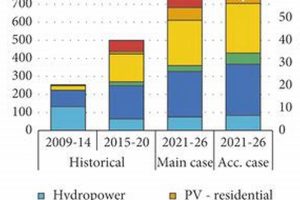
Financial vehicles channel capital towards the development and operation of sustainable energy sources, such as solar, wind, hydro, geothermal, and biomass. These vehicles can take various forms, including mutual funds, exchange-traded funds (ETFs), private equity funds, and infrastructure funds. For example, an ETF might track a specific index of renewable energy companies, offering investors diversified exposure to the sector.
Capital allocation toward sustainable energy infrastructure is crucial for mitigating climate change and ensuring energy security. These investments stimulate technological innovation, create jobs, and contribute to a more sustainable energy landscape. Historically, government subsidies and policy support have played a significant role in fostering the growth of this sector. Increasing investor interest, driven by both financial returns and ethical considerations, is now accelerating the transition to a cleaner energy future.
This overview lays the groundwork for a deeper exploration of key topics related to sustainable energy finance. Subsequent sections will delve into specific investment strategies, risk factors, market trends, and the regulatory landscape. Furthermore, the analysis will explore the evolving role of different stakeholders, including institutional investors, governments, and project developers.
Tips for Sustainable Energy Investment
Navigating the landscape of sustainable energy finance requires careful consideration of several factors. The following tips offer guidance for potential investors.
Tip 1: Diversify across different renewable energy technologies. Don’t put all resources into a single technology. A balanced portfolio mitigates technology-specific risks. Consider investments across solar, wind, hydro, and other emerging technologies.
Tip 2: Evaluate the regulatory environment. Government policies and incentives can significantly impact returns. Analyze the regulatory landscape of target markets and understand potential policy changes.
Tip 3: Assess project-specific risks. Factors such as resource availability, permitting processes, and grid connection can affect project viability. Conduct thorough due diligence on individual projects.
Tip 4: Consider the investment timeframe. Renewable energy projects often involve long-term commitments. Align investment horizons with the expected lifecycle of projects.
Tip 5: Understand the management team’s experience. The success of projects relies heavily on the expertise of the management team. Assess their track record and experience in the renewable energy sector.
Tip 6: Analyze financial performance metrics. Carefully review key financial indicators, such as internal rate of return (IRR), net present value (NPV), and levelized cost of energy (LCOE), to evaluate investment potential.
Tip 7: Seek professional advice. Consult with financial advisors and industry experts to gain specialized insights and tailor an investment strategy to specific needs.
By considering these tips, investors can make informed decisions and contribute to the growth of the sustainable energy sector while potentially achieving attractive financial returns.
These tips provide a starting point for successful navigation of the complex sustainable energy investment landscape. The following conclusion summarizes key opportunities and challenges facing this evolving market.
1. Capital Deployment
Capital deployment within the renewable energy sector represents the strategic allocation of financial resources towards specific projects and technologies. Effective capital deployment is crucial for maximizing the impact of funds invested in renewable energy. This process involves rigorous due diligence, careful project selection, and ongoing monitoring of investment performance. The deployment strategy must align with the overall investment objectives, whether focused on maximizing financial returns, achieving specific environmental targets, or contributing to broader societal goals. For example, a fund focused on early-stage technologies might deploy capital into venture capital investments in innovative solar cell research, while a fund focused on stable returns might invest in operating wind farms.
The scale and efficiency of capital deployment directly influence the growth trajectory of the renewable energy sector. Efficient allocation accelerates the transition to a sustainable energy future by enabling the development and implementation of new technologies and infrastructure. Conversely, misallocation can lead to project failures and hinder progress. Understanding the complexities of various renewable energy technologies, regulatory frameworks, and market dynamics is essential for successful capital deployment. For instance, investing in large-scale solar projects requires an understanding of land acquisition, permitting processes, and grid connection challenges, while offshore wind projects necessitate expertise in maritime engineering and specialized infrastructure.
Successful capital deployment hinges on a comprehensive understanding of market trends, technological advancements, and policy landscapes. It requires balancing risks and opportunities while aligning with broader sustainability goals. Navigating this complex interplay is crucial for achieving both financial returns and positive environmental impact. Challenges remain, including accurately forecasting technological advancements, assessing the long-term viability of projects, and adapting to evolving regulatory frameworks. Ultimately, effective capital deployment acts as a catalyst for accelerating the growth and impact of renewable energy investments.
2. Risk Mitigation
Risk mitigation is a critical aspect of renewable energy finance. Given the inherent uncertainties associated with long-term infrastructure projects and evolving technologies, a robust risk management framework is essential for protecting investments and maximizing the likelihood of success. Effective risk mitigation strategies involve identifying, analyzing, and addressing potential threats throughout the investment lifecycle. This encompasses a range of approaches, from careful project selection and due diligence to diversification and hedging strategies.
- Policy and Regulatory Changes
Government policies and regulations significantly influence the renewable energy sector. Changes in subsidies, tax incentives, or permitting procedures can impact project profitability and viability. For example, a retroactive reduction in feed-in tariffs can negatively affect the returns of solar power projects. Mitigation strategies include thorough policy analysis, engagement with policymakers, and structuring investments to adapt to potential regulatory shifts. Diversifying investments across jurisdictions with stable regulatory environments can also reduce this risk.
- Technological Advancements
Rapid technological advancements in the renewable energy sector present both opportunities and risks. New technologies can render existing investments obsolete or less competitive. For example, advancements in battery storage technology can impact the value of traditional peaking power plants. Risk mitigation involves staying informed about technological developments, investing in adaptable technologies, and incorporating innovation into investment strategies.
- Resource Availability and Variability
Renewable energy projects depend on the availability of natural resources, such as sunlight, wind, or water. Variability in these resources can affect energy output and project revenues. For example, periods of low wind can reduce the output of wind farms. Mitigation strategies include accurate resource assessment, employing forecasting technologies, and diversifying across geographically dispersed projects to reduce the impact of resource variability.
- Operational and Financial Risks
Operational risks, such as equipment failures, grid connection issues, and natural disasters, can disrupt project operations and impact financial performance. Financial risks, such as interest rate fluctuations and currency exchange rate volatility, can also affect project profitability. Mitigation strategies include robust project design and maintenance protocols, insurance coverage, and hedging financial risks through derivative instruments.
Addressing these key risk factors is paramount for successful renewable energy investments. Implementing robust risk mitigation strategies not only protects investments but also fosters investor confidence, attracting further capital into the sector and accelerating the transition towards a sustainable energy future. By proactively managing these risks, investors can maximize the potential for both financial returns and positive environmental impact.
3. Return Potential

Return potential represents a critical factor driving investment decisions within the renewable energy sector. Assessing potential financial returns requires a comprehensive understanding of market dynamics, technological advancements, regulatory frameworks, and project-specific risks. This analysis informs investment strategies and helps align financial objectives with broader sustainability goals. The following facets offer a detailed exploration of return potential within renewable energy investments.
- Long-Term Power Purchase Agreements (PPAs)
Long-term PPAs provide a stable revenue stream for renewable energy projects. These agreements guarantee the purchase of generated electricity at a fixed price for a specified period, typically ranging from 10 to 25 years. This contractual framework mitigates price volatility risks and provides predictable cash flows, enhancing the attractiveness of renewable energy investments for long-term investors such as pension funds and insurance companies. For example, a solar power project might secure a PPA with a local utility company, ensuring a stable revenue stream for the project’s lifespan.
- Declining Technology Costs
The cost of renewable energy technologies, particularly solar and wind, has decreased significantly over the past decade. This declining cost trend improves the competitiveness of renewable energy against traditional fossil fuels, driving increased demand and market growth. Lower technology costs translate into higher profit margins for project developers and potentially greater returns for investors. As technology continues to advance, further cost reductions are anticipated, enhancing the return potential of renewable energy investments.
- Government Incentives and Subsidies
Government policies play a crucial role in incentivizing renewable energy development. Subsidies, tax credits, and feed-in tariffs can enhance the financial viability of projects and improve investor returns. For example, investment tax credits in the United States provide a significant incentive for investing in solar and wind projects. However, the availability and duration of these incentives vary across jurisdictions and can change over time, requiring careful consideration when evaluating investment opportunities.
- Emerging Market Opportunities
Emerging markets represent a significant growth area for renewable energy investments. Many developing countries have abundant renewable energy resources and increasing energy demand, creating attractive investment opportunities. For instance, countries in Southeast Asia and sub-Saharan Africa are experiencing rapid growth in solar and wind energy capacity. Investing in these markets can potentially yield higher returns compared to developed markets, but also involves higher risks related to political instability, regulatory uncertainty, and currency fluctuations.
Analyzing these facets of return potential within the renewable energy sector provides a framework for making informed investment decisions. Balancing the potential for attractive returns with the associated risks is crucial for achieving long-term financial success while contributing to a more sustainable energy future. Further exploration of specific market segments, technologies, and regulatory environments can refine investment strategies and optimize return potential.
4. Impact Measurement

Impact measurement plays a crucial role in assessing the effectiveness of funds investing in renewable energy. It goes beyond traditional financial metrics to quantify the environmental and social benefits generated by these investments. A robust impact measurement framework provides valuable insights into the true value created by renewable energy projects, enabling investors to align financial returns with broader sustainability objectives. This analysis explores key facets of impact measurement in the context of renewable energy finance.
- Greenhouse Gas Emission Reductions
A primary objective of renewable energy investments is to mitigate climate change by reducing greenhouse gas emissions. Impact measurement quantifies these reductions, typically expressed in tons of CO2 equivalent avoided. This data enables investors to track progress towards climate goals and compare the environmental performance of different projects. For example, a wind farm project might report avoiding X tons of CO2 emissions annually compared to a fossil fuel-based power plant. This metric allows investors to assess the project’s contribution to climate change mitigation.
- Job Creation and Economic Development
Renewable energy projects often generate positive economic impacts through job creation and local economic development. Impact measurement frameworks quantify these benefits by assessing the number of jobs created during construction, operation, and maintenance phases of projects. Furthermore, the impact on local supply chains and induced economic activity can be measured. For instance, a solar panel manufacturing facility can create direct jobs in manufacturing and indirect jobs in related industries such as transportation and logistics. Quantifying these economic benefits demonstrates the broader societal impact of renewable energy investments.
- Water Conservation
Certain renewable energy technologies, such as solar and wind, require significantly less water than traditional power generation methods. Impact measurement quantifies water savings achieved through renewable energy projects, particularly in water-stressed regions. This metric demonstrates the contribution of renewable energy to water resource management and sustainable development. For example, a solar power plant can avoid the substantial water consumption associated with cooling thermal power plants, providing valuable water savings in arid regions.
- Air Quality Improvements
Renewable energy sources produce no air pollutants, unlike fossil fuel-based power generation. Impact measurement assesses the improvements in air quality resulting from renewable energy projects, quantifying reductions in pollutants such as sulfur dioxide, nitrogen oxides, and particulate matter. These improvements contribute to public health benefits and reduced healthcare costs, demonstrating the positive social impact of renewable energy investments. For instance, replacing a coal-fired power plant with a wind farm can significantly reduce air pollution levels in the surrounding area, leading to improved respiratory health among residents.
These facets of impact measurement provide a comprehensive view of the environmental and social benefits generated by funds investing in renewable energy. By quantifying these impacts, investors gain a deeper understanding of the true value created by these investments, enabling them to make more informed decisions and align financial returns with broader sustainability goals. Furthermore, robust impact measurement fosters transparency and accountability within the renewable energy sector, attracting further capital and accelerating the transition towards a more sustainable future.
5. Portfolio Diversification

Portfolio diversification represents a crucial risk management strategy within renewable energy finance. Diversifying investments across various renewable energy technologies, geographies, and project stages mitigates technology-specific risks, policy uncertainties, and resource variability. A well-diversified portfolio reduces the impact of any single investment’s underperformance on overall portfolio returns. For example, a fund might allocate capital across solar, wind, and geothermal projects in different regions, reducing reliance on any single technology or location. Furthermore, diversification can encompass investments across the project lifecycle, from early-stage development to operating assets, balancing risk and return profiles. A diversified approach enhances portfolio stability and resilience against market fluctuations and unforeseen events.
The practical significance of portfolio diversification lies in its ability to enhance risk-adjusted returns. By spreading investments across a range of assets, the overall portfolio volatility is reduced, while the potential for consistent returns is increased. For instance, if one region experiences unfavorable policy changes affecting solar projects, investments in wind projects in another region can offset those losses. Furthermore, diversification provides access to a wider range of investment opportunities, allowing investors to capitalize on emerging technologies and market trends. A diversified portfolio can include investments in innovative energy storage solutions or offshore wind projects, capturing potential growth in these segments.
Effective portfolio diversification requires careful consideration of investor objectives, risk tolerance, and market conditions. Analyzing correlations between different asset classes within the renewable energy sector is crucial for optimizing diversification benefits. For example, while solar and wind projects are both renewable energy technologies, their performance can be influenced by different factors, such as weather patterns and regional electricity demand. Understanding these correlations enables investors to construct portfolios that effectively mitigate risk and maximize long-term returns. A well-diversified portfolio enhances the stability and sustainability of renewable energy investments, contributing to the long-term growth of the sector.
6. Regulatory Landscape

The regulatory landscape significantly influences the flow of funds investing in renewable energy. Government policies and regulations shape market incentives, determine project viability, and influence investor confidence. Understanding the complexities of this landscape is crucial for successful investment strategies within the renewable energy sector. Analyzing key regulatory facets provides insights into the opportunities and challenges presented by different jurisdictions and policy frameworks.
- Permitting and Approval Processes
Permitting and approval processes represent a critical regulatory hurdle for renewable energy projects. Streamlined and efficient permitting procedures can accelerate project development timelines and reduce costs, while complex and lengthy processes can create delays and increase investment risks. For example, obtaining environmental permits and land use approvals can be a significant challenge for large-scale solar or wind projects. Variations in permitting requirements across jurisdictions influence investment decisions and can create competitive advantages for regions with more efficient regulatory frameworks. Delays in permitting can lead to cost overruns and jeopardize project viability, highlighting the importance of navigating these regulatory complexities effectively.
- Renewable Portfolio Standards (RPS)
Renewable Portfolio Standards (RPS) mandate that a certain percentage of electricity generation must come from renewable sources. These policies create demand for renewable energy and provide a stable market for project developers. For instance, several states in the United States have RPS targets, requiring utilities to procure a specified percentage of their electricity from renewable sources by a certain date. RPS policies drive investment in renewable energy projects and create long-term market opportunities. The stringency of RPS targets and the mechanisms for compliance influence the level of investment and the pace of renewable energy deployment.
- Carbon Pricing Mechanisms
Carbon pricing mechanisms, such as carbon taxes or cap-and-trade systems, internalize the environmental cost of carbon emissions. These policies create economic incentives for reducing emissions and shifting towards cleaner energy sources. For example, the European Union Emissions Trading System (EU ETS) establishes a market for carbon allowances, incentivizing companies to reduce their emissions. Carbon pricing mechanisms can enhance the competitiveness of renewable energy and attract investment in low-carbon technologies. The effectiveness of these policies depends on the price level and the design of the market mechanism.
- Investment Tax Credits and Subsidies
Investment tax credits and subsidies provide direct financial incentives for investing in renewable energy projects. These policies reduce the upfront cost of renewable energy technologies and improve the financial viability of projects. For example, the Investment Tax Credit (ITC) in the United States provides a tax credit for investments in solar and wind energy. These incentives can significantly influence investment decisions and accelerate the deployment of renewable energy. The level and duration of these incentives can vary across jurisdictions and technologies, shaping the competitive landscape of the renewable energy sector.
These regulatory facets interact to shape the overall investment environment for renewable energy. Understanding these complexities and anticipating regulatory changes is crucial for effective investment strategies. Navigating the regulatory landscape successfully enables funds to maximize returns while contributing to the growth and sustainability of the renewable energy sector. Furthermore, policy stability and predictability are essential for fostering long-term investor confidence and driving continued investment in the transition towards a cleaner energy future.
7. Technological Innovation

Technological innovation serves as a primary driver of growth and efficiency within the renewable energy sector, significantly impacting funds invested in these technologies. Advancements in areas such as solar cell efficiency, wind turbine design, energy storage solutions, and smart grid technologies directly influence the cost-competitiveness, performance, and scalability of renewable energy projects. These innovations attract investment by improving the risk-return profile of renewable energy assets. For example, the development of higher-efficiency solar panels reduces the land area required for solar farms, lowering project costs and increasing energy output per unit of investment. Similarly, advancements in battery storage technology address the intermittency challenges associated with solar and wind power, enhancing the reliability and value of these resources.
The practical significance of this connection lies in the continuous improvement and cost reduction observed in renewable energy technologies. As innovations drive down costs, renewable energy becomes increasingly competitive with traditional fossil fuels, attracting further investment and accelerating the transition to a cleaner energy future. For instance, the declining cost of lithium-ion batteries has enabled the wider adoption of electric vehicles and grid-scale energy storage, creating new market opportunities and stimulating further innovation in battery technology. Furthermore, advancements in smart grid technologies improve grid management and integration of renewable energy resources, enhancing grid stability and reliability. These innovations not only improve the performance of renewable energy systems but also create new investment opportunities in areas such as grid modernization and smart energy management.
Sustained technological innovation is essential for overcoming the challenges associated with widespread renewable energy adoption. Addressing issues such as intermittency, grid integration, and energy storage requires continuous research and development efforts. Funds investing in renewable energy play a critical role in supporting these innovation efforts by providing capital for research, development, and deployment of new technologies. Continued investment in technological innovation ensures the long-term viability and sustainability of the renewable energy sector, driving further cost reductions, improving performance, and expanding access to clean energy globally. Furthermore, fostering a supportive regulatory environment and encouraging public-private partnerships are crucial for accelerating the pace of innovation and maximizing the impact of funds invested in renewable energy technologies.
Frequently Asked Questions
This section addresses common inquiries regarding financial instruments directed towards sustainable energy ventures.
Question 1: What are the typical investment horizons for renewable energy projects?
Renewable energy projects often involve long-term investment horizons, typically ranging from 10 to 25 years, aligning with the lifespan of underlying assets such as wind farms or solar installations. These long-term commitments provide stable cash flows and predictable returns for investors.
Question 2: How do regulatory changes impact renewable energy investments?
Government policies, subsidies, and regulations play a significant role in shaping the renewable energy landscape. Changes in these policies can impact project profitability and investor returns. Careful analysis of regulatory frameworks and potential policy shifts is essential for informed investment decisions.
Question 3: What are the key risks associated with renewable energy investments?
Key risks include policy and regulatory changes, technological advancements, resource availability and variability, operational and financial risks. Diversification strategies, thorough due diligence, and robust risk management frameworks are crucial for mitigating these risks.
Question 4: What are the potential financial returns from renewable energy investments?
Potential returns are influenced by factors such as long-term power purchase agreements (PPAs), declining technology costs, government incentives and subsidies, and emerging market opportunities. Careful evaluation of project-specific economics and market dynamics is essential for assessing potential returns.
Question 5: How is the environmental impact of renewable energy investments measured?
Impact measurement frameworks quantify the environmental and social benefits of renewable energy projects. Key metrics include greenhouse gas emission reductions, job creation, water conservation, and air quality improvements. These metrics provide insights into the overall sustainability impact of investments.
Question 6: How can investors diversify their renewable energy portfolios?
Diversification strategies include investing across different renewable energy technologies (solar, wind, hydro, etc.), geographies, and project stages (development, construction, operation). A well-diversified portfolio mitigates risks and enhances the potential for stable returns.
Understanding these key aspects provides a foundation for informed decision-making in the renewable energy investment landscape. Careful consideration of risks, returns, and impact potential is essential for successful investments.
For further insights, the following section explores specific case studies of successful renewable energy projects.
Conclusion
Exploration of financial instruments directed toward sustainable energy sources reveals a multifaceted landscape shaped by technological advancements, evolving regulatory frameworks, and growing investor interest. Analysis of key aspects, including risk mitigation strategies, return potential drivers, and impact measurement methodologies, underscores the complexities and opportunities inherent in this evolving sector. Portfolio diversification strategies, encompassing various technologies, geographies, and project stages, emerge as crucial for navigating market uncertainties and maximizing risk-adjusted returns. Furthermore, the regulatory landscape, encompassing permitting processes, renewable portfolio standards, and carbon pricing mechanisms, plays a pivotal role in shaping investment decisions and influencing the overall growth trajectory of the sustainable energy market. Technological innovation remains a critical catalyst, driving cost reductions, enhancing efficiency, and unlocking new investment opportunities within the sector.
The transition towards a sustainable energy future hinges on the continued flow of capital into innovative technologies and projects. Strategic allocation of financial resources, guided by rigorous due diligence, informed risk assessment, and a commitment to measurable impact, will be essential for achieving global climate goals and fostering a more resilient and equitable energy system. The future of energy finance necessitates a collaborative approach, engaging policymakers, investors, and innovators alike, to navigate the complexities of this dynamic landscape and unlock the full potential of sustainable energy solutions.