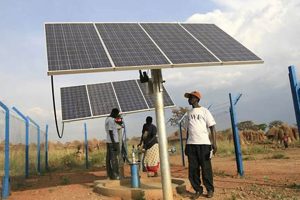
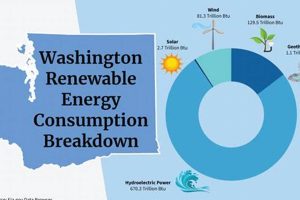
Harnessing power from sources like solar, wind, hydro, geothermal, and biomass offers numerous ecological benefits. For instance, solar panels convert sunlight directly into electricity, eliminating the need for burning fossil fuels and thus reducing air pollution. Similarly, wind turbines capture kinetic energy from the wind, providing a clean energy source without greenhouse gas emissions.
Clean energy sources contribute significantly to mitigating climate change by reducing reliance on fossil fuels, a primary driver of global warming. Historically, energy production has been heavily dependent on polluting sources, leading to detrimental environmental consequences. The shift towards sustainable practices is crucial for preserving ecosystems, improving air and water quality, and ensuring a healthier planet for future generations. This transition also fosters energy independence and security by diversifying energy sources.
The following sections will delve deeper into the specific benefits of various renewable energy technologies, exploring their potential for widespread adoption and contribution to a sustainable future.
Tips for Supporting Renewable Energy
Individuals and communities can contribute to a cleaner energy future by actively supporting and promoting renewable energy sources. The following tips provide practical guidance on how to make a difference.
Tip 1: Invest in renewable energy technologies. Consider installing solar panels on homes or businesses. Explore community solar projects or invest in renewable energy companies.
Tip 2: Advocate for policy changes. Support policies that incentivize the development and adoption of renewable energy technologies. Contact elected officials to express support for clean energy initiatives.
Tip 3: Reduce energy consumption. Lowering overall energy demand reduces the need for both fossil fuels and renewables. Employ energy-efficient appliances, improve building insulation, and adopt mindful consumption habits.
Tip 4: Choose renewable energy providers. Many electricity providers offer plans that source power from renewable sources. Selecting these plans supports the growth of the renewable energy sector.
Tip 5: Educate others. Share information about the benefits of renewable energy with friends, family, and colleagues. Raise awareness about the importance of transitioning to a sustainable energy future.
Tip 6: Support sustainable businesses. Patronize companies committed to using renewable energy and implementing environmentally responsible practices.
Tip 7: Participate in community initiatives. Join local groups advocating for renewable energy or participate in community-based renewable energy projects.
By adopting these practices, individuals can actively contribute to a cleaner, healthier environment and a more sustainable energy future. These collective efforts accelerate the transition towards widespread renewable energy adoption.
The transition to a renewable energy future requires concerted effort from individuals, communities, and governments. The combined impact of these actions will pave the way for a more sustainable and resilient world.
1. Reduced Air Pollution

A primary advantage of renewable energy is its contribution to cleaner air. Conventional energy sources, particularly fossil fuels (coal, oil, and natural gas), release significant pollutants during combustion. These pollutants, including sulfur dioxide, nitrogen oxides, particulate matter, and volatile organic compounds, contribute to smog, acid rain, and respiratory illnesses. Renewable energy sources, in contrast, produce minimal or no air pollution during operation. Solar and wind power, for instance, generate electricity without releasing harmful emissions. This inherent difference significantly improves air quality in regions transitioning to renewable energy, resulting in demonstrable public health benefits.
The reduction in air pollution associated with renewable energy translates to fewer cases of respiratory diseases like asthma and bronchitis. Furthermore, decreased particulate matter in the air improves visibility and reduces environmental damage caused by acid rain. A study by the Harvard School of Public Health linked air pollution from fossil fuels to an estimated one in five deaths globally. Shifting towards renewable energy offers a pathway to mitigate these health risks and reduce the societal and economic burdens associated with air pollution-related illnesses. The transition also leads to cleaner, healthier ecosystems overall, contributing to the preservation of biodiversity.
While the environmental advantages of reduced air pollution through renewable energy are undeniable, challenges remain in ensuring equitable access to clean energy and managing the intermittent nature of some renewable sources. Integrating renewable energy into existing infrastructure requires careful planning and investment. However, the long-term benefits of improved air quality, reduced healthcare costs, and a healthier environment significantly outweigh these challenges, underscoring the importance of continued investment and development in the renewable energy sector. Ultimately, embracing renewable energy is a critical step towards creating a sustainable and healthier future for all.
2. Lower Greenhouse Gas Emissions

A critical environmental advantage of renewable energy is its capacity to significantly reduce greenhouse gas emissions. The combustion of fossil fuels for energy production is a primary driver of climate change, releasing substantial amounts of carbon dioxide, methane, and other greenhouse gases into the atmosphere. Renewable energy sources offer a pathway to decarbonize the energy sector and mitigate the impacts of climate change.
- Mitigation of Climate Change
Renewable energy sources produce little to no greenhouse gas emissions during operation. This fundamental difference dramatically reduces the contribution of energy production to global warming. Widespread adoption of renewable energy can help limit the increase in global average temperatures, reducing the severity of climate change impacts such as sea-level rise, extreme weather events, and disruptions to ecosystems.
- Reduced Carbon Footprint
Utilizing renewable energy sources like solar and wind power minimizes the carbon footprint of electricity generation. This is crucial for achieving carbon neutrality goals and transitioning towards a more sustainable energy system. Businesses and individuals can significantly reduce their environmental impact by switching to renewable energy sources, contributing to global efforts to combat climate change.
- Protection of Ecosystems
Lower greenhouse gas emissions from renewable energy protect vulnerable ecosystems from the detrimental effects of climate change. Coral reefs, for example, are highly susceptible to ocean acidification and rising temperatures, both consequences of increased greenhouse gas concentrations. Transitioning to renewable energy helps preserve these vital ecosystems and the biodiversity they support.
- Improved Air Quality
While not a direct greenhouse gas effect, the reduction in fossil fuel combustion associated with renewable energy also improves air quality. This co-benefit enhances public health and reduces the environmental and economic costs associated with air pollution.
The reduced greenhouse gas emissions associated with renewable energy are essential for mitigating climate change and protecting the environment. The transition to a renewable energy future is not merely a technological shift but a necessary step towards ensuring a sustainable and habitable planet for future generations. Continued investment and innovation in renewable energy technologies are crucial for realizing the full potential of this critical climate solution.
3. Sustainable Resource Utilization

Sustainable resource utilization forms a cornerstone of the environmental advantages offered by renewable energy. Unlike fossil fuels, which are finite and depleting resources, renewable energy sources rely on naturally replenishing resources like sunlight, wind, water, and geothermal heat. This fundamental difference has profound implications for long-term energy security and environmental sustainability. Examining the facets of sustainable resource utilization reveals the crucial role renewable energy plays in creating a more environmentally responsible energy future.
- Resource Replenishment
Renewable energy sources draw power from resources that are constantly replenished by natural processes. Solar energy harnesses the sun’s radiation, a virtually inexhaustible resource. Wind energy captures the kinetic energy of wind, driven by atmospheric pressure differences. Hydropower utilizes the natural water cycle. This continuous replenishment contrasts sharply with fossil fuels, which require millions of years to form and are being consumed at a rate far exceeding their natural regeneration. The shift to renewable energy sources reduces dependence on these finite resources, ensuring a more sustainable energy future.
- Reduced Environmental Impact
The extraction and processing of fossil fuels have significant environmental impacts, including habitat destruction, water pollution, and greenhouse gas emissions. Renewable energy technologies, while not entirely impact-free, generally have a significantly lower environmental footprint. For example, solar panel manufacturing requires energy and resources, but lifecycle assessments demonstrate a substantially lower environmental burden compared to fossil fuel-based electricity generation. This reduced impact contributes to healthier ecosystems and a more sustainable environment overall.
- Long-Term Energy Security
Reliance on finite fossil fuel resources creates vulnerabilities in energy security, subject to price volatility and geopolitical instability. Renewable energy sources, being readily available in many regions, enhance energy independence and security. Countries can reduce their dependence on imported fossil fuels by developing their own renewable energy resources, creating more stable and resilient energy systems.
- Decentralized Energy Production
Renewable energy technologies often lend themselves to decentralized energy production, empowering communities and individuals to generate their own power. Rooftop solar installations, for instance, reduce reliance on centralized power plants and transmission lines. This decentralized approach enhances energy resilience, particularly in the face of natural disasters or grid disruptions. It also fosters local economic development and community empowerment.
Sustainable resource utilization is intrinsically linked to the environmental advantages of renewable energy. By transitioning to energy sources that rely on naturally replenishing resources, we reduce environmental impacts, enhance energy security, and create a more sustainable energy future. This shift is not merely a technological advancement but a fundamental step towards ensuring a healthy planet and a secure energy supply for generations to come. The continued development and deployment of renewable energy technologies are essential for realizing the full potential of sustainable resource utilization and achieving a truly sustainable energy future.
4. Improved Water Quality

Renewable energy sources offer a distinct advantage in safeguarding water quality compared to conventional energy production methods. Fossil fuel-based power plants require substantial amounts of water for cooling purposes, often drawing from rivers, lakes, or other freshwater sources. This process can elevate water temperatures, leading to thermal pollution and disrupting aquatic ecosystems. Furthermore, the extraction and transportation of fossil fuels pose risks of spills and leaks, contaminating water sources and causing significant environmental damage. Renewable energy technologies, in contrast, generally have a much lower impact on water resources. Solar and wind power, for example, require minimal water for operation, primarily for cleaning solar panels or occasional maintenance. Hydropower, while utilizing water resources, can be managed to minimize environmental disruption through careful dam design and operation. Geothermal energy utilizes deep underground heat sources, limiting its impact on surface water quality. This reduced reliance on water for energy production contributes significantly to improved water quality and the preservation of aquatic ecosystems.
The connection between improved water quality and the environmental advantages of renewable energy is particularly evident in regions facing water scarcity. In arid and semi-arid regions, where water resources are already strained, the reduced water demand of renewable energy technologies offers a critical advantage. Switching to renewable energy can free up valuable water resources for other essential uses, such as agriculture, drinking water, and ecosystem maintenance. For example, in regions heavily reliant on coal-fired power plants, the transition to solar or wind power can significantly reduce pressure on local water supplies, enhancing water security and resilience. Real-life examples, such as the increasing adoption of solar power in water-stressed regions like the Middle East and North Africa, demonstrate the practical significance of this connection.
Improved water quality resulting from the adoption of renewable energy technologies offers multifaceted benefits, encompassing ecological health, human well-being, and economic stability. Protecting water resources is essential for maintaining healthy aquatic ecosystems, supporting biodiversity, and ensuring access to clean drinking water. The reduced risk of water contamination from fossil fuel extraction and transport further safeguards public health and minimizes the economic costs associated with water pollution. While the transition to renewable energy presents some challenges, such as the initial investment costs and the intermittent nature of some renewable sources, the long-term benefits of improved water quality, enhanced water security, and reduced environmental degradation underscore the crucial role of renewable energy in building a more sustainable future. Continued innovation and investment in renewable energy technologies are essential for realizing the full potential of this critical environmental advantage and ensuring access to clean, reliable water resources for generations to come.
5. Enhanced Ecosystem Protection

Renewable energy technologies offer substantial benefits for ecosystem protection compared to conventional energy sources. Fossil fuel extraction and combustion contribute significantly to habitat destruction, air and water pollution, and climate change, all of which pose severe threats to biodiversity and ecosystem health. Transitioning to renewable energy sources mitigates these threats, offering a pathway towards enhanced ecosystem protection.
Renewable energy sources like solar and wind power have a considerably smaller land-use footprint compared to fossil fuel extraction, particularly coal mining, which often involves extensive deforestation and land degradation. Furthermore, the reduced air and water pollution associated with renewable energy leads to cleaner and healthier environments for both terrestrial and aquatic ecosystems. Perhaps most significantly, mitigating climate change through reduced greenhouse gas emissions is crucial for protecting ecosystems vulnerable to rising temperatures, changing precipitation patterns, and sea-level rise. For instance, coral reefs, highly sensitive to ocean acidification and warming waters, benefit directly from the reduced carbon emissions associated with renewable energy adoption. Similarly, preserving Arctic ecosystems relies heavily on mitigating global warming trends driven by greenhouse gas emissions from fossil fuels. The shift to renewable energy provides a critical tool for safeguarding these and other sensitive ecosystems.
The practical significance of enhanced ecosystem protection through renewable energy extends beyond preserving biodiversity. Healthy ecosystems provide essential services, including clean air and water, pollination, climate regulation, and flood control. Protecting these services is crucial for human well-being and economic stability. The economic benefits of ecosystem preservation, often overlooked, are substantial. For example, healthy forests provide timber resources, regulate water flow, and prevent soil erosion, generating significant economic value. Investing in renewable energy, therefore, is not merely an environmental imperative but also a sound economic strategy. While challenges remain in scaling up renewable energy infrastructure and managing the intermittent nature of some renewable sources, the long-term benefits of enhanced ecosystem protection, including the preservation of essential ecosystem services, far outweigh these challenges. Continued research, innovation, and policy support are crucial for realizing the full potential of renewable energy to protect and restore the planet’s vital ecosystems.
Frequently Asked Questions
This section addresses common inquiries regarding the environmental benefits of transitioning to renewable energy sources.
Question 1: How significantly can renewable energy reduce greenhouse gas emissions?
Renewable energy sources like solar, wind, and hydropower produce little to no greenhouse gas emissions during operation, unlike fossil fuels. Widespread adoption of these technologies can substantially reduce emissions, mitigating climate change impacts.
Question 2: Do renewable energy technologies have any environmental impacts?
While generally considered environmentally friendly, renewable energy technologies can have some localized impacts, such as land use for solar and wind farms or alterations to water flow for hydropower. However, lifecycle assessments demonstrate significantly lower environmental burdens compared to fossil fuels.
Question 3: How does renewable energy improve air quality?
Renewable energy sources do not emit air pollutants like sulfur dioxide, nitrogen oxides, and particulate matter, which are common byproducts of fossil fuel combustion. Transitioning to renewable energy leads to cleaner air and improved public health outcomes.
Question 4: Can renewable energy truly provide a reliable energy supply?
Technological advancements, such as improved energy storage solutions and grid management techniques, are enhancing the reliability and consistency of renewable energy supplies. Diversifying renewable energy sources and integrating them into smart grids further strengthens energy security.
Question 5: How does renewable energy contribute to water conservation?
Many renewable energy technologies, such as solar and wind power, require minimal water for operation, unlike conventional power plants that rely heavily on water for cooling. This reduced water demand helps conserve water resources, particularly in water-stressed regions.
Question 6: What are the economic benefits of transitioning to renewable energy?
Transitioning to renewable energy stimulates job growth in the clean energy sector, reduces healthcare costs associated with air pollution, and enhances energy independence. Furthermore, it mitigates the economic risks associated with climate change impacts and volatile fossil fuel prices.
Understanding the environmental advantages of renewable energy empowers informed decision-making and fosters a transition toward a more sustainable energy future.
The subsequent section will explore real-world case studies showcasing the successful implementation of renewable energy projects and their positive environmental outcomes.
Conclusion
The exploration of renewable energy’s environmental advantages reveals a compelling case for accelerated adoption. From mitigating climate change through reduced greenhouse gas emissions to improving air and water quality, the benefits are multifaceted and far-reaching. Sustainable resource utilization inherent in renewable energy technologies ensures long-term energy security, while enhanced ecosystem protection safeguards biodiversity and essential ecological services. The transition represents not merely a shift in energy sources, but a fundamental step towards environmental sustainability.
The imperative to transition towards renewable energy is clear. Continued investment in research, development, and deployment of these technologies is crucial for realizing their full potential. Policy frameworks that incentivize renewable energy adoption and phase out fossil fuel dependence are essential. Collective action, encompassing individual choices, community initiatives, and governmental policies, will determine the pace and scale of this critical transition. The future of environmental sustainability rests significantly on embracing the promise of renewable energy.