Harnessing power from sources like solar radiation, wind, water flow, geothermal heat, and biomass offers a sustainable alternative to conventional fossil fuel-based power plants. For example, photovoltaic cells convert sunlight directly into electricity, while wind turbines capture kinetic energy from moving air. These processes minimize reliance on finite resources and reduce harmful emissions.
The shift toward sustainable power production is crucial for mitigating climate change and ensuring long-term energy security. Historically, reliance on fossil fuels has contributed significantly to greenhouse gas emissions. Clean power offers a pathway toward decarbonizing the energy sector, improving air quality, and fostering a healthier environment. Furthermore, distributed generation using renewables can enhance grid resilience and energy access in remote areas.
This article will delve into the various technologies employed in harnessing nature’s power, exploring their respective advantages, challenges, and future prospects. Specific topics will include the latest advancements in solar and wind power, the potential of emerging technologies like wave and tidal power, and the integration of these resources into existing power grids.
Tips for Supporting Sustainable Power
Transitioning towards cleaner energy sources requires a multifaceted approach involving individual actions, policy changes, and technological advancements. The following tips offer practical guidance for promoting and supporting sustainable power development.
Tip 1: Invest in Energy-Efficient Appliances: Choosing appliances with high energy efficiency ratings significantly reduces overall electricity consumption. Look for labels like Energy Star to identify products that meet stringent efficiency standards.
Tip 2: Support Renewable Energy Initiatives: Advocate for policies that incentivize the development and adoption of clean power technologies. This can include supporting renewable portfolio standards, tax credits for renewable energy installations, and streamlined permitting processes.
Tip 3: Explore Community Solar and Wind Projects: Participate in community-based renewable energy projects to access clean power without requiring individual rooftop installations. These projects often involve shared ownership or subscription models.
Tip 4: Reduce Energy Consumption at Home and Work: Simple actions like turning off lights when leaving a room, unplugging electronics when not in use, and optimizing heating and cooling systems can significantly reduce energy waste.
Tip 5: Consider Rooftop Solar Installations: If feasible, installing solar panels on rooftops can provide a direct source of clean power, reducing reliance on the grid and potentially generating cost savings.
Tip 6: Educate Others about Sustainable Power: Raising awareness about the benefits of clean power can inspire wider adoption and support for policies that promote its growth.
Tip 7: Invest in Sustainable Energy Companies: Supporting companies that specialize in renewable energy technologies or sustainable power generation contributes to the growth and innovation within the sector.
By embracing these tips, individuals and communities can actively contribute to the transition towards a cleaner, more sustainable energy future. These collective actions are essential for maximizing the environmental and economic benefits of clean power.
In conclusion, the transition towards sustainable power presents both challenges and opportunities. By understanding the various technologies, supporting enabling policies, and adopting responsible energy practices, we can collectively pave the way for a future powered by clean, renewable resources.
1. Solar Power

Solar power represents a pivotal component of renewable electricity generation, converting sunlight directly into electricity through photovoltaic (PV) panels or indirectly using concentrated solar power (CSP) systems. PV panels utilize semiconductor materials to generate an electric current when exposed to sunlight. CSP systems, on the other hand, use mirrors to focus sunlight onto a receiver, heating a fluid that drives a turbine to generate electricity. Large-scale solar farms, such as the Bhadla Solar Park in India, demonstrate the growing capacity of solar power to contribute significantly to national grids. Residential rooftop solar installations further exemplify the distributed generation potential of this technology, empowering individuals and communities to generate their own clean electricity. This direct conversion process significantly reduces reliance on finite fossil fuels and mitigates greenhouse gas emissions associated with conventional power generation.
The increasing efficiency and decreasing cost of solar PV technology have propelled its widespread adoption globally. Advancements in materials science and manufacturing processes continue to enhance the performance and affordability of solar panels. Furthermore, the modular nature of solar installations allows for flexible deployment, ranging from small-scale residential systems to large-scale utility-grade projects. Integrating solar power into existing grids presents both opportunities and challenges. Smart grid technologies, energy storage solutions, and grid management strategies are crucial for effectively managing the intermittency of solar power and ensuring grid stability. For instance, battery storage systems can store excess solar energy generated during peak sunlight hours and release it during periods of low solar irradiance or high demand.
Harnessing solar energy offers a pathway towards a more sustainable energy future. The continued development and deployment of solar power technologies are essential for mitigating climate change, enhancing energy security, and promoting economic growth. Addressing challenges related to land use, grid integration, and material sourcing will be crucial for maximizing the potential of solar power to contribute to a decarbonized energy landscape. The transition towards a solar-powered future requires collaborative efforts from governments, industry, and individuals to accelerate innovation, streamline regulations, and foster widespread adoption.
2. Wind Power

Wind power plays a crucial role in renewable electricity generation, harnessing the kinetic energy of wind to produce electricity. Wind turbines convert the mechanical energy of rotating blades into electrical energy through a generator. The scale of wind power deployment ranges from individual turbines on farms or residences to large-scale offshore wind farms. For example, the Hornsea Project One in the UK, one of the world’s largest offshore wind farms, demonstrates the growing capacity of wind power to contribute significantly to national energy grids. This reliance on a readily available natural resource reduces dependence on finite fossil fuels and minimizes greenhouse gas emissions, supporting global efforts to decarbonize the energy sector.
Several factors influence the efficiency and output of wind power generation. Wind speed, turbine design, and location play critical roles in determining the amount of electricity generated. Onshore wind farms utilize wind resources on land, while offshore wind farms, located in bodies of water, often benefit from stronger and more consistent winds. Advancements in turbine technology, such as larger rotor diameters and improved blade designs, continue to enhance energy capture efficiency. Furthermore, sophisticated control systems and grid integration strategies optimize the performance and reliability of wind power plants. Grid operators use advanced forecasting models and demand-side management techniques to balance the intermittent nature of wind power with other dispatchable generation sources.
Addressing the challenges associated with wind power development is essential for maximizing its potential contribution to a sustainable energy future. These challenges include environmental considerations related to bird and bat mortality, noise pollution, and visual impacts. Careful site selection, mitigation strategies, and ongoing environmental monitoring are crucial for minimizing these impacts. Public perception and community engagement are also critical aspects of successful wind power projects. Transparent communication, community involvement in project planning, and equitable benefit-sharing mechanisms can foster public acceptance and support for wind power development. Overcoming these challenges will pave the way for wider adoption of this clean and abundant energy source.
3. Hydropower

Hydropower represents a significant and established form of renewable electricity generation, utilizing the natural flow of water to generate electricity. Its role within the broader context of sustainable power is substantial, offering a mature technology with a proven track record of large-scale electricity production. Understanding the various facets of hydropower is crucial for evaluating its contribution to a decarbonized energy future.
- Dam Construction and Reservoir Management:
Hydropower plants typically involve the construction of dams to create reservoirs, which store water and regulate its flow. The controlled release of water through turbines drives generators, producing electricity. Dam construction and reservoir management require careful consideration of environmental and social impacts. For instance, the Three Gorges Dam in China, the world’s largest hydropower station, demonstrates the immense potential of this technology, but also highlights the complex environmental and social considerations associated with large-scale dam projects. Effective management of water resources, including flood control, irrigation, and environmental flows, is essential for sustainable hydropower development.
- Types of Hydropower Plants:
Different types of hydropower plants exist, each suited to specific geographical and hydrological conditions. Run-of-river plants utilize the natural flow of a river without significant storage, while pumped-storage hydropower plants use two reservoirs at different elevations to store and release water, enabling electricity generation during peak demand periods. Pumped hydro functions as a giant battery, storing excess energy from other renewable sources like solar and wind and then releasing it back to the grid as needed. This diversity in hydropower plant designs allows for adaptation to varied water resource contexts.
- Environmental and Social Impacts:
While hydropower offers a clean energy source, potential environmental and social impacts must be carefully considered. Dam construction can alter river ecosystems, affecting fish migration patterns and riparian habitats. Reservoir creation can displace communities and inundate valuable land. Minimizing these impacts through careful planning, environmental impact assessments, and mitigation measures is crucial for responsible hydropower development. Examples include fish ladders to facilitate migration and community resettlement programs.
- Integration with Other Renewable Sources:
Hydropower plays a valuable role in balancing the intermittency of other renewable energy sources like solar and wind. The ability to regulate water flow through dams allows hydropower plants to adjust their output to match fluctuations in electricity demand and supply. This flexibility enhances grid stability and facilitates the integration of variable renewable energy sources into the power system. Hybrid projects, such as combining wind farms with pumped hydro storage, represent a growing trend in maximizing the effectiveness of different renewable technologies.
Hydropower remains a vital component of the global transition towards sustainable electricity generation. Balancing its potential benefits with environmental and social considerations is crucial for ensuring responsible and sustainable hydropower development. Continued innovation in hydropower technologies, coupled with integrated water resource management strategies, will further enhance the role of hydropower in a diversified renewable energy portfolio.
4. Geothermal Energy

Geothermal energy represents a valuable contributor to renewable electricity generation, harnessing heat from the Earth’s interior to produce power. Unlike solar or wind power, geothermal energy provides a consistent and reliable source of power, unaffected by weather patterns. This characteristic makes it a baseload power source, capable of continuous operation, which is crucial for grid stability and reliability. Understanding the key aspects of geothermal energy production is essential for evaluating its role in a sustainable energy future.
- Geothermal Power Plants:
Geothermal power plants utilize various technologies to convert geothermal heat into electricity. Dry steam plants, flash steam plants, and binary cycle plants represent common approaches. Dry steam plants directly utilize steam from geothermal reservoirs to drive turbines. Flash steam plants separate steam from hot water extracted from reservoirs, while binary cycle plants use a secondary fluid with a lower boiling point to generate steam. The Geysers Geothermal Complex in California, the world’s largest geothermal field, exemplifies the significant potential of this technology for large-scale power generation. These various plant designs allow for adaptation to different geothermal resource characteristics.
- Geothermal Resource Exploration and Development:
Locating and developing geothermal resources requires specialized geological and geophysical exploration techniques. Identifying areas with high heat flow and permeable rock formations is crucial for successful geothermal development. Drilling deep wells to access geothermal reservoirs and installing pipelines to transport steam or hot water to power plants are key components of the process. The exploration and development phase requires careful assessment of environmental impacts and resource sustainability. For example, induced seismicity, or earthquakes caused by geothermal operations, requires ongoing monitoring and mitigation strategies.
- Enhanced Geothermal Systems (EGS):
Enhanced geothermal systems (EGS) represent an emerging technology that expands the reach of geothermal energy beyond naturally occurring hydrothermal systems. EGS involves creating artificial geothermal reservoirs by injecting water into hot, dry rock formations, fracturing the rock to enhance permeability. The heated water is then extracted to generate electricity. While EGS holds significant potential for expanding geothermal resource availability, further research and development are necessary to address technical challenges and mitigate potential environmental impacts.
- Direct Use Applications:
Beyond electricity generation, geothermal energy can be used directly for various applications, such as space heating, greenhouse cultivation, and industrial processes. Geothermal district heating systems, common in Iceland, utilize geothermal hot water to heat buildings in urban areas. These direct use applications demonstrate the versatility of geothermal energy and its potential to contribute to decarbonizing various sectors beyond electricity.
Geothermal energy provides a reliable and sustainable alternative to fossil fuels, contributing to reduced greenhouse gas emissions and enhanced energy security. Continued advancements in geothermal technologies, coupled with responsible resource management, will further solidify its role in a diversified renewable energy portfolio. Expanding geothermal capacity through EGS and exploring innovative direct use applications offer significant opportunities for maximizing the benefits of this valuable resource. Integrating geothermal energy with other renewable sources can create resilient and sustainable energy systems.
5. Biomass Energy
Biomass energy contributes significantly to renewable electricity generation by utilizing organic matter derived from plants and animals. This organic material, known as biomass, can be converted into electricity through several processes. Direct combustion of biomass in power plants remains a common approach, generating heat to produce steam that drives turbines. Another method involves gasification, where biomass is converted into a gaseous fuel called syngas, which can then be used in combined cycle gas turbines for higher efficiency electricity generation. For example, dedicated biomass power plants, like those utilizing wood pellets or agricultural residues, demonstrate the practical application of this renewable energy source. Furthermore, some existing coal-fired power plants are being co-fired with biomass, reducing their reliance on fossil fuels and lowering carbon emissions. Understanding the role of biomass in renewable electricity generation provides insights into the diverse range of resources available for sustainable power production. This diversification is key for achieving a balanced and resilient energy mix.
The sustainability of biomass energy depends critically on responsible sourcing and management practices. Sustainable forestry and agricultural practices are essential for ensuring a continuous and environmentally sound supply of biomass feedstock. Concerns regarding deforestation, land use change, and potential impacts on food security necessitate careful consideration of biomass sourcing. Life-cycle assessments of biomass energy pathways help evaluate the overall environmental impacts, from feedstock production to electricity generation and waste disposal. Balancing the demand for biomass energy with other land use priorities, such as food production and biodiversity conservation, requires integrated land management strategies. Examples include promoting the use of agricultural residues and dedicated energy crops grown on marginal lands to minimize competition with food crops.
Biomass energy offers a valuable pathway for reducing reliance on fossil fuels and mitigating climate change. However, sustainable practices and careful consideration of potential environmental and social impacts are paramount. Further research and development in biomass conversion technologies, such as advanced gasification and pyrolysis processes, can enhance efficiency and reduce emissions. Integrating biomass energy with other renewable sources, such as solar and wind, can create more resilient and sustainable energy systems. Addressing the challenges associated with sustainable biomass sourcing and promoting responsible land management practices are crucial for maximizing the potential of biomass energy to contribute to a decarbonized energy future.
6. Ocean Energy

Ocean energy represents a vast, largely untapped resource for renewable electricity generation. Harnessing the power of waves, tides, and ocean currents offers a significant opportunity to diversify renewable energy portfolios and contribute to a decarbonized energy future. The connection between ocean energy and broader renewable electricity generation lies in its potential to provide a consistent and predictable source of power, complementing the intermittency of solar and wind energy. For example, tidal barrages, which capture energy from the rising and falling tides, can generate predictable power output based on tidal cycles. Wave energy converters capture the kinetic energy of waves, while ocean thermal energy conversion (OTEC) systems utilize the temperature difference between warm surface water and cold deep ocean water to generate electricity. These diverse technologies offer varied approaches to harnessing the immense power of the ocean.
The practical significance of understanding ocean energy lies in its potential to contribute to coastal communities’ energy independence and resilience. Island nations and coastal regions with limited access to traditional energy sources can benefit significantly from harnessing locally available ocean energy resources. Furthermore, ocean energy technologies can be integrated with other offshore infrastructure, such as aquaculture farms or offshore wind farms, creating synergistic opportunities for sustainable development. The development and deployment of ocean energy technologies also spur innovation and create economic opportunities in coastal communities. However, several challenges remain, including the high upfront costs of deployment, the need for robust and durable technologies capable of withstanding harsh marine environments, and potential environmental impacts on marine ecosystems. Addressing these challenges through ongoing research, development, and demonstration projects is crucial for realizing the full potential of ocean energy.
In summary, ocean energy offers a valuable pathway for expanding renewable electricity generation. Its inherent predictability and consistency complement other variable renewable sources, enhancing grid stability and reliability. Overcoming the technological and economic challenges associated with ocean energy development will unlock its potential to contribute significantly to a sustainable and decarbonized energy future. Integrating ocean energy into diversified renewable energy portfolios can create more resilient and sustainable energy systems for coastal communities and beyond. The continued exploration and development of ocean energy technologies are crucial for maximizing the benefits of this vast and largely untapped resource.
7. Grid Integration

Grid integration represents a crucial aspect of harnessing renewable energy sources effectively. Successfully integrating variable renewable energy, such as solar and wind power, into existing electricity grids poses significant technical and operational challenges. Addressing these challenges is essential for maximizing the contribution of renewable energy to a sustainable energy future. Effective grid integration ensures the reliable, efficient, and cost-effective delivery of electricity generated from renewable sources to consumers.
- Balancing Intermittency:
The intermittent nature of solar and wind power generation requires sophisticated grid management strategies to balance supply and demand. Fluctuations in solar irradiance and wind speeds can lead to variability in electricity generation. Grid operators utilize advanced forecasting techniques, demand-side management programs, and energy storage solutions to mitigate these fluctuations and ensure grid stability. For example, grid-scale battery storage systems can store excess renewable energy during periods of high generation and release it during periods of low generation or peak demand. Similarly, demand response programs incentivize consumers to reduce electricity consumption during peak hours, helping to balance supply and demand.
- Grid Infrastructure Upgrades:
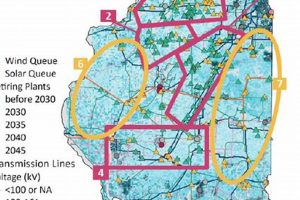
Integrating large amounts of renewable energy often requires upgrading existing grid infrastructure. Transmission lines, substations, and distribution networks may need to be reinforced or expanded to accommodate the influx of renewable energy from geographically dispersed sources. Smart grid technologies, such as advanced sensors and communication systems, play a crucial role in optimizing grid performance and managing the bidirectional flow of electricity. For instance, upgrading transmission lines to higher voltage levels can reduce transmission losses and facilitate the integration of remote renewable energy projects.
- Grid Stability and Reliability:
Maintaining grid stability and reliability is paramount when integrating variable renewable energy sources. Grid operators employ various control mechanisms to ensure frequency regulation, voltage control, and protection against faults. The increasing penetration of renewable energy requires advanced grid management systems capable of handling the dynamic nature of these resources. For example, inertia, which provides inherent grid stability, is typically provided by rotating generators in conventional power plants. As renewable energy sources, which often rely on power electronics, displace conventional generators, grid operators must implement new strategies to maintain sufficient inertia and ensure grid stability. These strategies can include grid-forming inverters and synchronous condensers.
- Market and Regulatory Frameworks:
Effective market and regulatory frameworks are essential for promoting the integration of renewable energy into electricity grids. Policies that incentivize renewable energy development, such as feed-in tariffs and renewable portfolio standards, can drive investment in these technologies. Furthermore, well-designed market mechanisms, such as electricity markets that accurately value the flexibility and reliability provided by different generation sources, are crucial for ensuring cost-effective grid integration. For example, capacity markets can incentivize investment in resources that can provide reliable capacity during peak demand periods, including dispatchable renewable energy sources like hydropower and biomass, as well as energy storage technologies.
Successful grid integration of renewable energy sources requires a holistic approach that considers technical, operational, market, and regulatory aspects. Addressing these challenges effectively is crucial for realizing the full potential of renewable energy to contribute to a sustainable and decarbonized energy future. The continued development and deployment of smart grid technologies, energy storage solutions, and advanced grid management strategies are essential for maximizing the benefits of renewable energy integration. As renewable energy penetration increases, further innovation and collaboration among stakeholders will be crucial for ensuring a reliable, efficient, and sustainable electricity grid.
Frequently Asked Questions
This section addresses common inquiries regarding renewable energy technologies and their role in electricity generation. Clear and concise answers aim to provide a deeper understanding of the benefits and challenges associated with transitioning to sustainable power.
Question 1: How reliable is electricity generated from renewable sources, considering the intermittency of resources like solar and wind?
While solar and wind power are inherently intermittent, various strategies enhance their reliability. Grid management techniques, such as demand-side management and forecasting, coupled with energy storage solutions like batteries and pumped hydro, help balance supply and demand. Diversifying renewable energy portfolios with sources like geothermal and hydropower further enhances reliability.
Question 2: What is the environmental impact of manufacturing renewable energy technologies, considering the materials and processes involved?
Manufacturing renewable energy technologies requires resources and generates some environmental impacts. Life-cycle assessments evaluate these impacts, considering material extraction, manufacturing, transportation, operation, and end-of-life management. While some environmental impacts exist, they are generally lower than those associated with fossil fuel-based power generation over the entire life cycle.
Question 3: How cost-competitive is electricity from renewable sources compared to conventional fossil fuel-based generation?
The cost of renewable energy technologies has decreased significantly in recent years. In many regions, solar and wind power are now cost-competitive with, or even cheaper than, fossil fuel-based generation. Government policies, such as tax incentives and carbon pricing mechanisms, can further enhance the economic competitiveness of renewable energy.
Question 4: What are the primary barriers to wider adoption of renewable energy technologies?
Barriers to wider adoption include upfront costs, grid integration challenges, regulatory hurdles, public perception, and land use constraints. Addressing these barriers requires policy support, technological advancements, public education, and community engagement. Overcoming these obstacles is essential for accelerating the transition to a sustainable energy future.
Question 5: How can individuals contribute to the growth and development of the renewable energy sector?
Individuals can support renewable energy by investing in energy-efficient appliances, advocating for supportive policies, participating in community solar or wind projects, reducing energy consumption, and educating others about the benefits of renewable energy. Collective action can drive the transition towards a cleaner energy future.
Question 6: What is the long-term potential of renewable energy to meet global electricity demand?
Renewable energy sources have the technical potential to meet a substantial portion of global electricity demand. Continued technological advancements, coupled with supportive policies and investment, can unlock this potential and contribute significantly to mitigating climate change and ensuring long-term energy security.
Transitioning to renewable energy requires a comprehensive understanding of the technologies, challenges, and opportunities involved. Continued innovation, policy support, and public engagement are crucial for maximizing the benefits of renewable energy and achieving a sustainable energy future. The next section explores specific case studies of successful renewable energy integration projects around the world.
Continue reading to explore real-world examples of renewable energy integration…
Conclusion
This exploration of electricity generation from renewable energy has highlighted the diverse technologies available, ranging from established sources like hydropower and biomass to rapidly evolving technologies like solar, wind, and ocean energy. The examination of grid integration challenges underscores the importance of managing intermittency, upgrading infrastructure, and ensuring grid stability. Furthermore, the discussion of economic considerations, environmental impacts, and policy landscapes provides a comprehensive perspective on the transition towards sustainable power systems.
The continued advancement and adoption of renewable energy technologies are paramount for mitigating climate change and ensuring long-term energy security. While challenges remain, the decreasing costs, increasing efficiency, and growing public support for renewable energy signal a transformative shift in the global energy landscape. Transitioning towards a future powered by clean, sustainable electricity requires sustained commitment to research, innovation, policy implementation, and international collaboration. The future of energy hinges on embracing the potential of renewable resources and actively shaping a sustainable energy future for generations to come.