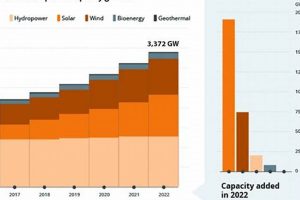
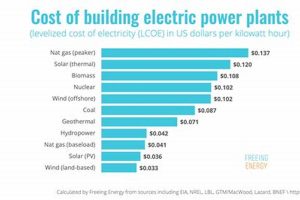
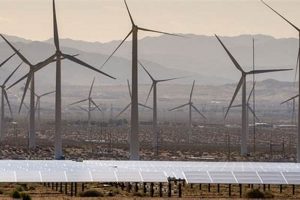
Transitioning to sustainable energy sources like solar, wind, hydro, and geothermal power offers numerous ecological advantages. For instance, utilizing photovoltaic panels to generate electricity reduces reliance on fossil fuels, thereby mitigating air pollution and greenhouse gas emissions. This shift also lessens the environmental impact associated with resource extraction and transportation inherent in conventional energy production.
The global shift towards cleaner energy options is crucial for combating climate change and preserving ecosystems. Historically, reliance on fossil fuels has contributed significantly to atmospheric pollution and global warming. Embracing sustainable alternatives helps mitigate these adverse effects, fostering a healthier planet for current and future generations. Reduced dependence on finite resources also enhances energy security and promotes long-term sustainability.
This exploration will delve deeper into specific benefits associated with various renewable energy technologies, examine potential challenges in their implementation, and discuss strategies for maximizing their positive environmental impact. Furthermore, the analysis will address the role of policy and technological advancements in accelerating the transition towards a sustainable energy future.
Tips for Maximizing Positive Environmental Impacts of Energy Transition
The transition to sustainable energy systems requires careful consideration of various factors to maximize environmental benefits. The following tips provide guidance for individuals, communities, and governments seeking to contribute to a greener future.
Tip 1: Support Local Renewable Energy Initiatives: Advocating for community solar projects, wind farms, and other local initiatives can accelerate the adoption of renewable energy technologies and reduce reliance on centralized fossil fuel-based power plants.
Tip 2: Invest in Energy-Efficient Appliances and Buildings: Choosing energy-efficient appliances, improving building insulation, and adopting smart home technologies can significantly reduce energy consumption, thereby minimizing the overall environmental footprint.
Tip 3: Advocate for Sustainable Transportation Policies: Supporting policies that promote public transportation, electric vehicle adoption, and cycling infrastructure contributes to reducing emissions from the transportation sector, a significant source of greenhouse gases.
Tip 4: Promote Responsible Consumption and Waste Reduction: Minimizing overall energy demand through responsible consumption habits and reducing waste generation indirectly lessens the need for energy production from all sources, including renewables.
Tip 5: Educate and Raise Awareness: Promoting understanding of the environmental benefits of renewable energy and sustainable practices within communities can empower individuals to make informed choices and contribute to collective efforts.
Tip 6: Support Research and Development: Continued investment in research and development of renewable energy technologies is crucial for improving efficiency, reducing costs, and expanding access to clean energy solutions.
Tip 7: Consider Lifecycle Impacts: When evaluating renewable energy options, it’s important to consider the full lifecycle environmental impacts, including manufacturing, installation, operation, and decommissioning, to ensure genuine sustainability.
By adopting these practices, individuals and communities can actively participate in creating a more sustainable energy future and contribute to a healthier environment. These collective efforts, coupled with supportive policies and technological advancements, are key to achieving significant positive change.
The successful transition to a sustainable energy future necessitates a multifaceted approach involving individual actions, policy changes, and technological innovation. The following section will delve into the broader implications of this transition and its potential to reshape the global energy landscape.
1. Reduced Emissions

A primary environmental benefit of renewable energy is its capacity to significantly reduce emissions, particularly greenhouse gases like carbon dioxide, methane, and nitrous oxide. This reduction is crucial for mitigating climate change and its associated impacts, such as rising global temperatures, extreme weather events, and sea-level rise. Exploring the facets of reduced emissions provides a deeper understanding of its connection to the overall effect of renewable energy on the environment.
- Greenhouse Gas Mitigation
Renewable energy sources, unlike fossil fuels, produce little to no greenhouse gases during operation. This inherent characteristic directly addresses the primary driver of climate change. For example, replacing a coal-fired power plant with a solar farm eliminates the substantial carbon dioxide emissions associated with coal combustion. This mitigation effect is essential for stabilizing the climate and preventing further environmental degradation.
- Air Quality Improvement
Reduced reliance on fossil fuels also leads to improved air quality. Combustion of fossil fuels releases pollutants such as sulfur dioxide, nitrogen oxides, and particulate matter, which contribute to respiratory problems and other health issues. Transitioning to renewable energy sources like wind and solar power minimizes these pollutants, creating healthier environments, particularly in urban areas. For instance, replacing diesel buses with electric buses powered by renewable energy can significantly improve urban air quality.
- Acid Rain Reduction
Emissions from fossil fuel combustion are a major contributor to acid rain. Sulfur dioxide and nitrogen oxides react with atmospheric moisture to form sulfuric and nitric acids, which then fall as acid rain, damaging ecosystems and infrastructure. Renewable energy sources do not produce these precursors, thus contributing to a reduction in acid rain and its harmful effects. The shift to renewable energy sources can protect sensitive ecosystems, like forests and lakes, from acidification.
- Ozone Layer Protection
Certain refrigerants and industrial processes associated with conventional energy production release ozone-depleting substances. The transition to renewable energy reduces the demand for these substances, contributing to the recovery of the ozone layer, which protects life on Earth from harmful ultraviolet radiation. Promoting renewable energy indirectly supports international agreements aimed at phasing out ozone-depleting substances.
The reduced emissions associated with renewable energy represent a crucial aspect of its positive environmental impact. By mitigating greenhouse gas emissions, improving air quality, reducing acid rain, and protecting the ozone layer, the transition to renewable energy creates a healthier and more sustainable environment. These benefits contribute significantly to the overall goal of mitigating climate change and preserving the planet for future generations. The shift to cleaner energy sources requires comprehensive strategies encompassing technological advancements, policy changes, and public awareness to maximize these positive effects.
2. Improved Air Quality

Improved air quality represents a significant positive consequence of transitioning to renewable energy sources. This shift directly addresses the detrimental effects of air pollution stemming from conventional energy generation, offering substantial benefits for both human health and the environment. Examining the facets of air quality improvement reveals a deeper understanding of its integral connection to the overall effect of renewable energy on the environment.
- Reduced Particulate Matter
Combustion of fossil fuels releases particulate matter, microscopic particles that contribute to respiratory illnesses, cardiovascular problems, and other health issues. Renewable energy sources, producing no direct air pollutants during operation, significantly reduce particulate matter concentrations. For example, replacing coal-fired power plants with wind farms eliminates a major source of particulate matter pollution, leading to cleaner air and improved public health in surrounding communities. This reduction translates to fewer hospital admissions for respiratory illnesses and a decrease in premature mortality associated with air pollution.
- Decreased Ground-Level Ozone
Nitrogen oxides (NOx), emitted from fossil fuel combustion, are precursors to ground-level ozone, a major component of smog. Ozone irritates the respiratory system, exacerbating asthma and other lung conditions. Renewable energy sources minimize NOx emissions, thereby reducing ground-level ozone formation. This improvement in air quality benefits vulnerable populations, such as children and the elderly, who are particularly susceptible to ozone’s harmful effects. Urban areas with high traffic congestion often experience significant reductions in ozone levels after transitioning to electric buses and other clean transportation powered by renewable energy.
- Mitigation of Sulfur Dioxide Pollution
Burning fossil fuels, especially coal, releases sulfur dioxide, a gas that contributes to acid rain and respiratory problems. Renewable energy technologies eliminate this source of pollution. The absence of sulfur dioxide emissions from renewable energy facilities safeguards ecosystems sensitive to acidification and improves air quality in regions previously impacted by coal-fired power plants. This benefit extends to both terrestrial and aquatic ecosystems, protecting forests, lakes, and rivers from the detrimental effects of acid rain.
- Reduced Heavy Metal Contamination
Certain fossil fuels, particularly coal, contain heavy metals like mercury, lead, and arsenic, which are released into the atmosphere during combustion. These heavy metals can contaminate soil and water, posing significant risks to human health and the environment. Renewable energy sources do not emit heavy metals, preventing this contamination pathway and protecting ecosystems and human populations. This reduction in heavy metal pollution is particularly important for communities located near coal-fired power plants, where heavy metal contamination can pose significant health risks.
The positive effects of renewable energy on air quality demonstrate a crucial link between energy choices and environmental health. By reducing particulate matter, ground-level ozone, sulfur dioxide, and heavy metal contamination, renewable energy sources contribute significantly to cleaner air, improved public health, and a healthier environment. This aspect of the transition to sustainable energy systems underscores the interconnectedness of environmental challenges and solutions. The continued development and implementation of renewable energy technologies are essential for maximizing these benefits and creating a more sustainable future.
3. Water Conservation
Water conservation is a critical aspect of environmental sustainability, and the transition to renewable energy plays a significant role in addressing this challenge. Traditional energy production, particularly thermoelectric power generation, often requires substantial water resources for cooling and other processes. Renewable energy technologies offer alternatives that significantly reduce or eliminate this water demand, contributing to water conservation efforts and mitigating the environmental impacts associated with water extraction and consumption.
- Reduced Water Consumption in Electricity Generation
Renewable energy technologies like solar photovoltaic and wind power require minimal water for operation, contrasting sharply with conventional thermoelectric plants. This reduced water footprint alleviates pressure on water resources, particularly in water-stressed regions. For example, concentrating solar power (CSP) plants, while requiring some water for cooling, consume significantly less water than traditional power plants. This difference becomes particularly crucial in arid and semi-arid regions where water scarcity is a significant concern. The reduced water demand associated with renewable energy allows for greater allocation of water resources to other essential sectors, such as agriculture, municipal use, and ecosystem maintenance.
- Minimized Water Pollution from Energy Production
Conventional energy extraction and production processes can contaminate water sources through chemical spills, wastewater discharge, and other forms of pollution. Renewable energy technologies, by their nature, minimize these risks. Solar and wind power, for instance, generate electricity without producing wastewater or requiring extensive chemical processing. This reduction in water pollution protects aquatic ecosystems, safeguards human health, and reduces the costs associated with water treatment and remediation. The shift to renewable energy contributes to improved water quality and reduces the environmental burden associated with conventional energy production.
- Enhanced Water Availability for Other Uses
By reducing water consumption in the energy sector, renewable energy technologies free up water resources for other essential uses. This enhanced water availability can support agricultural activities, sustain municipal water supplies, and maintain healthy aquatic ecosystems. In regions facing water scarcity, the transition to renewable energy can be instrumental in ensuring adequate water resources for various societal and ecological needs. For example, the reduced water demand from renewable energy can help maintain river flows necessary for supporting aquatic life and riparian habitats.
- Protection of Aquatic Ecosystems
Reduced water withdrawal and minimized pollution from renewable energy contribute to the protection of aquatic ecosystems. Maintaining healthy river flows, reducing thermal pollution from power plant discharge, and minimizing chemical contamination protect aquatic biodiversity and support the ecological integrity of rivers, lakes, and other water bodies. This positive impact of renewable energy contributes to broader environmental conservation efforts and ensures the long-term health of aquatic ecosystems. For instance, reducing thermal pollution from power plants helps maintain suitable water temperatures for fish and other aquatic organisms.
The connection between water conservation and renewable energy is integral to understanding the overall effect of renewable energy on the environment. By minimizing water consumption, reducing water pollution, and protecting aquatic ecosystems, the transition to renewable energy contributes significantly to water sustainability. This positive impact becomes increasingly crucial in a world facing growing water scarcity and the escalating impacts of climate change. Integrating water conservation strategies into renewable energy development and implementation is essential for maximizing the environmental benefits and ensuring a sustainable water future.
4. Land Use Impact

Renewable energy technologies, while offering substantial environmental benefits, require land for infrastructure development. This land use impact represents a crucial consideration within the broader context of renewable energy’s effect on the environment. Understanding the types of land use associated with different renewable energy technologies, their potential environmental consequences, and strategies for minimizing these impacts is essential for ensuring sustainable development.
Solar power plants, particularly large-scale photovoltaic (PV) installations, require significant land areas. While rooftop solar minimizes land use conflicts, utility-scale solar farms can alter landscapes and potentially displace natural habitats. Wind farms, similarly, require land for turbine placement and access roads. The ecological impact of wind turbines on bird and bat populations requires careful assessment and mitigation measures. Hydroelectric dams, while not requiring extensive land areas for power generation, fundamentally alter river ecosystems and can displace human communities. Geothermal power plants have a relatively small land footprint but may impact local groundwater resources. Careful site selection, environmental impact assessments, and mitigation strategies are crucial for minimizing the land use impacts of all renewable energy technologies. For example, siting solar farms on brownfields or degraded lands can minimize impacts on pristine ecosystems. Similarly, careful placement of wind turbines can reduce risks to avian populations.
Assessing the land use impact of renewable energy projects necessitates a comprehensive approach that considers both the direct and indirect consequences. Direct impacts include habitat loss and fragmentation, while indirect impacts may include changes in local hydrology, soil erosion, and visual impacts on landscapes. Balancing the benefits of renewable energy with potential land use conflicts requires careful planning and stakeholder engagement. Developing clear land use policies, promoting co-location of renewable energy infrastructure with other compatible land uses, and implementing effective mitigation measures are essential for maximizing the environmental benefits of renewable energy while minimizing its land use footprint. The ongoing development of more efficient renewable energy technologies, such as higher-efficiency solar panels and taller wind turbines, can further reduce land use requirements per unit of energy generated. Ultimately, a strategic and integrated approach to land use planning is crucial for ensuring that the transition to renewable energy contributes to a truly sustainable future.
5. Ecosystem Protection
Ecosystem protection represents a central benefit derived from the transition to renewable energy sources. This connection stems from the diminished reliance on environmentally damaging practices associated with conventional energy production. Fossil fuel extraction, transportation, and combustion contribute significantly to habitat destruction, air and water pollution, and greenhouse gas emissions, all of which pose substantial threats to ecosystem health and biodiversity. Renewable energy offers a pathway to mitigate these threats and foster a more sustainable relationship between energy production and the natural world.
Renewable energy technologies minimize or eliminate many of the negative environmental impacts associated with conventional energy. For instance, solar and wind power require no fuel combustion, thus avoiding the release of air pollutants that contribute to acid rain and smog, which damage forests and aquatic ecosystems. Similarly, transitioning away from fossil fuel extraction reduces habitat destruction caused by mining, drilling, and pipeline construction. Hydropower, while offering a renewable energy source, can present ecological challenges through dam construction and alterations to river flows. However, careful planning and mitigation strategies can minimize these impacts. For example, incorporating fish ladders into dam designs can maintain connectivity for migratory fish species. Geothermal energy, while generally having a low environmental impact, requires careful management to prevent groundwater contamination and induced seismicity.
The practical significance of understanding the link between ecosystem protection and renewable energy is substantial. Protecting and restoring ecosystems provides numerous benefits, including enhanced biodiversity, improved water and air quality, increased carbon sequestration, and greater resilience to climate change impacts. These benefits contribute not only to environmental health but also to human well-being. Promoting sustainable energy development requires a holistic approach that considers both the immediate and long-term effects on ecosystems. Incorporating ecological considerations into energy planning, implementing effective mitigation strategies, and prioritizing ecosystem restoration efforts are crucial for maximizing the environmental benefits of the renewable energy transition. This approach necessitates collaboration among policymakers, scientists, industry stakeholders, and local communities to ensure that the transition to a sustainable energy future also safeguards the health and integrity of the planet’s ecosystems.
Frequently Asked Questions
This section addresses common inquiries regarding the environmental impacts of renewable energy technologies, offering clear and concise explanations based on scientific understanding and current research.
Question 1: Do renewable energy sources have zero environmental impact?
While renewable energy sources offer significant environmental advantages over fossil fuels, they are not entirely without impact. Life-cycle assessments reveal environmental considerations related to material extraction, manufacturing, transportation, installation, operation, and decommissioning. However, these impacts are generally far less significant than those associated with conventional energy sources.
Question 2: How does land use for renewable energy projects compare with that of fossil fuels?
Land use requirements vary considerably among energy sources. While large-scale solar and wind farms require substantial land areas, they can often be co-located with other compatible land uses, such as agriculture or grazing. Fossil fuel extraction, including mining and drilling, can have more intensive and lasting impacts on land and ecosystems.
Question 3: What are the potential ecological impacts of wind turbines on wildlife?
Bird and bat mortality is a recognized environmental concern associated with wind energy development. However, careful site selection, turbine design modifications, and operational adjustments can significantly minimize these impacts. Ongoing research continues to improve strategies for mitigating wildlife interactions with wind turbines.
Question 4: How does hydroelectric power affect river ecosystems?
Hydropower projects can alter river flows, impacting fish migration, sediment transport, and riparian habitats. Dam construction can also lead to habitat loss and fragmentation. However, careful project design, mitigation measures like fish ladders, and environmental flow management can help minimize these impacts.
Question 5: Are there environmental concerns associated with solar panel production and disposal?
The manufacturing of solar panels involves the use of certain materials that require careful handling and disposal. However, recycling programs and advancements in solar panel technology are addressing these concerns and minimizing the environmental footprint of solar energy.
Question 6: How does the overall environmental impact of renewable energy compare to that of fossil fuels?
Life-cycle assessments consistently demonstrate that renewable energy sources have significantly lower environmental impacts than fossil fuels across a range of indicators, including greenhouse gas emissions, air and water pollution, and land use. Transitioning to renewable energy is essential for mitigating climate change and protecting the environment.
Addressing these common questions helps clarify the environmental benefits and considerations associated with renewable energy technologies. A comprehensive understanding of these factors informs effective decision-making and promotes responsible development of sustainable energy systems.
The following section delves further into the specific environmental advantages of individual renewable energy technologies, offering a more detailed analysis of their respective contributions to a sustainable energy future.
Conclusion
This exploration has examined the multifaceted effects of renewable energy on the environment, highlighting its crucial role in mitigating climate change and fostering a sustainable future. Reduced greenhouse gas emissions, improved air and water quality, decreased reliance on finite resources, and enhanced ecosystem protection represent core benefits associated with the transition to renewable energy sources. While potential environmental impacts related to land use and manufacturing processes warrant careful consideration and mitigation, the overall environmental advantages of renewable energy compared to conventional fossil fuels are undeniable. Addressing challenges related to intermittency, storage, and grid integration requires ongoing innovation and strategic planning.
The transition to a renewable energy-powered world represents not merely a technological shift but a fundamental transformation in humanity’s relationship with the environment. Embracing sustainable energy solutions is essential for safeguarding the planet’s health, ensuring long-term resource availability, and fostering a more equitable and prosperous future for all. Continued investment in research, development, and deployment of renewable energy technologies, coupled with supportive policies and public awareness, will be crucial for realizing the full potential of this transformative shift and securing a sustainable future.