Intermittent power generation, geographic limitations, environmental impact, and high initial costs present challenges to renewable energy sources. For instance, solar power relies on sunlight and wind power on consistent wind, creating variability in energy production. This necessitates backup power solutions or sophisticated energy storage systems, adding complexity and expense.
Understanding the challenges associated with transitioning to renewable energy is crucial for developing effective strategies and realistic expectations. Historically, energy policy has focused on readily available fossil fuels. The shift towards sustainable sources requires careful consideration of the trade-offs involved to ensure a reliable and affordable energy future. Examining these drawbacks facilitates informed decision-making and fosters innovation to overcome these hurdles, ultimately contributing to a more sustainable energy landscape.
The following sections will delve into the specific challenges posed by various renewable energy technologies, including solar, wind, hydro, and geothermal, exploring potential mitigation strategies and future research directions.
Mitigating the Challenges of Renewable Energy Integration
Successfully transitioning to a renewable energy-dominant system requires careful planning and strategic mitigation of inherent drawbacks. The following tips offer guidance for addressing these challenges:
Tip 1: Diversify Renewable Energy Sources: Relying on a single renewable energy source increases vulnerability to intermittency. Combining various sources, such as solar, wind, and geothermal, creates a more resilient and stable energy supply.
Tip 2: Invest in Energy Storage Technologies: Technologies like batteries, pumped hydro, and compressed air energy storage can help bridge the gap between energy generation and demand, smoothing out fluctuations from intermittent sources.
Tip 3: Enhance Grid Infrastructure: Modernizing existing grid infrastructure to accommodate decentralized renewable energy generation and improve transmission capacity is essential for efficient energy distribution.
Tip 4: Implement Smart Grid Technologies: Smart grids optimize energy consumption by matching supply and demand in real-time, enhancing grid stability and reducing reliance on backup power sources.
Tip 5: Conduct Thorough Environmental Impact Assessments: Careful evaluation of potential environmental impacts associated with renewable energy projects, such as land use and habitat disruption, is crucial for minimizing negative consequences.
Tip 6: Promote Research and Development: Continued investment in research and development of more efficient and cost-effective renewable energy technologies is essential for long-term sustainability.
Tip 7: Foster Community Engagement and Education: Public understanding and acceptance of renewable energy projects are vital for successful implementation. Transparent communication and community involvement are crucial for addressing concerns and fostering support.
By addressing these challenges proactively, the transition to a sustainable energy future can be achieved while ensuring energy reliability, affordability, and environmental responsibility.
These strategies highlight the importance of a multi-faceted approach to renewable energy integration. The subsequent conclusion will synthesize these points and offer a perspective on the future of renewable energy.
1. Intermittency

Intermittency, the fluctuating nature of renewable energy sources like solar and wind, presents a significant challenge to their widespread adoption. Solar power generation depends on sunlight availability, varying with weather conditions and time of day. Similarly, wind power relies on wind speeds, which are inherently variable. This unpredictable energy supply creates grid instability, making it difficult to match energy production with consumer demand. For example, a sudden drop in wind speed can lead to a power shortfall if insufficient backup power is available. This unreliability poses a major obstacle to transitioning away from traditional, consistent energy sources like fossil fuels.
The practical implications of intermittency are substantial. Grid operators must constantly balance supply and demand, often relying on traditional power plants to compensate for fluctuations in renewable energy generation. This can negate some of the environmental benefits of renewable sources. Moreover, intermittency necessitates investment in energy storage solutions, such as batteries or pumped hydro, adding to the overall cost of renewable energy systems. For instance, regions heavily reliant on solar power might experience energy deficits during extended periods of cloud cover, requiring substantial battery storage capacity to maintain a stable energy supply. Furthermore, predicting energy output from intermittent sources is complex, making it challenging to plan and manage energy resources effectively.
Addressing intermittency is crucial for maximizing the potential of renewable energy. Strategies include diversifying renewable energy sources, improving forecasting models, and investing in smart grid technologies that optimize energy distribution. Further research into advanced energy storage solutions is also essential to mitigate the challenges posed by intermittency and facilitate a reliable and sustainable energy future. The inherent variability of these sources remains a key hurdle to overcome for seamless integration into existing energy infrastructures.
2. Geographic Constraints
Renewable energy sources, while offering a sustainable alternative to fossil fuels, face significant limitations due to geographic constraints. The availability of suitable locations for harnessing renewable energy resources directly impacts their viability and cost-effectiveness. These limitations necessitate careful consideration when planning and implementing renewable energy projects.
- Resource Availability:
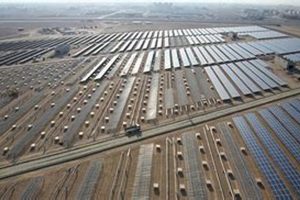
Renewable energy resources are not uniformly distributed. Solar energy potential is highest in regions with abundant sunlight, while wind energy requires consistent and strong winds. Hydropower relies on suitable river systems and elevation changes, and geothermal energy depends on access to geothermal hotspots. For example, solar farms are more effective in desert regions than in areas with frequent cloud cover. Similarly, optimal locations for wind farms are often in coastal areas or mountainous regions with reliable wind patterns. This uneven distribution limits the feasibility of certain renewable energy technologies in specific geographic locations, impacting overall energy production potential.
- Land Use and Environmental Impact:
Large-scale renewable energy projects often require significant land areas. Solar and wind farms can occupy vast tracts of land, potentially impacting ecosystems and agricultural activities. Hydropower projects can alter river flows and affect aquatic habitats. For example, large solar farms can displace native vegetation and wildlife, while dam construction for hydropower can lead to habitat loss and fragmentation. Careful site selection and environmental impact assessments are crucial to minimize these negative consequences.
- Transmission Infrastructure:
Renewable energy resources are often located in remote areas, far from population centers where electricity demand is highest. This necessitates extensive transmission infrastructure to transport the generated power, adding to project costs and complexity. For instance, offshore wind farms require undersea cables to connect to the onshore grid, presenting technical and logistical challenges. Similarly, transmitting solar power from desert regions to urban areas requires significant investment in transmission lines. The distance between generation and consumption points represents a significant constraint on the efficient delivery of renewable energy.
- Proximity to Demand Centers:
Ideally, renewable energy generation should be located close to consumption centers to minimize transmission losses and infrastructure requirements. However, geographic constraints often necessitate locating renewable energy projects far from urban areas, increasing transmission costs and potential energy loss during transport. This poses a challenge for effectively integrating renewable energy into existing grid systems and ensuring reliable power delivery to consumers.
Geographic constraints significantly influence the feasibility, cost, and environmental impact of renewable energy projects. Overcoming these limitations requires careful planning, technological advancements, and strategic policy decisions. Addressing these challenges is essential for maximizing the potential of renewable energy and achieving a sustainable energy future. The interplay between resource availability, land use, transmission infrastructure, and proximity to demand centers ultimately determines the effectiveness and viability of renewable energy solutions in different geographic contexts.
3. Environmental Impact
While renewable energy technologies offer a pathway to a more sustainable energy future, they are not without environmental impacts. Understanding these impacts is crucial for responsible development and deployment of renewable energy systems. The environmental footprint of renewable energy, though often smaller than that of fossil fuels, must be carefully considered to minimize negative consequences.
Manufacturing renewable energy technologies requires raw materials and energy, resulting in emissions and waste generation. For example, the production of solar panels involves the use of silicon, which requires energy-intensive extraction and processing. Wind turbine blades are often made from fiberglass and resins, which have environmental impacts associated with their production and disposal. Additionally, the transportation and installation of renewable energy infrastructure contribute to emissions and can disrupt local ecosystems. For instance, transporting large wind turbine components requires specialized vehicles and can impact local traffic and air quality. The construction of hydropower dams can alter river flows, affecting fish migration patterns and downstream ecosystems. The land use requirements of solar and wind farms can displace native vegetation and wildlife, impacting biodiversity. For example, large-scale solar farms in desert ecosystems can fragment habitats and disrupt the delicate balance of these environments. Furthermore, noise pollution from wind turbines can affect nearby communities and wildlife.
Minimizing the environmental impact of renewable energy requires a lifecycle assessment approach, considering the impacts from material extraction to manufacturing, installation, operation, and decommissioning. Promoting sustainable material sourcing, improving manufacturing processes, and developing efficient recycling and disposal methods are crucial for reducing the environmental footprint of renewable energy. Careful site selection and mitigation strategies can minimize impacts on ecosystems and communities. For example, siting solar farms on brownfields or already disturbed lands can reduce habitat disruption. Implementing noise reduction measures for wind turbines can minimize their impact on local communities and wildlife. Ultimately, a comprehensive understanding of the environmental trade-offs associated with renewable energy is essential for informed decision-making and responsible implementation of these technologies to achieve a truly sustainable energy future.
4. High Initial Costs

The high upfront investment required for renewable energy technologies represents a significant barrier to widespread adoption. While long-term operational costs are generally lower than those of fossil fuel-based power plants, the initial capital expenditure can be substantial, posing challenges for individuals, businesses, and governments. This financial hurdle necessitates innovative financing mechanisms and policy incentives to facilitate the transition to renewable energy systems.
- Equipment and Installation:
The cost of purchasing and installing renewable energy equipment, such as solar panels, wind turbines, and geothermal power plants, is considerably higher than that of conventional power generation technologies. For example, a large-scale solar farm requires significant investment in photovoltaic panels, inverters, mounting systems, and grid connection infrastructure. Similarly, offshore wind farms involve substantial costs for turbines, foundations, and undersea cables. These upfront expenses contribute significantly to the overall project cost and can deter investment.
- Land Acquisition and Development:
Renewable energy projects, particularly solar and wind farms, often require large tracts of land. Acquiring and developing this land adds to the initial project cost. Factors such as land prices, permitting processes, and environmental impact assessments can further escalate expenses. For instance, solar farms in densely populated areas may face higher land acquisition costs compared to those in remote locations. These land-related expenses represent a substantial portion of the initial investment.
- Grid Integration and Infrastructure:
Integrating renewable energy sources into existing grid infrastructure can require upgrades and expansion of transmission and distribution networks. This includes investments in new transmission lines, substations, and smart grid technologies to manage the intermittent nature of renewable energy generation. For example, connecting remote wind farms to the grid necessitates substantial investment in long-distance transmission lines. These grid integration costs add to the overall financial burden of renewable energy projects.
- Financing and Return on Investment:
Securing financing for large-scale renewable energy projects can be challenging due to the high initial capital outlay. Investors assess the long-term return on investment, considering factors such as energy prices, government incentives, and operational costs. The perceived risk associated with renewable energy projects, particularly concerning intermittency and grid integration challenges, can influence financing decisions and increase borrowing costs. Attracting investment requires demonstrating the financial viability and long-term profitability of renewable energy projects.
The high initial costs associated with renewable energy technologies represent a significant hurdle in the transition to a sustainable energy future. Overcoming this financial barrier requires a combination of policy support, technological advancements, and innovative financing mechanisms. Addressing these cost challenges is crucial for accelerating the adoption of renewable energy and realizing its full potential in mitigating climate change and ensuring energy security. While the long-term benefits of renewable energy are substantial, the upfront investment remains a key factor influencing decision-making processes and hindering widespread implementation.
5. Storage Limitations
Storage limitations represent a critical challenge associated with renewable energy sources, particularly those characterized by intermittency, such as solar and wind power. The inability to store large quantities of energy cost-effectively and efficiently hinders the reliability and dispatchability of these resources. This poses a significant obstacle to fully integrating renewable energy into existing power grids and achieving a stable energy supply. The fundamental issue arises from the mismatch between energy generation and demand. Solar power is generated only during daylight hours, while wind power fluctuates depending on wind speeds. When generation exceeds demand, excess energy must be stored for later use, especially during periods of low generation or peak demand. Without adequate storage solutions, renewable energy sources cannot consistently meet energy needs, requiring reliance on conventional power plants or leading to potential power outages.
For example, a solar farm might generate substantial energy during sunny afternoons, exceeding immediate demand. Without sufficient storage capacity, this surplus energy is lost. Conversely, during nighttime hours, solar energy production ceases, requiring alternative energy sources to meet demand. Similarly, wind power experiences periods of high generation when wind speeds are strong and periods of low generation during lulls. This variability necessitates storage solutions to bridge the gap between fluctuating supply and consistent demand. Current energy storage technologies, such as pumped hydro and batteries, face limitations in terms of scalability, cost, and efficiency. Pumped hydro requires specific geographical conditions, while battery storage remains relatively expensive for large-scale applications. These limitations restrict the ability to effectively store excess renewable energy, hindering the transition to a renewable energy-dominant system. Furthermore, the efficiency of energy storage systems plays a crucial role. Energy is lost during the storage and retrieval process, impacting the overall effectiveness of renewable energy integration. Improving storage efficiency is essential for maximizing the utilization of renewable resources and minimizing reliance on conventional power plants.
Addressing storage limitations is crucial for realizing the full potential of renewable energy. Advancements in battery technology, including increased storage capacity, reduced costs, and improved efficiency, are essential. Exploring alternative storage solutions, such as compressed air energy storage, thermal storage, and flow batteries, also holds promise. Furthermore, integrating smart grid technologies that optimize energy distribution and manage demand can mitigate the impact of storage limitations. Overcoming these challenges is fundamental for ensuring a reliable, sustainable, and cost-effective energy future powered by renewable resources. Continued research and development in energy storage technologies are paramount for achieving a seamless transition to a renewable energy-based economy and mitigating the intermittency challenges associated with these resources.
6. Transmission Infrastructure

Transmission infrastructure represents a significant challenge in the context of renewable energy integration. Renewable energy resources are often geographically dispersed, located in areas with optimal wind, solar, or geothermal conditions, which may be far from population centers and existing grid infrastructure. This geographical disconnect necessitates substantial investment in new transmission lines to transport generated power to consumers, increasing the overall cost and complexity of renewable energy projects. Long-distance transmission also leads to energy losses due to line resistance, reducing the overall efficiency of renewable energy delivery. For example, offshore wind farms require extensive undersea cables to connect to the onshore grid, adding significant expense and technical complexity. Similarly, transmitting solar power from desert regions to urban areas necessitates long-distance transmission lines, increasing project costs and energy losses.
The inadequacy of existing grid infrastructure further exacerbates the challenge. Many current grids are designed for centralized power generation from fossil fuel plants and are not equipped to handle the decentralized and intermittent nature of renewable energy sources. Upgrading existing infrastructure to accommodate the influx of renewable energy requires significant investment and can pose technical challenges. For instance, integrating intermittent solar and wind power requires advanced grid management systems to balance supply and demand and maintain grid stability. This necessitates investments in smart grid technologies, energy storage solutions, and grid modernization efforts, adding to the overall cost and complexity of transitioning to a renewable energy-based system. Furthermore, the permitting and approval processes for new transmission lines can be lengthy and complex, often facing opposition from local communities and environmental groups concerned about land use, visual impacts, and potential ecological disruption. These regulatory hurdles can delay project implementation and increase development costs.
In summary, transmission infrastructure presents a crucial bottleneck in the widespread adoption of renewable energy. Addressing this challenge requires strategic planning, investment in grid modernization, and streamlined regulatory processes. Developing efficient and cost-effective transmission solutions is essential for maximizing the potential of renewable energy resources, ensuring reliable power delivery, and achieving a sustainable energy future. Failure to address transmission constraints will limit the growth of renewable energy and hinder the transition to a cleaner energy system. The geographical distribution of renewable resources, coupled with the limitations of existing grid infrastructure, necessitates significant investment and innovation in transmission technologies and grid management strategies to overcome this critical challenge.
Frequently Asked Questions about Renewable Energy Challenges
This section addresses common inquiries regarding the obstacles encountered in the transition to renewable energy sources, providing concise and informative responses.
Question 1: How does the intermittency of renewable energy sources affect grid stability?
Intermittent renewable sources, such as solar and wind, introduce fluctuations in energy supply. Grid stability requires a consistent balance between supply and demand. Fluctuations necessitate backup power sources or sophisticated grid management systems to compensate for variability.
Question 2: What are the primary environmental concerns associated with renewable energy development?
While generally considered environmentally friendly, renewable energy technologies can have impacts. These include land use changes for solar and wind farms, habitat disruption, manufacturing emissions for components like solar panels and wind turbine blades, and alterations to water flow for hydropower projects. Thorough environmental impact assessments are crucial for minimizing these effects.
Question 3: Why are the upfront costs of renewable energy technologies often high?
High initial costs stem from several factors: manufacturing specialized equipment (solar panels, wind turbines), acquiring and developing suitable land, integrating these sources into existing grid infrastructure, and ongoing research and development. However, long-term operational costs are typically lower compared to fossil fuel-based systems.
Question 4: What are the limitations of current energy storage technologies?
Current energy storage technologies, while improving, face limitations in terms of scalability, cost, and efficiency. For example, pumped hydro storage requires specific geographic conditions, and large-scale battery storage remains expensive. Technological advancements are needed to overcome these limitations.
Question 5: How do geographic constraints affect the feasibility of renewable energy projects?
Renewable energy resources are not uniformly distributed geographically. Solar power requires ample sunlight, wind power needs consistent wind, hydropower depends on suitable water resources, and geothermal relies on access to geothermal hotspots. These geographic dependencies limit suitable locations and can influence project feasibility.
Question 6: What role does transmission infrastructure play in the challenges associated with renewable energy?
Renewable energy sources are often located far from consumption centers, necessitating extensive transmission infrastructure. Building new transmission lines involves significant costs and can encounter regulatory hurdles. Upgrading existing grids to accommodate the decentralized nature of renewables also poses challenges.
Understanding the challenges associated with renewable energy is crucial for developing effective solutions and promoting a sustainable energy transition. Addressing these issues requires ongoing technological innovation, policy support, and public awareness.
The following section explores potential strategies for mitigating these challenges and paving the way for a cleaner energy future.
Conclusion
Exploration of the inherent drawbacks of renewable energy reveals significant challenges to widespread adoption. Intermittency, geographic limitations, environmental impacts, high initial costs, storage limitations, and transmission infrastructure constraints pose substantial obstacles. While these drawbacks are undeniable, they do not negate the long-term benefits of transitioning to sustainable energy sources. Understanding these limitations is crucial for developing effective strategies to mitigate their impact and accelerate the transition to a cleaner energy future.
The future of renewable energy hinges on addressing these critical challenges through sustained research, technological innovation, and supportive policy frameworks. Overcoming these obstacles is essential not only for environmental sustainability but also for ensuring energy security and economic competitiveness. The transition to renewable energy is not a simple endeavor; it requires a comprehensive understanding of the complexities involved and a commitment to finding innovative solutions. Continued investment and collaboration are crucial for realizing the full potential of renewable energy and creating a truly sustainable energy landscape.