Small-scale power generation technologies using renewable resources, located close to the point of use, characterize this approach to energy production. Examples include rooftop solar panels on residential buildings, small wind turbines powering farms, and biomass generators serving local communities. This contrasts with large, centralized power plants that transmit electricity over long distances.
Locally generated power enhances grid resilience, reducing vulnerability to widespread outages caused by extreme weather or other disruptions. It also lessens transmission losses inherent in long-distance power delivery. Historically, electricity generation has relied on centralized fossil fuel power plants. However, increasing environmental awareness and technological advancements have driven the adoption of cleaner, localized power sources. This shift contributes to reduced greenhouse gas emissions and fosters local economic development.
The following sections will delve into specific technologies, economic considerations, and policy frameworks associated with localized power generation from renewable resources.
Tips for Implementing Localized Renewable Energy Generation
Careful planning and execution are crucial for successful implementation of localized renewable energy projects. The following tips offer guidance for maximizing the benefits of this approach.
Tip 1: Conduct a Thorough Site Assessment: Evaluate the local resource availability (solar irradiance, wind speed, biomass potential). Consider environmental factors, such as shading, prevailing wind direction, and proximity to sensitive ecosystems.
Tip 2: Understand Local Regulations and Incentives: Research permitting requirements, interconnection standards, and available financial incentives (tax credits, rebates, grants). Engage with local authorities and utility companies early in the planning process.
Tip 3: Choose Appropriate Technologies: Select technologies suited to the specific resource availability and energy needs of the site. Consider factors such as efficiency, scalability, and maintenance requirements.
Tip 4: Prioritize Energy Efficiency: Implement energy conservation measures to reduce overall energy demand before sizing renewable energy systems. This optimizes system performance and minimizes costs.
Tip 5: Engage with the Community: Communicate project details to local residents and stakeholders. Address potential concerns and foster community support for the project.
Tip 6: Explore Financing Options: Investigate various financing mechanisms, including loans, leases, and power purchase agreements. Evaluate the long-term cost-effectiveness of different financing options.
Tip 7: Develop a Long-Term Maintenance Plan: Establish a comprehensive maintenance schedule to ensure optimal system performance and longevity. Consider factors such as equipment warranties, spare parts availability, and technician training.
Implementing these tips can facilitate successful localized renewable energy projects, contributing to a more sustainable and resilient energy future.
By considering these factors and implementing best practices, communities and individuals can harness the full potential of localized power generation.
1. Decentralized Generation
Decentralized generation forms the cornerstone of distributed renewable energy. It signifies a shift away from large, centralized power plants towards numerous smaller generation units situated closer to consumers. This fundamental change in power system architecture is intrinsically linked to the growth of renewable energy technologies. Renewable sources, like solar and wind, are often best harnessed at a smaller scale and distributed across a wider geographical area. For example, rooftop solar photovoltaic (PV) systems embody decentralized generation, allowing homeowners to produce electricity on-site, reducing reliance on the centralized grid. Similarly, small wind turbines can power individual farms or communities.
The importance of decentralized generation as a component of distributed renewable energy lies in its ability to enhance grid resilience, reduce transmission and distribution losses, and empower consumers. A decentralized system is less vulnerable to single points of failure. If one generation unit fails, the impact on the overall system is minimized, unlike a centralized system where a single power plant outage can cause widespread blackouts. Furthermore, generating power closer to where it is consumed minimizes energy lost during transmission and distribution, improving overall system efficiency. Finally, decentralized generation can empower consumers by enabling them to become energy producers, increasing their control over their energy supply and potentially generating revenue.
Understanding the pivotal role of decentralized generation in distributed renewable energy is crucial for planning future energy systems. This approach offers numerous benefits, from improved reliability and efficiency to increased consumer participation. However, challenges remain, such as integrating these diverse generation sources into existing grid infrastructure and ensuring grid stability. Addressing these challenges requires innovative grid management solutions and continued technological advancements to unlock the full potential of decentralized generation and transition towards a more sustainable and resilient energy future.
2. Renewable Sources

Renewable sources are the lifeblood of distributed renewable energy systems. They provide the fuel for decentralized generation, enabling a transition away from fossil fuels and towards a more sustainable energy future. Harnessing these resources effectively is crucial for maximizing the benefits of distributed generation.
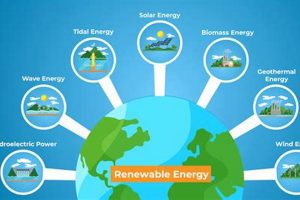
- Solar Energy:
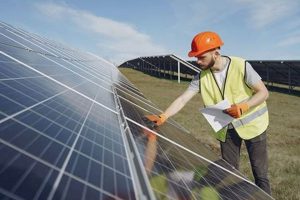
Photovoltaic (PV) panels and concentrated solar power (CSP) systems convert sunlight directly into electricity. Rooftop solar PV installations exemplify distributed generation, empowering homeowners to generate their own power. Larger-scale solar farms can also contribute to distributed generation by serving local communities. The abundance and widespread availability of sunlight make solar energy a key component of distributed renewable energy strategies.
- Wind Energy:
Wind turbines convert the kinetic energy of wind into electricity. Small wind turbines are suitable for distributed generation, providing power for individual homes, farms, or businesses. Larger wind farms can also be integrated into distributed generation schemes by feeding power into local grids. Wind energy’s potential depends on geographical location and wind resource availability.
- Hydropower:
Small-scale hydropower projects, such as micro-hydropower systems, can provide distributed generation for remote communities or individual properties located near suitable water resources. These systems harness the energy of flowing water to generate electricity. While not as widely applicable as solar or wind, hydropower offers a valuable renewable energy source for specific locations.
- Biomass Energy:
Biomass, including organic matter like wood chips and agricultural residues, can be converted into electricity through combustion or other processes. Biomass-fueled generators can serve as distributed generation resources for local communities or industries. The sustainability of biomass energy depends on responsible sourcing and management practices.
These diverse renewable sources offer a range of options for implementing distributed generation strategies. The choice of the most appropriate technology depends on local resource availability, energy demand, and economic considerations. By effectively integrating these renewable sources, distributed energy systems can contribute significantly to a cleaner, more resilient, and decentralized energy landscape.
3. Grid Resilience
Grid resilience, the ability of a power system to withstand and recover from disruptions, is significantly enhanced by distributed renewable energy. Traditional centralized grids are vulnerable to widespread outages caused by single points of failure, such as damage to a large power plant or transmission line. Distributed generation, inherently decentralized, reduces this vulnerability. Multiple, smaller generation sources spread across a wider geographical area create a more robust and resilient system. If one source fails, the impact on the overall system is minimized, preventing cascading failures and widespread blackouts. For instance, during extreme weather events that might damage a centralized power plant, locally generated renewable energy can provide critical backup power, ensuring essential services remain operational.
The importance of grid resilience as a component of distributed renewable energy stems from the increasing frequency and intensity of extreme weather events and other potential disruptions. Climate change projections suggest that extreme weather events, such as hurricanes, floods, and wildfires, will become more common, posing significant threats to traditional power systems. Distributed renewable energy offers a pathway to a more resilient energy future by mitigating the impacts of these events. For example, microgrids powered by renewable energy can operate independently from the main grid during outages, providing critical services to hospitals, emergency response centers, and other essential facilities. Furthermore, the integration of advanced grid technologies, such as smart grids and distributed energy resource management systems (DERMS), can further enhance the resilience and flexibility of distributed renewable energy systems.
Enhancing grid resilience through distributed renewable energy is crucial for ensuring a reliable and secure energy supply in the face of increasing challenges. This approach not only mitigates the risks of widespread outages but also contributes to a more sustainable and decentralized energy infrastructure. However, realizing the full potential of distributed renewable energy for grid resilience requires careful planning, investment in grid modernization, and supportive policies that encourage the adoption and integration of these technologies. Overcoming these challenges is essential for building a more resilient and sustainable energy future.
4. Reduced Transmission Losses

Reduced transmission losses represent a key advantage of distributed renewable energy. Traditional centralized power generation necessitates transmitting electricity over long distances, resulting in significant energy losses due to resistance in the transmission lines. Distributed generation, by locating power sources closer to consumption points, inherently minimizes the distance electricity travels, thus reducing these losses. This improved efficiency translates to less energy wasted during transmission and distribution, ultimately contributing to a more sustainable energy system. For instance, a rooftop solar panel powering a home directly eliminates the transmission losses associated with delivering electricity from a distant power plant.
The importance of reduced transmission losses as a component of distributed renewable energy stems from both economic and environmental considerations. Reduced losses translate to lower operating costs for utilities and consumers, as less energy needs to be generated to meet demand. Furthermore, reduced losses contribute to lower greenhouse gas emissions, as less fuel needs to be burned to compensate for wasted energy. This connection between reduced losses and distributed generation strengthens the argument for transitioning towards a more decentralized energy infrastructure. Consider, for example, a community powered by a local wind farm; the reduced transmission losses compared to a distant coal-fired power plant contribute to both lower electricity bills and a smaller carbon footprint for the community.
Minimizing transmission losses through distributed generation represents a crucial step towards greater energy efficiency and sustainability. While the implementation of distributed generation poses certain challenges, such as grid integration and intermittency of renewable sources, the benefits of reduced transmission losses, combined with other advantages like enhanced grid resilience and reduced reliance on fossil fuels, make a compelling case for continued investment and development in this area. Addressing the challenges associated with integrating distributed generation will be essential for unlocking the full potential of this approach and achieving a more sustainable and efficient energy future.
5. Community empowerment

Distributed renewable energy fosters community empowerment by enabling local control over energy production and distribution. This paradigm shift contrasts with traditional centralized power systems, where decisions about energy generation and supply are typically made by large utility companies. Community empowerment through distributed generation manifests in various forms, from community-owned solar farms to local microgrids, fostering greater energy independence and resilience.
- Local Ownership and Control
Distributed generation facilitates community ownership of energy assets. Community-owned solar or wind projects allow residents to invest in and benefit directly from local renewable energy generation. This ownership model fosters local economic development, creates jobs, and empowers communities to make decisions about their energy future. Examples include community solar gardens where subscribers receive credits on their electricity bills based on the energy produced by their share of the solar array.
- Energy Independence and Resilience
Community-based microgrids, powered by distributed renewable energy resources, enhance energy independence and resilience. Microgrids can operate independently from the main grid during outages, providing critical power to essential services and reducing reliance on external energy sources. This is particularly valuable in remote or disaster-prone areas. For example, a community microgrid powered by solar and battery storage can provide uninterrupted power during grid outages caused by severe weather events.
- Equitable Access to Energy
Distributed renewable energy can promote more equitable access to energy. Community-based projects can bring clean and affordable energy to underserved communities that may lack access to reliable electricity. This can improve quality of life, support economic development, and reduce energy poverty. For instance, off-grid solar systems can provide electricity to remote communities that are not connected to the main power grid.
- Increased Civic Engagement
Distributed renewable energy projects often involve significant community participation, fostering greater civic engagement and collaboration. Community members can participate in the planning, development, and operation of local renewable energy projects, contributing to a sense of shared ownership and responsibility. This increased engagement can strengthen community bonds and promote collective action towards sustainability goals. Community meetings and workshops can provide platforms for residents to voice their opinions and contribute to decision-making processes related to local energy projects.
By fostering local ownership, enhancing resilience, promoting equitable access, and increasing civic engagement, distributed renewable energy empowers communities to actively shape their energy future. This shift towards decentralized and community-driven energy systems contributes not only to a more sustainable energy landscape but also to stronger, more resilient, and self-reliant communities.
6. Environmental Benefits

Distributed renewable energy offers significant environmental advantages compared to conventional centralized power generation relying on fossil fuels. Minimizing environmental impact is a primary driver for the adoption of distributed renewable energy technologies. The following facets illustrate the key environmental benefits:
- Reduced Greenhouse Gas Emissions
A primary environmental benefit of distributed renewable energy is the substantial reduction in greenhouse gas emissions. Utilizing renewable sources like solar, wind, and hydropower displaces fossil fuel-based electricity generation, mitigating the release of carbon dioxide and other greenhouse gases that contribute to climate change. For example, replacing a coal-fired power plant with a distributed network of rooftop solar panels significantly reduces the overall carbon footprint of electricity consumption.
- Improved Air Quality
Distributed renewable energy sources produce no air pollutants during operation. This contrasts sharply with fossil fuel power plants, which emit harmful pollutants such as sulfur dioxide, nitrogen oxides, and particulate matter, contributing to respiratory problems and other health issues. Transitioning to distributed renewable energy improves local air quality, particularly in urban areas, leading to demonstrable public health benefits. Replacing diesel generators with solar-powered systems in densely populated areas, for instance, can drastically improve air quality and reduce respiratory illnesses.
- Reduced Water Consumption
Many renewable energy technologies, especially solar and wind, require minimal water for operation. This contrasts with conventional thermoelectric power plants, which consume large quantities of water for cooling purposes. In water-stressed regions, distributed renewable energy offers a sustainable alternative that minimizes pressure on scarce water resources. Implementing solar farms in arid regions, for example, minimizes water usage compared to conventional power plants, contributing to water conservation efforts.
- Minimized Land Use Impacts
While renewable energy projects require land, distributed generation can minimize land use impacts compared to large, centralized power plants and associated transmission infrastructure. Rooftop solar installations, for example, utilize existing infrastructure and do not require dedicated land. Similarly, integrating solar panels into agricultural land through agrivoltaics allows for dual land use, maximizing land productivity. This efficient land utilization is crucial for preserving natural habitats and minimizing ecosystem disruption.
These environmental benefits underscore the critical role of distributed renewable energy in achieving a sustainable energy future. By reducing emissions, improving air and water quality, and minimizing land use impacts, distributed generation offers a pathway towards a cleaner and healthier environment. The transition to distributed renewable energy is not without its challenges, such as intermittency and grid integration, but the long-term environmental benefits far outweigh these hurdles, making it a crucial component of global sustainability efforts.
7. Economic Development

Distributed renewable energy offers substantial economic development opportunities, stimulating local economies and creating new industries. This potential for economic growth is a key driver of the transition towards decentralized renewable energy systems. Analyzing the economic development facets associated with distributed generation reveals its transformative impact.
- Job Creation
The distributed renewable energy sector creates numerous jobs across various stages of project development, installation, operation, and maintenance. Manufacturing renewable energy equipment, installing solar panels or wind turbines, and maintaining these systems require a skilled workforce, stimulating local job markets and providing employment opportunities. For example, the growth of the rooftop solar industry has created thousands of installation and maintenance jobs across the country.
- Local Investment and Revenue Generation
Distributed renewable energy projects often involve local investment, circulating capital within communities. Community-owned renewable energy projects generate revenue that stays within the local economy, supporting local businesses and services. This contrasts with centralized power generation, where profits often flow to large corporations outside the community. For instance, a community-owned wind farm generates lease payments to landowners and provides revenue for local government services.
- Reduced Energy Costs
Distributed generation can reduce energy costs for consumers and businesses. Generating electricity on-site or locally reduces reliance on expensive grid electricity, especially during peak demand periods. This cost reduction frees up capital for other investments, stimulating economic activity. Rooftop solar installations, for example, can significantly lower monthly electricity bills for homeowners, allowing them to allocate those savings to other household expenses or investments.
- Enhanced Energy Security and Reliability
Distributed renewable energy enhances energy security and reliability by reducing dependence on external energy sources. This stability is attractive to businesses, encouraging investment and economic growth. Reliable power supply is crucial for business operations, and distributed generation minimizes disruptions caused by grid outages, making communities more attractive for business development. For instance, a microgrid powered by renewable energy can provide uninterrupted power to a business park, ensuring continuous operation even during grid failures.
By creating jobs, stimulating local investment, reducing energy costs, and enhancing energy security, distributed renewable energy serves as a catalyst for economic development. This economic potential, combined with the environmental benefits, makes a compelling case for transitioning towards a more decentralized and sustainable energy future. As the distributed renewable energy sector continues to grow and mature, its positive impact on local economies will become increasingly evident, demonstrating its crucial role in building a more prosperous and sustainable future.
Frequently Asked Questions
Addressing common inquiries regarding localized power generation from renewable sources provides clarity and fosters informed decision-making.
Question 1: How does localized generation from renewable sources improve grid resilience?
Decentralized power sources create a more robust grid, less susceptible to widespread outages from single points of failure. If one source fails, others can continue operating, maintaining essential services.
Question 2: What are the typical costs associated with implementing small-scale renewable energy systems?
Costs vary depending on technology, system size, and location. While initial investments can be significant, long-term operational savings and potential revenue generation through feed-in tariffs can offset these costs.
Question 3: Do localized renewable energy systems require specialized maintenance?
Regular maintenance is essential for optimal performance and longevity. Specific maintenance requirements depend on the chosen technology. Professional maintenance services are often available.
Question 4: How does policy support the growth of localized power generation?
Government policies, such as tax incentives, rebates, and net metering programs, can incentivize the adoption of small-scale renewable energy systems. Regulatory frameworks also govern grid interconnection and permitting processes.
Question 5: What role do communities play in the development of localized power generation?
Community engagement is crucial. Community-owned projects foster local economic development and empower residents to participate actively in the transition to sustainable energy. Public awareness campaigns and community meetings can facilitate broader adoption.
Question 6: What are the environmental impacts of small-scale renewable energy systems?
While generally environmentally beneficial, potential impacts such as land use and habitat disruption must be considered and mitigated through careful site selection and project design. Life-cycle assessments provide a comprehensive evaluation of environmental impacts.
Understanding these key aspects empowers individuals and communities to make informed decisions regarding the adoption of localized power generation from renewable sources.
The subsequent section will explore real-world case studies demonstrating successful implementations of localized power generation from renewable sources.
Conclusion
Decentralized, renewable-based power generation offers a transformative pathway toward a more sustainable and resilient energy landscape. Examination reveals its multifaceted benefits, encompassing enhanced grid resilience, reduced transmission losses, community empowerment, environmental protection, and economic development. From rooftop solar panels empowering individual homeowners to community-owned wind farms bolstering local economies, this approach reshapes the relationship between energy production and consumption.
The transition toward decentralized, renewable-based power generation represents not merely a technological shift but a societal imperative. Addressing the challenges of grid integration, intermittency management, and equitable access requires ongoing innovation and collaborative effort. However, the potential for a cleaner, more secure, and democratically controlled energy future underscores the critical importance of continued investment and policy support for distributed renewable energy.