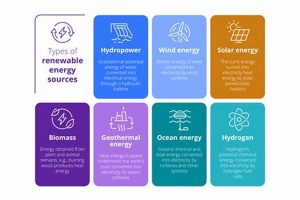
Facilities that house computer systems and associated components, such as telecommunications and storage systems, consume vast amounts of electricity. Supplying this power through sustainable sources like solar, wind, hydro, and geothermal energy is a growing trend. For instance, a hyperscale computing facility might leverage a nearby solar farm or wind installation to offset its operational carbon footprint.
Ecologically responsible powering of these facilities is crucial for mitigating the environmental impact of the digital age. Historically, reliance on fossil fuels for electricity generation has contributed significantly to greenhouse gas emissions. Shifting towards cleaner alternatives reduces this impact, promoting sustainability and lessening dependence on finite resources. This transition also offers potential cost savings through long-term price stability and reduced exposure to volatile fossil fuel markets.
This discussion will further explore the technical challenges, economic incentives, and policy landscapes that shape the intersection of sustainable power and digital infrastructure. Topics covered will include the design and implementation of energy-efficient computing facilities, the role of government regulations and corporate sustainability initiatives, and the ongoing evolution of renewable energy technologies.
Tips for Implementing Renewable Energy in Data Centers
Minimizing environmental impact and maximizing operational efficiency require careful consideration of several key factors when integrating renewable energy sources into data center operations.
Tip 1: Conduct a Thorough Site Assessment: Evaluate local renewable energy resources, grid infrastructure, and environmental regulations. This assessment should include an analysis of solar irradiance, wind speeds, water availability, and geothermal potential.
Tip 2: Optimize Data Center Design for Energy Efficiency: Implement strategies like free air cooling, hot/cold aisle containment, and efficient server utilization to minimize energy consumption and maximize the benefits of renewable energy integration.
Tip 3: Explore Power Purchase Agreements (PPAs): PPAs offer a mechanism for procuring renewable energy from off-site generation facilities, providing price stability and reducing upfront capital investment.
Tip 4: Consider On-Site Renewable Energy Generation: Installing solar panels, wind turbines, or other renewable energy sources on-site can reduce reliance on the grid and provide direct access to clean power. Evaluate available roof space, land area, and local permitting requirements.
Tip 5: Implement Energy Storage Solutions: Integrating battery storage systems or other energy storage technologies can address intermittency challenges associated with renewable energy sources, ensuring a consistent power supply to the data center.
Tip 6: Monitor and Optimize Energy Performance: Continuous monitoring of energy consumption and performance metrics enables identification of areas for improvement and optimization of renewable energy utilization.
Tip 7: Engage with Stakeholders: Collaboration with utility companies, government agencies, and community organizations can facilitate the integration of renewable energy sources and ensure project success.
By implementing these strategies, organizations can significantly reduce their environmental footprint, enhance operational efficiency, and contribute to a more sustainable future.
These practical steps offer a roadmap for organizations seeking to align their digital infrastructure with environmentally responsible practices. The next section will explore the future of renewable energy in data centers and the anticipated technological advancements that will further drive this evolution.
1. Reduced Carbon Footprint

Minimizing carbon emissions is a critical driver for integrating renewable energy sources into data center operations. The substantial energy consumption of these facilities necessitates a shift away from fossil fuel reliance to mitigate environmental impact and contribute to global sustainability efforts.
- Emissions Reductions through Renewable Energy Sources
Transitioning from fossil fuel-based electricity to renewable sources like solar, wind, and hydro power directly reduces greenhouse gas emissions. For example, a data center powered by a wind farm significantly lowers its carbon footprint compared to one relying on coal-fired power plants. Quantifying these reductions can be achieved by comparing lifecycle emissions of different energy sources.
- Indirect Emissions and Supply Chain Considerations
Beyond direct emissions from electricity consumption, the embodied carbon footprint of data center infrastructure, including manufacturing and transportation of servers and other equipment, must be considered. Choosing suppliers committed to sustainable practices and utilizing recycled materials can further reduce the overall carbon impact.
- Energy Efficiency as a Multiplier for Carbon Reduction
Implementing energy efficiency measures within the data center, such as optimizing cooling systems and server utilization, amplifies the carbon reduction benefits of renewable energy integration. Lower energy consumption translates to a smaller carbon footprint, even with a partially renewable energy supply.
- Carbon Offsetting and Renewable Energy Certificates (RECs)
When direct access to renewable energy is limited, organizations can explore carbon offsetting through purchasing RECs. These certificates represent the environmental attributes of one megawatt-hour (MWh) of renewable energy generated and added to the grid, allowing data centers to claim a portion of renewable energy use and offset their emissions.
The pursuit of a reduced carbon footprint through renewable energy integration requires a multifaceted approach encompassing energy source selection, operational efficiency, supply chain management, and potential offsetting strategies. These efforts contribute to a more sustainable digital ecosystem and demonstrate a commitment to environmental responsibility within the data center industry.
2. Operational Cost Savings

Integrating renewable energy sources offers significant potential for reducing operational expenditures in data centers. While initial investments in renewable energy infrastructure can be substantial, the long-term cost benefits often outweigh the upfront expenses. Several factors contribute to these operational cost savings.
Reduced Electricity Bills: Renewable energy sources, particularly on-site generation like solar or wind power, can significantly reduce reliance on grid electricity, leading to lower monthly utility bills. This effect is amplified in regions with high electricity prices or escalating demand charges. For example, a data center that installs solar panels can offset a portion of its daytime energy consumption, directly impacting its operational expenses. Furthermore, Power Purchase Agreements (PPAs) enable data centers to procure renewable energy at fixed or predictable prices, providing long-term cost certainty and protection against volatile energy markets.
Lower Cooling Costs: Certain renewable energy technologies, such as geothermal cooling, can directly reduce the energy required for cooling data center equipment. Geothermal systems utilize the stable temperature of the earth to provide a highly efficient cooling source, lowering operational costs compared to traditional air conditioning systems. Indirectly, incorporating renewable energy can also reduce the need for backup generators powered by fossil fuels, leading to further cost savings.
Tax Incentives and Government Subsidies: Many jurisdictions offer financial incentives, such as tax credits and rebates, for businesses that invest in renewable energy technologies. These incentives can significantly reduce the overall cost of implementation and accelerate the return on investment. Additionally, government subsidies for renewable energy development can create a more competitive market for clean energy, driving down prices and benefiting data center operators.
Successfully realizing operational cost savings through renewable energy integration requires careful planning, execution, and ongoing optimization. Factors such as local energy prices, available renewable resources, and government regulations must be considered to develop a cost-effective strategy. However, the potential for long-term cost reduction and enhanced financial stability makes renewable energy an increasingly attractive option for data center operators seeking to minimize operational expenses and contribute to a sustainable future.
3. Grid Stability Enhancement

Integrating renewable energy sources into data center operations offers the potential to enhance grid stability, particularly as power grids transition towards higher penetrations of variable renewable energy like solar and wind. Data centers, with their substantial and often predictable energy consumption, can play a crucial role in balancing fluctuations in renewable energy generation and strengthening overall grid resilience. This symbiotic relationship benefits both data center operators and the broader energy ecosystem.
Data centers can leverage their flexible energy demand to provide grid stabilization services. Through demand response programs, data centers can adjust their energy consumption in real-time based on grid conditions. For example, during periods of high renewable energy generation, a data center could increase its energy usage, absorbing excess power and preventing grid instability. Conversely, during periods of low renewable energy generation or peak demand, a data center could reduce its energy consumption, freeing up capacity for other users and mitigating strain on the grid. This flexibility is further enhanced by on-site energy storage solutions, such as batteries, which allow data centers to store excess renewable energy and discharge it when needed to support grid stability. Real-world examples include data centers participating in ancillary services markets, providing frequency regulation and voltage support to the grid.
The increasing prevalence of microgrids and distributed generation further strengthens the link between data centers and grid stability. Data centers located within microgrids, powered by a combination of renewable energy sources and on-site generation, can operate independently of the main grid during disruptions, enhancing local grid resilience. Furthermore, data centers can act as anchors for microgrids, providing a stable load and facilitating the integration of more variable renewable energy sources. This decentralized approach to energy management strengthens overall grid stability and reduces reliance on centralized power plants. However, successful integration requires sophisticated control systems and communication infrastructure to coordinate the interplay between data centers, renewable energy sources, and the grid. Continued development and deployment of smart grid technologies are essential to fully realize the grid stabilization potential of data centers powered by renewable energy.
4. Energy Independence

The pursuit of energy independence represents a significant driver in the adoption of renewable energy sources for data center operations. Reducing reliance on external energy providers and volatile fossil fuel markets enhances operational resilience and offers greater control over energy costs and supply chain stability. This decoupling from traditional energy sources is a crucial aspect of sustainable data center development and contributes to broader energy security goals.
- On-Site Generation and Reduced Grid Reliance
Deploying on-site renewable energy generation, such as rooftop solar panels or wind turbines, allows data centers to generate a portion of their electricity needs independently. This reduces reliance on the external grid, mitigating the impact of grid outages, price fluctuations, and transmission constraints. For example, a data center with on-site solar generation can maintain essential operations during a grid outage, ensuring business continuity and minimizing data loss.
- Microgrids and Islanding Capabilities
Integrating data centers into microgrids further enhances energy independence. Microgrids, localized grids that can operate independently of the main power grid, provide enhanced resilience during emergencies and natural disasters. Data centers within microgrids can function as anchor loads, supporting the integration of other distributed energy resources and enabling “islanding” the ability to disconnect from the main grid and operate autonomously. This is particularly relevant in remote locations or areas with unreliable grid infrastructure.
- Energy Storage and Peak Shaving
Energy storage technologies, such as batteries and pumped hydro storage, play a critical role in maximizing the benefits of on-site renewable energy generation and enhancing energy independence. Storing excess renewable energy generated during off-peak hours allows data centers to utilize this stored energy during periods of high demand or grid instability, reducing reliance on grid-supplied electricity. This “peak shaving” capability also minimizes exposure to peak demand charges, further enhancing cost control and operational efficiency.
- Diversification of Energy Sources
Implementing a diversified portfolio of renewable energy sources, combining solar, wind, geothermal, or other renewables, strengthens energy independence by reducing reliance on any single source. This approach mitigates the intermittency challenges associated with individual renewable energy technologies, ensuring a more consistent and reliable power supply for the data center. For example, combining solar and wind power can leverage complementary generation patterns, maximizing energy availability throughout the day and across seasons.
By strategically integrating these facets of energy independence, data centers can significantly enhance their operational resilience, reduce their environmental impact, and contribute to a more decentralized and sustainable energy future. The pursuit of energy independence not only benefits individual data center operators but also strengthens the overall resilience and security of the broader energy system.
5. Technological Innovation

Advancements in technology play a crucial role in enabling the integration of renewable energy sources into data center operations. These innovations span various aspects, from energy generation and storage to energy management and efficiency, driving continuous improvement in the sustainability and cost-effectiveness of powering data centers with clean energy.
- Advanced Energy Storage Systems
Improved battery technologies, including lithium-ion and flow batteries, offer higher energy density, longer lifespans, and faster charging/discharging rates. These advancements enable data centers to store larger amounts of renewable energy generated on-site or procured through PPAs, facilitating greater utilization of clean energy and reducing reliance on the grid. For instance, a data center might deploy a battery energy storage system to store excess solar energy generated during the day and discharge it during peak demand periods in the evening, reducing reliance on grid-supplied electricity and lowering energy costs.
- Smart Grid Technologies and Demand Response
Smart grid technologies, including advanced metering infrastructure (AMI) and real-time grid monitoring systems, enable data centers to actively participate in demand response programs. These programs incentivize flexible energy consumption, allowing data centers to adjust their energy usage based on grid conditions and renewable energy availability. For example, a data center could reduce its energy consumption during periods of peak demand or grid instability, freeing up capacity for other users and supporting grid reliability. This dynamic interaction between data centers and the grid is facilitated by sophisticated control systems and communication networks that enable real-time monitoring and automated energy management.
- Artificial Intelligence and Machine Learning for Energy Optimization
AI and machine learning algorithms are increasingly used to optimize energy consumption within data centers and enhance the integration of renewable energy sources. These algorithms can analyze vast amounts of data from various sources, including weather forecasts, energy prices, and equipment performance, to predict energy demand and optimize energy usage in real-time. For instance, AI-powered control systems can adjust cooling systems, server utilization, and energy storage dispatch strategies to minimize energy waste and maximize the use of renewable energy, leading to improved efficiency and reduced operational costs.
- High-Voltage Direct Current (HVDC) Transmission
HVDC transmission systems enable efficient and long-distance transmission of electricity, facilitating the integration of remotely located renewable energy resources into data center operations. HVDC lines minimize transmission losses compared to traditional AC lines, making it economically viable to connect data centers to distant solar or wind farms. This expands the potential for sourcing renewable energy from areas with abundant resources, even if those areas are far from the data center location. For example, a data center could procure renewable energy from a large-scale solar farm located hundreds of miles away, leveraging HVDC transmission to deliver the clean energy efficiently and reliably.
These technological advancements are interconnected and contribute to a holistic approach to integrating renewable energy into data centers. As these technologies continue to evolve and mature, they will further drive the transition towards a more sustainable and resilient digital infrastructure, minimizing the environmental impact of data centers and enhancing their operational efficiency.
6. Regulatory Compliance

Regulatory compliance plays a crucial role in shaping the adoption and implementation of renewable energy strategies within data center operations. Government policies and regulations at local, national, and international levels create a framework that incentivizes sustainable practices, sets targets for emissions reductions, and establishes standards for renewable energy procurement and integration. Understanding and navigating this regulatory landscape is essential for data center operators seeking to minimize their environmental impact and ensure long-term operational sustainability.
- Renewable Portfolio Standards (RPS)
RPS regulations mandate that a certain percentage of electricity consumed within a specific jurisdiction must come from renewable energy sources. These standards create a market demand for renewable energy, driving investment in renewable energy projects and incentivizing data centers to procure clean power. For example, a state with an RPS requiring 50% renewable energy by 2030 would compel utilities and large energy consumers, including data centers, to increase their procurement of renewable energy to meet the mandated target. This can be achieved through direct investment in renewable energy projects, purchasing Renewable Energy Certificates (RECs), or entering into Power Purchase Agreements (PPAs).
- Carbon Emission Regulations and Taxes
Regulations aimed at reducing carbon emissions, such as carbon taxes or cap-and-trade systems, create a financial incentive for data centers to reduce their carbon footprint. Carbon taxes impose a fee on greenhouse gas emissions, directly increasing the cost of using fossil fuel-based electricity. Cap-and-trade systems establish a limit on total emissions and allow companies to trade emission allowances, creating a market mechanism for reducing emissions. These regulations encourage data centers to invest in renewable energy and energy efficiency measures to minimize their emissions and avoid financial penalties.
- Energy Efficiency Standards and Building Codes
Energy efficiency standards and building codes increasingly target data centers, setting minimum requirements for energy performance and promoting the adoption of energy-efficient technologies. These regulations might include requirements for Power Usage Effectiveness (PUE), which measures the ratio of total energy used by a data center to the energy used by its IT equipment. Building codes may also mandate the use of energy-efficient cooling systems, lighting, and other infrastructure components. These regulations drive innovation in data center design and operation, encouraging the implementation of sustainable practices and reducing overall energy consumption.
- Incentives and Subsidies for Renewable Energy
Government incentives and subsidies, such as tax credits, rebates, and grants, can significantly reduce the upfront cost of implementing renewable energy solutions for data centers. These financial incentives encourage investment in renewable energy projects, making them more economically attractive for data center operators. For instance, a tax credit for installing solar panels on a data center roof can reduce the capital expenditure required for the project, accelerating the return on investment and making renewable energy a more viable option.
Navigating these diverse regulatory requirements is crucial for data centers seeking to integrate renewable energy effectively and sustainably. Compliance not only minimizes environmental impact but also enhances operational efficiency and reduces long-term costs. As regulations evolve and become more stringent, data center operators must proactively adapt their strategies to meet these requirements and contribute to a more sustainable digital ecosystem. Furthermore, understanding the interplay between different regulations and leveraging available incentives can unlock significant economic and environmental benefits, positioning data centers as leaders in the transition to a cleaner energy future.
7. Long-Term Sustainability
The long-term sustainability of data centers is inextricably linked to the adoption and integration of renewable energy sources. As the demand for data storage and processing continues to grow exponentially, ensuring the ecological viability of these facilities becomes paramount. Transitioning towards renewable energy is not merely a short-term cost-saving measure but a fundamental shift towards responsible resource management and environmental stewardship, crucial for the long-term health of the digital ecosystem.
- Resource Depletion Mitigation
Traditional data center operations, reliant on fossil fuels, contribute to the depletion of finite resources. Renewable energy sources, being inherently replenishable, offer a pathway to decouple data center growth from resource depletion. Solar, wind, hydro, and geothermal energy provide a continuous source of power without diminishing natural reserves, ensuring the long-term availability of energy resources for future generations. For instance, utilizing geothermal energy for cooling reduces reliance on water resources, crucial in water-stressed regions. This shift towards sustainable energy sources is essential for mitigating the long-term environmental impact of data centers.
- Climate Change Resilience
The escalating effects of climate change pose significant risks to data center operations, including extreme weather events, rising temperatures, and water scarcity. Transitioning to renewable energy sources reduces greenhouse gas emissions, mitigating the long-term impacts of climate change and enhancing the resilience of data centers to these emerging threats. Data centers powered by renewable energy are less vulnerable to disruptions caused by extreme weather events and contribute to a more stable climate, safeguarding their long-term operational viability.
- Circular Economy Principles
Integrating circular economy principles into data center design and operation further enhances long-term sustainability. This involves maximizing the lifespan of equipment, promoting reuse and recycling of components, and minimizing waste generation. Renewable energy complements these principles by providing a clean and sustainable energy source throughout the lifecycle of the data center. For example, designing data centers for easy disassembly and component reuse reduces the environmental impact of manufacturing new equipment. This holistic approach minimizes waste and maximizes resource utilization, promoting long-term sustainability within the data center industry.
- Ecosystem Preservation
Data centers, particularly those reliant on traditional energy sources, can have significant impacts on local ecosystems, including water consumption, land use, and habitat disruption. Transitioning to renewable energy, particularly distributed generation sources like rooftop solar, minimizes these impacts. Utilizing renewable energy reduces the need for large-scale power plants and transmission lines, preserving natural habitats and minimizing disruption to local ecosystems. This commitment to environmental stewardship ensures the long-term health and biodiversity of the surrounding environment, promoting a sustainable coexistence between data centers and the natural world.
These facets of long-term sustainability are interconnected and contribute to a holistic approach to responsible data center development and operation. By embracing renewable energy and integrating sustainable practices throughout their lifecycle, data centers can minimize their environmental footprint, enhance their resilience to future challenges, and contribute to a more sustainable digital future. This transition is not simply a technological shift but a fundamental change in operational philosophy, prioritizing long-term environmental stewardship and ensuring the viability of data centers for generations to come.
Frequently Asked Questions about Data Centers and Renewable Energy
This section addresses common inquiries regarding the integration of renewable energy sources into data center operations.
Question 1: What are the primary barriers to wider adoption of renewable energy in data centers?
Upfront costs associated with renewable energy infrastructure, limited availability of suitable renewable resources in certain locations, and the intermittent nature of some renewable energy sources can pose challenges to broader adoption. Additionally, integrating renewable energy often requires complex permitting processes and grid infrastructure upgrades.
Question 2: How can data centers overcome the intermittency of renewable energy sources like solar and wind?
Strategies for mitigating intermittency include incorporating energy storage solutions (e.g., batteries), diversifying renewable energy sources (e.g., combining solar and wind), participating in demand response programs, and utilizing hybrid approaches that combine renewable energy with traditional grid power.
Question 3: Are there financial incentives available for data centers that transition to renewable energy?
Many governments and utilities offer financial incentives, such as tax credits, rebates, and grants, to encourage the adoption of renewable energy. Power Purchase Agreements (PPAs) can also provide long-term price stability and reduce upfront investment costs.
Question 4: How can data centers measure the effectiveness of their renewable energy strategies?
Metrics such as Power Usage Effectiveness (PUE), carbon emissions reductions, and the percentage of energy consumed from renewable sources can be used to quantify the environmental and operational benefits of renewable energy integration. Regular monitoring and reporting are crucial for assessing progress and identifying areas for improvement.
Question 5: What role do energy storage technologies play in enabling renewable energy adoption in data centers?
Energy storage systems, such as batteries, address the intermittency challenges of renewable energy sources by storing excess energy generated during periods of high production and discharging it during periods of low production or high demand. This ensures a consistent and reliable power supply to the data center, maximizing the utilization of renewable energy.
Question 6: How does the integration of renewable energy contribute to the long-term sustainability of data centers?
Renewable energy reduces reliance on finite fossil fuels, mitigates greenhouse gas emissions, and enhances the resilience of data centers to climate change impacts. This contributes to a more sustainable digital infrastructure and supports long-term environmental stewardship.
Integrating renewable energy into data center operations is a multifaceted endeavor requiring careful consideration of technical, economic, and regulatory factors. However, the long-term benefits, encompassing environmental sustainability, cost savings, and enhanced operational resilience, make this transition increasingly crucial for the future of the digital economy.
Further exploration of specific renewable energy technologies and their application in data centers will be provided in the following sections.
Data Centers and Renewable Energy
This exploration has highlighted the critical intersection of data centers and renewable energy. The escalating energy demands of the digital age necessitate a shift towards sustainable powering of these essential facilities. Key benefits of this transition include reduced carbon emissions, decreased operational costs through efficient energy utilization, enhanced grid stability through demand-side management, and increased energy independence via on-site generation and microgrid integration. Furthermore, technological advancements in energy storage, smart grids, and AI-driven optimization are continuously improving the feasibility and effectiveness of renewable energy integration. The regulatory landscape, encompassing renewable portfolio standards, carbon regulations, and energy efficiency mandates, plays a crucial role in driving this transition and ensuring long-term environmental sustainability.
The future of data centers hinges on continued commitment to renewable energy integration. Embracing sustainable practices is not merely an environmental imperative but a strategic advantage, ensuring long-term operational viability, cost-effectiveness, and resilience in the face of climate change and resource constraints. The transition to a cleaner, more sustainable digital infrastructure requires collaborative efforts from data center operators, technology providers, policymakers, and energy producers, working together to forge a future where technological advancement and environmental stewardship go hand in hand.