Fundamental energy sources derived from naturally replenishing resources, such as solar, wind, hydro, geothermal, and biomass, form the foundation of a sustainable energy infrastructure. Harnessing the power of the sun through photovoltaic panels, capturing wind energy with turbines, utilizing the flow of water in hydroelectric dams, and extracting heat from the Earth’s core are prime examples of these technologies.
These naturally replenishing resources offer significant advantages, including reduced greenhouse gas emissions, decreased reliance on finite fossil fuels, and the potential for distributed generation, bolstering energy independence and security. The historical development of these technologies, from early watermills to modern wind farms, showcases a continuous drive towards cleaner and more sustainable energy production. Their increasing affordability and efficiency further solidify their role in addressing climate change and fostering a more sustainable future.
This article delves into specific aspects of these fundamental sustainable energy resources, exploring their individual characteristics, technological advancements, integration challenges, and future potential in the global energy landscape.
Practical Approaches to Sustainable Energy Adoption
The following recommendations offer guidance on integrating fundamental renewable energy sources into various contexts, from individual households to larger-scale infrastructure projects.
Tip 1: Conduct a thorough energy assessment. Understanding current energy consumption patterns is crucial for identifying areas where renewable energy sources can be most effectively implemented. This involves analyzing energy bills, evaluating building efficiency, and considering specific energy needs.
Tip 2: Explore available incentives and policies. Governmental and regional programs often provide financial incentives, such as tax credits and rebates, that can significantly reduce the initial investment costs associated with renewable energy technologies.
Tip 3: Prioritize energy efficiency measures. Reducing overall energy demand through improvements in insulation, lighting, and appliance efficiency maximizes the impact of renewable energy integration.
Tip 4: Research suitable technologies. Different renewable energy technologies are better suited for particular locations and energy needs. Factors such as available sunlight, wind resources, and geographical constraints should inform technology selection.
Tip 5: Consider long-term maintenance and operational costs. While many renewable energy technologies have low operating costs, ongoing maintenance and occasional repairs should be factored into the overall cost analysis.
Tip 6: Consult with qualified professionals. Engaging experienced engineers, contractors, and energy consultants ensures proper system design, installation, and integration with existing infrastructure.
Tip 7: Plan for future scalability. Anticipating future energy needs allows for flexible system design and expansion, accommodating potential increases in demand or the integration of additional renewable energy sources.
By implementing these recommendations, individuals and organizations can strategically transition toward greater reliance on sustainable energy sources, mitigating environmental impact and contributing to a more secure energy future. These practical steps pave the way for a smoother, more effective integration of fundamental renewable energy technologies.
This concludes the practical guidance section. The following section will offer a concluding perspective on the future of these essential energy sources.
1. Sustainability

Sustainability forms the bedrock of core renewable energy. These energy sources, derived from naturally replenishing resources like sunlight, wind, and water, offer a pathway to meet present energy demands without compromising the ability of future generations to meet their own needs. This inherent characteristic distinguishes them from finite fossil fuels. The continuous replenishment cycle minimizes environmental degradation associated with resource extraction and combustion, contributing to a healthier planet. For example, solar farms generate electricity without depleting finite resources, unlike coal-fired power plants, which contribute to air and water pollution. This connection between sustainability and renewable energy is crucial for long-term societal well-being.
The pursuit of sustainability through core renewable energy extends beyond environmental preservation. It encompasses economic and social dimensions. Creating a sustainable energy infrastructure fosters economic growth by generating new industries and employment opportunities in manufacturing, installation, and maintenance. Furthermore, it enhances energy independence, reducing reliance on volatile global fossil fuel markets and promoting energy security. Distributed generation, such as rooftop solar panels empowering individual households, exemplifies this localized resilience. By diversifying energy sources and decentralizing production, societies can build more robust and equitable energy systems.
Transitioning to a sustainable energy future powered by renewable resources presents certain challenges. Intermittency of resources like solar and wind necessitates innovative energy storage solutions and grid management strategies. The initial investment costs for renewable energy technologies can be significant, although decreasing rapidly. Addressing these challenges through continued research, technological advancement, and supportive policies is essential for realizing the full potential of core renewable energy. Successfully navigating these hurdles unlocks a future where energy production aligns with environmental stewardship and societal well-being, demonstrating the profound significance of sustainability within the core renewable energy framework.
2. Resource Availability

Resource availability significantly influences the viability and effectiveness of core renewable energy systems. The geographic distribution and abundance of renewable resources, such as solar irradiance, wind speeds, geothermal activity, and biomass potential, directly impact the feasibility of specific technologies in different locations. Regions with high solar irradiance are naturally suited for solar photovoltaic and concentrated solar power installations. Coastal areas and mountainous regions with consistent wind patterns offer ideal conditions for wind energy harvesting. Geothermal resources are concentrated in areas with tectonic activity, making geothermal power plants viable in these specific locations. Biomass availability depends on agricultural practices and sustainable forestry management.
Understanding resource availability is crucial for optimizing renewable energy deployment. Detailed resource assessments, utilizing advanced mapping and modeling techniques, help identify optimal locations for specific technologies. For example, wind resource maps guide the placement of wind turbines to maximize energy capture. Solar irradiance data informs the optimal tilt and orientation of solar panels. This data-driven approach ensures efficient utilization of available resources and maximizes energy output. Furthermore, considering resource variability, such as seasonal changes in solar irradiance or fluctuating wind patterns, is crucial for designing reliable and resilient energy systems. Integrating energy storage solutions or incorporating complementary renewable energy sources can mitigate the impact of resource intermittency and ensure a consistent energy supply.
Effective resource management is essential for maximizing the long-term benefits of core renewable energy. Sustainable forestry practices ensure a continuous supply of biomass for bioenergy production. Water resource management is crucial for optimizing hydropower generation and minimizing environmental impact. Careful planning and responsible resource utilization are essential for ensuring the long-term sustainability of these critical resources and maximizing the potential of renewable energy technologies. Accurate assessment and strategic management of resource availability are foundational elements for transitioning to a sustainable energy future, enabling informed decision-making and optimized deployment of renewable energy systems.
3. Technological Advancement

Technological advancement plays a crucial role in the ongoing evolution and increasing effectiveness of core renewable energy systems. Continuous innovation drives improvements in efficiency, cost-effectiveness, and reliability of renewable energy technologies, expanding their accessibility and accelerating the global transition to sustainable energy sources. From advancements in photovoltaic materials to the development of sophisticated wind turbine designs, technological progress is essential for unlocking the full potential of renewable energy resources.
- Improved Energy Conversion Efficiency
Advances in materials science and engineering have led to significant improvements in the efficiency of converting renewable resources into usable energy. Higher efficiency solar panels capture a greater percentage of sunlight, maximizing energy output. More aerodynamic wind turbine blades and advanced generator designs enhance energy capture from wind resources. These improvements translate to greater energy production from a given installation, reducing the land area required and enhancing the overall cost-effectiveness of renewable energy projects.
- Reduced Costs
Technological innovations have driven down the cost of renewable energy technologies dramatically over the past few decades. Economies of scale in manufacturing, coupled with advancements in materials and manufacturing processes, have made solar panels, wind turbines, and other renewable energy systems significantly more affordable. This decreasing cost trend makes renewable energy increasingly competitive with conventional fossil fuel-based energy sources, accelerating market adoption and facilitating wider deployment.
- Enhanced Energy Storage Solutions
Addressing the intermittency of renewable resources like solar and wind requires effective energy storage solutions. Technological advancements in battery technology, pumped hydro storage, and other storage methods are crucial for ensuring a reliable and consistent energy supply from renewable sources. Improved energy storage capacity and efficiency enable greater integration of intermittent renewable resources into the grid, enhancing grid stability and reducing reliance on fossil fuel-based backup power plants.
- Smart Grid Integration
The integration of renewable energy sources into existing power grids requires advanced grid management technologies. Smart grids, utilizing sophisticated sensors, communication networks, and data analytics, enable dynamic management of energy flow, optimizing the integration of intermittent renewable energy resources. These smart grid technologies enhance grid stability, improve grid efficiency, and facilitate the seamless integration of distributed renewable energy generation, such as rooftop solar panels, into the larger energy infrastructure.
These interconnected technological advancements collectively contribute to the increasing viability and widespread adoption of core renewable energy sources. As technology continues to advance, further improvements in efficiency, cost-effectiveness, and reliability are anticipated, accelerating the transition to a sustainable energy future and solidifying the role of renewable energy in meeting global energy demands.
4. Economic Viability

Economic viability is a critical factor in the widespread adoption and long-term success of core renewable energy technologies. The cost-competitiveness of renewable energy sources compared to conventional fossil fuels directly influences investment decisions, market penetration, and the overall transition to a sustainable energy future. Analyzing the economic aspects of renewable energy involves considering factors such as initial investment costs, operating and maintenance expenses, fuel costs (or lack thereof), and the potential for revenue generation through electricity sales or other mechanisms.
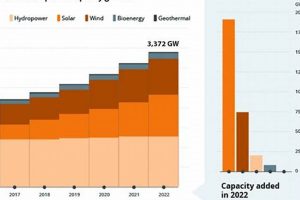
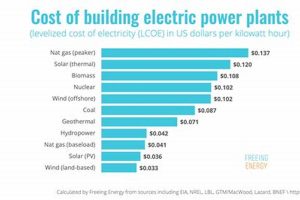
Declining costs of renewable energy technologies have significantly enhanced their economic attractiveness. Technological advancements, economies of scale in manufacturing, and supportive government policies have driven down the cost of solar panels, wind turbines, and other renewable energy systems, making them increasingly competitive with fossil fuels. In many regions, renewable energy is now the most cost-effective option for new electricity generation, driving substantial investment in the sector and accelerating the displacement of fossil fuel-based power plants. Furthermore, the absence of fuel costs associated with renewable energy sources provides a significant long-term economic advantage, insulating consumers and businesses from volatile fossil fuel price fluctuations and enhancing energy price stability.
The economic benefits of core renewable energy extend beyond direct cost comparisons. Investments in renewable energy projects stimulate economic growth, create jobs in manufacturing, installation, maintenance, and research, and revitalize local economies. Furthermore, the distributed nature of many renewable energy technologies, such as rooftop solar installations, empowers individuals and communities to generate their own electricity, reducing reliance on centralized utilities and fostering greater energy independence. The transition to a renewable energy-based economy offers substantial economic opportunities, fostering innovation, creating new industries, and enhancing energy security while mitigating the economic risks associated with dependence on finite fossil fuels.
5. Environmental Impact
A fundamental advantage of core renewable energy lies in its significantly reduced environmental impact compared to conventional fossil fuel-based energy systems. This reduced impact stems from the inherent nature of renewable resources, which replenish naturally and do not produce greenhouse gas emissions during operation. This characteristic addresses critical environmental concerns associated with energy production, including climate change, air pollution, and water contamination. The life-cycle environmental impact of renewable energy technologies, while not negligible, is considerably lower than that of fossil fuel systems, encompassing manufacturing, installation, operation, and decommissioning phases. For example, life-cycle assessments demonstrate that solar and wind power have substantially lower greenhouse gas emissions per unit of electricity generated than coal or natural gas power plants. This reduction in emissions is crucial for mitigating climate change and preserving ecological balance.
Transitioning to core renewable energy sources offers numerous environmental benefits beyond mitigating climate change. Reduced air pollution from the absence of combustion emissions leads to improved air quality and public health outcomes, particularly in urban areas. Renewable energy systems generally require less water than conventional power plants, reducing stress on water resources in water-scarce regions. Furthermore, renewable energy projects can be designed to minimize land use impacts and protect biodiversity. For instance, properly sited solar farms can coexist with agricultural activities or support pollinator habitats. Offshore wind farms can contribute to artificial reef ecosystems. Careful planning and implementation are essential to minimize potential environmental impacts and maximize the ecological benefits of renewable energy projects. Understanding these potential impacts informs responsible development and promotes sustainable practices.
Addressing the environmental impacts associated with the manufacturing and disposal of renewable energy technologies is essential for achieving true sustainability. Recycling programs for solar panels and wind turbine blades are crucial for minimizing waste and recovering valuable materials. Research and development efforts are focused on developing more environmentally friendly materials and manufacturing processes for renewable energy components. Furthermore, promoting circular economy principles within the renewable energy sector, emphasizing reuse and recycling, will further reduce environmental impacts throughout the entire life cycle of these technologies. A comprehensive approach, encompassing responsible sourcing of materials, efficient manufacturing processes, and robust end-of-life management, is vital for maximizing the environmental advantages of core renewable energy and achieving a truly sustainable energy future.
6. Energy Security

Energy security is intrinsically linked to the development and deployment of core renewable energy sources. It represents a nation’s or region’s ability to access reliable and affordable energy resources while mitigating risks associated with supply disruptions, price volatility, and geopolitical instability. Core renewable energy technologies, by their very nature, enhance energy security by diversifying energy sources, reducing reliance on imported fuels, and decentralizing energy production. This diversification buffers against supply chain vulnerabilities and geopolitical tensions that can impact the availability and affordability of traditional fossil fuels. For example, nations heavily reliant on imported oil are vulnerable to price shocks and supply disruptions stemming from international conflicts or political instability. Diversifying their energy mix with domestically sourced renewable energy enhances their energy independence and resilience.
Furthermore, distributed generation, a characteristic of many renewable energy technologies, strengthens energy security by decentralizing energy production. Rooftop solar panels, community wind farms, and other distributed generation resources reduce dependence on centralized power plants and large-scale transmission infrastructure, which are vulnerable to natural disasters, cyberattacks, and other disruptions. This distributed energy architecture enhances the resilience of the overall energy system by creating multiple, independent points of generation. For instance, in the aftermath of a natural disaster, localized renewable energy systems can continue to provide power to critical infrastructure and communities, even if the main grid is damaged. This localized resilience is a key aspect of energy security in a world increasingly susceptible to extreme weather events and other unforeseen disruptions.
Transitioning to core renewable energy sources is a strategic imperative for enhancing long-term energy security. While challenges remain in terms of intermittency, grid integration, and initial investment costs, the long-term benefits of reduced reliance on volatile global energy markets, enhanced energy independence, and increased resilience to disruptions significantly outweigh these challenges. Investing in renewable energy infrastructure, coupled with supportive policies and innovative grid management strategies, is essential for building a secure and sustainable energy future. This transition not only strengthens national energy security but also contributes to global stability by mitigating the risks associated with resource scarcity and geopolitical competition for finite fossil fuels. The pursuit of energy security through core renewable energy development represents a fundamental shift towards a more sustainable, resilient, and equitable energy landscape.
Frequently Asked Questions about Fundamental Renewable Energy
This section addresses common inquiries regarding fundamental renewable energy sources, aiming to provide clear and concise information.
Question 1: What distinguishes core renewable energy sources from other energy sources?
Core renewable energy sources derive from naturally replenishing resources like sunlight, wind, and water, unlike finite fossil fuels (coal, oil, and natural gas) or nuclear power. This inherent renewability ensures a sustainable energy supply without depleting finite resources.
Question 2: How do these fundamental renewable energy sources contribute to environmental sustainability?
These energy sources produce minimal greenhouse gas emissions during operation, mitigating climate change. They also reduce air and water pollution associated with conventional energy production, contributing to a healthier environment.
Question 3: What are the primary economic benefits of transitioning to core renewable energy?
Transitioning creates new industries and jobs in manufacturing, installation, and maintenance. Reduced reliance on volatile fossil fuel markets enhances energy price stability and national energy independence, leading to long-term economic benefits.
Question 4: How does core renewable energy enhance energy security?
Diversifying energy sources and decentralizing energy production through distributed generation, such as rooftop solar, reduces dependence on imported fuels and enhances resilience against supply disruptions.
Question 5: What are the main challenges associated with integrating these renewable energy sources into existing energy infrastructure?
Intermittency of resources like solar and wind necessitates energy storage solutions and smart grid technologies. Initial investment costs, although decreasing, can still be a barrier to widespread adoption.
Question 6: What role does technological innovation play in the future of core renewable energy?
Continuous innovation is crucial for improving efficiency, reducing costs, and enhancing the reliability of renewable energy technologies. Advancements in energy storage and smart grid technologies are essential for seamless integration into the existing energy infrastructure.
Understanding these key aspects is crucial for making informed decisions about the role of fundamental renewable energy in a sustainable energy future.
The following section will explore specific examples of successful renewable energy integration projects worldwide.
Core Renewable Energy
This exploration of core renewable energy has highlighted its multifaceted nature, encompassing environmental, economic, and societal dimensions. From the decreasing cost of solar and wind power to the enhanced energy security offered by distributed generation, the advantages of transitioning to these fundamental resources are increasingly evident. The examination of resource availability, technological advancements, and the critical role of policy and public awareness underscores the complexity and interconnectedness of this transition. Addressing challenges such as intermittency and grid integration remains crucial for realizing the full potential of these sustainable energy sources.
The future of energy hinges on the continued development and deployment of core renewable energy technologies. Strategic investments, ongoing research and innovation, and collaborative international efforts are essential to accelerate this transition. Embracing these fundamental resources is not merely a technological endeavor; it represents a societal imperative, a commitment to a sustainable future powered by clean, reliable, and accessible energy for all. The choices made today will determine the energy landscape of tomorrow and the well-being of generations to come.