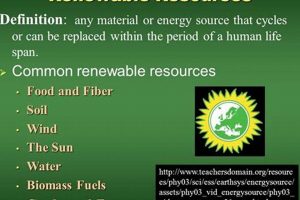
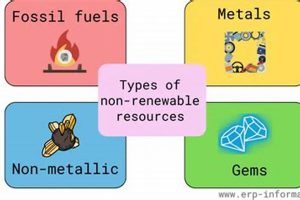
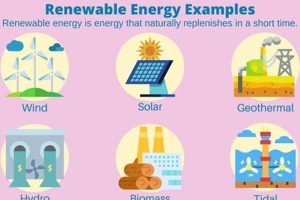
Employing naturally replenishing energy sources provides advantages related to environmental protection, economic growth, and long-term energy security. Shifting from fossil fuels to options like solar, wind, hydro, and geothermal power reduces reliance on finite resources and mitigates harmful emissions associated with traditional energy generation. These alternative methods harness power from sources that are continually renewed by natural processes.
Transitioning to sustainable energy systems offers considerable financial and societal rewards. Renewable energy projects can stimulate economic development through job creation in manufacturing, installation, and maintenance sectors. Moreover, decentralized energy production through renewable sources enhances energy independence and reduces vulnerability to price fluctuations in global fossil fuel markets. The widespread adoption of such systems strengthens infrastructure resilience and promotes a cleaner, healthier environment for future generations.
The subsequent sections will examine the environmental merits, economic opportunities, and long-term sustainability aspects that are realized through the widespread utilization of energy generated from perpetually available sources. Specific instances will be provided to illustrate the tangible impacts and underscore the necessity of embracing these technologies for a sustainable future.
Guidance on Leveraging Sustainable Energy
The following guidance offers insights into maximizing the positive outcomes associated with sustainable energy integration across various sectors and scales.
Tip 1: Conduct Comprehensive Resource Assessments: Before implementing renewable energy systems, meticulously evaluate local resources, such as solar irradiance, wind speeds, or geothermal potential. Accurate assessments ensure optimal system design and efficiency.
Tip 2: Prioritize Grid Modernization: Upgrading existing grid infrastructure to accommodate intermittent renewable energy sources is crucial. Smart grids with advanced monitoring and control systems enhance stability and reliability.
Tip 3: Implement Supportive Policy Frameworks: Governments should establish clear and consistent policies that incentivize renewable energy adoption. Feed-in tariffs, tax credits, and renewable portfolio standards foster investor confidence and accelerate deployment.
Tip 4: Foster Public-Private Partnerships: Collaborative projects between public and private entities can leverage expertise and resources to overcome financial and technical barriers. Joint ventures can drive innovation and expand access to sustainable energy.
Tip 5: Invest in Energy Storage Solutions: Addressing the variability of renewable energy sources requires investment in energy storage technologies. Batteries, pumped hydro, and thermal storage systems provide dispatchable power and enhance grid stability.
Tip 6: Promote Energy Efficiency Measures: Combining renewable energy generation with energy efficiency initiatives maximizes the overall impact. Reducing energy consumption minimizes the demand placed on renewable sources, improving system performance and cost-effectiveness.
Tip 7: Educate and Engage Communities: Raising public awareness about the advantages of renewable energy and engaging communities in the planning process is essential for successful implementation. Community support can overcome potential opposition and facilitate widespread adoption.
Implementing these guidelines can significantly enhance the efficacy and impact of transitioning to renewable energy systems, paving the way for a more sustainable and secure energy future.
The subsequent section will synthesize the findings presented and underscore the imperative of embracing a diversified and sustainable energy portfolio.
1. Environmental Preservation

Environmental preservation is fundamentally intertwined with the advantages derived from utilizing naturally replenishing energy sources. Employing renewable energy is not merely a technological shift but a concerted effort to safeguard the planet’s ecosystems and resources for future generations. The degree to which these resources are protected is inextricably linked to the societal benefits that are derived.
- Mitigation of Air and Water Pollution
Renewable energy technologies, such as solar photovoltaic and wind power, generate electricity without emitting harmful pollutants into the atmosphere or contaminating water sources. This contrasts sharply with fossil fuel combustion, which releases particulate matter, sulfur dioxide, nitrogen oxides, and mercury, contributing to respiratory illnesses, acid rain, and water contamination. Reduction in pollution preserves both human and ecological health.
- Reduction of Greenhouse Gas Emissions
A primary driver of environmental preservation through renewable energy is the significant reduction in greenhouse gas emissions. Fossil fuel-based power plants are major contributors to carbon dioxide, methane, and nitrous oxide emissions, which drive climate change. Renewable energy sources, such as solar, wind, and hydro, have near-zero carbon emissions during operation, helping to mitigate global warming and its associated impacts, including sea-level rise, extreme weather events, and ecosystem disruptions.
- Conservation of Natural Resources
Renewable energy utilization conserves finite natural resources. Fossil fuels like coal, oil, and natural gas are exhaustible resources that require extensive extraction and transportation processes, leading to habitat destruction and environmental degradation. Renewable energy sources, on the other hand, harness energy from perpetually available resources like sunlight, wind, and water, reducing the reliance on and depletion of Earth’s limited reserves.
- Preservation of Biodiversity and Ecosystems
The transition to renewable energy minimizes habitat destruction and fragmentation associated with fossil fuel extraction and transportation infrastructure. Large-scale solar and wind farms, if not carefully sited, can still impact local ecosystems, but their overall environmental footprint is typically smaller than that of coal mines, oil wells, and pipelines. Furthermore, reducing air and water pollution helps protect biodiversity and maintain the health of ecosystems, supporting the vital services they provide, such as clean air, clean water, and pollination.
Environmental preservation achieved through renewable energy adoption extends beyond immediate ecological benefits. The reduction in pollution-related health problems alleviates burdens on healthcare systems. Preservation of natural landscapes supports tourism and recreation industries. These interconnected benefits collectively reinforce the economic and social advantages of prioritizing renewable energy resources in the global energy transition.
2. Reduced emissions

Reduced emissions represent a primary advantage associated with harnessing energy from perpetually replenished sources. Mitigation of harmful pollutants and greenhouse gases significantly contributes to environmental and public health improvements, underlining the importance of renewable energy adoption.
- Decreased Air Pollution
Renewable energy technologies, unlike fossil fuel combustion, produce minimal air pollutants. This translates to lower concentrations of particulate matter, sulfur dioxide, and nitrogen oxides in the atmosphere. Improved air quality leads to a reduction in respiratory illnesses, cardiovascular diseases, and other health problems associated with air pollution exposure. For instance, replacing coal-fired power plants with solar or wind farms demonstrably reduces local air pollution levels.
- Mitigation of Greenhouse Gas Emissions
The transition to renewable energy is crucial for reducing greenhouse gas emissions, the primary driver of climate change. Renewable energy sources, such as solar, wind, hydro, and geothermal, generate electricity with little to no carbon dioxide emissions during operation. This contrasts sharply with fossil fuels, which release substantial amounts of carbon dioxide and other greenhouse gases when burned. Reduced emissions contribute to slowing global warming, mitigating sea-level rise, and diminishing the frequency and intensity of extreme weather events.
- Reduced Acid Rain
Sulfur dioxide and nitrogen oxides, released during the burning of fossil fuels, contribute to acid rain. Acid rain damages ecosystems, acidifies lakes and streams, and corrodes buildings and infrastructure. Renewable energy technologies do not produce these pollutants, helping to reduce the incidence of acid rain and protect sensitive ecosystems. For example, areas that have transitioned away from coal power have witnessed a measurable decrease in acid deposition.
- Lowered Mercury Emissions
Coal-fired power plants are a significant source of mercury emissions, a neurotoxin that can accumulate in the food chain and pose health risks to humans and wildlife. Renewable energy sources do not emit mercury, reducing the exposure of vulnerable populations to this hazardous substance. The decline in mercury emissions through renewable energy adoption helps protect aquatic ecosystems and human health.
These considerations illustrate the profound connection between reduced emissions and the overall advantages of renewable energy resources. The resultant improvements in air and water quality, coupled with the mitigation of climate change impacts, highlight the imperative of transitioning towards cleaner and more sustainable energy systems. The cumulative effect of these environmental benefits solidifies the position of renewable energy as a cornerstone of a healthier and more resilient future.
3. Job Creation

The development and deployment of renewable energy technologies generate significant employment opportunities across various sectors. This facet represents a tangible economic advantage associated with transitioning to sustainable energy systems, contributing to regional and national prosperity.
- Manufacturing and Production
Renewable energy projects require the manufacturing of components such as solar panels, wind turbines, and geothermal equipment. These activities generate jobs in factories, supply chains, and related industries. For example, the establishment of solar panel manufacturing plants in regions previously reliant on traditional manufacturing has revitalized local economies. The expansion of wind turbine production facilities has also created numerous skilled labor positions.
- Installation and Construction
The installation of renewable energy systems necessitates a skilled workforce for tasks such as site preparation, equipment assembly, electrical wiring, and grid connection. These activities generate construction jobs, particularly in rural areas where renewable energy resources are often located. For instance, the construction of large-scale solar farms and wind energy projects creates temporary but significant employment opportunities for construction workers, electricians, and engineers. Subsequently, ongoing maintenance and repairs create long-term positions.
- Research and Development
Continued innovation in renewable energy technologies requires investment in research and development. This sector generates employment for scientists, engineers, and technicians who are developing more efficient and cost-effective renewable energy systems. For example, research institutions and universities focused on renewable energy innovations are creating new knowledge-based jobs, attracting skilled professionals and fostering technological advancements.
- Operation and Maintenance
Renewable energy facilities require ongoing operation and maintenance to ensure optimal performance. This includes tasks such as monitoring equipment, performing repairs, and managing grid integration. These activities generate long-term employment for technicians, engineers, and maintenance personnel. The operation and maintenance of wind farms, solar plants, and geothermal facilities represent stable and sustainable employment opportunities in the renewable energy sector.
These diverse job creation avenues illustrate the broad economic impact of renewable energy development. The shift towards sustainable energy sources not only benefits the environment but also stimulates economic growth and provides employment opportunities in a range of skill levels, bolstering local economies and promoting long-term economic resilience. The growth in these sectors contributes to a more diversified and robust economy, less susceptible to the fluctuations of traditional energy markets.
4. Energy independence

Energy independence, defined as a nation’s ability to meet its energy needs from domestic sources, is significantly enhanced through the strategic utilization of renewable energy resources. This autonomy diminishes reliance on external suppliers, mitigating vulnerabilities associated with geopolitical instability and fluctuating global energy markets.
- Diversification of Energy Sources
Renewable energy sources inherently contribute to energy diversification by expanding the range of available energy options. Countries can leverage geographically specific renewable resources, such as solar irradiance, wind patterns, and geothermal activity, to generate electricity domestically. Germany’s extensive investment in solar and wind power, for instance, has reduced its dependence on imported fossil fuels. This diversification strategy enhances energy security by mitigating the risks associated with relying on a limited number of energy suppliers.
- Reduced Exposure to Price Volatility
Fossil fuel prices are subject to significant fluctuations influenced by geopolitical events, supply disruptions, and global demand. Renewable energy sources, in contrast, offer greater price stability due to their reliance on domestically available resources and lower operating costs. Long-term contracts for renewable energy projects can provide predictable energy prices, shielding consumers and industries from the volatility of international energy markets. Denmark’s investments in wind power have provided a buffer against fluctuating natural gas prices, benefiting its economy.
- Enhanced Energy Security
Energy independence strengthens national security by reducing vulnerability to external threats and disruptions. A reliance on imported energy sources can make a nation susceptible to supply cutoffs, infrastructure attacks, and political pressure. Domestic renewable energy production enhances energy security by providing a secure and reliable energy supply that is less vulnerable to geopolitical instability. The United States’ strategic investments in renewable energy are aimed at bolstering energy security by reducing its dependence on foreign oil.
- Economic Development and Job Creation
The development and deployment of renewable energy technologies stimulate economic growth and create jobs within the domestic economy. Renewable energy projects require investments in manufacturing, construction, installation, and maintenance, generating employment opportunities in local communities. These activities support economic development by creating new industries and attracting investments, contributing to energy independence through a stronger domestic energy sector. China’s aggressive expansion of its renewable energy industry has not only reduced its reliance on imported fossil fuels but also created a significant number of jobs and spurred economic growth.
In conclusion, the pursuit of energy independence through renewable energy resource utilization offers substantial advantages, including diversified energy sources, reduced price volatility, enhanced energy security, and domestic economic development. These interconnected facets underscore the strategic importance of transitioning to a sustainable energy system that promotes national autonomy and resilience.
5. Resource conservation
Resource conservation is intrinsically linked to the advantages derived from the utilization of energy generated from naturally replenishing sources. Employing renewable energy inherently reduces reliance on finite, non-renewable resources, such as fossil fuels, which are subject to depletion. This decreased dependence directly contributes to the preservation of these resources for future generations and mitigates the environmental impacts associated with their extraction, processing, and combustion. For example, widespread adoption of solar power reduces the demand for coal, thereby conserving coal reserves and minimizing the environmental degradation caused by coal mining operations.
Further illustrating the connection, hydroelectric power, while harnessing water resources, typically involves reservoir construction. Careful planning and operation can balance energy generation with responsible water management, ensuring the long-term availability of this resource. Similarly, geothermal energy taps into the Earths internal heat, a resource considered virtually inexhaustible on human timescales, thereby reducing the pressure on fossil fuel reserves. These examples emphasize that while all energy sources have some impact, renewable options often represent a more sustainable balance, emphasizing long-term resource availability over short-term exploitation of finite reserves. Moreover, responsible decommissioning and recycling of renewable energy infrastructure components, such as wind turbine blades or solar panels, further minimizes resource consumption and waste generation, contributing to a circular economy approach.
In summary, the conservation of finite natural resources is a crucial benefit of transitioning to renewable energy systems. This advantage not only addresses the long-term sustainability of energy supplies but also minimizes the environmental consequences associated with extracting and utilizing non-renewable resources. Recognizing this connection is essential for informed energy policy decisions and for promoting a more environmentally responsible and sustainable energy future. Overcoming the challenges associated with intermittency and initial investment costs is vital to fully realize these conservation benefits on a global scale.
6. Grid resilience

Grid resilience, the capacity of an electrical grid to withstand and recover quickly from disruptions, is enhanced through the integration of renewable energy resources. The decentralized nature of many renewable energy generation facilities, such as solar and wind farms, contributes to a more distributed and robust grid architecture. This contrasts with the centralized model of traditional fossil fuel power plants, where a single point of failure can have widespread consequences. The diversification of energy sources and geographic distribution inherent in renewable energy deployment inherently reduces the system’s vulnerability to localized disruptions, whether from natural disasters, cyberattacks, or equipment failures. For example, microgrids powered by renewable energy sources can isolate themselves from the main grid during outages, ensuring continued power supply to critical facilities such as hospitals and emergency services.
Furthermore, advanced grid management technologies, often deployed in conjunction with renewable energy integration, improve grid monitoring and control capabilities. Smart grids utilize sensors, communication networks, and advanced algorithms to optimize energy flow, detect and isolate faults, and restore service more efficiently. The ability to rapidly reroute power from distributed renewable energy sources around damaged sections of the grid significantly enhances resilience. For example, during extreme weather events, smart grids can prioritize power delivery to essential infrastructure, minimizing the impact of widespread outages. Energy storage solutions, such as batteries and pumped hydro, also play a crucial role in grid resilience by providing backup power and helping to stabilize the grid during periods of high demand or intermittent renewable energy generation.
In conclusion, grid resilience is a critical component of the overall benefit derived from the integration of renewable energy resources. The distributed nature of renewable generation, coupled with advanced grid management technologies and energy storage solutions, creates a more robust and reliable energy system. While challenges related to intermittency and grid integration remain, the contribution of renewable energy to grid resilience is undeniable, offering a pathway toward a more secure and sustainable energy future. The practical significance of this understanding lies in the need for continued investment in renewable energy infrastructure and grid modernization to maximize these benefits and ensure a reliable power supply for all consumers.
7. Price stability
Price stability in the energy sector is a crucial economic benefit frequently associated with the utilization of renewable energy resources. Unlike fossil fuels, which are subject to volatile global market fluctuations and geopolitical influences, renewable energy sources offer a degree of price predictability and long-term cost control.
- Reduced Fuel Price Exposure
Renewable energy technologies, such as solar, wind, and hydropower, have minimal or no fuel costs once operational. This characteristic insulates consumers and industries from the price volatility inherent in fossil fuel markets. Traditional power plants are subject to fluctuating prices for coal, natural gas, and oil, which can significantly impact electricity rates. Renewable energy projects, with their fixed capital costs and low operating expenses, provide a stable and predictable cost structure over their lifespan. Long-term power purchase agreements (PPAs) for renewable energy further enhance price stability by locking in electricity rates for extended periods, shielding consumers from market fluctuations.
- Decreased Reliance on External Markets
Fossil fuel-dependent nations are vulnerable to supply disruptions and price spikes caused by international events and political instability. Renewable energy resources, being domestically available in many regions, reduce reliance on external energy markets. Countries with abundant solar, wind, or geothermal resources can generate electricity locally, minimizing their exposure to global energy price volatility. This increased energy independence translates to greater price stability for consumers and businesses, fostering economic growth and reducing geopolitical risks.
- Long-Term Cost Predictability
The upfront capital costs of renewable energy projects are often offset by long-term operational savings and predictable energy prices. Once renewable energy facilities are built, their operating costs are typically low and stable. This contrasts with fossil fuel plants, which require continuous fuel purchases and are subject to price fluctuations. The long-term cost predictability of renewable energy enables utilities and consumers to plan their budgets more effectively, reducing financial uncertainty and promoting economic stability. For example, solar power purchase agreements often guarantee fixed electricity rates for 20 to 30 years, providing long-term price certainty.
- Mitigation of Carbon Pricing Impacts
As governments implement carbon pricing mechanisms, such as carbon taxes or cap-and-trade systems, the cost of generating electricity from fossil fuels is likely to increase. Renewable energy sources, with their near-zero carbon emissions, are less susceptible to these carbon pricing impacts. Investing in renewable energy now can protect consumers and businesses from future increases in electricity prices due to carbon regulations. Renewable energy provides a hedge against carbon pricing risks, ensuring that electricity remains affordable and accessible as the world transitions to a low-carbon economy.
The facets discussed collectively reinforce the conclusion that integrating renewable energy resources into the energy mix fosters price stability. The reduced reliance on volatile fuel markets, the enhanced domestic energy independence, the predictable long-term costs, and the mitigation of carbon pricing impacts all contribute to greater stability in energy prices. This stability benefits consumers, industries, and the overall economy by reducing financial uncertainty and promoting sustainable economic growth.
Frequently Asked Questions
The following addresses common inquiries regarding the advantages of utilizing renewable energy resources, clarifying misconceptions and providing objective information.
Question 1: How does the adoption of renewable energy sources impact electricity prices in the long term?
While initial investment costs for renewable energy infrastructure can be substantial, the long-term operational costs are typically lower than those associated with fossil fuel-based power plants. Renewable energy sources are not subject to the fluctuating fuel costs inherent in traditional energy generation, resulting in greater price stability over time.
Question 2: What are the primary environmental benefits of transitioning to renewable energy systems?
Renewable energy technologies produce significantly fewer greenhouse gas emissions and air pollutants compared to fossil fuel combustion. This reduces the environmental impact on air and water quality and mitigates the effects of climate change, including extreme weather events and sea-level rise.
Question 3: How does the shift to renewable energy affect energy security for a nation?
By utilizing domestically available renewable resources, nations can decrease their reliance on imported fossil fuels. This increased energy independence enhances national security by reducing vulnerability to international market disruptions and geopolitical tensions.
Question 4: What role do renewable energy technologies play in creating employment opportunities?
The renewable energy sector generates employment across various industries, including manufacturing, installation, maintenance, and research and development. These jobs contribute to economic growth and provide opportunities for skilled labor in sustainable energy technologies.
Question 5: How does the intermittent nature of some renewable energy sources, such as solar and wind, affect grid stability?
While some renewable energy sources are intermittent, advancements in grid management technologies and energy storage solutions mitigate these challenges. Smart grids, energy storage systems, and geographically diverse renewable energy deployments enhance grid stability and ensure a reliable electricity supply.
Question 6: What are the main obstacles hindering the widespread adoption of renewable energy resources?
The primary obstacles include initial investment costs, infrastructure limitations, policy inconsistencies, and public awareness. Overcoming these challenges requires strategic government policies, technological advancements, and increased public education regarding the long-term advantages of renewable energy.
In summation, the advantages of utilizing renewable energy encompass environmental stewardship, economic development, energy security, and long-term price stability. Overcoming existing barriers is essential to fully realize these benefits and promote a sustainable energy future.
The subsequent section will offer a final analysis, underscoring the imperative nature of embracing a diversified and sustainable energy portfolio for a more resilient global future.
Benefits of Using Renewable Energy Resources
This exploration has underscored the multifaceted advantages inherent in harnessing energy from naturally replenishing sources. From mitigating environmental degradation and fostering economic growth to enhancing energy security and stabilizing prices, the benefits are far-reaching. The transition to renewable energy represents a strategic imperative for nations seeking sustainable development and long-term prosperity. The evidence presented highlights the potential of these technologies to reshape the global energy landscape.
The sustained investment and strategic deployment of renewable energy technologies are essential for ensuring a resilient and sustainable future. Addressing the remaining challenges related to intermittency, grid integration, and initial costs is critical for maximizing the societal and environmental benefits. Embracing this transition is not merely an option but a necessity, requiring commitment from governments, industries, and individuals to secure a stable and thriving planet for generations to come.
![Guide to What Energy Resources Are Renewable [+Future] | Renewable Energy Solutions for a Sustainable Future | Clean & Green Power](https://pplrenewableenergy.com/wp-content/uploads/2026/03/th-516-300x200.jpg "Guide to What Energy Resources Are Renewable [+Future] Renewable Energy Solutions for a Sustainable Future | Clean & Green Power")