

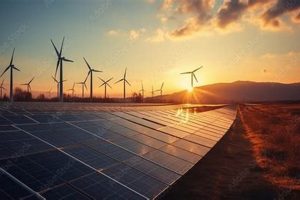

Harnessing power from the sun represents a key component of sustainable power generation. It involves converting sunlight into usable electricity or heat, offering a clean alternative to traditional fossil fuels. Photovoltaic (PV)... Read more »
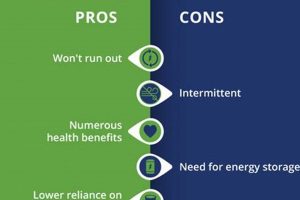
Evaluating energy sources requires careful consideration of their advantages and disadvantages. This balanced perspective is essential for informed decision-making regarding energy production and consumption. For example, one might compare the environmental impact... Read more »

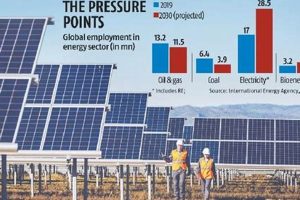
Harnessing sources like solar, hydro, and biomass power is vital for the nation’s sustainable development. For instance, rural electrification projects utilizing photovoltaic systems bring electricity to remote villages, improving living standards and... Read more »

Employment opportunities within Sweden’s sustainable power sector encompass diverse specializations, from research and development to installation and maintenance of infrastructure related to sources like wind, solar, hydro, and bioenergy. For example, engineers... Read more »
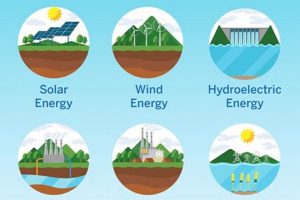
Resources that replenish naturally over a relatively short period, from sunlight and wind to water and geothermal heat, are considered sustainable. For instance, solar energy is constantly replenished by the sun, making... Read more »
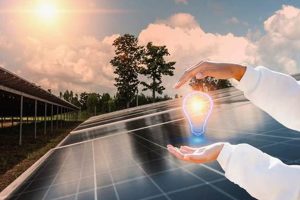
Developing successful strategies for marketing sustainable power solutions involves understanding customer needs, available technologies, and relevant government incentives. For instance, a solar panel installation company might emphasize the long-term cost savings of... Read more »

The transition to sustainable power sources like solar, wind, hydro, and geothermal represents a fundamental shift in energy production and consumption. This shift involves not only adopting new technologies but also adapting... Read more »
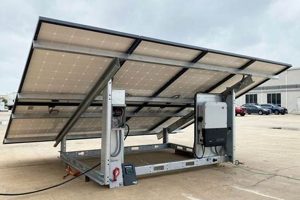
Creating protective housings for renewable energy systems involves designing and constructing structures that shield components like solar panels, wind turbine generators, and hydroelectric equipment from environmental factors. These structures can range from... Read more »
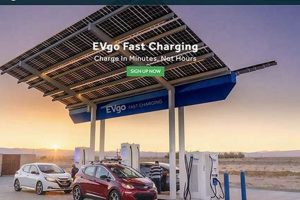
Charging electric vehicles with electricity generated from sources like solar, wind, and hydro is crucial for minimizing the environmental impact of transportation. This approach reduces reliance on fossil fuels, lowering greenhouse gas... Read more »
The integration of sustainable power sources at Illinois State University involves harnessing resources like solar, wind, geothermal, and biomass to decrease the institution’s reliance on fossil fuels and minimize its environmental impact.... Read more »