Objections to transitioning to power generation from sources like solar, wind, hydro, and geothermal energy often cite several key challenges. These concerns typically encompass the intermittent nature of some renewable sources, requiring backup solutions or substantial energy storage capacity. Land use requirements for large-scale solar or wind farms, along with potential environmental impacts on wildlife and ecosystems, are also frequently raised. Economic factors, including initial investment costs, grid integration challenges, and the potential impact on existing energy industries, form another significant area of contention.
Understanding these challenges is critical for informed decision-making regarding energy policy and future infrastructure development. Examining these counterpoints allows for a more balanced assessment of the overall viability and sustainability of different energy pathways. Historically, energy transitions have always faced resistance, often stemming from vested interests, technological limitations, and public perception. Analyzing the arguments against renewable energy allows us to learn from past experiences and develop more effective strategies for navigating the complex transition to a sustainable energy future.
The following sections will delve deeper into specific concerns surrounding renewable energy adoption, exploring the validity of these claims and examining potential solutions and mitigating strategies.
Tips for Evaluating Objections to Renewable Energy
Careful consideration of counterarguments is crucial for a comprehensive understanding of the complexities surrounding renewable energy transitions. The following tips offer guidance for navigating these discussions.
Tip 1: Distinguish Between Intermittency and Reliability: Intermittent resource availability does not inherently equate to an unreliable power supply. Grid management strategies, energy storage technologies, and diversification of renewable sources can mitigate intermittency challenges.
Tip 2: Consider the Full Life Cycle of Energy Sources: Environmental impact assessments should encompass the entire life cycle, from resource extraction and manufacturing to operation and decommissioning, for both renewable and conventional energy sources.
Tip 3: Account for Technological Advancements: The renewable energy sector is constantly evolving. Arguments based on outdated cost or efficiency data may not reflect current realities or future potential.
Tip 4: Evaluate Economic Impacts Holistically: Economic analyses should consider not only the initial investment costs but also long-term operational costs, job creation potential, and the economic benefits of reduced reliance on fossil fuels.
Tip 5: Recognize Regional Differences: The suitability and effectiveness of specific renewable energy technologies vary depending on geographical location, resource availability, and existing infrastructure.
Tip 6: Scrutinize the Source of Information: Consider the potential biases and motivations of different stakeholders when evaluating arguments for or against renewable energy. Prioritize data-driven analysis from reputable sources.
By applying these tips, one can gain a more nuanced perspective on the challenges and opportunities associated with renewable energy development, fostering more productive and informed discussions.
This critical analysis of objections contributes to a more comprehensive understanding of the ongoing energy transition and informs more effective strategies for achieving a sustainable energy future.
1. Intermittency
Intermittency, the fluctuating nature of energy generation from sources like solar and wind, forms a central argument against widespread renewable energy adoption. Because sunlight and wind are not constantly available, the power output from these sources varies, posing challenges for grid stability and requiring strategies to ensure a consistent energy supply. Understanding the facets of this intermittency is crucial for evaluating its impact and potential solutions.
- Predictability and Forecasting:
While solar and wind power are intermittent, their variability is largely predictable. Advanced weather forecasting models allow operators to anticipate lulls and peaks in generation, enabling proactive grid management strategies. However, unforeseen weather events can still create discrepancies between predicted and actual output, necessitating further measures to maintain grid stability.
- Grid Management and Balancing:
Intermittency requires sophisticated grid management strategies to balance supply and demand. This involves integrating diverse generation sources, utilizing flexible power plants, and implementing demand-side management programs. For example, pumped hydro storage can store excess energy generated during peak renewable production and release it during periods of low generation.
- Energy Storage Solutions:
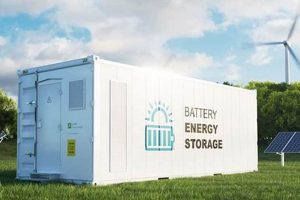
Technological advancements in energy storage are critical for addressing intermittency. Battery storage, pumped hydro, and other storage technologies enable surplus renewable energy to be stored and dispatched when needed, smoothing out fluctuations and enhancing grid reliability. The continued development and deployment of cost-effective storage solutions are essential for maximizing the potential of intermittent renewables.
- Geographic Diversification:
Distributing renewable energy generation across a wider geographic area can mitigate the impact of intermittency. Combining solar and wind resources from different regions, where weather patterns are not correlated, creates a more consistent overall energy output. This reduces reliance on any single source and improves the reliability of the renewable energy supply.
These facets of intermittency highlight the complex challenges and opportunities associated with integrating variable renewable energy sources into existing power grids. While intermittency presents a legitimate concern, advancements in forecasting, grid management, energy storage, and geographic diversification offer pathways to overcome these challenges and pave the way for a more sustainable energy future. The ongoing development and implementation of these solutions are crucial for realizing the full potential of renewable energy and mitigating the impacts of its intermittent nature.
2. Land Use

Land use requirements represent a significant point of contention in discussions surrounding renewable energy development. Large-scale deployment of solar and wind farms necessitates considerable land areas, raising concerns about potential conflicts with other land uses, such as agriculture, residential development, and conservation efforts. Analyzing the land use intensity of various renewable energy technologies and their potential impacts on ecosystems is essential for informed decision-making.
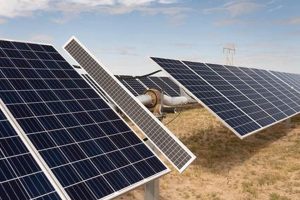
Solar farms, while offering substantial energy generation potential, can occupy vast tracts of land, particularly in utility-scale deployments. This can displace existing land uses and potentially fragment habitats. Similarly, wind farms, while requiring less continuous land coverage, still necessitate substantial areas for turbine placement, access roads, and transmission infrastructure. The visual impact of wind turbines on landscapes also fuels debate, with some arguing they detract from scenic beauty and property values. Furthermore, offshore wind farms, while offering access to stronger and more consistent winds, raise concerns about impacts on marine ecosystems and potential conflicts with fishing and shipping activities. Quantifying the land use intensity of different renewable energy technologies provides crucial data for evaluating their overall environmental footprint and comparing them to conventional energy sources. For instance, comparing the land required to generate a megawatt-hour of electricity from solar versus coal reveals significant differences in land use intensity.
Understanding the land use implications of renewable energy development is crucial for minimizing potential conflicts and maximizing the benefits of this transition. Strategies such as co-locating solar farms with agricultural activities (agrivoltaics) or siting wind farms on brownfield sites can help minimize land use conflicts and maximize resource efficiency. Careful planning and stakeholder engagement are essential for minimizing the environmental and social impacts of renewable energy projects and ensuring their sustainable integration into existing landscapes.
3. Wildlife Impact
Wildlife impact forms a significant environmental argument against certain renewable energy technologies. While renewable energy offers a pathway to reduce greenhouse gas emissions and mitigate climate change, careful consideration of potential impacts on wildlife is essential for responsible development. These impacts vary depending on the specific technology and the local ecosystem.
Wind turbines pose a recognized threat to birds and bats, with collisions causing fatalities. The rotating blades, particularly at higher wind speeds, can strike birds in flight, especially nocturnal migrants and raptors. Bats are also vulnerable, suffering from barotrauma, a pressure-related injury caused by the rapid pressure changes near turbine blades. The placement of wind farms in migratory corridors or areas with high bat activity exacerbates these risks. Mitigation strategies, such as curtailing turbine operation during peak migration periods or implementing bat deterrent systems, can help reduce wildlife fatalities. Similarly, large-scale solar farms can alter habitats and disrupt local ecosystems. Land clearing for solar panel installation can fragment habitats and displace wildlife populations. The reflective surfaces of solar panels can also create microclimates, impacting plant growth and insect populations, which in turn affects the food web. Careful site selection and mitigation measures, such as preserving existing vegetation and creating wildlife corridors, are crucial for minimizing these impacts.
Understanding the potential impacts of renewable energy development on wildlife is crucial for balancing the benefits of clean energy with the need for biodiversity conservation. Thorough environmental impact assessments, coupled with effective mitigation strategies and ongoing monitoring, are essential for ensuring that the transition to renewable energy does not come at the expense of wildlife populations and ecosystem health. This requires a nuanced approach that considers the specific ecological context of each project and prioritizes sustainable development practices.
4. High Initial Costs

The high upfront investment required for renewable energy projects often serves as a significant barrier to adoption and fuels arguments against transitioning away from established fossil fuel-based infrastructure. While long-term operational costs for renewable energy are generally lower, the initial capital expenditure can be substantial, creating financial hurdles for individuals, businesses, and governments. Understanding the components of these costs and exploring potential financing mechanisms is crucial for evaluating the economic viability of renewable energy projects.
- Capital Costs of Technology:
The cost of purchasing and installing renewable energy technologies, such as solar panels, wind turbines, and energy storage systems, represents a significant portion of the initial investment. These costs vary depending on the technology, scale of the project, and location. For instance, utility-scale solar farms require substantial investment in photovoltaic modules, inverters, mounting structures, and grid connection infrastructure. Similarly, offshore wind farms involve high costs for specialized turbines, foundations, and subsea cabling.
- Infrastructure Development:
Beyond the cost of the technology itself, significant investments are often required for supporting infrastructure. This includes grid upgrades and expansion to accommodate the influx of renewable energy, as well as the development of transmission lines to transport electricity from remote generation sites to population centers. These infrastructure costs can be substantial, particularly in areas with limited existing grid capacity.
- Financing and Investment Mechanisms:
Securing financing for large-scale renewable energy projects can be challenging. Traditional financing models may not be well-suited to the unique characteristics of renewable energy projects, which often involve long payback periods and uncertain revenue streams. Innovative financing mechanisms, such as green bonds, tax incentives, and power purchase agreements, are crucial for attracting investment and reducing the financial burden on developers.
- Return on Investment and Cost Comparisons:
Evaluating the economic viability of renewable energy projects requires a comprehensive assessment of both upfront costs and long-term returns. While initial costs can be high, renewable energy sources offer the advantage of low operating costs and fuel-free electricity generation. Over the lifetime of a project, the reduced operational expenses and avoidance of fuel price volatility can offset the initial investment and provide a competitive return on investment compared to fossil fuel-based power plants. Furthermore, factoring in the external costs of fossil fuels, such as air pollution and climate change impacts, strengthens the economic case for renewable energy.
Addressing the high initial costs of renewable energy is essential for accelerating the transition to a sustainable energy future. Innovative financing models, policy incentives, and technological advancements are driving down costs and making renewable energy increasingly competitive with conventional energy sources. As technology continues to advance and economies of scale are realized, the initial cost barrier to renewable energy adoption is expected to diminish further, strengthening the economic and environmental arguments in its favor.
5. Grid Integration

Grid integration represents a significant technical challenge in the transition to renewable energy and frequently features in arguments against its widespread adoption. Integrating intermittent renewable sources, such as solar and wind power, into existing electricity grids requires substantial upgrades and modifications to ensure stability, reliability, and efficient power delivery. The inherent variability of these renewable resources necessitates sophisticated grid management strategies and infrastructure investments to address the unique challenges they pose.
- Intermittency and Grid Stability:
Fluctuations in renewable energy generation, driven by weather patterns, create challenges for maintaining a stable grid frequency and voltage. Traditional power grids rely on consistent baseload power plants to maintain stability. Integrating intermittent renewables requires advanced grid management systems, including real-time monitoring, forecasting, and control mechanisms, to balance supply and demand dynamically. Grid-scale energy storage solutions, such as batteries and pumped hydro, play a crucial role in smoothing out fluctuations and ensuring grid stability.
- Transmission Capacity and Infrastructure:
Many renewable energy resources are located in remote areas, far from population centers where electricity demand is highest. This necessitates significant investments in transmission infrastructure to transport the generated power over long distances. Upgrading existing transmission lines and building new high-voltage direct current (HVDC) lines are essential for integrating large-scale renewable energy projects into the grid. The cost and complexity of these infrastructure upgrades contribute to the economic arguments against renewable energy deployment.
- Grid Modernization and Smart Grid Technologies:
Integrating renewable energy effectively requires modernizing existing grid infrastructure and implementing smart grid technologies. Smart grids utilize digital communication and automation to optimize grid performance, enhance reliability, and facilitate the integration of distributed energy resources, including rooftop solar panels and small-scale wind turbines. Investing in smart grid technologies is crucial for managing the bidirectional flow of electricity, improving grid flexibility, and maximizing the utilization of renewable energy sources.
- Balancing Supply and Demand:
Matching electricity supply with demand in real-time is essential for grid stability. The intermittent nature of renewable energy generation makes this balancing act more complex, requiring sophisticated forecasting tools and demand-side management strategies. Demand-side management programs incentivize consumers to shift their energy usage to times of high renewable energy generation, reducing the need for additional generation capacity and enhancing grid efficiency.
The challenges of grid integration represent a significant hurdle in the transition to a renewable energy-powered future. Addressing these technical and economic challenges requires substantial investment in grid modernization, energy storage, and advanced grid management systems. Overcoming these obstacles is essential for realizing the full potential of renewable energy and achieving a sustainable energy system. While grid integration presents valid concerns, ongoing technological advancements and policy initiatives are paving the way for a more seamless and efficient integration of renewable energy sources into the electricity grid.
6. Material Sourcing
Material sourcing for renewable energy technologies constitutes a complex aspect of the debate surrounding their sustainability and contributes to arguments against their widespread adoption. While renewable energy offers clear benefits in terms of reduced greenhouse gas emissions, the environmental and social impacts of extracting, processing, and transporting the materials required for manufacturing solar panels, wind turbines, and batteries must be carefully considered. A comprehensive evaluation of these impacts is essential for a balanced assessment of the overall sustainability of renewable energy technologies.
- Mineral Extraction and Environmental Impact:
Renewable energy technologies rely on various minerals, including copper, lithium, cobalt, and rare earth elements. Mining these materials can have significant environmental consequences, including habitat destruction, water pollution, and greenhouse gas emissions. For example, lithium extraction, essential for battery production, often involves large-scale brine evaporation ponds, which can impact water resources and ecosystems. Similarly, mining for rare earth elements, crucial for wind turbine magnets, can generate significant amounts of radioactive waste. Evaluating and mitigating these environmental impacts are essential for ensuring the sustainable sourcing of materials for renewable energy.
- Supply Chain Security and Geopolitical Considerations:
The global supply chains for critical minerals used in renewable energy technologies are often concentrated in a few countries, raising concerns about supply chain security and geopolitical vulnerabilities. For instance, a significant portion of the world’s lithium reserves are located in South America, while China dominates the production of rare earth elements. This concentration of supply can create dependencies and potential price volatility, impacting the affordability and accessibility of renewable energy technologies. Diversifying supply chains and promoting responsible sourcing practices are crucial for mitigating these risks.
- Social and Ethical Concerns:
Mining operations can have significant social impacts on local communities, including displacement, health risks, and human rights violations. For example, cobalt mining, essential for batteries, has been linked to child labor and unsafe working conditions in some regions. Ensuring ethical sourcing practices and promoting fair labor standards throughout the supply chain are crucial for addressing these social concerns and promoting responsible renewable energy development.
- Recycling and End-of-Life Management:
The increasing deployment of renewable energy technologies raises questions about the end-of-life management of these materials. Recycling and repurposing components, such as solar panels and wind turbine blades, are essential for minimizing waste and recovering valuable materials. Developing efficient and cost-effective recycling processes is crucial for creating a circular economy for renewable energy technologies and reducing the environmental impact of material disposal.
The environmental and social implications of material sourcing for renewable energy technologies represent a complex and evolving challenge. While these concerns contribute to arguments against renewable energy, they also highlight the importance of developing sustainable sourcing practices, promoting circular economy principles, and investing in research and innovation to minimize the environmental footprint of these technologies. Addressing these challenges is crucial for ensuring that the transition to renewable energy is both environmentally and socially responsible, contributing to a truly sustainable energy future.
Frequently Asked Questions about Objections to Renewable Energy
Addressing common concerns and misconceptions regarding renewable energy adoption is crucial for fostering informed discussions and promoting a balanced understanding of the energy transition. The following FAQs provide concise answers to key questions related to arguments against renewable energy.
Question 1: Does the intermittency of renewable energy sources like solar and wind render them unreliable?
Intermittency poses a manageable challenge, not an insurmountable barrier. Grid management strategies, energy storage technologies, and diversified renewable portfolios mitigate reliability concerns. Predictable weather patterns and advanced forecasting further enhance grid stability.
Question 2: Do renewable energy projects consume excessive land, impacting agriculture and ecosystems?
Land use requirements vary depending on the technology. While large-scale deployments require substantial areas, strategies like agrivoltaics and brownfield development minimize land use conflicts. Furthermore, the land use intensity of renewable energy is often lower than that of fossil fuel extraction and power generation.
Question 3: What are the environmental impacts of renewable energy on wildlife, particularly birds and bats?
Certain renewable technologies, such as wind turbines, pose risks to some wildlife. However, mitigation strategies like careful siting, operational adjustments, and technological advancements minimize these impacts. Furthermore, the overall environmental impact of renewable energy is significantly lower than that of fossil fuels, which contribute to habitat loss through climate change and pollution.
Question 4: Are the high upfront costs of renewable energy technologies a significant impediment to their adoption?
While initial investments can be substantial, declining technology costs, innovative financing mechanisms, and long-term operational savings enhance the economic viability of renewable energy. Additionally, factoring in the external costs of fossil fuels strengthens the economic case for renewable energy.
Question 5: How does the integration of renewable energy sources impact the stability and reliability of existing power grids?
Grid integration presents technical challenges, but advancements in grid management, smart grid technologies, and energy storage address these concerns. Modernizing grid infrastructure is crucial for maximizing the benefits of renewable energy integration.
Question 6: Does the extraction of materials for renewable energy technologies create environmental and social problems?
Material sourcing raises valid environmental and social concerns, including mining impacts and supply chain security. However, responsible sourcing practices, recycling initiatives, and ongoing research aim to minimize these impacts and ensure a sustainable supply chain for renewable energy technologies.
Understanding these nuanced aspects of renewable energy development promotes informed decision-making and facilitates a balanced approach to the energy transition. Objective evaluation of both the benefits and challenges associated with renewable energy is crucial for navigating the complex path towards a sustainable energy future.
For further exploration of specific renewable energy technologies and their associated challenges, refer to the following sections.
Conclusion
Arguments against renewable energy sources often center on intermittency, land use requirements, wildlife impacts, high initial costs, grid integration challenges, and material sourcing concerns. This exploration has highlighted the complexities of these arguments, emphasizing the importance of nuanced evaluation and data-driven analysis. While legitimate challenges exist, technological advancements, policy initiatives, and evolving grid management strategies offer pathways to mitigate these concerns and unlock the full potential of renewable energy.
Transitioning to a sustainable energy future requires careful consideration of both the benefits and the challenges associated with renewable energy adoption. Continued research, innovation, and informed public discourse are essential for navigating this complex transition and achieving a balanced approach that prioritizes both environmental sustainability and societal needs. The future of energy relies on a comprehensive understanding of these multifaceted arguments and a commitment to developing responsible and sustainable energy solutions.