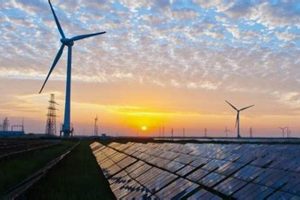
The southern Indian state of Andhra Pradesh is actively developing its diverse portfolio of sustainable power sources, including solar, wind, and biomass energy. For instance, large-scale solar parks are being established across the state, harnessing the abundant sunlight to generate electricity. These initiatives contribute to the region’s energy security while mitigating environmental impact.
This focus on sustainable power generation is vital for several reasons. It reduces reliance on fossil fuels, thereby contributing to a cleaner environment and mitigating climate change. Furthermore, developing these resources creates job opportunities and stimulates economic growth within the state. Historically, Andhra Pradesh has been a pioneer in embracing renewable energy technologies in India, setting a precedent for other states to follow.
This commitment to a sustainable energy future leads to several key areas of exploration, including the specific policies driving this growth, the challenges faced in implementation, and the long-term vision for the state’s energy landscape.
Tips for Supporting Sustainable Power in Andhra Pradesh
Individuals and businesses can contribute to the growth and success of sustainable power initiatives. The following tips offer practical guidance on supporting this important transition:
Tip 1: Explore Rooftop Solar Installations: Rooftop solar panels offer households and businesses a direct way to generate clean electricity, reducing reliance on the grid and lowering electricity bills. Consider factors such as roof orientation and energy consumption when evaluating the feasibility of a rooftop system.
Tip 2: Support Local Renewable Energy Providers: Opting for electricity plans from suppliers prioritizing renewable energy sources can further drive demand and investment in the sector.
Tip 3: Advocate for Policy Enhancements: Stay informed about state-level policies related to sustainable power and advocate for measures that streamline approvals, incentivize adoption, and support grid integration of renewable energy sources.
Tip 4: Invest in Green Bonds and Funds: Explore investment opportunities in green bonds or funds that specifically target renewable energy projects in Andhra Pradesh. This provides financial backing for continued growth in the sector.
Tip 5: Promote Energy Efficiency Practices: Reducing overall energy consumption through efficient appliances, lighting, and building design minimizes the overall demand for electricity, further enhancing the impact of renewable energy sources.
Tip 6: Participate in Community Solar Initiatives: For those without suitable rooftops or individual installation options, community solar projects offer an alternative way to participate in and benefit from locally generated renewable energy.
Tip 7: Educate and Raise Awareness: Sharing information about the benefits of sustainable power with peers, family, and community members can contribute to broader public support and adoption of these technologies.
By adopting these practices, individuals and businesses contribute to a cleaner energy future for Andhra Pradesh while also realizing economic and environmental benefits.
These individual and collective actions are crucial to the long-term success of sustainable power initiatives and pave the way for a more sustainable and prosperous future for the region.
1. Solar Power

Solar power plays a pivotal role in Andhra Pradesh’s renewable energy landscape. The state’s geographical location, with abundant sunshine, provides a natural advantage for harnessing solar energy. This has led to significant investments in large-scale solar parks, such as the Kurnool Ultra Mega Solar Park, one of the world’s largest. These projects contribute significantly to the state’s energy generation capacity, reducing reliance on conventional power sources and lowering carbon emissions. The growth of solar power also fosters economic development through job creation and related industries.
The impact of solar power extends beyond large-scale projects. Rooftop solar installations are becoming increasingly popular among residential and commercial consumers. Government initiatives and incentives further encourage this adoption, contributing to distributed generation and empowering individuals and businesses to participate in the transition to clean energy. This decentralized approach enhances energy security and resilience at the local level.
Despite the significant progress, challenges remain. Land acquisition for large-scale projects requires careful planning and consideration of environmental and social impacts. Grid integration and management of intermittent solar power generation require ongoing technological advancements and strategic investments in transmission infrastructure. Addressing these challenges is crucial for maximizing the long-term benefits of solar power in Andhra Pradesh and ensuring its sustainable contribution to the state’s energy future.
2. Wind Energy

Andhra Pradesh’s extensive coastline and favorable wind patterns present significant potential for wind energy generation. This natural advantage has positioned wind power as a key component of the state’s renewable energy strategy. The development of wind farms, particularly along the coast, contributes substantially to the state’s energy capacity. Projects like the Ramagiri wind farm exemplify the scale and impact of wind energy development in the region, supplying clean electricity to the grid and reducing reliance on fossil fuels. This commitment to wind energy aligns with national goals for sustainable development and reduces carbon emissions, contributing to a cleaner environment.
The growth of wind energy in Andhra Pradesh offers several economic benefits. It stimulates local economies through job creation in manufacturing, installation, and maintenance of wind turbines. Furthermore, it attracts investments in related infrastructure and technologies. The state’s focus on wind energy also fosters technological innovation and expertise within the renewable energy sector, potentially leading to export opportunities and further economic growth. The decentralized nature of wind farms can also bring power generation closer to consumption centers, reducing transmission losses and enhancing energy security in remote areas.
While wind energy presents a valuable resource, certain challenges need to be addressed. The intermittent nature of wind requires effective grid management strategies and potential integration with energy storage solutions. Environmental considerations, such as the impact on bird and bat populations, necessitate careful planning and siting of wind farms. Overcoming these challenges through technological advancements, robust environmental impact assessments, and effective policy frameworks will be crucial for realizing the full potential of wind energy in Andhra Pradesh and ensuring its sustainable integration into the state’s energy mix.
3. Biomass Utilization

Biomass utilization represents a significant component of Andhra Pradesh’s renewable energy strategy, offering a sustainable solution for managing agricultural waste and generating clean energy. The state’s substantial agricultural sector produces considerable biomass resources, including crop residues, forestry byproducts, and animal manure. Harnessing this biomass for energy generation reduces reliance on fossil fuels, mitigates greenhouse gas emissions, and provides an additional revenue stream for rural communities.
- Power Generation
Biomass can be used to generate electricity through various technologies, including direct combustion, gasification, and anaerobic digestion. These processes convert biomass into heat and electricity, supplying power to local communities and the broader grid. Power plants utilizing agricultural residues contribute to decentralized energy generation, reducing transmission losses and enhancing energy access in rural areas.
- Biogas Production
Anaerobic digestion of organic waste, such as animal manure and crop residues, produces biogas, a mixture of methane and carbon dioxide. Biogas serves as a clean cooking fuel, replacing traditional fuels like firewood and reducing indoor air pollution. It can also be used to generate electricity in small-scale biogas power plants, providing a sustainable energy source for rural households and communities. This process also produces bio-fertilizer, enriching agricultural lands and reducing the need for chemical fertilizers.
- Biofuel Production
Biomass can be converted into biofuels, such as bioethanol and biodiesel, which offer sustainable alternatives to conventional transportation fuels. Bioethanol, produced from sugarcane molasses or other biomass sources, can be blended with gasoline, reducing reliance on imported petroleum. Biodiesel, derived from vegetable oils or animal fats, provides a cleaner-burning alternative to diesel fuel. Promoting biofuel production in Andhra Pradesh can contribute to energy security and reduce dependence on fossil fuels.
- Waste Management and Environmental Benefits
Utilizing agricultural residues for energy generation addresses the challenge of waste management. Instead of burning crop residues, which contributes to air pollution, biomass utilization offers a productive and environmentally friendly alternative. This approach reduces greenhouse gas emissions, improves air quality, and contributes to a healthier environment. Furthermore, the production of bio-fertilizers from biomass digestion enhances soil health and reduces the need for chemical fertilizers, promoting sustainable agricultural practices.
By integrating these various facets of biomass utilization, Andhra Pradesh strengthens its commitment to renewable energy, enhances rural development, and fosters a more sustainable agricultural sector. This multifaceted approach contributes to a circular economy, maximizing resource utilization and minimizing environmental impact. The continued development and implementation of biomass-based energy solutions will be crucial for achieving the state’s renewable energy targets and building a more sustainable energy future.
4. Policy Framework

A robust policy framework is essential for driving the growth and development of renewable energy in Andhra Pradesh. Supportive policies and regulations create an enabling environment for investment, innovation, and deployment of renewable energy technologies. The policy landscape shapes the trajectory of the sector, influencing project development, grid integration, and market growth. Understanding the key components of this framework is crucial for assessing the effectiveness of current policies and identifying areas for improvement.
- Renewable Purchase Obligations (RPOs)
RPOs mandate that electricity distribution companies procure a certain percentage of their electricity from renewable sources. These obligations create a guaranteed demand for renewable energy, incentivizing investment in the sector. Andhra Pradesh’s RPO targets have played a significant role in driving the growth of solar and wind power projects within the state. The effectiveness of RPOs depends on consistent enforcement and progressively increasing targets to align with national renewable energy goals.
- Feed-in Tariffs (FITs)
FITs provide a fixed price for renewable energy fed into the grid, offering price stability and encouraging investment in renewable energy projects. While FITs have been instrumental in the early stages of renewable energy development in Andhra Pradesh, their long-term sustainability depends on factors such as market dynamics and declining technology costs. Transitioning from FITs to competitive bidding mechanisms can ensure cost-effectiveness and market efficiency as the sector matures.
- Net Metering Policies
Net metering allows consumers generating renewable energy, such as rooftop solar installations, to export excess electricity to the grid and receive credits against their electricity bills. This policy empowers consumers to become active participants in the renewable energy transition and reduces reliance on centralized power generation. Streamlining the net metering application process and ensuring transparent billing mechanisms are crucial for wider adoption of rooftop solar systems in Andhra Pradesh.
- Land Acquisition and Environmental Clearances
Large-scale renewable energy projects often require significant land acquisition. Clear and efficient land acquisition policies, coupled with streamlined environmental clearance procedures, are essential for timely project development. Balancing the need for land with environmental protection and community interests is crucial for sustainable development of the renewable energy sector. Transparent and participatory processes can ensure equitable outcomes and minimize potential conflicts.
These policy components, working in concert, shape the overall success of renewable energy development in Andhra Pradesh. Regular policy reviews, stakeholder consultations, and adaptive policy adjustments are essential for maintaining a dynamic and effective framework that promotes sustainable growth, addresses emerging challenges, and maximizes the benefits of renewable energy for the state’s economy and environment.
5. Investment Opportunities

Andhra Pradesh’s burgeoning renewable energy sector presents a range of investment opportunities for both domestic and international investors. The state’s commitment to sustainable power generation, coupled with favorable policy frameworks and abundant renewable resources, creates an attractive investment climate. Capitalizing on these opportunities requires understanding the various investment avenues and the potential for long-term growth within the sector.
- Project Development
Investing in the development of new renewable energy projects, such as solar parks, wind farms, and biomass power plants, offers significant potential returns. Large-scale projects contribute substantially to the state’s energy capacity and provide long-term revenue streams for investors. Due diligence, including site assessments, resource evaluation, and permitting processes, is crucial for successful project development.
- Manufacturing and Supply Chain
The growth of renewable energy creates demand for components such as solar panels, wind turbine blades, and inverters. Investing in the manufacturing and supply chain of these components can contribute to local economic development and provide access to a growing market. Establishing manufacturing facilities within Andhra Pradesh can benefit from government incentives and proximity to renewable energy projects.
- Technology Innovation and Research
The renewable energy sector is constantly evolving, with continuous advancements in technology. Investing in research and development of new technologies, such as energy storage solutions, smart grids, and advanced materials, can lead to breakthroughs that further enhance the efficiency and cost-effectiveness of renewable energy generation. Andhra Pradesh’s focus on innovation creates a fertile ground for such investments.
- Green Bonds and Funds
Green bonds and dedicated renewable energy funds provide investors with an opportunity to support sustainable development while earning competitive returns. These financial instruments channel capital towards renewable energy projects, contributing to the growth of the sector and aligning investments with environmental goals. Investing in green bonds issued by Andhra Pradesh or dedicated renewable energy funds focused on the state can provide exposure to the sector’s growth potential.
These diverse investment avenues highlight the potential of Andhra Pradesh’s renewable energy sector. A supportive policy environment, coupled with abundant renewable resources, creates a favorable climate for long-term investment. Careful evaluation of risks and opportunities, along with strategic partnerships, is essential for maximizing returns and contributing to the sustainable development of the state’s energy future.
6. Grid Integration

Effective grid integration is crucial for harnessing the full potential of renewable energy resources in Andhra Pradesh. The intermittent nature of solar and wind power requires sophisticated grid management strategies to ensure a stable and reliable electricity supply. Successfully integrating these variable renewable sources involves addressing technical challenges, optimizing grid infrastructure, and implementing intelligent control systems. This integration process is fundamental to achieving a sustainable energy future for the state.
- Forecasting and Scheduling
Accurate forecasting of renewable energy generation is essential for effective grid management. Predicting solar and wind power output allows grid operators to anticipate fluctuations and adjust conventional power generation accordingly. Advanced forecasting models, combined with real-time data from weather stations and renewable energy facilities, enhance grid stability and minimize imbalances between supply and demand. Accurate forecasting enables efficient scheduling of power generation resources, optimizing the use of renewable energy while maintaining grid reliability.
- Smart Grid Technologies
Smart grid technologies play a vital role in integrating renewable energy sources. Advanced sensors, communication networks, and data analytics provide real-time visibility into grid operations, enabling dynamic adjustments to accommodate fluctuations in renewable energy generation. Smart grids enhance grid flexibility and resilience, allowing for seamless integration of distributed renewable energy resources. These technologies optimize power flow, minimize transmission losses, and improve grid stability, facilitating the transition to a more sustainable energy system.
- Energy Storage Solutions
Energy storage technologies address the intermittency challenge of renewable energy sources. Storing excess energy generated during periods of high renewable output and releasing it during periods of low generation or peak demand enhances grid stability and reliability. Battery storage systems, pumped hydro storage, and other innovative storage solutions are crucial for maximizing the utilization of renewable energy and ensuring a continuous power supply. Integrating energy storage with smart grid technologies further optimizes grid operations and enhances the value of renewable energy resources.
- Grid Modernization and Expansion
Modernizing and expanding existing grid infrastructure is essential for accommodating the increasing influx of renewable energy. Upgrading transmission lines, substations, and distribution networks enhances the capacity to transmit renewable energy from generation sites to consumption centers. Strategic investments in grid infrastructure are crucial for minimizing congestion, reducing transmission losses, and ensuring efficient delivery of renewable energy to consumers. Grid modernization also facilitates the integration of distributed generation resources, such as rooftop solar installations, further enhancing grid resilience and flexibility.
These interconnected aspects of grid integration are critical for maximizing the benefits of renewable energy in Andhra Pradesh. Successfully integrating solar and wind power into the grid ensures a reliable and sustainable electricity supply, contributing to the state’s economic growth and environmental objectives. Continued investments in grid infrastructure, smart grid technologies, and energy storage solutions are essential for realizing the full potential of renewable energy and achieving a cleaner, more resilient energy future for Andhra Pradesh.
Frequently Asked Questions
This section addresses common inquiries regarding renewable energy initiatives in Andhra Pradesh, providing concise and informative responses.
Question 1: What is the current contribution of renewable energy to Andhra Pradesh’s total energy mix?
Renewable energy sources, primarily solar and wind, constitute a substantial and growing portion of the state’s energy generation capacity, significantly reducing reliance on conventional power plants. Precise figures fluctuate with project commissioning and seasonal variations.
Question 2: How does the state government promote rooftop solar installations for residential consumers?
Various incentive programs, including net metering policies and subsidies, are implemented to encourage rooftop solar adoption, empowering residents to generate clean electricity and reduce their energy bills.
Question 3: What are the key challenges faced by the wind energy sector in Andhra Pradesh?
Intermittency of wind resources, land acquisition for wind farm development, and grid integration challenges are among the key factors requiring ongoing attention and innovative solutions.
Question 4: How does biomass utilization contribute to rural development in the state?
Biomass energy projects create employment opportunities in rural areas, provide additional income streams for farmers through the sale of agricultural residues, and offer cleaner cooking fuel alternatives, improving air quality and public health.
Question 5: What are the long-term objectives of Andhra Pradesh’s renewable energy policy framework?
Policy objectives focus on achieving a high percentage of renewable energy in the state’s energy mix, reducing carbon emissions, enhancing energy security, and stimulating economic growth within the renewable energy sector.
Question 6: How can individuals and businesses contribute to supporting renewable energy initiatives in Andhra Pradesh?
Individuals and businesses can participate by exploring rooftop solar installations, supporting local renewable energy providers, advocating for policy enhancements, investing in green energy projects, and promoting energy efficiency practices. These collective efforts are essential for achieving a sustainable energy future.
Understanding these key aspects of Andhra Pradesh’s renewable energy landscape is crucial for fostering informed discussions and promoting wider participation in the transition to a sustainable energy future.
For further information and detailed resources, explore the subsequent sections providing comprehensive insights into specific renewable energy technologies, policy initiatives, and investment opportunities in Andhra Pradesh.
Andhra Pradesh Renewable Energy
This exploration has highlighted the multifaceted nature of Andhra Pradesh’s commitment to renewable energy development. From harnessing abundant solar and wind resources to utilizing biomass and implementing supportive policies, the state is actively pursuing a sustainable energy future. Key initiatives, including large-scale solar parks, wind farms, and biomass power plants, contribute significantly to the state’s energy capacity while reducing reliance on conventional sources. The policy framework, encompassing Renewable Purchase Obligations, Feed-in Tariffs, and net metering, further incentivizes renewable energy adoption and investment. Grid integration efforts, focusing on forecasting, smart grid technologies, and energy storage solutions, address the intermittency challenges associated with renewable sources. Investment opportunities across project development, manufacturing, technology innovation, and green financing contribute to economic growth and technological advancement within the sector.
The continued pursuit of renewable energy development holds immense promise for Andhra Pradesh. By leveraging its natural resources, fostering innovation, and implementing effective policies, the state can achieve a cleaner, more secure, and sustainable energy future. This transition not only mitigates environmental impact but also drives economic growth, creates employment opportunities, and enhances energy access for all. The collective efforts of government, industry, and individuals are crucial for realizing the full potential of renewable energy and ensuring a prosperous and sustainable future for generations to come.