Cutting-edge technologies harnessing sustainable resources like solar, wind, geothermal, and hydropower represent a significant evolution beyond traditional methods. For example, integrating smart grids with predictive analytics optimizes energy distribution from intermittent sources like solar and wind, while advancements in geothermal technology allow tapping into deeper, hotter resources. These innovations offer enhanced efficiency and reliability compared to earlier approaches.
The shift towards these cleaner energy sources presents a vital opportunity to mitigate climate change by reducing greenhouse gas emissions. Furthermore, they offer a pathway towards greater energy independence and security, diversifying supply and lessening reliance on finite fossil fuels. Historically, renewable energy technologies have faced limitations related to cost and intermittency. However, ongoing research and development continue to overcome these challenges, paving the way for wider adoption and integration.
This discussion will further explore key areas within this field, including specific technologies, their applications, ongoing research initiatives, and policy implications. The following sections will delve into the latest developments in solar photovoltaic systems, offshore wind farms, enhanced geothermal systems, and advanced hydropower solutions.
Tips for Implementing Sustainable Energy Solutions
Transitioning towards cleaner energy sources requires careful planning and consideration. The following tips offer guidance for implementing sustainable energy solutions effectively.
Tip 1: Conduct a Thorough Energy Audit: A comprehensive assessment of current energy consumption identifies areas for improvement and informs decisions regarding appropriate technologies.
Tip 2: Prioritize Energy Efficiency: Implementing energy-saving measures, such as insulation upgrades and efficient lighting, reduces overall energy demand and maximizes the impact of renewable energy installations.
Tip 3: Explore Hybrid Systems: Combining different renewable energy technologies, such as solar and wind, can provide a more reliable and consistent power supply.
Tip 4: Consider Storage Solutions: Integrating energy storage systems, like batteries or pumped hydro, addresses the intermittency of renewable sources and ensures a stable power supply.
Tip 5: Leverage Smart Grid Technologies: Utilizing smart grids optimizes energy distribution, manages demand, and enhances the integration of renewable energy sources.
Tip 6: Evaluate Site-Specific Factors: Resource availability, geographical constraints, and environmental considerations influence technology selection and system design.
Tip 7: Explore Policy Incentives and Financing Options: Government incentives, tax credits, and financing programs can significantly reduce the upfront costs of renewable energy projects.
By incorporating these strategies, stakeholders can effectively transition toward more sustainable energy practices, reducing environmental impact and fostering greater energy independence.
These practical steps offer a pathway to a cleaner, more secure energy future. The concluding section will reiterate the importance of embracing sustainable energy solutions and highlight future directions for research and development.
1. Technological Advancements

Technological advancements are the cornerstone of progress in advanced renewable energy systems, driving efficiency improvements, cost reductions, and expanded applicability. These innovations unlock the full potential of renewable resources and pave the way for a sustainable energy future.
- Improved Photovoltaic Efficiency:
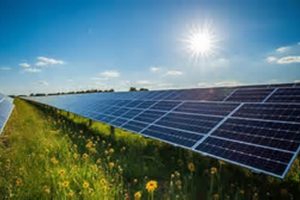
Advancements in materials science and manufacturing processes have led to significant increases in the efficiency of photovoltaic cells, enabling them to convert a larger portion of sunlight into electricity. Perovskite solar cells, for instance, offer the potential for even higher efficiencies and lower manufacturing costs compared to traditional silicon-based cells. This translates to greater energy output from smaller installations, reducing land use requirements and enhancing cost-effectiveness.
- Enhanced Turbine Design:
Larger rotor diameters, advanced blade designs, and improved generator technology contribute to increased energy capture in wind turbines. Floating offshore wind platforms, for example, allow access to stronger and more consistent winds in deeper waters, further boosting energy yield. These advancements optimize wind energy harvesting, expanding the potential of offshore wind resources.
- Next-Generation Geothermal Systems:
Enhanced Geothermal Systems (EGS) access heat resources in dry, hot rock formations, significantly expanding the geographical reach of geothermal energy. Closed-loop systems minimize environmental impact by circulating working fluids within a closed circuit. These advancements make geothermal energy a more viable option in areas not traditionally suitable for conventional geothermal power plants.
- Smart Grid Integration:
Smart grids, incorporating advanced sensors, communication networks, and data analytics, optimize energy distribution and management. This technology enables more effective integration of intermittent renewable sources like solar and wind, balancing supply and demand while enhancing grid stability and reliability. These advancements are essential for maximizing the effectiveness and reliability of renewable energy systems within the broader energy infrastructure.
These interconnected technological advancements are not isolated improvements but rather synergistic elements driving the evolution of advanced renewable energy systems. Their continued development is crucial for accelerating the transition towards a sustainable energy landscape and mitigating the impacts of climate change.
2. Grid Integration

Grid integration represents a critical challenge and opportunity for advanced renewable energy systems. Successfully integrating variable renewable energy sources like solar and wind power requires sophisticated management strategies and infrastructure upgrades to ensure grid stability, reliability, and efficiency.
- Forecasting and Balancing:
Accurate forecasting of renewable energy generation is essential for balancing supply and demand. Sophisticated forecasting models, incorporating weather data and historical generation patterns, allow grid operators to anticipate fluctuations in renewable energy output and adjust conventional generation accordingly. This proactive approach minimizes imbalances and maintains grid stability.
- Smart Grid Technologies:
Smart grids, utilizing advanced sensors, communication networks, and data analytics, play a crucial role in optimizing grid integration. Real-time monitoring and control enable dynamic adjustments to energy flow, accommodating the variability of renewable sources and enhancing grid flexibility. For example, demand response programs can incentivize consumers to shift energy usage during peak periods, reducing strain on the grid and facilitating greater renewable energy penetration.
- Energy Storage Solutions:
Energy storage systems, such as batteries, pumped hydro, and thermal storage, provide a buffer against the intermittency of renewable resources. Storing excess energy during periods of high generation and releasing it during periods of low generation or peak demand smooths out fluctuations and ensures a consistent power supply. The integration of large-scale storage solutions is becoming increasingly crucial for managing high penetrations of renewable energy.
- Grid Modernization and Expansion:
Upgrading existing grid infrastructure and expanding transmission capacity are essential for accommodating the influx of renewable energy from geographically dispersed sources. Investing in high-voltage transmission lines and strengthening interconnections between regions enables efficient delivery of renewable energy to areas of high demand. Grid modernization efforts are vital for realizing the full potential of advanced renewable energy systems.
These facets of grid integration are interconnected and essential for the successful transition to a power system dominated by renewable energy. Addressing these challenges through technological innovation and strategic planning will unlock the full potential of advanced renewable energy systems, contributing to a more sustainable, resilient, and secure energy future.
3. Energy Storage

Energy storage is intrinsically linked to the efficacy and reliability of advanced renewable energy systems. The intermittent nature of sources like solar and wind power necessitates robust storage solutions to bridge the gap between generation and demand. Effective energy storage mitigates the inherent variability of these resources, enabling a consistent and predictable energy supply crucial for grid stability and reliability. For instance, pumped hydro storage, a mature technology, utilizes surplus energy to pump water uphill, storing potential energy that can be released later by generating electricity as water flows downhill. Similarly, battery storage systems, rapidly advancing in terms of cost and performance, offer a flexible and scalable solution for storing and dispatching electricity generated from intermittent renewable sources. Without adequate storage capacity, reliance on renewable energy can be constrained, hindering the transition to a sustainable energy future.
The practical significance of energy storage within advanced renewable energy systems is multifaceted. It enhances grid resilience by providing backup power during outages and mitigating the impact of extreme weather events, which can disrupt renewable energy generation. Moreover, it facilitates greater penetration of renewable energy onto the grid by smoothing out fluctuations and ensuring a stable power supply, reducing the need for conventional power plants. For example, in regions with high solar irradiance, battery storage can store excess solar energy generated during the day and release it during the evening peak demand period, reducing reliance on fossil fuel-based generation. Furthermore, advancements in energy storage technologies are driving down costs, making them increasingly economically viable and accelerating their integration into renewable energy systems.
In conclusion, energy storage is not merely a supplementary component but a fundamental enabler of advanced renewable energy systems. Its integration is crucial for overcoming the intermittency challenges associated with renewable resources, ensuring grid stability, and maximizing the benefits of a clean energy transition. Continued innovation in energy storage technologies, coupled with strategic deployment and integration strategies, will be instrumental in achieving a sustainable and reliable energy future. Addressing the technical and economic challenges associated with energy storage remains a key priority for realizing the full potential of advanced renewable energy systems.
4. Cost Reduction

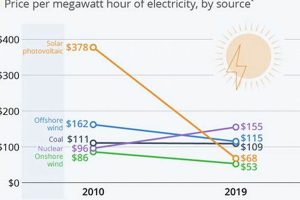
Cost reduction is a critical driver for the widespread adoption and long-term viability of advanced renewable energy systems. Declining costs enhance competitiveness with conventional energy sources, accelerating the transition towards a sustainable energy future. Several factors contribute to this trend, including technological advancements, economies of scale, and supportive policies. For example, advancements in photovoltaic cell manufacturing have significantly reduced the cost of solar panels, making solar energy increasingly affordable for consumers and businesses. Similarly, larger wind turbine designs and improved manufacturing processes have contributed to lower wind energy costs. These cost reductions are essential for making renewable energy a cost-competitive alternative to fossil fuels.
The practical significance of cost reduction extends beyond individual projects. Lower costs stimulate market growth, attracting investment and fostering innovation. As renewable energy technologies become more affordable, their deployment accelerates, leading to further cost reductions through economies of scale and learning-by-doing effects. This virtuous cycle drives a continuous decline in costs, making renewable energy increasingly accessible and attractive. Furthermore, cost reductions can alleviate the financial burden of transitioning to cleaner energy sources, making them more viable for developing countries and communities with limited resources. For instance, off-grid solar solutions, powered by declining solar panel costs, are providing affordable electricity access to remote communities in developing nations.
In conclusion, cost reduction is not merely a desirable outcome but a fundamental requirement for the successful integration of advanced renewable energy systems. Continued cost declines, driven by technological innovation, market growth, and supportive policies, are essential for accelerating the global transition to a sustainable energy future. Addressing the remaining cost barriers, particularly in areas such as energy storage and grid integration, remains a key priority for realizing the full potential of advanced renewable energy systems and mitigating the impacts of climate change.
5. Policy Support

Policy support plays a crucial role in the development and deployment of advanced renewable energy systems. Effective policies create a favorable environment for investment, innovation, and market growth, accelerating the transition towards a sustainable energy future. Supportive policies can take various forms, including financial incentives such as tax credits and subsidies, renewable portfolio standards (RPS) that mandate a certain percentage of electricity generation from renewable sources, feed-in tariffs that guarantee a fixed price for renewable energy fed into the grid, and streamlined permitting processes that reduce administrative barriers to project development. For example, the production tax credit (PTC) and investment tax credit (ITC) in the United States have been instrumental in driving the growth of the wind and solar industries, respectively. Similarly, RPS policies in various states have created a stable demand for renewable energy, encouraging investment in new projects.
The practical significance of policy support extends beyond individual projects. Well-designed policies can stimulate market competition, drive down costs, and foster technological innovation. By creating a level playing field and providing a clear signal to investors, policies can unlock private sector investment and accelerate the deployment of advanced renewable energy technologies. Furthermore, policy support can address market failures, such as the externalities associated with fossil fuel-based generation, by internalizing the costs of pollution and promoting the benefits of clean energy. For instance, carbon pricing mechanisms, such as carbon taxes or cap-and-trade systems, can incentivize the adoption of renewable energy by making fossil fuels more expensive. Policy support is also crucial for fostering international collaboration and knowledge sharing, facilitating the transfer of best practices and accelerating the global transition to a sustainable energy future.
In conclusion, policy support is not merely a desirable complement but a fundamental requirement for the successful integration of advanced renewable energy systems. Effective policies create a stable and predictable market environment, incentivize investment, drive innovation, and address market failures. The long-term success of the clean energy transition hinges on the development and implementation of robust and forward-looking policies that promote the growth and deployment of advanced renewable energy technologies. Addressing the policy challenges, such as ensuring policy consistency and overcoming political resistance, remains a key priority for realizing the full potential of advanced renewable energy systems and mitigating the impacts of climate change.
6. Environmental Impact

Assessing the environmental impact of advanced renewable energy systems is crucial for ensuring their long-term sustainability and maximizing their benefits. While these systems offer significant advantages over conventional fossil fuel-based generation, they are not without environmental consequences. A comprehensive understanding of these impacts is essential for informed decision-making, responsible development, and effective mitigation strategies. This involves considering the full life cycle of renewable energy technologies, from resource extraction and manufacturing to deployment, operation, and decommissioning.
- Land Use and Habitat Alteration:
Renewable energy installations, such as solar and wind farms, can require significant land areas, potentially impacting natural habitats and ecosystems. Large-scale solar farms, for instance, can alter desert ecosystems, while wind farms can affect bird and bat populations. Minimizing land use impacts through careful site selection, habitat restoration efforts, and co-location with other land uses is crucial for mitigating these effects.
- Water Consumption:
Certain renewable energy technologies, such as concentrated solar power (CSP) and some bioenergy systems, require substantial amounts of water for cooling and processing. In water-stressed regions, this can exacerbate water scarcity and compete with other water uses, such as agriculture and municipal supply. Implementing water-efficient technologies, exploring alternative cooling methods, and prioritizing projects in water-rich areas can help minimize water consumption impacts.
- Manufacturing and Material Impacts:
The manufacturing of renewable energy components, such as solar panels and wind turbine blades, requires energy and materials, some of which can have environmental impacts. For example, the production of silicon for solar cells can be energy-intensive and generate waste byproducts. Promoting sustainable manufacturing practices, recycling materials, and developing more environmentally friendly materials are essential for reducing these impacts.
- Waste Management and Decommissioning:
Renewable energy installations have a finite lifespan and require decommissioning at the end of their operational life. This involves dismantling and disposing of components, such as solar panels and wind turbine blades, which can pose waste management challenges. Developing recycling and reuse strategies for these materials is crucial for minimizing waste and recovering valuable resources.
Understanding and addressing these environmental impacts is essential for maximizing the overall benefits of advanced renewable energy systems. Life cycle assessments, environmental impact studies, and ongoing monitoring can inform decision-making and guide the development of mitigation strategies. By carefully considering these environmental considerations, we can ensure that the transition to a renewable energy future is both sustainable and environmentally responsible, minimizing negative impacts while maximizing the positive benefits of clean energy.
7. Social Acceptance

Social acceptance constitutes a critical factor influencing the successful implementation and widespread adoption of advanced renewable energy systems. Public perception, community engagement, and stakeholder involvement significantly impact project development, policy support, and ultimately, the pace of the clean energy transition. Resistance to renewable energy projects can stem from various concerns, including visual impacts, noise pollution, potential effects on property values, and perceived disruptions to traditional landscapes and livelihoods. For example, offshore wind farms have faced opposition from coastal communities concerned about visual impacts on tourism and potential disruptions to fishing activities. Similarly, large-scale solar projects can encounter resistance due to land use conflicts and concerns about habitat alteration. Addressing these concerns through transparent communication, community consultation, and equitable benefit-sharing mechanisms is crucial for building social acceptance and fostering successful project implementation. Conversely, positive public perception and community support can accelerate project development, reduce permitting timelines, and enhance the overall effectiveness of renewable energy policies.
The practical significance of social acceptance extends beyond individual projects. Broad public support for renewable energy policies and technologies is essential for driving sustained investment, innovation, and market growth. Positive public opinion can influence policy decisions, create a favorable regulatory environment, and foster greater acceptance of new projects. For instance, community-owned renewable energy projects, where local residents have a direct stake in the project’s development and benefits, can foster greater social acceptance and enhance local economic development. Furthermore, educational campaigns, public forums, and transparent communication about the benefits of renewable energy, including job creation, reduced air pollution, and enhanced energy independence, can contribute to positive public perception and build broader support for the clean energy transition. Conversely, a lack of social acceptance can lead to project delays, increased costs, and even project cancellations, hindering the progress of renewable energy deployment.
In conclusion, social acceptance is not merely a peripheral concern but an integral component of the successful integration of advanced renewable energy systems. Addressing public concerns, fostering community engagement, and building broader social support are essential for accelerating the clean energy transition and achieving a sustainable energy future. The long-term success of renewable energy hinges on fostering trust, transparency, and mutual benefit among all stakeholders, ensuring that the transition to a cleaner energy future is both environmentally and socially responsible. Overcoming the social and political challenges associated with renewable energy deployment remains a key priority for realizing the full potential of these technologies and mitigating the impacts of climate change.
Frequently Asked Questions
This section addresses common inquiries regarding advanced renewable energy systems, providing concise and informative responses.
Question 1: How do advanced renewable energy systems differ from traditional renewable energy technologies?
Advanced renewable energy systems incorporate cutting-edge technologies and sophisticated integration strategies to enhance efficiency, reliability, and cost-effectiveness compared to earlier generations of renewable energy technologies. This includes advancements in areas such as photovoltaic materials, wind turbine design, energy storage solutions, and smart grid integration.
Question 2: What role does energy storage play in advanced renewable energy systems?
Energy storage is essential for addressing the intermittency of renewable resources like solar and wind power. Advanced storage solutions, such as batteries and pumped hydro, enable a consistent energy supply, enhancing grid stability and facilitating greater penetration of renewable energy.
Question 3: What are the key barriers to widespread adoption of advanced renewable energy systems?
Key barriers include cost competitiveness with conventional energy sources, grid integration challenges, energy storage limitations, policy and regulatory frameworks, public perception, and social acceptance. Overcoming these barriers requires ongoing research, technological advancements, supportive policies, and community engagement.
Question 4: What are the environmental benefits of advanced renewable energy systems?
Advanced renewable energy systems offer significant environmental benefits, including reduced greenhouse gas emissions, decreased air and water pollution, and reduced reliance on finite fossil fuels. These systems contribute to mitigating climate change, improving air quality, and conserving natural resources.
Question 5: How can governments support the development and deployment of advanced renewable energy systems?
Governments can play a crucial role through supportive policies such as financial incentives (e.g., tax credits, subsidies), renewable portfolio standards, feed-in tariffs, streamlined permitting processes, research and development funding, and public awareness campaigns.
Question 6: What is the future outlook for advanced renewable energy systems?
The future outlook is promising, with continued technological advancements, declining costs, and growing policy support driving increased adoption. Advanced renewable energy systems are poised to play a central role in the global transition to a sustainable energy future.
Understanding these key aspects is crucial for informed decision-making and effective implementation of advanced renewable energy solutions.
The subsequent section will delve into specific case studies, showcasing successful implementations of advanced renewable energy projects worldwide and highlighting best practices for effective deployment.
Conclusion
Advanced renewable energy systems represent a pivotal advancement in the global pursuit of sustainable energy solutions. This exploration has highlighted the multifaceted nature of these systems, encompassing technological advancements in areas such as solar photovoltaics, wind energy, geothermal systems, and hydropower. Crucially, the discussion underscored the importance of grid integration, energy storage solutions, and cost reduction strategies for the widespread adoption and efficacy of these technologies. Policy support and social acceptance were also identified as critical factors influencing the successful implementation and long-term viability of advanced renewable energy systems. Furthermore, the environmental impacts of these systems, including land use considerations and manufacturing processes, were examined, emphasizing the importance of responsible development and mitigation strategies. Finally, the exploration addressed common inquiries regarding these technologies, providing clarity and promoting informed decision-making.
The transition to a sustainable energy future hinges on the continued development, deployment, and integration of advanced renewable energy systems. These technologies offer a pathway towards mitigating climate change, enhancing energy security, and fostering economic growth. Addressing the remaining challenges, such as cost competitiveness, grid integration, and social acceptance, requires collaborative efforts from governments, industry, researchers, and communities. Sustained investment in research and development, coupled with supportive policies and public awareness campaigns, will be instrumental in unlocking the full potential of advanced renewable energy systems and securing a cleaner, more resilient energy future for generations to come. The urgency of the climate crisis necessitates a global commitment to accelerating the transition towards sustainable energy solutions, with advanced renewable energy systems playing a central role in this transformative endeavor.