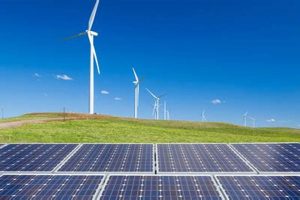
The quest for optimal energy production has led to significant interest in sustainable alternatives to fossil fuels. A central question in this pursuit focuses on identifying the power generation method that yields the highest energy output relative to input and resources utilized. This consideration encompasses not only raw power output but also factors in land use, material requirements, environmental impact, and long-term operational costs. Examples include comparing the electricity generated by a solar panel array of a specific size against the energy required to manufacture, install, and maintain it over its lifespan, or evaluating the energy produced by a wind farm in relation to the resources invested in its construction and operation.
Identifying the most advantageous means of electricity generation has far-reaching implications. A superior solution can contribute significantly to mitigating climate change by reducing reliance on carbon-intensive energy sources. Furthermore, optimizing energy production leads to cost savings, increased energy independence, and the creation of a more sustainable and resilient energy infrastructure. Historically, the pursuit of energy efficiency has driven innovation and technological advancements across various fields.
The following sections will delve into the performance metrics of different sustainable generation technologies, examining factors that influence their overall effectiveness. This analysis will consider aspects such as capacity factors, lifecycle assessments, and environmental considerations to provide a comprehensive understanding of their relative strengths and weaknesses.
Optimizing Renewable Energy Investment
Effective utilization of sustainable power generation demands strategic planning and informed decision-making. Maximizing the return on investment requires careful consideration of various factors impacting efficiency and long-term viability.
Tip 1: Conduct Comprehensive Site Assessments: Prior to deploying any system, a thorough evaluation of the location is essential. This includes analyzing solar irradiance levels for photovoltaic systems, wind speeds for turbines, or geothermal gradients for geothermal plants. Accurate data informs the selection of the most appropriate technology and system design.
Tip 2: Invest in High-Quality Components: The longevity and performance of equipment directly impact the overall efficiency. Selecting reputable manufacturers and rigorously testing components before deployment is crucial to minimize downtime and ensure consistent energy output.
Tip 3: Implement Advanced Monitoring Systems: Real-time monitoring allows for the early detection of performance deviations and facilitates prompt corrective action. Data analytics can identify trends and optimize operational parameters to enhance energy production.
Tip 4: Prioritize Energy Storage Solutions: The intermittent nature of some technologies necessitates energy storage. Integrating batteries or other storage mechanisms can smooth energy supply, improve grid stability, and increase the overall utilization of energy generated.
Tip 5: Optimize Grid Integration: Seamless integration with existing energy grids is essential. This requires careful planning, adherence to grid standards, and investment in compatible infrastructure to avoid bottlenecks and maximize energy delivery.
Tip 6: Pursue Regular Maintenance and Upgrades: Scheduled maintenance prolongs the lifespan of equipment and maintains optimal performance. Periodic upgrades, incorporating the latest technological advancements, can further enhance efficiency and reduce operational costs.
Tip 7: Factor in Lifecycle Costs: A comprehensive financial analysis must consider all costs associated with the entire lifespan of the system, including initial investment, operating expenses, maintenance, and eventual decommissioning. This provides a clear understanding of the true economic viability of the project.
Adhering to these guidelines facilitates the maximization of renewable energy investments, driving down costs, and promoting a more sustainable energy future.
The subsequent discussion will address the long-term prospects and challenges associated with widespread adoption of these technologies.
1. Energy Return on Investment

Energy Return on Investment (EROI) serves as a critical metric in determining the efficacy of various power generation technologies. This ratio quantifies the amount of usable energy acquired from a source relative to the energy expended in its extraction, processing, and delivery. A high EROI indicates a more efficient means of producing energy, suggesting that the process yields a significant net energy gain. Consequently, EROI is intrinsically linked to the evaluation of what constitutes the most effective sustainable energy alternative.
For example, consider the difference between conventional oil extraction and solar photovoltaic (PV) energy. Conventional oil extraction, especially from readily accessible reserves, typically exhibits a high EROI. However, as oil resources become scarcer and more challenging to extract (e.g., deep-sea drilling, tar sands), the EROI diminishes due to the increased energy input required. Conversely, solar PV systems, while requiring energy for manufacturing and installation, subsequently generate electricity with minimal ongoing energy input. The EROI of solar PV varies based on factors like panel efficiency and insolation levels, but generally, it demonstrates a favorable return on investment over its lifespan, particularly in regions with high solar irradiance. Wind energy also typically presents a high EROI, especially in locations with consistent and strong wind resources.
Understanding EROI is crucial for informed energy policy and investment decisions. A technology demonstrating a low EROI may be unsustainable in the long term, regardless of other potential benefits. By prioritizing energy sources with high EROI, societies can maximize the net energy available to fuel economic activity and improve living standards while minimizing reliance on depleting or environmentally damaging sources. The pursuit of enhanced EROI drives innovation in energy technologies, ultimately leading to more sustainable and efficient solutions.
2. Lifecycle Environmental Impact

Lifecycle Environmental Impact represents a critical dimension in determining the overall efficiency of various sustainable power generation methods. This perspective encompasses the totality of environmental burdens associated with an energy source, spanning from raw material extraction to manufacturing, operation, and eventual decommissioning. It is not sufficient to solely consider operational emissions; a comprehensive analysis must account for all stages of the lifecycle to accurately gauge the ecological footprint of a particular energy technology. The method with the least lifecycle burden can be considered more efficient. For instance, while wind turbines produce electricity with minimal direct emissions, the mining of rare earth minerals for turbine magnets and the energy-intensive manufacturing processes involved contribute to the technology’s overall impact. Similarly, solar panel production involves the use of hazardous materials and significant energy consumption, aspects often overlooked when focusing solely on the clean energy generated during operation.
Comparative lifecycle assessments are essential for making informed decisions regarding energy policy and investment. By quantifying the environmental costs associated with each stage of an energy source’s existence, policymakers can prioritize options that minimize resource depletion, pollution, and greenhouse gas emissions. These assessments often reveal trade-offs between different technologies. For example, biomass energy, while potentially carbon-neutral during operation, can have significant upstream impacts related to land use, deforestation, and fertilizer production. Hydroelectric power, while offering a reliable energy source, can alter river ecosystems and displace communities during dam construction. Such complexities underscore the need for thorough, data-driven evaluations to avoid inadvertently shifting environmental burdens from one area to another. Furthermore, technological advancements and improvements in manufacturing processes can significantly reduce the lifecycle impacts of sustainable energy technologies over time. Ongoing research and development efforts aimed at reducing material intensity, improving recycling rates, and minimizing energy consumption during production are essential for optimizing the environmental performance of sustainable energy sources.
Ultimately, integrating the concept of Lifecycle Environmental Impact into the evaluation framework of sustainable energy leads to a more holistic and responsible approach. By considering the full spectrum of environmental consequences, decision-makers can steer investments toward technologies that not only generate clean energy but also minimize their overall ecological footprint. Addressing challenges such as waste management, resource scarcity, and supply chain transparency is crucial for ensuring the long-term sustainability and widespread adoption of renewable energy sources. Therefore, considering lifecycle impacts is not merely an ancillary consideration but a fundamental aspect of determining the true efficiency and viability of any power generation technology.
3. Capacity Factor Consistency

The measure of capacity factor consistency holds significant weight when evaluating a sustainable power generation source. The capacity factor, defined as the actual energy output of a power plant over a period of time divided by its potential output if it operated at full capacity continuously, directly reflects its reliability and ability to meet energy demands. The consistency of this factor over varying time scales (daily, seasonally, annually) is, therefore, a crucial component in determining the overall efficiency and viability of a renewable energy source. A higher, more consistent capacity factor translates to more dependable power generation, reducing the need for backup systems or alternative energy sources. This has a direct bearing on overall costs, resource utilization, and grid stability.
Consider geothermal and solar power as contrasting examples. Geothermal plants, which tap into the Earth’s internal heat, generally exhibit high and consistent capacity factors, often exceeding 90% in suitable locations. This is because the heat source is largely independent of weather conditions or time of day, allowing for near-continuous operation. Conversely, solar power is highly dependent on sunlight availability, resulting in fluctuating capacity factors that vary significantly depending on the time of day, weather patterns, and season. While technological advancements in solar energy storage are mitigating these fluctuations, the inherent intermittency of solar energy limits its capacity factor consistency compared to geothermal or, to some extent, hydroelectric power with large reservoirs. Similarly, wind power’s capacity factor is influenced by wind speed variability, which can be relatively consistent in some regions but highly unpredictable in others.
Ultimately, capacity factor consistency directly impacts the economic competitiveness and grid integration potential of renewable energy sources. A consistent supply of power allows for better resource planning, reduces the need for expensive energy storage solutions, and enhances grid stability, all of which contribute to making a source more efficient from a systemic perspective. While advancements in grid management and energy storage continue to improve the integration of intermittent sources like solar and wind, technologies with inherently high and consistent capacity factors possess a distinct advantage in providing a reliable and cost-effective sustainable energy solution.
4. Resource Availability Globally

The global distribution of renewable energy resources critically influences the assessment of a technology’s overall effectiveness. An energy source, irrespective of its theoretical efficiency or low environmental impact, cannot be considered the most effective if its foundational resources are geographically constrained. Solar irradiance, wind patterns, geothermal gradients, and suitable hydro sites are all unevenly distributed across the planet. This inherently limits the universal applicability of any single technology. For example, concentrated solar power (CSP) plants require high levels of direct sunlight, making them unsuitable for regions with frequent cloud cover. Geothermal energy necessitates access to underground reservoirs of heat, a resource largely confined to volcanically active areas or regions with specific geological characteristics. The availability of these fundamental resources directly impacts both the potential output and the lifecycle costs associated with energy generation.
The practical significance of resource availability is evident in regional energy strategies. Countries with abundant hydropower resources, such as Norway and Canada, rely heavily on hydroelectricity to meet their energy demands. Conversely, nations with limited hydropower potential, but abundant solar resources, are investing heavily in photovoltaic technologies. Germany’s substantial investment in solar power, despite its relatively moderate solar irradiance compared to desert regions, demonstrates the strategic importance of utilizing available resources, even if the overall efficiency is not maximal. Similarly, countries with significant wind resources, such as Denmark and the United States, have developed extensive wind power infrastructure. Therefore, evaluating technologies without considering the practical limitations imposed by the uneven distribution of renewable resources would lead to a distorted understanding of a technology’s true potential on a global scale.
In conclusion, resource availability globally emerges as a crucial determinant in evaluating power generation. While technological innovations may improve the efficiency of energy conversion, the fundamental constraint posed by the geographic distribution of sustainable resources cannot be ignored. Strategic energy planning necessitates aligning energy strategies with locally available resources to ensure long-term viability and sustainability. A universally applicable solution does not exist, highlighting the need for diversified energy portfolios tailored to the specific resource endowments of different regions. Overcoming this challenge requires continuous investment in resource mapping, technological innovation, and international collaboration to optimize energy production within the constraints of resource availability.
5. Technology Scalability Limits

Technology scalability presents a critical constraint when determining the most effective sustainable power generation method. While a particular technology may demonstrate high efficiency in controlled settings or small-scale deployments, its viability for widespread adoption hinges on overcoming limitations related to resource availability, manufacturing capacity, infrastructure requirements, and environmental impact at scale.
- Material Constraints
The production of many components necessary for technologies, such as solar panels, wind turbines, and batteries, relies on rare earth elements and other specialized materials. The availability of these materials is finite, and their extraction and processing often entail significant environmental consequences. Scaling up production to meet global energy demands could strain existing supply chains, drive up prices, and exacerbate environmental damage, potentially negating the benefits of replacing fossil fuels. The long-term scalability of any technology is inherently tied to the sustainable availability of its constituent materials.
- Infrastructure Requirements
The widespread deployment of sustainable technologies necessitates significant investment in grid infrastructure to transmit and distribute electricity effectively. Intermittent resources, such as solar and wind, require advanced grid management systems and energy storage solutions to ensure grid stability. Building and maintaining this infrastructure is costly and time-consuming. The availability of suitable land for large-scale deployments, particularly for solar and wind farms, can also be a limiting factor, especially in densely populated areas or regions with competing land-use demands. Inadequate infrastructure limits the scalability.
- Manufacturing Capacity
Scaling up the manufacturing capacity of sustainable energy technologies requires substantial capital investment and workforce development. Establishing new manufacturing facilities, particularly for complex technologies like advanced nuclear reactors or concentrated solar power plants, can be a lengthy and challenging process. Bottlenecks in the supply chain, such as a shortage of skilled labor or specialized equipment, can further impede scaling efforts. The time required to expand manufacturing capacity can limit the pace at which sustainable technologies can be deployed to address climate change.
- Environmental Impact at Scale
While power generation emits significantly less greenhouse gasses than fossil fuels, the cumulative environmental impact of large-scale deployments must be carefully considered. Large-scale hydroelectric projects can alter river ecosystems and displace communities. Extensive wind farms can pose a threat to bird and bat populations. Solar farms can alter land use patterns and disrupt local ecosystems. A comprehensive assessment of long-term effects is imperative to ensure scalability.
Constraints highlight the need for a diversified energy portfolio that leverages a range of technologies adapted to regional resource availability and infrastructure capacity. Furthermore, sustained investment in research and development is crucial to overcome these scalability limitations. Innovations in materials science, manufacturing processes, grid management, and energy storage are essential to unlock the full potential of technology while minimizing environmental impacts and ensuring resource sustainability. Addressing scalability limitations is integral to realizing a truly sustainable energy future.
Frequently Asked Questions
This section addresses common inquiries surrounding the identification of the apex in sustainable power generation. It seeks to clarify persistent misconceptions and offer data-driven insights.
Question 1: What metric definitively establishes the most efficient renewable energy source?
No single metric provides a definitive answer. Evaluation necessitates a holistic assessment considering energy return on investment, lifecycle environmental impact, capacity factor consistency, resource availability, and technology scalability limits.
Question 2: Is solar energy inherently less efficient than wind energy?
Not necessarily. Solar and wind energy efficiencies are highly site-specific. Solar performs optimally in high-irradiance regions, while wind performs optimally in areas with consistent high wind speeds. Furthermore, technological advancements continuously improve the efficiency of both.
Question 3: How do energy storage solutions affect the overall efficiency of intermittent sustainable sources?
Energy storage enhances efficiency by mitigating intermittency, increasing grid reliability, and optimizing power dispatch. However, the energy losses and environmental impacts associated with storage solutions must be factored into the overall lifecycle assessment.
Question 4: Does the environmental impact of manufacturing sustainable energy technologies negate their benefits?
While the manufacturing process does involve environmental burdens, studies consistently demonstrate that power generation technologies have significantly lower lifecycle emissions compared to fossil fuels. Ongoing research and development aim to further reduce these impacts.
Question 5: Why isn’t nuclear fusion considered a sustainable energy source in these discussions?
Currently, nuclear fusion remains a technology in the research and development phase. While possessing immense potential, fusion energy is not yet commercially viable and faces significant technological hurdles before it can be considered a practical sustainable energy source.
Question 6: What is the role of government policy in promoting efficient sustainable power generation?
Government policy plays a crucial role through incentives, regulations, and investments in research and development. Policies that promote carbon pricing, renewable energy mandates, and grid modernization can accelerate the adoption of efficient sustainable energy technologies.
In summary, identifying the “most efficient” form of sustainable energy is a complex equation, contingent on various factors that must be weighed against specific regional contexts and technological advancements.
The following section will provide a concluding synthesis of the insights discussed and offer a perspective on the future trajectory of power generation.
Concluding Assessment of Sustainable Power Generation Efficiency
Determining “what’s the most efficient renewable energy source” involves a nuanced analysis that transcends singular metrics. This exploration has underscored the importance of evaluating energy return on investment, lifecycle environmental impact, capacity factor consistency, resource availability globally, and technology scalability limits. No singular technology emerges as universally superior; rather, efficiency is context-dependent, varying according to geographic location, technological advancement, and the specific demands of the energy grid.
The pursuit of optimal energy sources necessitates continuous innovation, strategic investment, and comprehensive policy frameworks. The transition to a sustainable energy future hinges not on identifying a single “most efficient” solution, but on fostering a diversified energy portfolio that leverages the strengths of various technologies while mitigating their respective limitations. Continued research, rigorous lifecycle assessments, and adaptive grid management will be critical in maximizing the efficacy and resilience of energy systems worldwide, ultimately reducing reliance on fossil fuels and mitigating the impacts of climate change.